
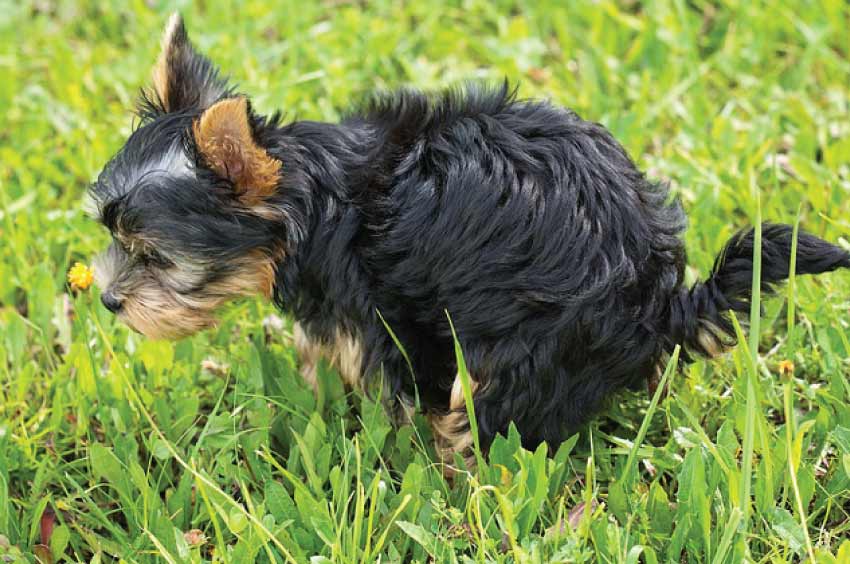
Quick answer: A dog pooping clear liquid is usually passing mucus that the intestines normally produce to protect themselves, and a small amount now and then is generally not a concern. Frequent or large amounts of clear liquid, especially alongside diarrhea, straining, blood, or lethargy, can point to stress, diet issues, parasites, or colitis, and is worth a vet visit if it lasts more than a day or two.
Key Takeaways
- A small amount of clear mucus in dog poop is often normal and doesn’t need treatment.
- Common causes include stress, sudden diet changes, food intolerance, intestinal parasites, and colitis.
- Mucus that persists beyond a day or two, or comes with blood, vomiting, or lethargy, needs veterinary attention.
- Puppies are more vulnerable to dehydration from diarrhea and mucus than adult dogs, and should be seen sooner.
- A vet visit typically starts with a fecal exam to check for parasites, since these are among the most common treatable causes.
Why Trust This Guide?
This guide draws on veterinary information about canine colitis, intestinal parasites, and digestive health, combined with general guidance on when digestive symptoms in dogs warrant veterinary evaluation. It’s intended as general information – always consult your vet for advice specific to your dog.
What Is the Clear Liquid in Dog Poop?
The clear, jelly-like substance you’re noticing is most often mucus, a natural secretion produced by the lining of a dog’s intestines. The intestinal lining produces this substance continuously as a built-in protective layer, cushioning the gut wall against everyday friction and giving waste an easier path through the colon. In small, occasional amounts, a thin coating of mucus on otherwise normal stool is not unusual and doesn’t necessarily indicate a problem.
The concern arises when mucus production increases noticeably, when it’s accompanied by loose stool or diarrhea, or when it happens repeatedly over several days. Increased mucus is generally the intestines’ response to some kind of irritation or inflammation, and figuring out the underlying cause is what determines whether this is a minor, self-resolving issue or something that needs treatment.
Normal vs. Abnormal Amounts of Mucus
A useful way to think about this is frequency and volume. An occasional light mucus coating on an otherwise well-formed stool, seen once or twice and then not again, is usually not worth worrying about. Frequent, visible amounts of clear liquid, especially if it’s watery or gel-like and appears with most bowel movements over several days, points toward ongoing intestinal irritation that’s worth investigating.
Context also matters. A single loose stool with some mucus after your dog got into the trash or ate something new is a very different situation from days of consistent mucus-heavy diarrhea with no clear trigger. The first is usually self-limiting; the second usually isn’t.
Common Causes of Clear Liquid or Mucus in Dog Poop
Several different issues can lead to the same basic symptom, which is part of why context and accompanying signs matter so much for figuring out the cause.
Stress and anxiety: Dogs experience genuine physical stress responses much like people do, and anxiety – from travel, a new environment, boarding, or a change in routine – can trigger temporary digestive upset, including mucus-coated stool or mild diarrhea.
Dietary indiscretion or sudden diet changes: Eating something outside the normal diet, whether trash, a new treat, or table scraps, can irritate the digestive tract enough to produce excess mucus. Switching dog foods too abruptly, without a gradual transition period, has a similar effect.
Medication side effects: Certain medications, particularly antibiotics, can disrupt the normal balance of bacteria in the gut, sometimes leading to loose, mucus-containing stool as a side effect during or shortly after a course of treatment.
Intestinal parasites: Giardia, hookworms, whipworms, and coccidia are all parasites capable of irritating the intestinal lining enough to trigger noticeable mucus production, often alongside diarrhea. Giardia in particular is a microscopic parasite spread through contaminated water or feces and is a common cause of recurring loose, mucus-heavy stool, especially in dogs with access to shared water sources like ponds or communal water bowls at parks.
Colitis: Inflammation of the colon, known as colitis, is one of the most common specific diagnoses behind mucus-heavy stool. It typically causes frequent, small amounts of diarrhea containing visible mucus, sometimes with a small amount of blood, along with straining and increased urgency to defecate.
Bacterial or viral infection: Various gastrointestinal infections can inflame the intestinal lining and increase mucus output as part of the body’s response, generally alongside more overt illness signs like reduced appetite or lethargy.
Puppies vs. Adult Dogs
Puppies deserve extra caution with this symptom. Their smaller body size means diarrhea and fluid loss can lead to dehydration much faster than in an adult dog, and puppies are also more likely to be dealing with intestinal parasites picked up from their mother or environment, since deworming protocols are typically staged across several early appointments rather than completed in one visit. A puppy pooping clear liquid or mucus-heavy stool for more than a few hours, especially combined with lethargy or reduced appetite, warrants a same-day call to the vet rather than a wait-and-see approach.
Adult dogs generally have more digestive resilience and can often be monitored for a day or two if they’re otherwise acting normal, eating, and drinking, though the same warning signs that apply to puppies – blood, lethargy, vomiting, or symptoms lasting more than a couple of days – should prompt a vet visit at any age.
When Clear Liquid or Mucus in Dog Poop Is an Emergency
Certain accompanying signs turn this from a “watch and wait” situation into one that needs prompt veterinary attention. Seek care right away if your dog becomes noticeably weak or lethargic, refuses to eat, shows blood in the stool (either bright red or dark and tarry), has pale or white gums, develops a fever, or begins vomiting alongside the mucus. Diarrhea that hasn’t improved within 24 hours, or mucus that persists for more than a couple of days without improvement, also warrants a vet visit even without these more severe signs, since ongoing fluid loss can lead to dehydration and other complications if left unaddressed.
What Happens at the Vet
A vet evaluating this symptom will typically start by asking about your dog’s recent diet, any new exposures, medication history, and how long the symptom has been going on, then move to a physical exam checking hydration status and abdominal comfort. A fecal exam is usually one of the first diagnostic steps, since it can identify many of the parasites capable of causing this symptom directly under a microscope.
If parasites are ruled out and symptoms persist, bloodwork may be recommended to check for signs of infection, inflammation, or other underlying issues, and in more complicated or chronic cases, further diagnostics like abdominal imaging or a more extensive workup for inflammatory bowel disease may be discussed. Most straightforward cases, though, are resolved with a fecal exam and targeted treatment based on what it reveals.
Treatment Options
Treatment depends entirely on the underlying cause. If parasites are identified, your vet will prescribe an appropriate dewormer matched to the specific parasite found, since different parasites respond to different medications. Giardia in particular is often treated with a combination of an antiparasitic medication and metronidazole, an antibiotic that also has anti-inflammatory effects on the gut.
For colitis without an identified infectious cause, treatment often includes a bland, easily digestible diet for a short period, sometimes alongside a brief fasting period to give the GI tract a rest, along with anti-inflammatory or gut-supportive medications as needed. Probiotics are frequently recommended alongside other treatments to help restore a healthy balance of gut bacteria, particularly after a course of antibiotics or an episode of diarrhea.
Home Care for Mild, Non-Emergency Cases
If your dog is otherwise acting normal, eating, drinking, and showing only a small amount of occasional mucus with no other symptoms, monitoring at home for a day or two is often reasonable. Sticking to your dog’s regular diet without introducing new treats or foods, ensuring fresh water is always available, and keeping a rough log of bowel movements can help you track whether things are improving or getting worse.
If symptoms haven’t resolved within that window, or if you notice any of the warning signs described above, that’s the point to move from home monitoring to an actual vet visit rather than continuing to wait.
Diet’s Role in Digestive Health
Consistent, high-quality nutrition plays a real role in reducing how often digestive upset happens in the first place. Abrupt food switches are one of the more common preventable triggers, so transitioning to a new food gradually over seven to ten days, mixing increasing amounts of the new food with the old, gives the digestive system time to adjust. If you’re looking to build a more consistent, digestion-friendly routine for your dog, this guide on preparing healthy dog food at home covers ingredient choices and preparation methods that support steady digestion.
How Vets Distinguish Small Intestine vs. Large Intestine Diarrhea
Not all diarrhea looks the same, and the pattern can actually help narrow down where in the digestive tract the problem is originating. Large intestine (colon) diarrhea, which is the type most associated with visible mucus, tends to involve frequent, small-volume stools, noticeable straining, and a sense of urgency, sometimes with a small amount of blood. Small intestine diarrhea, by contrast, usually produces larger volumes of watery stool less frequently, often without the same mucus or straining pattern, and is more likely to come with weight loss if it becomes chronic.
This distinction is one of the first things a vet mentally sorts through when you describe your dog’s symptoms, since it helps focus the diagnostic workup toward the most likely causes rather than testing for everything at once. Being able to describe the frequency, volume, and any straining you’ve observed gives your vet genuinely useful information beyond just “my dog has diarrhea,” and can speed up getting to an accurate diagnosis.
Preventing Recurrence
A few consistent habits reduce the odds of this becoming a repeat problem. Keep your dog on a stable diet and introduce any changes gradually rather than all at once. Stay current on parasite prevention, including routine fecal checks recommended by your vet, since many of the parasites behind this symptom are picked up through normal outdoor activity and are easy to miss without testing. Limit access to standing water sources like ponds or puddles where Giardia and other organisms are commonly present, and discourage scavenging behavior, whether that’s trash, dead animals, or unfamiliar plants during walks.
For dogs with a known sensitivity to stress-related digestive upset, identifying and managing specific triggers – whether that’s travel, boarding, or changes in routine – can meaningfully reduce how often symptoms flare up.
Chronic Mucus: When It Points to Inflammatory Bowel Disease
For a smaller subset of dogs, mucus-heavy stool becomes a recurring or ongoing pattern rather than an occasional, self-resolving episode. When infectious causes and simple dietary triggers have been ruled out but mucus and loose stool keep coming back over weeks or months, vets will often start considering chronic inflammatory conditions affecting the digestive tract, broadly grouped under inflammatory bowel disease. This isn’t a single condition but a category of chronic intestinal inflammation that can have several different underlying triggers, some of which are never fully identified even after extensive testing.
Diagnosing this kind of chronic case usually involves ruling out the more common and more easily treated causes first, which is why vets typically don’t jump straight to extensive testing on the first visit. If your dog’s symptoms are recurring rather than a one-off, it’s worth mentioning that pattern clearly to your vet, since a dog with mucus in their stool once a month for six months is being worked up very differently than a dog with a single three-day episode.
Diet Transitions and Food Sensitivities
Beyond abrupt food switches, some dogs have genuine sensitivities to specific ingredients that show up as recurring mild digestive upset, including mucus in the stool, without ever escalating to a dramatic reaction. Common culprits include certain protein sources, dairy, or high-fat treats and table scraps given inconsistently. If mucus tends to show up after specific foods or treats, keeping a simple log of what your dog ate in the 24 to 48 hours before an episode can help you and your vet spot a pattern worth investigating further, potentially through an elimination diet trial under veterinary guidance. For dogs with recurring sensitivities, working with your vet on a personalized nutrition plan tailored to their specific needs can help identify a long-term diet that actually agrees with them.
It’s worth noting that grain-free or exotic-protein diets aren’t inherently gentler on digestion than standard formulations – what matters more is finding a diet that’s genuinely well-tolerated by your individual dog and introduced gradually, rather than switching brands frequently in search of a fix. If you’re unsure whether it’s time to make a change at all, this guide on when to consider a new diet for your pet walks through the signs that a diet switch is actually warranted.
Bottom Line
Clear liquid or mucus in dog poop is common and often harmless in small, occasional amounts, but frequent or large amounts, especially alongside diarrhea, blood, or lethargy, point toward an underlying cause worth investigating. A fecal exam at the vet is usually the fastest way to identify or rule out the most common culprits, and most cases resolve well once the right cause is identified and treated.
FAQ: Dog Pooping Clear Liquid
Is it normal for a dog to have some mucus in their poop? A small, occasional amount is usually normal, since mucus is a natural intestinal secretion. Frequent or heavy mucus, especially with diarrhea, is not.
What does it mean if my dog is pooping clear liquid with no solid stool? This can indicate significant intestinal irritation or diarrhea severe enough to leave little solid content, and is worth a vet visit, especially if it continues beyond a day.
Can stress really cause a dog to poop mucus? Yes – anxiety and stress can trigger genuine digestive upset in dogs, similar to how stress affects digestion in people.
How long should I wait before taking my dog to the vet? If it’s mild and your dog is otherwise acting normal, monitoring for a day or two is often reasonable. Symptoms lasting longer, or any signs of lethargy, blood, or vomiting, warrant a vet visit sooner.
Can intestinal parasites cause clear liquid in dog poop? Yes – Giardia, hookworms, whipworms, and coccidia can all irritate the intestines enough to cause visible mucus, often alongside diarrhea.
Is mucus in puppy poop more concerning than in adult dogs? Generally yes, since puppies dehydrate faster and are more likely to have untreated intestinal parasites, so a same-day vet visit is a reasonable approach for puppies.
What tests will the vet run? A fecal exam is typically the first step, since it can identify many common parasitic causes directly. Bloodwork or further testing may follow if the fecal exam doesn’t explain the symptoms.
Can changing my dog’s food cause this? Yes – switching foods too abruptly is a common trigger. Transitioning gradually over a week or more helps prevent this.
Should I withhold food if my dog has mucus in their stool? A brief fasting period is sometimes recommended by vets for colitis, but this should be guided by your vet rather than done on your own, especially for puppies or dogs with other health conditions.
Can this symptom go away on its own? Yes, mild cases tied to stress or diet often resolve within a day or two without treatment, but symptoms that persist or worsen need veterinary evaluation.
[…] Which foreign pets are legal in Washington State? […]