Bird Feather Plucking Causes: What’s Really Going On

Bird Feather Plucking Causes: What’s Really Going On

Bare patches where feathers used to be, tiny bits of down scattered at the bottom of the cage, a bird that won’t stop chewing at its own chest — if you’re seeing this, you’re not imagining it, and it’s not “just a phase.” Bird feather plucking causes range from medical illness to environmental stress to genuine behavioral compulsion, and figuring out which one you’re dealing with is the single most important step toward stopping it. Left unaddressed, plucking can become a lifelong, extremely difficult-to-reverse habit — but caught early, most birds recover fully. Here’s how to identify the real cause behind your bird’s feather plucking, and what to do about it.

⚡ Quick Answer

Bird feather plucking is caused by medical issues (skin infections, parasites, allergies, pain), environmental stressors (boredom, poor lighting, low humidity, disrupted routine), or behavioral/psychological factors (anxiety, past trauma, compulsive habit). A vet visit should always be the first step, since medical causes must be ruled out before addressing behavior. Wild parrots almost never pluck their feathers — this is overwhelmingly a captivity-related issue, which means the right changes at home can make a real difference.

Key Takeaways

  • Feather plucking causes generally fall into three categories: medical, environmental, and behavioral — often overlapping.
  • A vet visit to rule out illness should always come first, even if the cause seems obviously behavioral.
  • Wild birds almost never pluck, which strongly points to captivity-related stress or unmet needs as the underlying driver in most cases.
  • The longer plucking continues unaddressed, the more likely it is to become a self-reinforcing, hard-to-reverse habit.
  • Most cases improve significantly once the true cause is identified and addressed — full recovery is realistic, especially when caught early.

Table of Contents

  1. What Is Feather Plucking?
  2. Why Trust This Guide
  3. The Three Main Cause Categories
  4. Why the Vet Visit Comes First
  5. Real Case Study
  6. What to Do Once You Know the Cause
  7. Common Mistakes
  8. Checklists
  9. FAQ

🐾 Why Trust This Guide

This guide was researched and written by the Pets Store Home editorial team against avian-veterinary sources, including guidance referenced by UC Davis School of Veterinary Medicine and avian-specialist veterinary practices. See our full Editorial Standards. This article is educational and not a substitute for an avian veterinarian’s diagnosis — feather plucking always warrants a professional evaluation.

What Is Feather Plucking?

Feather plucking (also called feather picking) is when a bird repeatedly pulls out, chews, or damages its own feathers beyond normal preening. It typically starts as feather-destructive chewing and can progress to a more severe form where the bird damages the skin underneath, most commonly on the chest and neck — areas the beak can easily reach. This is distinct from normal molting, which is a natural, temporary feather-replacement cycle.

The Three Main Cause Categories

🔴 Medical Causes

Skin or feather infections (bacterial, fungal, or yeast), parasites, allergies, nutritional deficiencies, or internal illness causing discomfort. Some birds pluck specifically to relieve pain or irritation from an underlying condition — this is why illness must always be ruled out first.

🟠 Environmental Causes

Low humidity, insufficient natural or full-spectrum light, poor diet, an under-stimulating cage, or a disrupted routine. Birds are highly sensitive to their surroundings — even subtle changes like a moved cage or new noise can act as a trigger.

🟣 Behavioral / Psychological Causes

Boredom, loneliness, anxiety, past trauma (common in rehomed birds), or a compulsive habit that’s developed over time. Birds are social, flock-oriented animals, and isolation or reduced attention can trigger this type of plucking.

Pet Care Tip: These categories often overlap — a bird with an untreated skin irritation can also develop a behavioral habit around plucking that continues even after the medical issue resolves, which is exactly why early intervention matters so much.

Why the Vet Visit Comes First

Even when plucking seems obviously tied to a recent stressful event, ruling out illness is essential — avian vets typically run a physical exam, bloodwork, and sometimes a feather or skin biopsy to check for infection or disease before considering the behavior purely psychological. Skipping this step risks missing a treatable medical condition while trying to fix a “behavior problem” that was never purely behavioral to begin with.

Real Case Study: Stress-Triggered Plucking During a Life Change

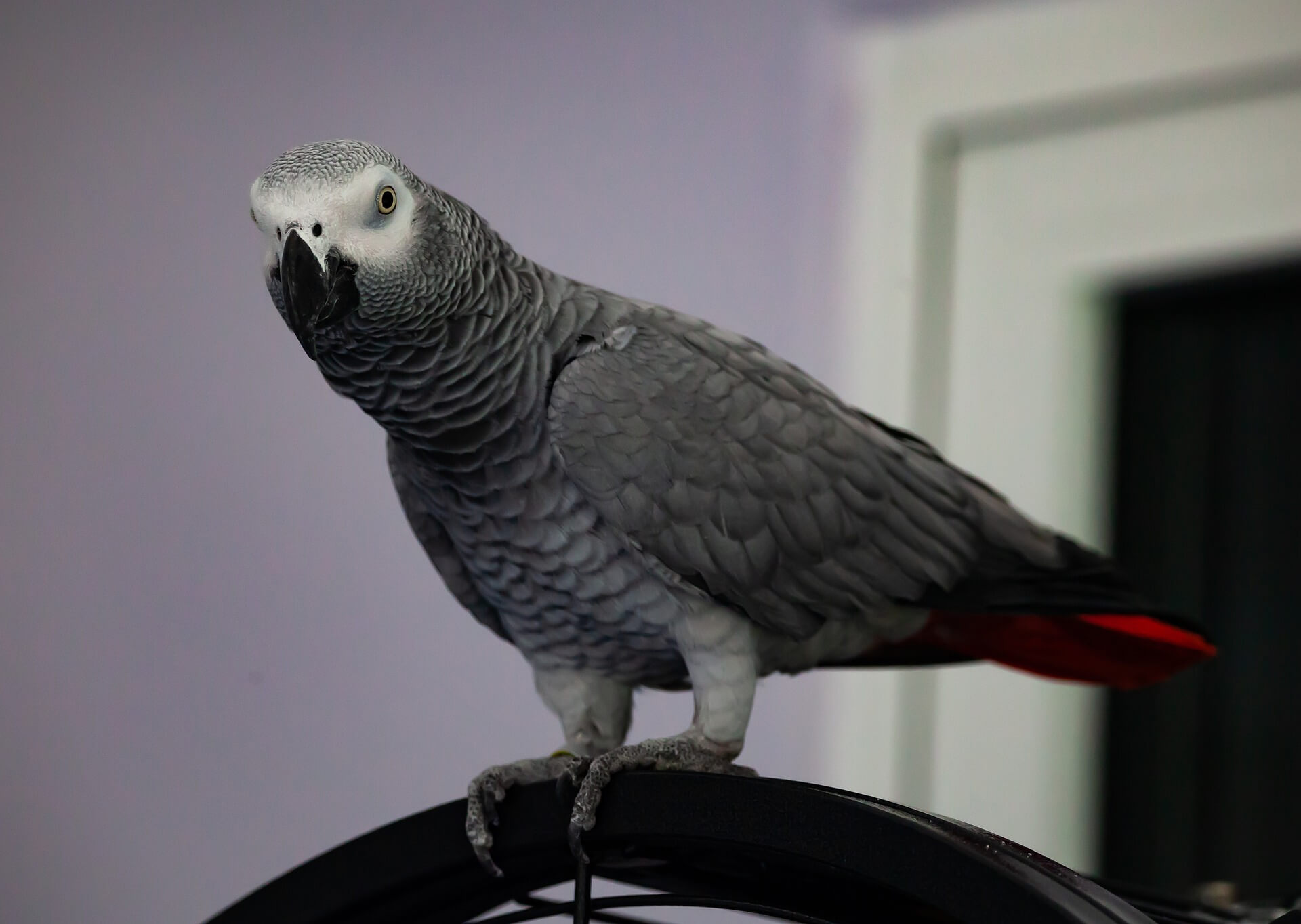
Example Scenario: A five-year-old African Grey began plucking his chest feathers shortly after his owner started a demanding new work schedule, spending significantly less one-on-one time with him. A full vet workup — bloodwork, skin scrape, and physical exam — came back clear, ruling out infection or illness. With medical causes eliminated, the focus shifted to environment and routine. The owner introduced a consistent 20-minute daily interaction window, added foraging toys to occupy him during longer alone periods, and moved his cage away from a high-traffic hallway to a calmer corner of the living room. Within six weeks, the plucking slowed noticeably, and new feather growth began appearing in the previously bare patches within three months. The lesson: once illness was ruled out, the real fix wasn’t a product or a quick trick — it was rebuilding the routine and attention he’d lost.

Common Mistakes Owners Make

  • Assuming it’s “just behavioral” without a vet check. Why it happens: the timing seems to line up with a stressful event. Consequence: missing a treatable medical cause. Fix: always start with a full avian-vet workup.
  • Waiting to see if it resolves on its own. Why it happens: hoping it’s a passing phase. Consequence: plucking can become a self-reinforcing habit the longer it continues. Fix: address it as soon as it’s noticed, not after weeks of hoping.
  • Using a collar as a first-line fix. Why it happens: it physically prevents plucking quickly. Consequence: doesn’t address the underlying cause, and can add its own stress. Fix: reserve collars for short-term use only, after the real cause is being treated.
  • Punishing or scolding the bird for plucking. Why it happens: frustration at the ongoing behavior. Consequence: adds stress, which typically worsens plucking rather than stopping it. Fix: respond with calm environmental and routine changes instead.
  • Changing multiple things at once. Why it happens: wanting to fix everything quickly. Consequence: makes it hard to know what’s actually helping. Fix: introduce changes gradually so you can track what’s working.
bird feather plucking causes

What to Do Once You Know the Cause

  1. Book a full avian-vet exam. This is the essential first step regardless of suspected cause — bloodwork, physical exam, and possibly a skin/feather biopsy.
  2. Treat any medical condition found. Follow your vet’s guidance fully, including any prescribed antibiotics, antifungals, or dietary changes.
  3. Improve environmental basics. Check humidity, lighting (full-spectrum bulbs matter for indoor birds), and diet quality.
  4. Increase enrichment. Rotate toys, add foraging opportunities, and provide safe items to chew and shred as an outlet.
  5. Rebuild routine and attention. Consistent daily interaction time reduces anxiety-driven plucking significantly for social species.
  6. Track patterns. Note when plucking happens most — this can reveal a specific trigger (a noise, a person, a time of day) worth addressing directly.
  7. Be patient. Feather regrowth and habit change both take time — weeks to months, not days.

Pet Care Tip: Keep a simple daily log of when plucking occurs alongside what else was happening (visitors, noise, schedule changes) — patterns that aren’t obvious day-to-day often become clear after a couple of weeks of notes.

Practical Checklists

First Steps Checklist

  • ☐ Booked a full avian-vet exam
  • ☐ Checked cage humidity and lighting
  • ☐ Reviewed diet quality and variety
  • ☐ Noted any recent changes in routine or environment
  • ☐ Started tracking when plucking occurs

Enrichment & Routine Checklist

  • ☐ Foraging toys rotated regularly
  • ☐ Consistent daily one-on-one interaction time
  • ☐ Safe chew/shred items available
  • ☐ Cage positioned away from high-stress areas (loud, high-traffic spots)

Cause Category Quick Comparison

Category Signs First Step
Medical Redness, discharge, appetite loss Avian-vet exam and bloodwork
Environmental Started after a cage move/routine change Review humidity, lighting, diet
Behavioral Worse when alone or under-stimulated Increase enrichment and attention

Frequently Asked Questions

Will my bird’s feathers grow back after plucking?
In most cases yes, once the underlying cause is properly addressed, though regrowth takes time and severe or long-standing cases can occasionally cause permanent follicle damage.

Is feather plucking painful for the bird?
Yes, it can cause real pain, skin damage, and risk of infection, which is part of why addressing it promptly matters both for comfort and long-term health.

Should I get my bird a companion to stop plucking?
Not automatically — while loneliness can be a factor, adding a companion bird without addressing the actual cause can introduce new stress; this is best discussed with an avian vet or behaviorist first.

Are certain bird species more prone to feather plucking?
Yes, highly intelligent, social species like African Greys and Cockatoos are commonly reported to pluck more often, likely linked to their high need for mental stimulation and social interaction.

Can diet alone cause feather plucking?
Nutritional deficiencies can contribute, particularly with an unbalanced seed-only diet, so switching to a high-quality, species-appropriate diet is often part of the fix, though rarely the sole cause.

Sources & References

About the Author & Editorial Process

This guide was researched and written by the Pets Store Home editorial team — pet owners and researchers who verify every claim against trusted veterinary and animal-welfare sources before publishing.

This content is for general educational purposes and is not a substitute for individualized veterinary advice. Always consult a qualified avian veterinarian for concerns specific to your bird.

Last reviewed: September 2026  |  Read our Editorial Standards

Final Thoughts

Feather plucking is genuinely distressing to watch, but it’s rarely a mystery once you know where to look — start with your vet, rule out illness, and work through environment and routine from there. Most birds respond well once the real cause is addressed, even if it takes a few months of patience to see the feathers grow back. The sooner you start, the better the odds of a full recovery.
Colorful Pet Birds। Beautiful Top 8 Small Cutest Best Birds

Colorful Pet Birds। Beautiful Top 8 Small Cutest Best Birds

Quick Answer: Some of the most colorful pet birds include budgies, lovebirds, sun conures, eclectus parrots, and rainbow lorikeets, offering vibrant plumage alongside a range of care needs from relatively simple to quite demanding depending on the species.

Key Takeaways

  • Budgies and lovebirds are colorful and relatively beginner-friendly.
  • Sun conures and eclectus parrots need more space and social interaction.
  • Rainbow lorikeets have specialized nectar-based dietary needs.
  • Larger, more colorful parrot species often require a bigger long-term commitment.
  • Always research a specific species’ noise level and lifespan before bringing one home.

Why Trust This Guide?

This guide is researched and written by the Pets Store Home editorial team, drawing on general veterinary and animal-care information. It’s intended as general information; consult your vet for advice specific to your pet.

Beautiful Colorful Pet Birds Which is Top 8 Birds

The beautiful pet birds and wonderful aquarium pets over the past decades have brought about the need. To create new and improved homes for them. As a result, pet care companies and manufacturers of products for human children have adapted their methods. And technology to make better housing options like bird cages, fish tanks, tortoise enclosures, reptile cages, etc.

Today I’d like to share with you some examples of beautiful pet birds improvements; perhaps. They’ll give you ideas on how to improve your own little friends’ living conditions.

Why should you get beautiful colorful pet birds?

At first, it might look expensive and a big commitment. But beautiful pet birds can be an excellent addition to your home. I’m going to give you some reasons why you should get a pet bird.

Colorful pet birds have similar abilities. Like as monkeys, dolphins, elephants, apes, and even humans too. They show evidence for abstract thinking. Problem-solving skills, self-control, and the ability to understand object permanence. Those objects still exist when out of view. Professor Irene Pepperberg holds a Ph.D. in Psychology from Brandeis University. She pioneered the study on African Grey Parrots after purchasing one named Alex from a pet shop in 1977. She observed Alex’s ability to communicate with her through speech sounds. And words, as well as his ability to add and subtract small numbers.

Her studies showed that Alex could label more than 100 objects, colors. And shapes while he also knew quantities up to 8 or 10 items. He also understood bigger, smaller, same, different, over, under, on, in, and next to. For example, when asked, “What shape is the cup?” This makes you happy and a good time pass as lonely.

Bird’s dangerous for humans or Pros & Cons.

Beautiful Colorful Pet Birds Which Top 8 Best Colourful Birds

The article starts with a discussion of Alfred Hitchcock’s 1963 film “The Birds.” And how it managed to scare so many people, despite having no natural horror elements. Such as serial killers or creaking doors. The beautiful pet birds attacked humans for no reason. Which is still considered one of the greatest movie moments ever. It also mentions Star Wars. A New Hope features some good beautiful pet birds vs. person action. In the form of vicious storm troopers getting pecked out by those cute creatures from The Last Jedi. He then goes on to compare this fear towards birds to our primal sense. That snakes are evil and will kill you.

This lies in the fact that beautiful pet birds, like all animals, are descendants of reptiles. That means they evolved from dinosaurs, like the ones in Jurassic Park. If you’re too young to know what I’m talking about. When the asteroid hit the earth and killed off most of the larger life. Forms around 66 million years ago. mammals spared despite their size. These mammals then evolved into wider varieties over time. That is apes became humans because we are primates. Which meant that smaller mammals didn’t have to compete with them anymore.

Pet birds poop everywhere

 Pet birds, called beautiful pet birds, can be messy by nature, especially when they are just learning how to use the birdcage. We all know that pets will find their favorite spots to go potty and leave you with a mess. This is even truer if you have a pet parrot from these beautiful pet birds. Will make any place in your house their potty spot. So, does this mean that beautiful pet birds poop everywhere? The answer is yes, but there are ways to stop this behavior. If you train your feathered friend well enough, he won’t choose your expensive leather sofa as his favorite toilet. Believe it or not, training can take only weeks because of how smart these animals are. Parrots learn faster than dogs. You would be surprised by the intelligence of these beautiful pet birds.

If your beautiful pet bird is pooping everywhere, you can bet he’s trying to tell you something. You may not be able to understand him with words. But there is a good chance that his actions are clear as day.

Beautiful and Colorful pet Birds nature

For example, let’s say that your pet parrot regularly relieves himself on the couch. There must be a reason for this since he has access to his potty area. One possible cause could be that it’s more comfortable than the standing perch or some other place in the birdcage. If so, offering him an upgraded nest might solve the problem if it means more comfort for your feathered buddy. Or maybe he has some health problems and needs more attention than the rest of your colorful pet birds. Perhaps he’s slightly older or has developed a habit that can be problematic. If so, you can teach him to use his cage by rewarding him with treats every time he goes in the right place.

Another cause for this problem could be that your parrot is not getting enough attention. Beautiful pet birds are susceptible. And they will act up when they don’t get enough love from their human owner. Spending more quality time with your pet bird might solve this issue quickly. But it is worth checking if there are any health issues first. Parrots tend to develop health problems faster than other beautiful pet birds. Due to their diet choices (seed-based) and lifestyle among humans, especially after living in the wild.

The Best Bird Pets for Beginners

There are many reasons why you would want beautiful pet birds as a pet, in addition to being great companions. They have been known to aid people by calming the spirits of lonely or ill humans. And if that’s not enough, they can be taught to do tricks and talk. But before rushing out and buying your first parrot, it’s best to know what kind would suit you best. So here is a list of some good starter beautiful pet birds.


Conures

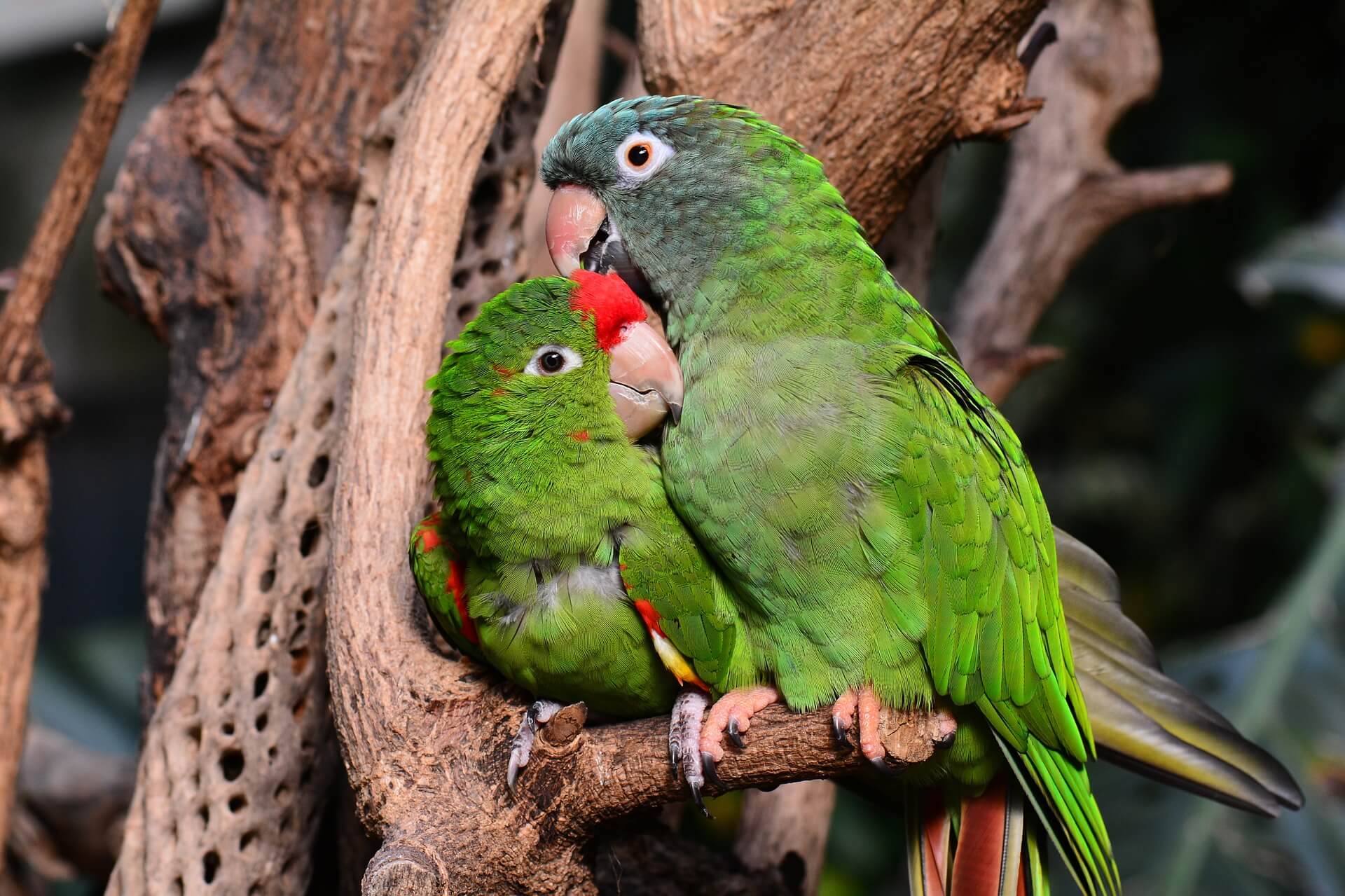
Conures

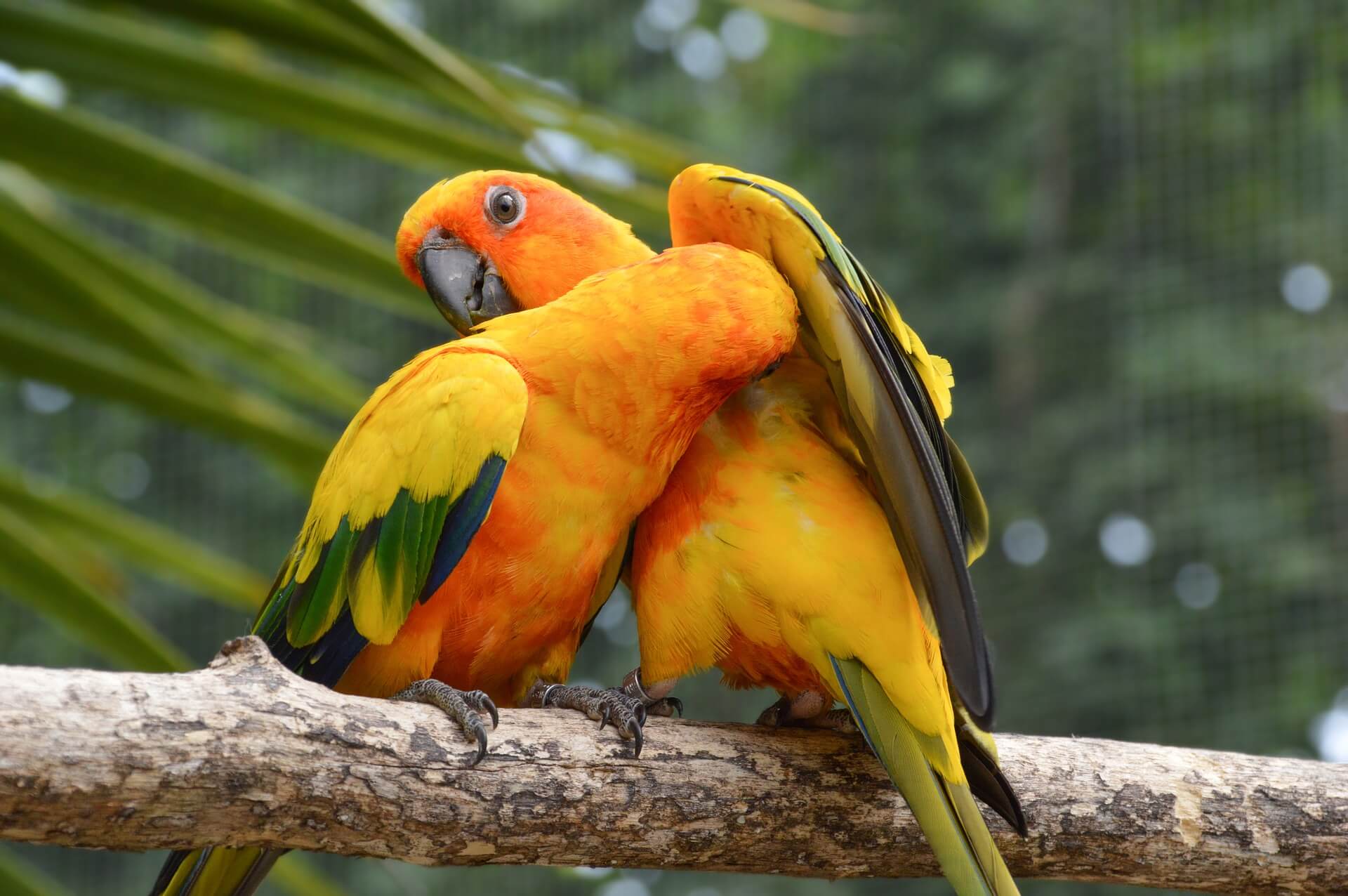
These beautiful pet birds are from South America and have long been one of my personal favorites. They range from the very popular sun conure, green with gold on its wings, red cheeks, and a ring of yellow around its eyes, to the slightly more giant peach fronted conure, which closely resembles a face of a small dog. These birds are very personable and friendly as they love to be held for hours on end, something my Georgia loves to do with me.

Budgies

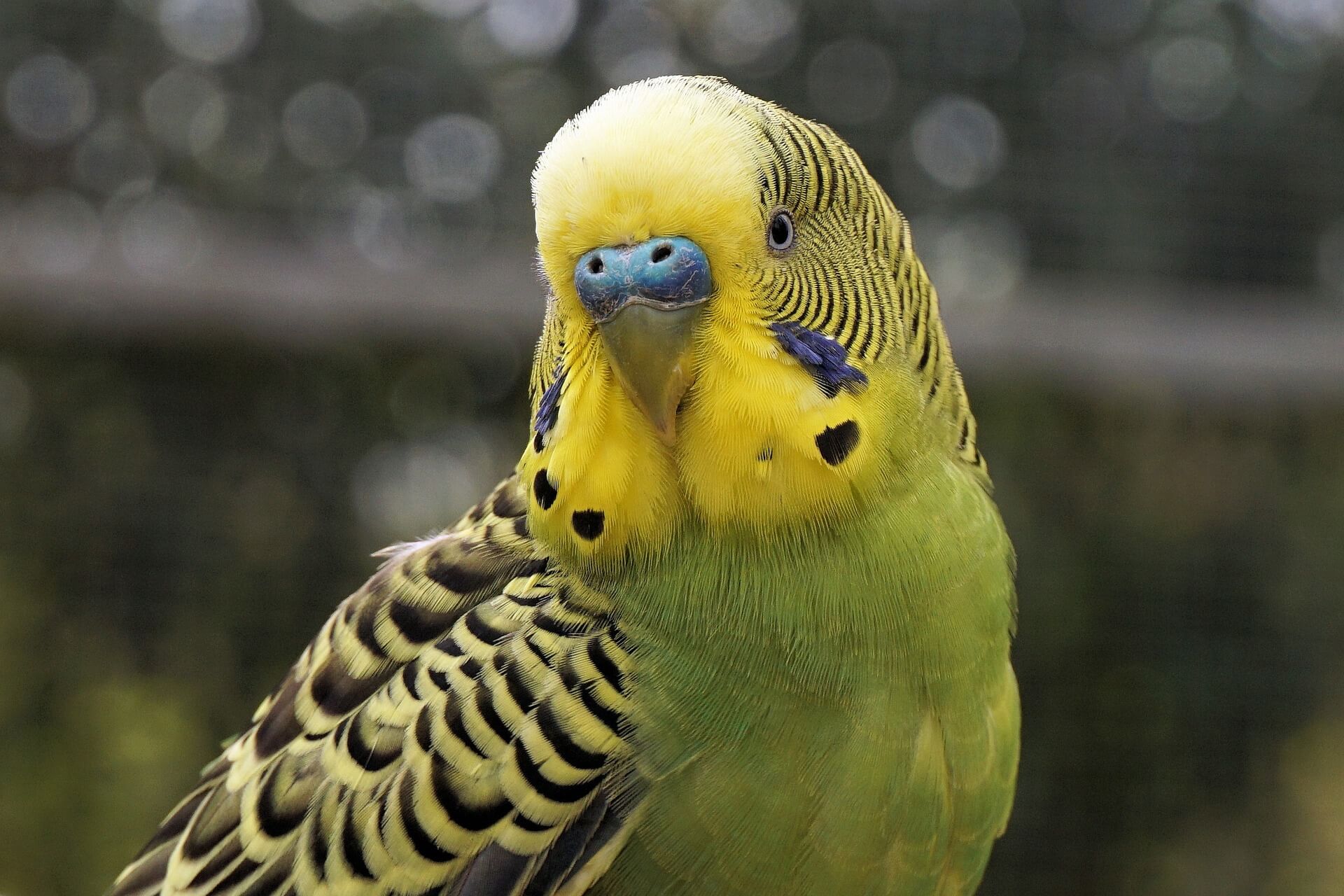
Budgies

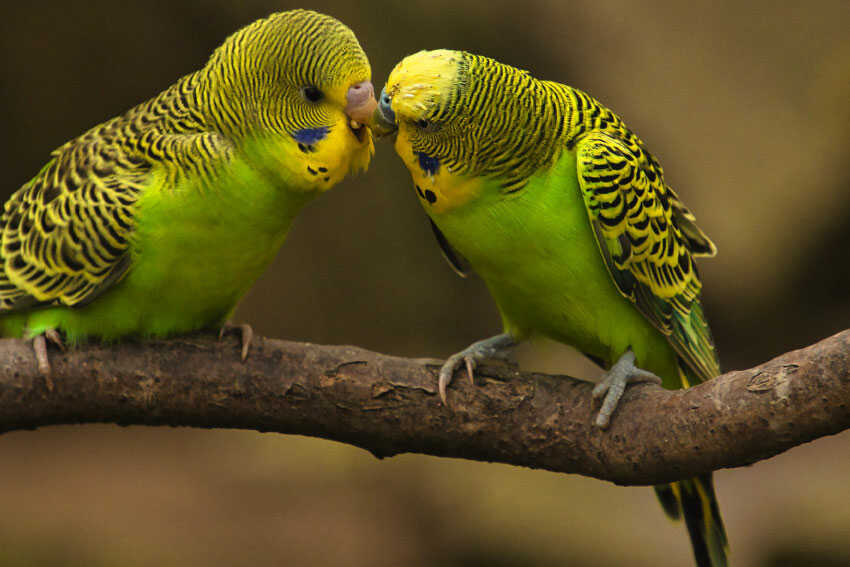
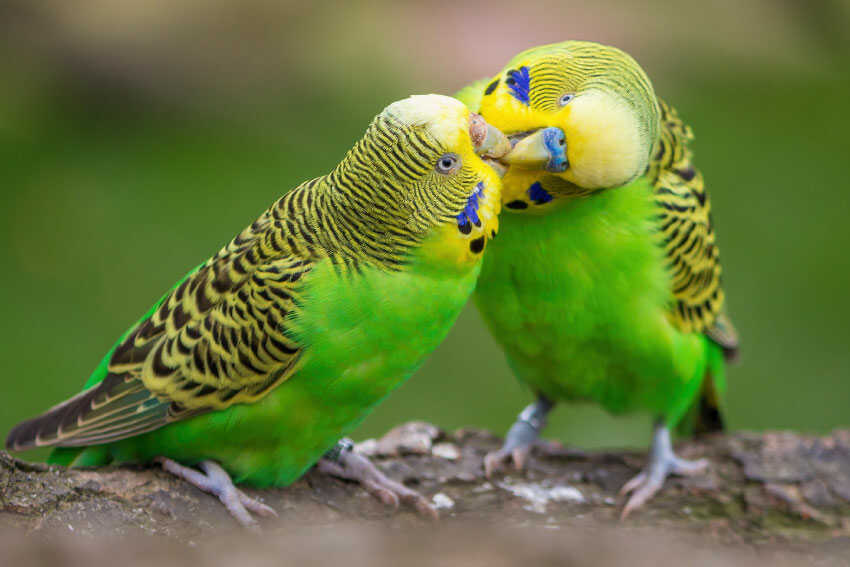
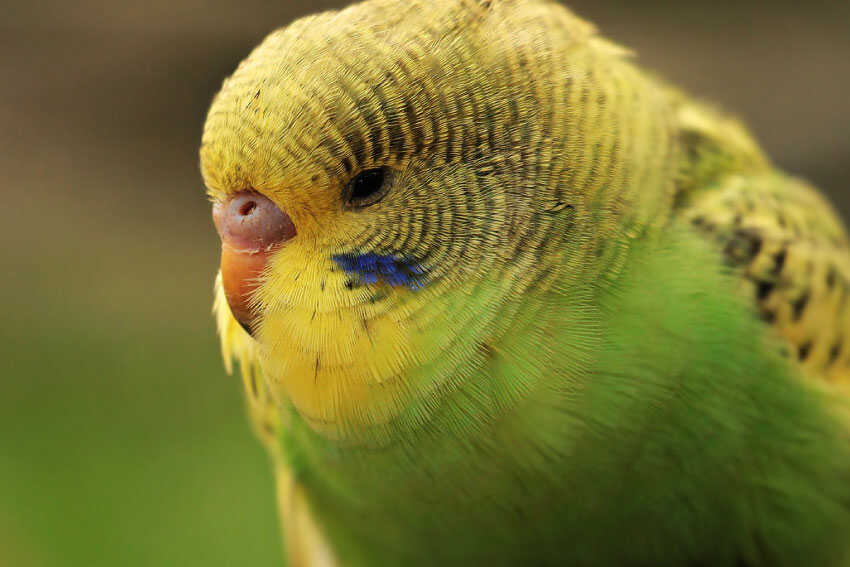
With over 150 species of these beautiful pet birds, your choices can seem endless, but they all have one thing in common- an indomitable spirit. I was given a budgie as a gift by a co-worker who said she couldn’t keep it anymore because her boyfriend’s mother thought it was possessed. After spending some time alone with the bird, I quickly realized why she had been given away; he bit everyone he came near! However, after a few weeks of training him, I secured his trust, and he became one of the best birds I’ve ever owned.

Lovebirds

Lovebirds

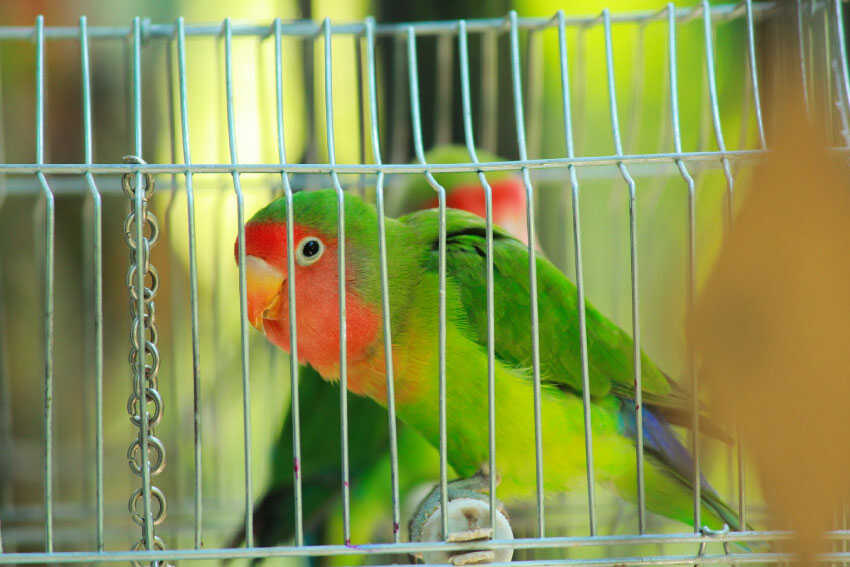
These tiny beautiful pet birds from Africa are usually kept in pairs and love to hold hands while standing side by side. They can be taught to do tricks and talk, and for this reason, they make great pets. So if you want some entertainment, get two lovebirds and watch them go.

Quakers

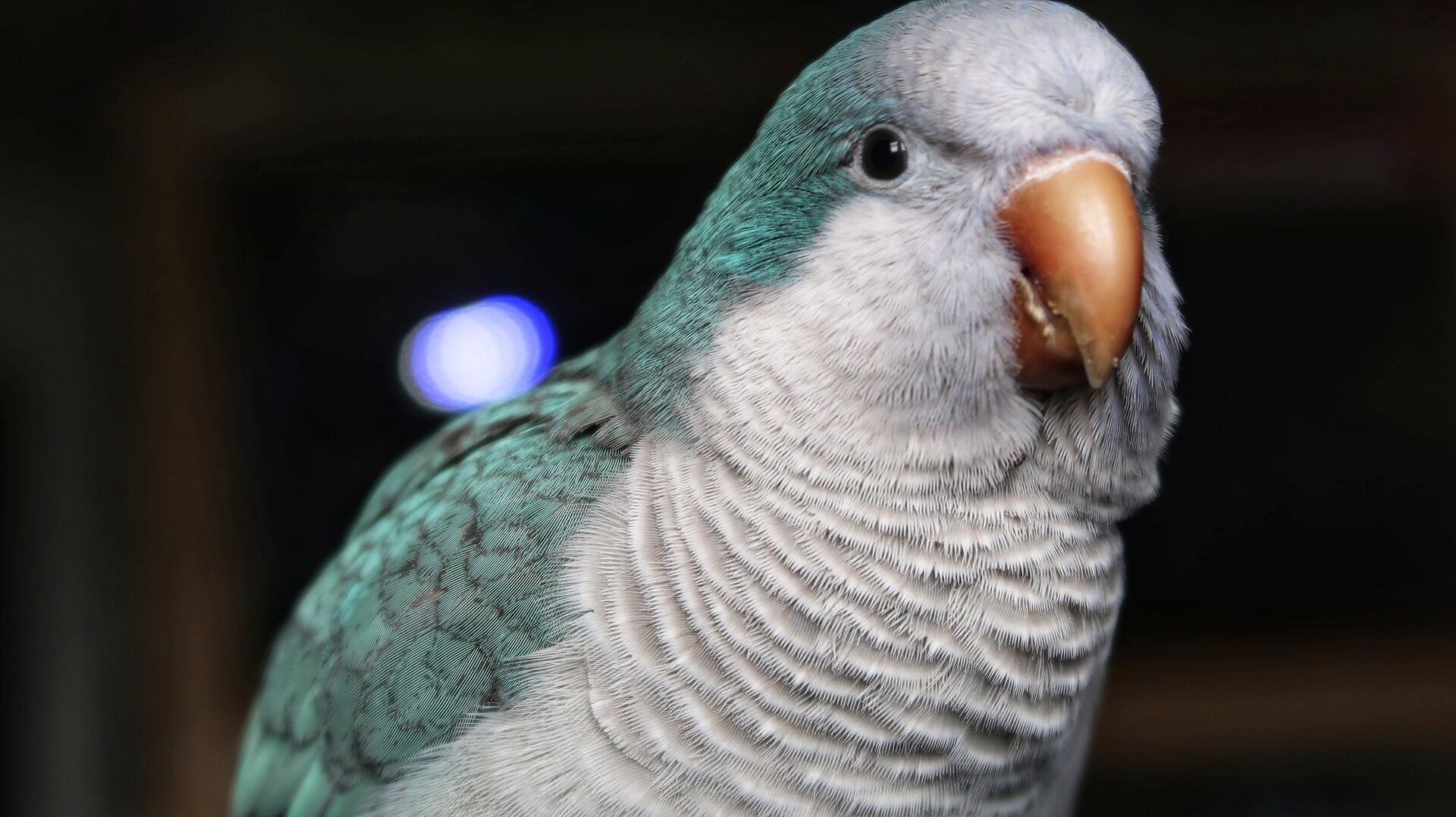
Quakers

Monomorphic or not, you can’t go wrong with these little guys if you’re looking for a fun-loving bird that isn’t too big on the noise level. They are easy to take care of. They don’t require large cages like some parrots because they only eat seeds, pellets, and fresh fruits and vegetables. The only drawback is their beaks are very powerful for their size, so you might have to get creative when it comes time to cut his nails.

Parrotlets

Parrotlets

Easy to care for, parrotlets are minor versions of the much-loved larger parrots. They are becoming increasingly popular as beautiful pet birds. Because they are often mistaken for other types of beautiful pet birds. They can make great companions if you’re looking for something out of the ordinary. Also known as “pocket parrots,” these birds do not require a lot of room. But need constant attention because they love human interaction. They aren’t too fond of being handled either. And prefer to perch on your shoulder than in your hand most times unless they know you well.

Cockatiels

Cockatiels

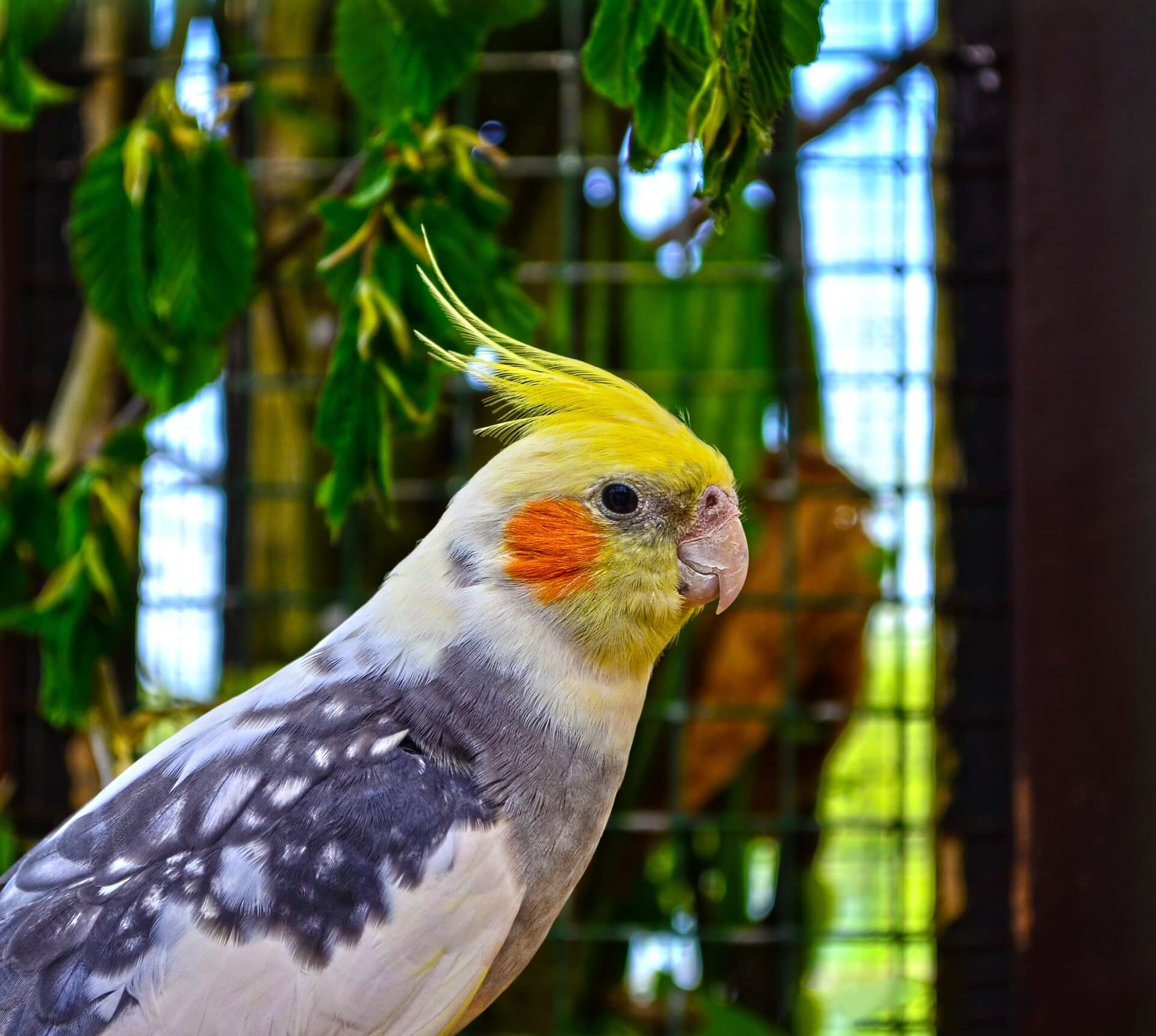
These birds are a popular choice for a pet because they aren’t as big as some other parrots. They stay on the smaller side and unlike other parrots. That can live to be 80 or older. Cockatiels only live from 15-20 years. This means if you purchase one, it’s going to be with you as long as a dog. Also, if you want a cuddly companion, these beautiful pet birds will practically become part of your family. Finally, if you can cope with their constant chattering, these are the lovely pet birds for you.

African Greys

African Greys

I saved the best for last because African greys are my favorite beautiful pet bird by far. You might wonder why anyone would want beautiful pet birds that never shut up. But you have to know they only chirp, whistle, and squeal when they’re excited about being with their flock. These parrots also have a quirky sense of humor and will play jokes on you just like a dog or cat might. For example, if your hand is in the vicinity of his cage, he might “go for it.” And bite you just because he’s feeling mischievous. I’ve had this happen to me more times than I can count, so be prepared. Parrots are notorious for biting out of sheer love.

Buying guide

When buying any pet, one thing to remember is that not everyone has what it takes to care for one properly. This is why it’s essential to research what kind of animal you want before jumping right in. This is especially true if the pet will be a young one. Because they require constant attention, care, and supervision, if you’re thinking about getting a bird, remember that birds are flock animals. This means they need socialization, or else they can become withdrawn or even aggressive. The best course of action is to find an experienced avian veterinarian. Who knows how to treat the specific species of bird that you have chosen. This information helps lead you towards making the right choice. And finding a good doctor for your new feathered friend.

Colorful Pet Birds

If my article has helped encourage someone to either adopt beautiful pet birds. They’ve been looking into it for some time now. Or, given them more insight when it comes to certain types of beautiful pet birds, then I’ve done my job for all the parrot lovers out there. I hope this article has given you some valuable insight into choosing your new favorite pet. Remember that every beautiful pet bird is different, just like dogs and cats are. So if you’re looking for a specific type of beautiful pet bird. Keep in mind these breeds aren’t necessarily better than one another. But they do require more attention. Which means they might not be the best choice for people who work long hours. As always, think carefully before making any kind of decision regarding your next pet.

Colorful Pet Birds

Final thought

Suppose you want to get a bird but need help finding the perfect one. Please visit your local animal shelter or call some breeders. Who specialize in beautiful pet birds. There are plenty of parrots out there just waiting to find their forever homes. So don’t be afraid to reach out and give them what they’ve always wanted love.