Rabbit Aggressive Behavior: Causes & Gentle Fixes

Rabbit Aggressive Behavior: Causes & Gentle Fixes

Your gentle, floppy-eared companion just lunged at your hand, and you’re left wondering what happened to the sweet bunny you brought home. Rabbit aggressive behavior — biting, lunging, growling, or boxing with their front paws — catches a lot of owners off guard, but it’s rarely random and almost never “just a mean rabbit.” Rabbits are prey animals wired for fight-or-flight, and aggression is nearly always a response to fear, pain, hormones, or territory — not spite. Here’s how to read what your rabbit is actually telling you, and the gentle, welfare-first approach that genuinely works to rebuild trust.

⚡ Quick Answer

Rabbit aggression — biting, lunging, growling, or nipping — is usually driven by fear, territorial instinct, pain, or unneutered hormones, not genuine hostility. Identifying which type you’re seeing determines the fix: fear-based aggression needs gentle, patient trust-building; territorial aggression needs respectful handling of their space; hormone-driven aggression often improves dramatically after spaying or neutering. Sudden aggression in a previously calm rabbit should always prompt a vet check for pain first.

Key Takeaways

  • Rabbits are prey animals — aggression is almost always a defensive response, not dominance or spite.
  • Spaying or neutering around 4-6 months of age dramatically reduces hormone-driven aggression in most rabbits.
  • A sudden change from calm to aggressive in an adult rabbit is a strong signal to check for pain, such as dental disease or arthritis.
  • Punishing or forcefully “dominating” an aggressive rabbit tends to make fear-based aggression worse, not better.
  • Most rabbit aggression significantly improves with patient, force-free trust-building over several weeks.

Table of Contents

  1. Understanding Rabbit Aggression
  2. Why Trust This Guide
  3. Types of Rabbit Aggression
  4. Ruling Out Pain First
  5. Real Case Study
  6. A Gentle, Force-Free Approach
  7. Common Mistakes
  8. Checklists
  9. FAQ

🐾 Why Trust This Guide

This guide was researched and written by the Pets Store Home editorial team against welfare-focused sources including the Rabbit Welfare Association & Fund (RWAF) and the House Rabbit Society. We follow modern, force-free guidance rather than outdated “dominance” advice still found on some older sites. See our full Editorial Standards. This article is educational and not a substitute for veterinary or certified rabbit-behaviorist advice.

Understanding Rabbit Aggression

As prey animals, rabbits are instinctively wired to detect and respond to threats — and a human hand reaching toward their face can genuinely look like one, especially given rabbits’ poor close-up vision. Aggression is a rabbit’s way of communicating “back off,” “this is mine,” or “I’m in pain,” not an attempt to establish dominance over you. Reading the specific type of aggression is the key to actually resolving it.

Types of Rabbit Aggression

🟠 Fear-Based Aggression

Triggered by feeling cornered, grabbed, or startled — a rabbit’s near-distance vision is poor, so a sudden hand near their face can look like an attack. Look for pinned-back ears and tension before a lunge or bite.

🔵 Territorial Aggression

Common when hands enter a rabbit’s cage or hutch, especially in unneutered females protecting a nest area. The rabbit is defending space it considers safe, not attacking out of malice.

🔴 Pain-Related Aggression

A previously calm rabbit that suddenly turns aggressive — especially when picked up or touched in a specific spot — may be in pain from dental disease, arthritis, or another condition. This always warrants a vet check before assuming it’s purely behavioral.

🟣 Hormonal Aggression

Common in unneutered rabbits from around 4 months old — circling, mounting, and biting linked to sexual maturity. Spaying or neutering resolves this in the large majority of cases.

Pet Care Tip: Watch what happens in the few seconds right before the aggression — hands entering the cage, a specific touch location, or a sudden approach usually reveals which type you’re dealing with.

Ruling Out Pain First

If a normally gentle rabbit suddenly becomes aggressive with no clear behavioral trigger, book a vet visit before anything else. Overgrown teeth, dental spurs, arthritis, and spinal problems can all cause pain that shows up as unexpected biting or lunging, especially when a rabbit is picked up or touched in a specific area. Deafness has also been linked to increased startle-based aggression, since the rabbit can’t hear you approaching.

Real Case Study: Territorial Aggression During Cage Cleaning

Example Scenario: An eight-month-old unspayed rabbit began lunging and grunting every time her owner reached into the hutch to clean it, despite being affectionate at all other times. Assuming the rabbit had “turned mean,” the owner considered rehoming her. A rabbit-savvy vet identified textbook territorial aggression, intensified by unneutered hormones. The fix: cleaning the hutch only while the rabbit was out exercising in a separate run, combined with scheduling a spay a few weeks later. Within a month of the spay and the routine change, the lunging stopped almost entirely. The rabbit wasn’t mean — she was defending a space she couldn’t otherwise protect, and once that pressure was removed, her original affectionate personality returned.

Common Mistakes Owners Make

  • Trying to “dominate” an aggressive rabbit. Why it happens: outdated advice still circulates online. Consequence: increases fear and often makes biting worse. Fix: use gentle, force-free trust-building instead.
  • Pulling your hand away quickly after a bite. Why it happens: it’s a natural reflex. Consequence: teaches the rabbit that biting successfully removes the “threat,” reinforcing it. Fix: stay still and calm, then withdraw slowly once the rabbit relaxes.
  • Skipping the vet visit for sudden aggression. Why it happens: assuming it’s just a mood or phase. Consequence: missing a painful underlying condition. Fix: always rule out pain first with a previously calm rabbit.
  • Delaying spay/neuter. Why it happens: uncertainty about timing or cost. Consequence: hormonal aggression often persists or worsens with age. Fix: discuss timing with your vet around 4-6 months old.
  • Reaching directly into the cage without warning. Why it happens: it’s the easiest way to interact. Consequence: reinforces territorial defensiveness. Fix: talk calmly before reaching in, and clean the space while the rabbit is out exercising when possible.
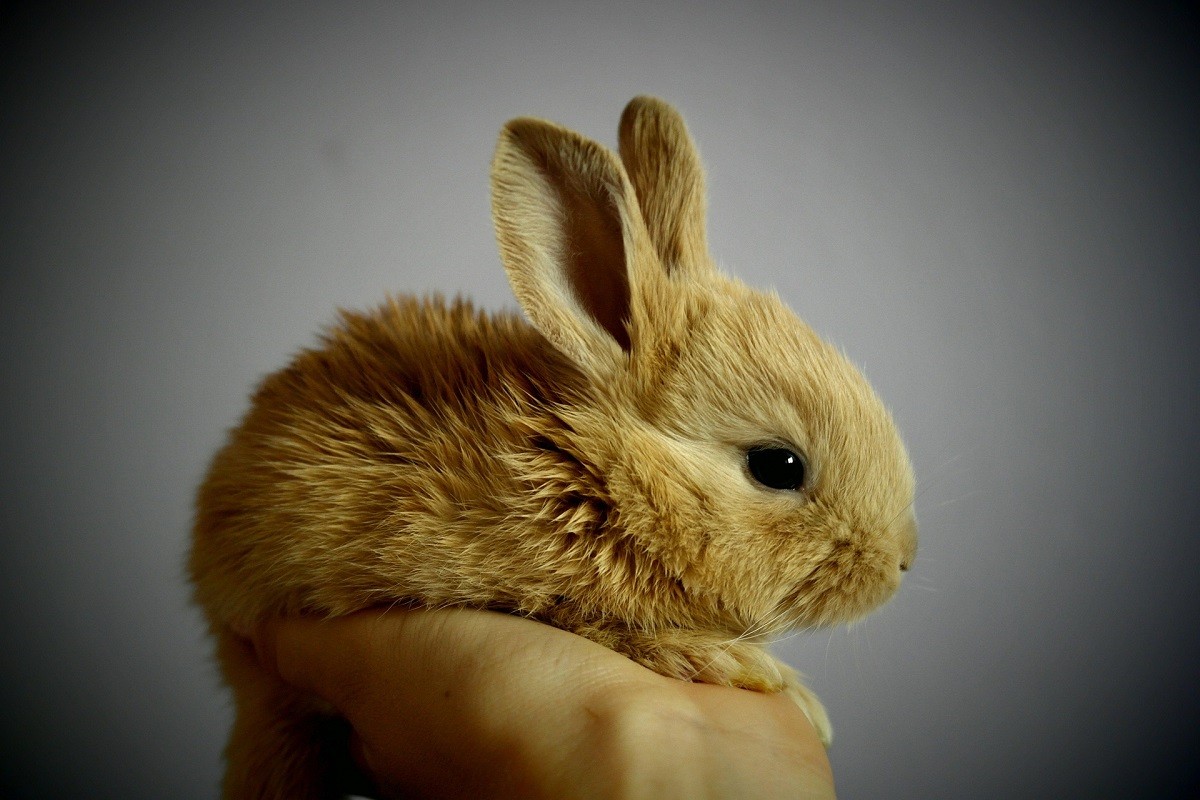
rabbit aggressive behavior

A Gentle, Force-Free Approach

  1. Pause handling for a short period. Stop trying to pick up or stroke your rabbit for about two weeks while you rebuild trust through calmer means.
  2. Hand-feed treats and speak softly. Let your rabbit approach you on their own terms, associating your presence with good things rather than a threat.
  3. Introduce gentle stroking during feeding. Once your rabbit is relaxed taking treats, try stroking their forehead while they eat.
  4. Use a long-handled brush if biting continues. If your rabbit still nips when touched, offer the brush instead of your hand — this lets them learn that biting doesn’t actually remove the “threat.”
  5. Avoid sudden movements near their face. Approach from the side, keep your hand visible and slow, and speak before reaching in.
  6. Discuss spaying or neutering with your vet. This addresses hormone-driven aggression at the source and is one of the most effective single interventions available.
  7. Give it time. Most rabbits improve significantly over weeks, not days — consistency matters more than speed.

Pet Care Tip: Never punish or shout at an aggressive rabbit — as a prey animal, this confirms their fear response was justified, and typically deepens the aggression rather than resolving it.

Practical Checklists

Trust-Building Checklist

  • ☐ Pause forced handling for at least two weeks
  • ☐ Hand-feed treats daily while speaking calmly
  • ☐ Introduce gentle touch only during positive moments (feeding)
  • ☐ Clean the cage while the rabbit is out exercising, where possible
  • ☐ Discuss spay/neuter timing with your vet

When-to-See-a-Vet Checklist

  • ☐ Aggression appeared suddenly in a previously calm rabbit
  • ☐ Aggression is worse when a specific body area is touched
  • ☐ No improvement after several weeks of gentle trust-building
  • ☐ Signs of possible dental issues (drooling, trouble eating)

Aggression Type Quick Comparison

Type Common Trigger Best First Step
Fear-based Sudden movement, feeling cornered Slow, calm approach; hand-feeding
Territorial Hands entering cage/hutch Clean while rabbit is out exercising
Pain-related Being picked up or touched Vet check for dental/joint issues
Hormonal Sexual maturity, ~4+ months old Spay/neuter consultation

Frequently Asked Questions

Will neutering definitely stop my rabbit from being aggressive?
Neutering resolves hormone-driven aggression in the large majority of cases, though rabbits with fear-based or pain-related aggression will need the specific approach for that cause alongside the procedure.

Is it normal for rabbits to growl?
Yes — growling is a clear warning signal, usually paired with pinned-back ears, telling you to back off before a lunge or bite. It’s a rabbit communicating, not attacking without warning.

My rabbit only bites one specific family member — why?
Rabbits can form individual associations and preferences, sometimes linked to how that person handles them, their scent, or even an unrelated startling incident. Consistent, calm interaction from that person specifically can help rebuild trust.

Can two aggressive rabbits ever be bonded together?
Often yes, especially once spayed or neutered — a compatible bonded partner can actually reduce territorial aggression toward humans, though introductions should be done gradually and carefully.

Is my rabbit’s aggression permanent?
Most cases improve substantially with the right approach, though a small number of rabbits — sometimes due to an underlying neurological factor or individual temperament — may not fully resolve; in these cases, management and safety precautions become the realistic goal.

Sources & References

  • Rabbit Welfare Association & Fund (RWAF) — Aggression in Rabbits
  • House Rabbit Society (rabbit.org) — Aggression
  • Petplan UK — Dealing with Rabbit Aggression Towards Humans
  • The Rabbit House — Rabbit Behaviour Problem: Aggression Towards Humans
  • RSPCA — rabbit welfare and behaviour guidance

About the Author & Editorial Process

This guide was researched and written by the Pets Store Home editorial team — pet owners and researchers who verify every claim against trusted veterinary and animal-welfare sources before publishing.

This content is for general educational purposes and is not a substitute for individualized veterinary or certified rabbit-behaviorist advice. Always consult a qualified professional for concerns specific to your rabbit.

Last reviewed: September 2026  |  Read our Editorial Standards

Final Thoughts

An aggressive rabbit isn’t a lost cause — it’s a scared, territorial, hurting, or hormonal animal telling you exactly what it needs, if you know how to listen. Skip the force, skip the punishment, and give patient, gentle trust-building the time it needs. Most rabbits come around fully once the real cause is addressed, and the bond you rebuild along the way is often stronger for it.
Can Rabbits eat Vegetables?

Can Rabbits eat Vegetables?

Quick Answer: Yes, rabbits can and should eat vegetables daily, with leafy greens like romaine, cilantro, and bell peppers making up a healthy portion of their diet alongside unlimited hay, though vegetables should be introduced gradually and high-sugar or high-starch vegetables limited.

Key Takeaways

  • Hay should still make up the majority of a rabbit’s diet, even with vegetables included.
  • Leafy greens are the best regular vegetable choice.
  • Introduce new vegetables one at a time to watch for digestive upset.
  • Limit starchy vegetables like corn and potatoes, which aren’t well suited to rabbit digestion.
  • Fresh water should always be available alongside vegetables and hay.

Why Trust This Guide?

This guide is researched and written by the Pets Store Home editorial team, drawing on general veterinary and animal-care information. It’s intended as general information; consult your vet for advice specific to your pet.

Can rabbits eat vegetables?

There are numerous vegetables that can be fed to rabbits. The most nutritious type is fresh leafy green vegetables, such as romaine lettuce and parsley. Some types of starch vegetables are also suitable. However, they should be fed in moderation. You can also mix vegetables with water to give your rabbit a drink. This should fall into good rabbit food, anytime, any day.

Some of these vegetables can be dangerous to rabbits, so give them only a few small portions at a time. However, you should avoid giving them complex carbohydrates and sweets, because this can lead to obesity. Fresh vegetables, such as carrots, are okay for your rabbit to eat. But, if you’re giving them a large portion, it’s a good idea to cut them into pieces about one inch long.

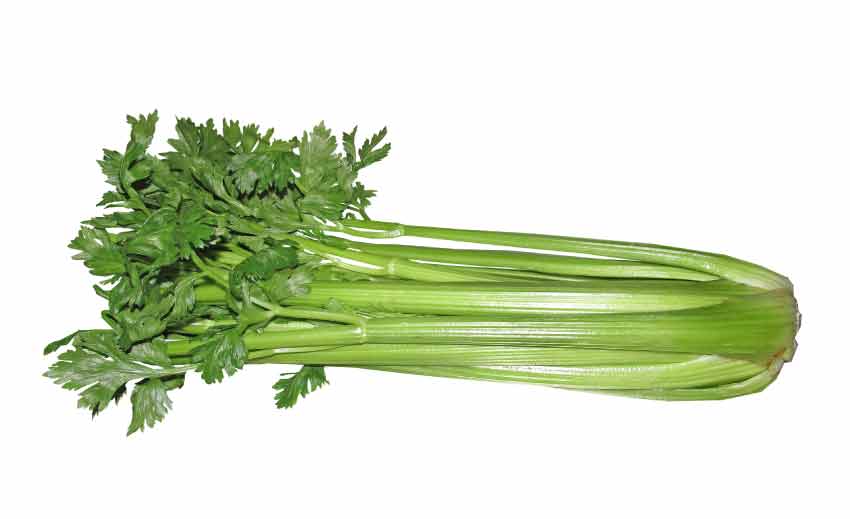
Another vegetable that rabbits can eat is celery. It contains vitamins and minerals and is a great source of fiber. Avoid giving your rabbit potatoes or mashed sweet potatoes, as these are difficult to digest. However, you can give your rabbit collard greens, which provide them with essential minerals and dietary fiber. Also, don’t give your rabbit corn on the cob. It can cause stomach pain and gas. You can also feed your rabbit watermelon, which is excellent for hydration during the summer months.

Although rabbits can eat vegetables and fruits, it’s best to introduce vegetables and fruit gradually. Changing your rabbit’s diet suddenly could upset his digestive system and lead to diarrhea and sickness.

Can Rabbits Eat Celery Leaves?

Can Rabbits Eat Celery Leaves? Also, the question about Can rabbits eat bok choy arises from another one as can rabbits eat celery leaves? Yes, but it should be cut into small pieces or shaved off completely. It contains fiber strings and can be a choking hazard. For best results, give your rabbit only celery leaves. If you can’t find the leaves in your grocery store, try looking for them at farmer’s markets. Even if you can’t find them, you can always grow them yourself, but if you want to be sure, don’t give them the whole plant!

If you do give your rabbit celery, cut it into half-inch pieces. It’s important to cut it into tiny pieces and introduce it slowly, keeping an eye on your rabbit’s reaction to it. If you notice an abnormal reaction from your rabbit, stop giving them celery until the symptoms clear up. This will ensure that your rabbit is not suffering from a serious condition.

As long as you don’t feed your bunny too much, celery is safe for your rabbit. Be sure to cut the celery stems off. This will prevent them from choking and also prevent them from going moldy. If you can’t find celery that doesn’t have any chemicals on it, don’t give it to your rabbit. It’s not harmful to your rabbit but it’s best to avoid it unless you are absolutely sure it’s completely safe for your bunny to eat.

Can Rabbits Eat Bananas?

Bananas are delicious treats for rabbits, and they’re safe to give them in moderation. Their sweet tooth makes them naturally attracted to sweet fruits and vegetables. In order to minimize the risk, make sure your pet is getting enough of the good stuff.

Bananas are high in sugar, and they’re difficult for rabbits to digest. The starch content in bananas can also create physical energy problems. A better option is to feed your rabbit banana peels. It’s best to buy organic bananas for your pet actually rabbits are a Best Pets for Apartments. In addition, banana peels contain lower amounts of the sugar and starch that can harm rabbits.

Bananas Sugar Contain

Can Rabbits Eat Bananas?

The peels of bananas contain less sugar than the flesh of the fruit. But unripe bananas may contain more starch and may cause digestive issues for rabbits. Just make sure they’re pesticide and toxin-free. As Rabbits are Best Small Pets for Depression so be care about your pet. And don’t forget to consult with a veterinarian first. And remember, a few bananas a week will do your rabbit no harm.

Can Rabbits Eat Apples?

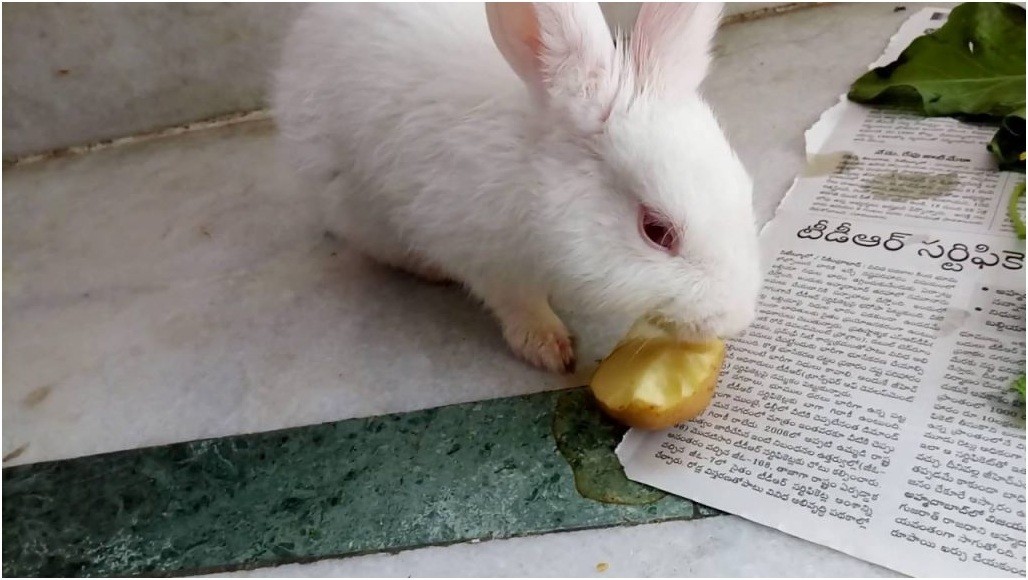
While a small number of apples can be nutritious for your pet rabbit, the seeds and cores can cause serious stomach upset and even illness. Although fresh apples are widely available in grocery stores, it is important to keep the amount of fruit you give your pet small. In addition to avoiding toxicity, apples should be given in moderation to avoid compromising their health. Rabbits are Low Maintenance Pets for Apartments so their health and nutrition are important for all member of apartments.

Apples contain mostly water-soluble fiber, making them ideal for rabbits. However, the seeds and stems are toxic to them. Before introducing fruit to your rabbit, you should ensure it has been thoroughly washed. Additionally, many apples are heavily sprayed with pesticides that can be harmful to your pet. Therefore, you should make sure that you only provide your pet with organic apples. This way, they’ll consume fewer chemicals.

If you’re planning to give your rabbit an apple, it’s important to keep in mind the amount of sugar and the amount of fiber. Furthermore, you should be aware of the acidity level of other fruits you give your rabbit. Everyone needs an Easy to Take Care of Pets with Small Low Maintenance. Ultimately, you’ll be able to determine which fruit is best for your rabbit.

can rabbits eat bananas

Can Rabbits Eat Broccoli?

However, you should avoid giving them any other ingredients from your kitchen because they are not safe for them. Especially aware about kids as the rabbits are best Pets for Kids and These Are the Good Pets. This is especially important for baby rabbits as their dietary requirements are much different from their parents. If you are worried that your pet will get sick from eating broccoli, make sure you give it a treat first.

Broccoli is a rich source of vitamin K for rabbits, and it has a variety of other health benefits. Although the concentration of vitamin K in broccoli is lower than the vitamin C and B in other vegetables, it contains more vitamin B than either of those two. Both vitamins contribute to the proper functioning of your rabbit’s digestive system, nerves, and immune system. It is also good for your rabbit’s skin, fur, and nails. Be ready your pet as Cuddly Exotic Pets.

Despite its health benefits, broccoli can cause gas in a rabbit’s stomach. As a result, it is best to start with a small portion of the vegetable and monitor the reaction carefully. In general, the vegetable is good for bunnies, but it is best to avoid too much. If your rabbit begins to have diarrhea, stop the experiment immediately and consult a vet to be sure. The right amount of broccoli can be extremely beneficial for your bunny.

Can Rabbits Eat Cucumbers?

Cucumbers can be a delicious and nutritious treat for your pet rabbit. If you are not sure whether they will like it or not, you can slice the cucumber and give it to your pet. It is best small pets for cuddling. You can also give cucumber flowers to your rabbit, but make sure they don’t have any hairs. If your rabbit adores the taste of cucumbers, you can give it to your pet.

It contains a good amount of beta-carotene, which helps your rabbit’s immunity, eye and skin, and prevents cancer. It is important to remember that even seeds can be poisonous to rabbits, but you should still feed your pet with cucumbers. If you choose to give your rabbit cucumbers, make sure to wash them thoroughly before giving them to your bunny.

While cucumbers can be a healthy snack for your rabbit, they may not be the best food choice for your pet. If you feed your rabbit too much of them, they will have digestive issues, runny stools, and poor appetite. Hence, it is important to check the label carefully before giving your rabbit any type of food.

can rabbits eat bananas

Can Rabbits Eat Blueberries?

When you are considering introducing a new fruit to your pet rabbit, you might be wondering, can bunnies eat blueberries? Fortunately, this is an easy and delicious treat that most will happily eat.

Unlike other fruits, blueberries are low in fiber and are safe for rabbits to eat occasionally. If you give your rabbit too many blueberries, it could lead to dental problems, weight gain, or a smelly enclosure. To prevent these problems, you should wash blueberries thoroughly and introduce them to them gradually. You should also mix the berry with vegetables to discourage your rabbit from picking through the food.

The first time you give your rabbit blueberries, it is important to watch your animal closely. The first few days of feeding your rabbit blueberries are critical, so be sure to follow their progress with monitoring. Your rabbit should be pooping regularly, which means they’re digesting the berry.

Can Rabbits Eat Spinach?

Rabbits are omnivores and can eat spinach leaves and stems as a source of nutrition. The plant contains calcium, oxalate and magnesium. The nutrients found in these foods are beneficial for humans. However, it is not recommended for everyday consumption by rabbits. They can only ingest raw spinach leaves and stems, and may not be able to digest cooked spinach. The cooked spinach will block their digestive tracts and may even cause death.

While spinach is generally safe to feed to your rabbit, make sure you don’t give it a daily serving. The oxalic acid found in this vegetable can bind with other minerals in their body and cause problems for your pet. These include itchy skin, bladder stones and kidney issues. The pesticides in conventional spinach can harm your animal’s digestive tract, so it’s best to avoid giving your rabbit this plant.

Spinach is low in oxalate, but it contains sufficient levels of fiber to support your rabbit’s digestive tract. When fed in large amounts, it can cause GI stasis, which can result in blockage and even death. The roots of spinach have higher levels of sugar than the stems. As a result, you should cut the roots before feeding spinach to your rabbit. If the stools are normal, you can feed it the full amount.

Can Rabbits Eat Sweet Potatoes?

If you’ve ever wondered whether or not you can feed your rabbit sweet potatoes, the answer is a resounding yes! This starchy, sugary vegetable is high in micronutrients and is an excellent source of beta-carotene, which is converted by the body into Vitamin A. Unlike other foods, sweet potatoes do not cause a negative reaction in your rabbit’s digestive system. In fact, they may actually be a good choice for a diet that’s lacking in other nutrients. However, there are several issues with feeding sweet potatoes to your rabbit.

While sweet potatoes are not harmful to rabbits, they’re not a healthy addition to a rabbit’s diet. Their starch and sugar content makes them a poor choice for small pets.

While sweet potatoes are not a bad idea for rabbits, you should keep their diet free of them if possible. They need plenty of fiber in their diet, and sweet potatoes don’t provide them with enough. It’s best to limit their intake to small amounts and use them sparingly. They’ll have a much higher intake of fiber when you’re feeding them sweet potatoes, so it’s best to feed them in moderation and not everyday.

Can Rabbits Eat Cabbage?

Fortunately, the answer is yes. Although this vegetable is not poisonous, it should be introduced slowly. It is not recommended to feed your rabbit more than one or two leaves per week, as this vegetable rots quickly. Your rabbit will become uncomfortable and will not eat or drink for several hours after ingesting it.

The first time you feed your rabbit cabbage, be sure to use a small leaf. The small size will prevent your rabbit from passing gas, and it will be easy to ensure your pet doesn’t get bloated or diarrhea. Adding more cabbage to your rabbit’s diet gradually should alleviate any gastrointestinal problems, but you should consult your veterinarian if you notice any unusual symptoms. After several days, your rabbit should be eating fresh cabbage without any negative effects.

When you first start introducing cabbage to your rabbit, you must keep in mind that different animals may react to it differently. If your rabbit has never eaten cabbage before, it may experience indigestion almost immediately. If your rabbit seems sluggish and has runny poop, it’s time to start reducing the amount of cabbage your bunny eats. As the food is high in sugar and fiber, you should avoid introducing it to your rabbit at an early age.

Can Rabbits Eat Asparagus?

Asparagus is mostly composed of protein, but it also contains a small amount of fat. It contains 3.9 grams of carbohydrates, 1.9 grams of which are sugar, and 2.1 grams of fiber. It is also low in sodium.

When feeding asparagus to rabbits, you must make sure to keep a close eye on their digestion. Unlike humans, rabbits may not be able to digest it well, and so they should be introduced to it slowly. If your pet’s stomach is upset after the first few feedings, you should stop giving it to it until it recovers.

Asparagus is a member of the onion family, so it should be safe for your pet to eat. Asparagus has high water content and is therefore considered a laxative and diuretic.

Can Rabbits Eat Carrots?

Can rabbits eat carrots? The answer is no. In a recent study, the RSPCA found that 11% of all dogs and cats suffered from tooth decay. Although a rabbit might not show signs of pain, it will still cause immense pain and may even lead to their death. Hence, you must never feed your pet a carrot on a regular basis.

Carrots are rich in several nutrients and can be fed to your rabbit without any problem. However, you need to monitor your rabbit’s intake closely to avoid over-feeding.. They are especially high in vitamin A, B6, C and E. They are also high in dietary fiber and sugar.

When feeding carrots to your rabbit, make sure you don’t overfeed them. You’ll want your rabbit to be satisfied with a small amount every couple of days, and you don’t want to feed them too much on a day when you’re giving them other treats. While carrots are high in fibre and Vitamin A, too much sugar or starch can upset the digestive system of a rabbit. You should try to vary the amounts that you give them.

What About Other Grazing Animals?

Vegetable safety questions aren’t unique to rabbits. Larger grazing animals face similar gray-zone questions, and this guide on whether horses can eat asparagus covers a comparable case: a vegetable that’s not clearly toxic but carries its own species-specific risks, in that case a choking hazard rather than a digestive one.

Can Rabbits Eat Bok Choy?

Can Rabbits Eat Bok Choy?

Quick Answer: Yes, rabbits can eat bok choy in moderation, as it’s a safe, nutrient-rich leafy green, but like other vegetables it should be introduced gradually and fed alongside, not instead of, a hay-based diet.

Key Takeaways

  • Bok choy is safe and nutritious for rabbits in moderate amounts.
  • Introduce gradually to check for digestive tolerance.
  • Wash thoroughly to remove pesticide residue.
  • Hay should remain the primary component of the diet regardless of vegetable variety.
  • Rotate different leafy greens for balanced nutrition rather than feeding the same one daily.

Why Trust This Guide?

This guide is researched and written by the Pets Store Home editorial team, drawing on general veterinary and animal-care information. It’s intended as general information; consult your vet for advice specific to your pet.

How to Keep Your Rabbit Safe and Healthy

Can rabbits eat bok choy

Can rabbits eat bok choy? Before know that we have to know about rabbits its nature, habituate etc. As a pet it needs to care about food.  Rabbits are small mammals also a variety of cool pets. They belong to the family Leporidae and the order Lagomorphs. The European species is Oryctolagus cuniculus, as are its descendants. There are 305 different breeds of domesticated rabbit around the world. Someone thimks it is exotic pets. The most common species is the striped rabbit, or white rabbit. However, there are other species of rabbit that look like a cross between a lop and a quail.

These ears are very sensitive to temperature, so if you pick up a rabbit, you risk causing an accident. If the food is not digested properly, the animal will vomit, which can lead to serious consequences. Can rabbits eat bok choy? It is important that you keep the food out of reach of the animal at all times. If a rabbit eats too much of something, it will die.

While you are away, your rabbit will be with you. If you have other pets, your rabbit will still have a companion. If you leave your pet alone, you can put your hands to work cleaning up messes while you’re away. A healthy, happy rabbit will be happy with the company of other pets and not be a nuisance in your home. Also it is a Low Maintenance Pets for Apartments.

Rabbits

cThe Nature and Habit of Rabbits

Can rabbits eat bok choy

The Nature & Habit of Rabbits has much to do with their habitat.  These creatures live in woodlands, and in winter, they are not active, as a result, they are not likely to be active during this time. May be a question comes as Can rabbits eat bok choy?  However, rabbits can survive throughout the winter by adapting their behavior to the different seasons. If you’ve ever wondered about the habits of a rabbit, this article will give you an idea of their daily routines. You can get a guide about your cool pets to have in your room.

Rabbits are small, grazing animals. They also have longer ears than hares, with black colored tips. Their ears are also longer than a rabbit’s, and their newborns are furry. They spend their days eating weeds and clover, and in warmer months, they feed on flowers, can rabbits eat bok choy,  vegetables, and conifer needles and can rabbits eat bok choy. They also have a black button nose.

Rabbits communicate by smell. They also use urine to communicate through chemical signals. When they are threatened, they freeze up and engage in rapid, irregular movement. Their long hind limbs and strong pelvic girdle enable them to reach speeds of up to 80 km per hour.

Their habits depend on their habitat. Most rabbits live in burrows that are primarily underground and can rabbits eat bok choy. Others live in open fields and have nests in the open fields. They eat forbs and grasses and live in many environments. The nature and habit of rabbits can be varied and fascinating.

can rabbits eat bok choy

The Evolutionary History of Rabbits and Their Close Relationship with Humans

Can rabbits eat bok choy

A new study has explored the evolutionary history of rabbits and their close relationship with humans. Using a multi-faceted approach, the researchers examined DNA and fossil evidence, along with historical documents and archaeological remains to uncover the species’ true genetic make-up and can rabbits eat bok choy. The results indicate that the myth about the origins of the bunny and its connection to humans is based on a simple misinterpretation, and provide evidence for the concept of human-wildlife interactions.

Rabbits were first cultivated in the second century BC, in Spain. Romans introduced them to Britain and used them for food. Later, the middle Ages saw rabbits bred to become larger and fatter for meat and Can rabbits eat bok choy. The industrial revolution sparked a new era in rabbit breeding. The evolution of the animal was facilitated by this new demand. By the 19th century, the first domesticated animals were bred and sold as pets.

The European rabbit originated in the Iberian Peninsula, about half a million years ago. They spread around the Mediterranean and beyond, and were first introduced by Phoenician traders. Then, the Roman Empire brought them to England and continued to spread. They were widely used as game animals, and were not domesticated until the nineteenth century. Can rabbits eat bok choy? To understand how domestication occurred, it is important to look at the different species of rabbit. Then you should confirm about it foods as can rabbits eat bok choy or others.

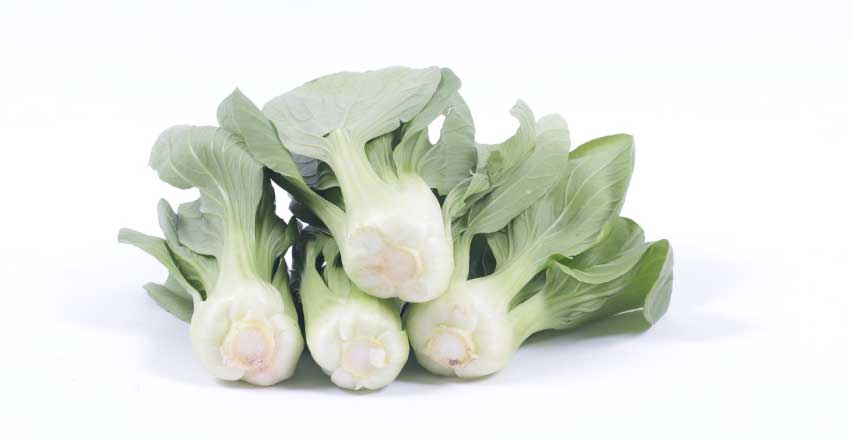
Bok choy

Can rabbits eat bok choy?

Can rabbits eat bok choy, it is a very common question? Bok choy is a great food for rabbits. It’s not only healthy but also low in calories and high in fiber and water, which makes it easy for rabbits to digest. Can Rabbits eat bok choy raw, but if you’d like to cook it, steaming is a gentle way of cooking that will cause the least amount of damage to the nutrients.

Bok choy is generally safe for rabbits to eat, although they can experience digestive upset from bok choy if they eat too much of it. Thus, you need to give your rabbit bok choy in small quantities or as an occasional treat.

The Bok choy is one of the best vegetables to give your pet rabbit. Rabbits love the crunchy texture and bitter taste. If you’re looking for a great source of nutrients, bok choy can be an excellent choice for your pets.

Can Rabbits eat bok choy provides more than 150% of their daily vitamin A needs?

Can Rabbits eat bok choy the dark green leaves and the light-colored stalks? Perhaps the best benefit of bok choy is that it contains a high level of vitamin C and fiber, both of which are essential to a rabbit’s diet, but neither of which rabbits produce naturally. Hope this will meet about Can rabbits eat bok choy. 

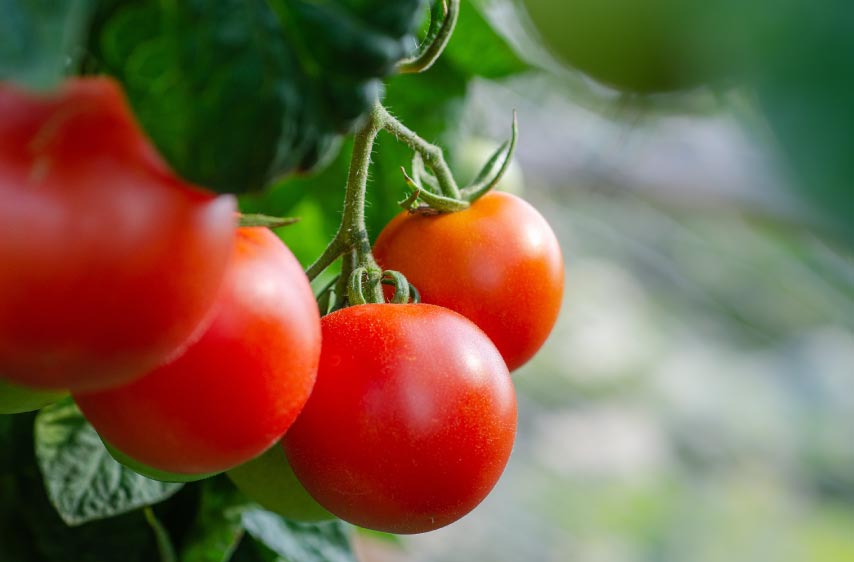
Tomatoes

Can Rabbits Eat Tomatoes?

In addition to being a natural herbivores, they also enjoy fruits and salad mix. Although the plant is not toxic to rabbits, you should always take appropriate precautions to prevent any negative consequences. To learn more about whether tomatoes are good for your rabbit, read on.

Tomatoes are good for rabbits, but the skin, stems, and leaves should never be given to your pet. Because tomatoes contain a lot of sugar, it is important to keep a strict limit on how many tomatoes you give your rabbit each week. Too much sugar can make your rabbit sick. Try to keep it to one cherry tomato a week and your rabbit will be fine. You can feed your pet as many as three cherry tomatoes a week, but not more.

It is best to keep your rabbit away from tomato plants until they are healthy. Depending on their health and lifestyle, you should limit their diet to one tomato a week. The leaves and stems can contain tomatine, a toxin that is toxic to animals. As a result, it is best to limit your rabbit’s exposure to tomatoes to a few.

Attention about Tomatoes

Tomatoes contain glycoalkaloids, which make them highly toxic. Tomatine is found in tomato fruit, but in smaller concentrations. Toxic concentrations of tomatine can affect humans and animals. A small amount of tomatine will not harm a rabbit. A few slices of tomato will make a big difference in the rabbit’s health. Remember to keep the serving sizes small and combine the tomato with other vegetables.

Most tomato varieties contain carotenoid substances and vitamins B, ascorbic acid, and folic acid. They also contain choline, which is a part of fetal tissue. Ingestion of tomato treats can cause diarrhea and other digestive problems. Fortunately, tomatoes can be very healthy for rabbits. But if you’re not sure whether to give them tomatoes, you can always give them smaller pieces of tomato slices and a smaller portion.

Tomatoes can cause stomach aches, diarrhea, and even constipation. They should be picked before they ripen, as they will not eat rotten tomatoes. In addition, rotten or overripe tomato leaves can be harmful to your rabbit’s health. You should make sure that tomatoes contain no leaves, stems, or seeds to avoid causing your pet any problems.

Strawberries

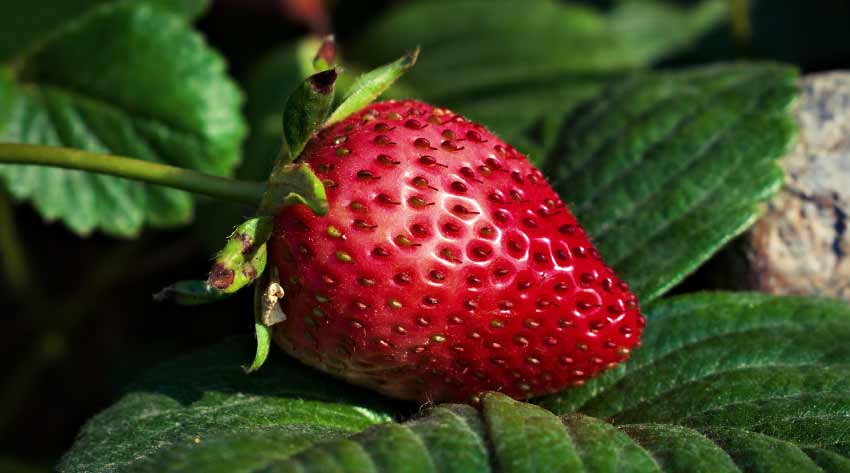
Can Rabbits Eat Strawberries?

As far as fruit goes, they can eat any vegetable or fruit. However, you should know that there are some things you need to do before introducing new food to your rabbit. It’s best to start off by giving them a small amount and monitor their reactions carefully. If you notice that your rabbit is having diarrhea, stop giving it the treat and visit your veterinarian. To clean your rabbit’s fur, you can use wet wipes. In addition, be sure to wash your strawberry thoroughly to remove any chemicals or dirt.

If you’re worried about pesticides and chemicals getting into your rabbit’s body, you can try giving them the stem and leaves of a strawberry plant instead. The leaves are also a safe treat for your rabbit. While these portions may not seem like much, they can be very tasty. To avoid any choking hazard, you should be sure to wash the plant thoroughly before you feed it to your rabbit.

Dry Strawberries

Another food you shouldn’t give your rabbit is dried strawberries. You should also keep in mind that your rabbit’s stomach is very sensitive, so dried fruit is not a good option. This is a great way to introduce new foods to your rabbit and make it happier.

You can feed your rabbit strawberries. You can give them the rinds of nectarines but it’s better if you only give them a portion of the fruit. Since they’re high in carbohydrates, it’s better to count it as a treat than a regular food. It’s okay to give your rabbit a small amount of these fruits. Remember that you don’t want your rabbit to get a stone in his mouth.

While strawberries are a healthy snack for rabbits, it’s not a good idea to give them a lot of them. Despite how tasty strawberries may be, they’re not good for your rabbit’s digestive system. It is important to avoid overfeeding. The best way to avoid giving your rabbit too much of any food is to give it in small amounts. During the first few days, you can introduce them to them gradually and offer them only a small piece of it.

They are also beneficial for their digestive system, as the sugar content of strawberries can lead to diarrhea. As a result, you’ll need to ensure that your rabbit doesn’t choke on the fruit. You must also give your rabbit plenty of water so that the water level stays constant.

Grapes

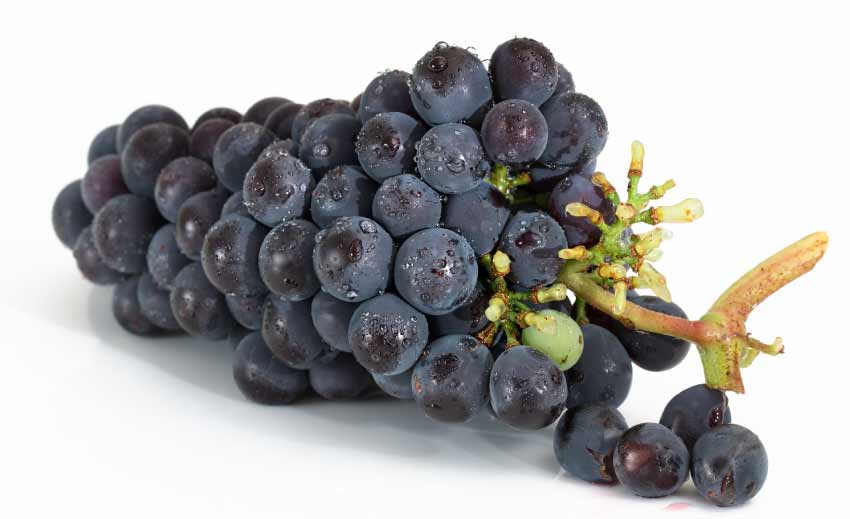
Can Rabbits Eat Grapes?

This common question is often asked by new pet owners. After all, they are small animals with delicate digestion systems. Fortunately, the answer is no. While grapes are a popular treat for humans, they are not recommended for consumption by rabbits. They contain too many calories and can lead to obesity and renal failure. Aside from these risks, grapes also pose a number of other problems for your pet. These digestive issues may include diarrhea, bloating, lethargy, and loss of appetite. You should monitor your pet closely to avoid causing any harm to your beloved companion.

As long as they are grown and untreated, your pet rabbit is safe to eat grapes. Ideally, you should limit grapes to a few pieces a week, and feed them no more than twice a week.

While it is okay to give your rabbit a handful of grapes occasionally, you should monitor their behavior and contact your veterinarian if they begin to have digestive problems. Remember that grapes are toxic for cats and dogs, but grapes are safe for rabbits. As with any food, the amount your rabbit can eat depends on its age, size, and breed. And if you’re not sure whether your pet can handle it, start by removing the skin and seeds.

Watermelon

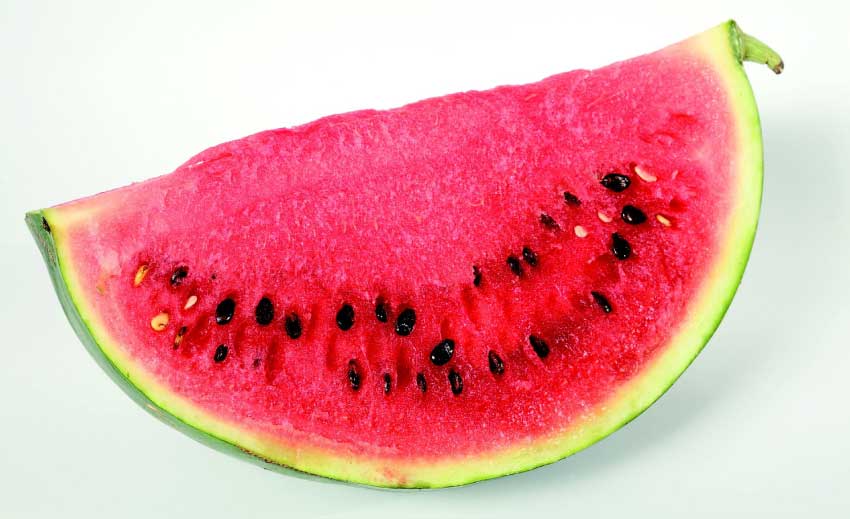
Can Rabbits Eat Watermelon?

The white part is sweet, while the green part is a nutrient-dense source of vitamin C. Aside from being tasty, watermelons are also good sources of fiber. They contain coralline, an amino acid that helps keep the rabbit’s system healthy.

When you feed a rabbit watermelon, be sure to watch for any health problems or choking risks. Symptoms of a previous watermelon meal include looser stools, a bad odor, or a bad digestive system. For the best results, try limiting your rabbit’s watermelon diet to a few pieces a week. If you find that your rabbit’s stools are loose and have poor digestion, avoid introducing them to your pet.

A watermelon contains around 30 calories per 100 grams and is great for hydration, but is high in sugar. This can cause diarrhea in your rabbit. The fruit does not contain much protein or fat, and your rabbit will need to eat plenty of hay in addition to the watermelon. A serving of watermelon is not a full meal, so it’s best to introduce your rabbit to a small amount of it once in a while.

Conclusion

So we got a clear concept about can rabbits eat bok choy or other foods like celery, tomatoes, strawberries, grapes and watermelon. During any food ingredient we should to know all the foods pros and cons, its nutrition and vitamin percentage. This will help your pet healthy and happy. So can rabbits eat bok choy is not a problem now to all. It is Best Small Pets for Depression