
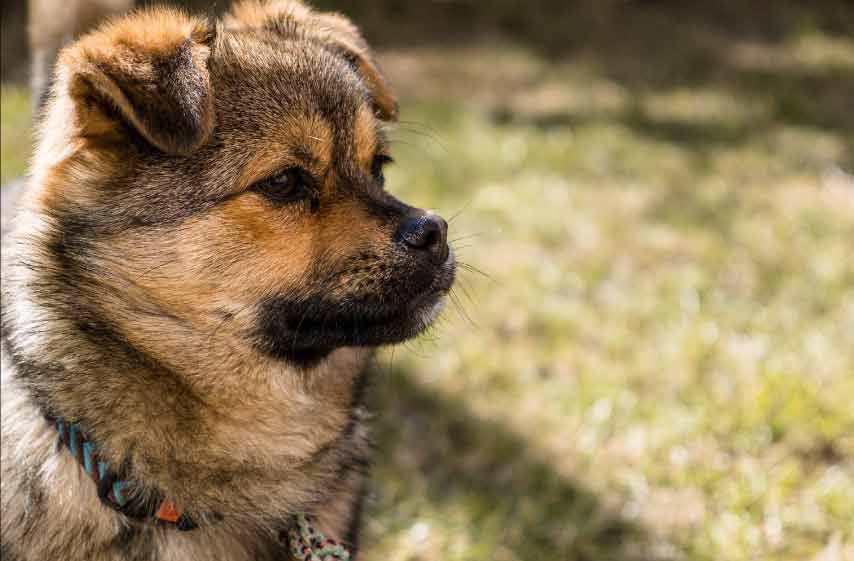
Blue Heeler German Shepherd Mix Puppies: Size, Temperament, Health and Care
What is a Blue Heeler German Shepherd mix? It is a cross between an Australian Cattle Dog (Blue Heeler) and a German Shepherd. Most are medium-to-large, high-energy herding dogs that are loyal, smart and wary of strangers. Expect a dog somewhere between the parents in size, needing daily exercise, training and health-tested parents.
A Blue Heeler German Shepherd mix brings together two working breeds: a tough cattle herder from Australia and a versatile guardian from Germany. The result can be a brilliant partner for an active owner, or a handful for a quiet home. This guide covers what Blue Heeler German Shepherd mix puppies grow into, their temperament, health risks from both parents, and how to find a healthy puppy.
Key takeaways
- The mix is a cross of an Australian Cattle Dog and a German Shepherd, not a recognized breed.
- Parent sizes range from 35–50 lb (Cattle Dog) to 50–90 lb (German Shepherd), so adult size varies widely.
- Both parents are herding breeds; expect high energy, chasing and possible nipping.
- In one study, 10.8% of 899 Australian Cattle Dogs were deaf in one or both ears.
- German Shepherds are prone to hip and elbow dysplasia, degenerative myelopathy and bloat.
- Ask for hearing, eye, hip and elbow results on both parents before you buy.
In this guide
What Is a Blue Heeler German Shepherd Mix?
The Blue Heeler is the common name for a blue-coated Australian Cattle Dog. According to Chewy’s vet-reviewed breed profile, the breed was developed in Australia to herd cattle across rough country and was recognized by the American Kennel Club in 1980. The German Shepherd was bred as a herding and working dog and is now known for police, service and family roles.
Cross the two and you get a Blue Heeler German Shepherd mix, sometimes called a German Shepherd heeler mix. Because it is a crossbreed, no breed standard sets its looks or size. Puppies in the same litter can favor either parent, so it helps to know both breeds well.
| Trait | Australian Cattle Dog | German Shepherd |
|---|---|---|
| Height | 17–20 in | 22–26 in |
| Weight | 35–50 lb | 50–90 lb |
| Life expectancy | 12–16 years | 12–14 years (Chewy); median 10.3 years in a UK study |
| Coat | Short double coat, blue or red | Heavy double coat, sheds a lot |
| Temperament | Loyal, independent, can be aloof with strangers | Brave, loyal, devoted to family |
Sources: Chewy breed profiles (medically reviewed by Barri Morrison, DVM) and O’Neill et al. (2017), VetCompass. Lifespan estimates differ between sources.

Blue Heeler German Shepherd Mix Size and Full-Grown Weight
No study has measured this crossbreed, so the best guide is the parents. Using Chewy’s figures, a full grown dog of this cross will most likely fall somewhere between 17 and 26 inches tall and 35 to 90 pounds. Many are likely to land in the middle, as a medium-to-large dog, but a puppy that takes after the German Shepherd side can grow much bigger.
| Measure | Likely range for the mix | How we estimated it |
|---|---|---|
| Height | About 17–26 in | Spans both parents’ ranges |
| Weight | About 35–90 lb | Spans both parents’ ranges |
| Build | Muscular, athletic | Both are working breeds |
| Coat | Short-to-medium double coat | Both parents have double coats |
Estimates only. Your puppy’s adult size depends on its parents. Ask the breeder or shelter for the parents’ weights.
Coat color varies too. Puppies may show the Heeler’s blue or red speckling, the Shepherd’s black-and-tan saddle, or a blend. Both parents carry a double coat, and Chewy notes the German Shepherd sheds heavily, especially in spring and fall, so plan on regular brushing and dog hair on your furniture.
Keep your adult dog lean. Chewy notes that hip dysplasia, a risk from both parents, can worsen with excess weight. Our guide on how to help your dog lose weight explains how to check body condition at home.
Blue Heeler German Shepherd Mix Temperament
Expect a smart, loyal and busy dog. Chewy describes the Australian Cattle Dog as adventurous, intelligent and independent, and sometimes aloof with strangers. It describes the German Shepherd as brave, loyal and devoted to its family. Given those traits, expect a dog that may bond closely with one person or household and stay watchful around visitors.
Herding instincts: chasing and nipping
Both parents are herding breeds. The Oregon Humane Society warns that, without livestock to work, herding dogs may try to herd children, other pets, bikes or cars, sometimes with nips. This usually reflects instinct rather than aggression, but it needs early training and clear outlets.
Kids, other dogs and cats
Chewy says Australian Cattle Dogs usually do well with kids and other dogs when well socialized, but herding drive may make them a poor match for cats. With young children, supervise play and teach kids not to run shrieking around the dog, which may set off herding. A well-trained adult dog can be a calm, protective family companion.
Blue Heeler German Shepherd Mix Health and Lifespan
Crossbreeds are not guaranteed to be healthier. This mix can inherit conditions from either side, so the health of the parents matters most. Here are the main risks the sources link to each breed.
| Condition | From which parent | What to ask for |
|---|---|---|
| Congenital deafness | Australian Cattle Dog | BAER hearing test on parents and puppy |
| Progressive retinal atrophy (PRA) | Australian Cattle Dog | Eye exam and DNA test results |
| Hip dysplasia | Both | Hip X-ray scores on both parents |
| Elbow dysplasia | German Shepherd | Elbow X-ray scores |
| Degenerative myelopathy | German Shepherd | DNA test results |
| Bloat (GDV) | German Shepherd | Know the signs; ask your vet about prevention |
| Allergies, epilepsy, EPI | German Shepherd | Family health history |
Conditions listed in Chewy’s vet-reviewed breed profiles. Health tests are those commonly used for these breeds; your vet can advise on others.
Deafness in the Heeler side
Deafness is a real risk from the Cattle Dog parent. A 2012 study in BMC Veterinary Research hearing-tested 899 Australian Cattle Dogs. It found 10.8% were deaf: 7.5% in one ear and 3.3% in both. Dogs with dark masks on both sides of the face had lower odds of deafness, and females had higher odds. A puppy deaf in one ear may seem normal, so only a BAER test can confirm hearing.
Joint and spine risks from the Shepherd side
A large UK study of 12,146 German Shepherds by the Royal Veterinary College’s VetCompass programme found the most common causes of death were musculoskeletal disorders (16.3%) and inability to stand (14.9%). Common problems included ear infections, arthritis, diarrhea, being overweight and aggression. Hip-scored parents and a lean body weight may help protect your dog’s joints.
How long does the mix live?
There is no lifespan data for the cross itself. Chewy lists 12–16 years for the Australian Cattle Dog and 12–14 years for the German Shepherd. VetCompass, however, found a median lifespan of 10.3 years for German Shepherds in UK vet records. Our rough estimate for the mix is about 10 to 15 years, depending on genetics, weight and care.
Training and Exercise for a Blue Heeler German Shepherd Mix
This is not a couch dog. Chewy recommends up to two hours of exercise a day for Australian Cattle Dogs, plus mental work such as puzzle toys. Oregon Humane suggests dog sports like agility, flyball, nose work and Treibball, a herding game with large balls, to channel herding drive.
- Start socializing early: Penn State Extension says the key socialization window runs from about 3 weeks to roughly 12–14 weeks of age.
- Use reward-based training: Short, upbeat sessions suit smart dogs that bore easily.
- Teach a reliable recall and “leave it”: These help control chasing.
- Redirect nipping: Swap heels for a tug toy, and reward calm behavior.
- Give the brain a job: Food puzzles, scent games and trick training help tire this mix out alongside physical exercise.
Penn State Extension also advises socializing young puppies in controlled settings, with fully vaccinated adult dogs, and avoiding high-traffic places such as dog parks.
Finding Blue Heeler German Shepherd Mix Puppies
Because this is a crossbreed, there is no major breed club or breed standard for it. You will find Blue Heeler German Shepherd mix puppies through shelters, rescues and individual breeders. Prices vary widely by region and breeder, and we could not find reliable price data, so compare several sources and remember that adoption fees are often lower than breeder prices.
Whichever route you choose, ask to see health results for both parents and meet at least the mother. The Federal Trade Commission warns that pet scams are common online. Be wary of sellers who refuse video calls, demand payment by wire transfer, gift cards or payment apps, or add surprise shipping fees.
Not sure what your rescue puppy is? A DNA test can confirm the mix. See our guide to dog DNA test kits. Exploring other shepherd crosses? Compare the Irish Wolfhound German Shepherd mix, or read about the White German Shepherd. For a smaller heeler cross, see Blue Heeler and Corgi mix puppies.
Pet Care Tip: Ask the breeder or shelter for the puppy’s BAER hearing test result. Hearing loss in one ear is easy to miss at home, and the test can be done on young puppies.
When to call a vet right away: Get emergency care if your dog has a swollen or hard belly, retches without bringing anything up, drools heavily or seems restless after eating. These can be signs of bloat, which needs urgent treatment. Also call promptly for sudden lameness, trouble standing or hind leg weakness. If your vet is closed, go to a 24/7 emergency animal hospital.
7 questions to ask a breeder or shelter
- Can I meet the mother, and ideally the father?
- Have the parents had hip and elbow X-rays scored?
- Has the puppy had a BAER hearing test?
- Do you have eye exam or PRA DNA results?
- Has the German Shepherd parent been DNA-tested for degenerative myelopathy?
- What vaccinations and deworming has the puppy had?
- Will you take the dog back if it does not work out?
Example Scenario (illustrative)
Marcus in Boise adopts a 12-week-old heeler-shepherd puppy from a rescue. When the puppy starts nipping his kids’ ankles during play, he books a puppy class, adds two short training sessions a day and gives her a tug toy to redirect the urge. Within a few weeks, the nipping fades.
| Myth | Fact |
|---|---|
| “Mixed breeds have no health problems.” | Mixes can inherit conditions from either parent. |
| “Nipping means the dog is aggressive.” | Herding dogs often nip from instinct; training can redirect it. |
| “A big yard replaces walks.” | This mix needs structured exercise and mental work daily. |
| “All puppies in a litter look alike.” | Littermates can differ in size, coat and temperament. |
What most owners get wrong
Many people choose this mix for its looks and loyalty, then underestimate its energy. A bored working dog may chew, bark or herd the family. Plan daily exercise, training and brain games before the puppy comes home.
Blue Heeler German Shepherd Mix FAQs
How big does a Blue Heeler German Shepherd mix get?
Based on the parent breeds, most adults fall between about 17 and 26 inches tall and 35 to 90 pounds, with many likely to land in the middle.
Is a Blue Heeler German Shepherd mix a good family dog?
It can be, with an active family, early socialization and training. Supervise young children because of herding and nipping instincts.
How long do Blue Heeler German Shepherd mixes live?
No study covers the mix. Our estimate from parent data is about 10 to 15 years, depending on genetics, weight and care.
Does this heeler shepherd mix shed a lot?
Yes. Both parents have double coats, and German Shepherds shed heavily, especially in spring and fall.
How much exercise does this mix need?
Plan for a lot. Chewy recommends up to two hours a day for Australian Cattle Dogs, plus mental work.
Are Blue Heeler German Shepherd mix puppies prone to deafness?
They can be, from the Cattle Dog side. A BAER hearing test is the only way to confirm a puppy’s hearing.
Is a Blue Heeler mix good with cats?
Not always. Herding drive may lead the dog to chase cats, so slow introductions and supervision are important.
Final Verdict: Is a Blue Heeler German Shepherd Mix Right for You?
A Blue Heeler German Shepherd mix suits active owners who want a loyal, clever working partner and have time for daily exercise and training. Choose health-tested parents, socialize early and keep your dog lean. For a home with little time for exercise, a calmer breed may be a better fit.
Your next steps
- Check local shelters and rescues for heeler and shepherd mixes.
- Use the 7 questions above with any breeder or shelter.
- Book a puppy class and your first vet visit before bringing your puppy home.
Share photos of your dog on our Pets Store Home Facebook page, and browse more breed guides in our Dogs section.
About the author: Written and reviewed by the Pets Store Home Editorial Team, pet owners who check every guide against trusted sources.
How we checked this guide: Breed sizes, lifespans and health risks come from Chewy’s breed profiles, medically reviewed by Barri Morrison, DVM. Deafness data comes from a 2012 study in BMC Veterinary Research, and German Shepherd disorder data from the RVC’s VetCompass. Behavior and training advice draws on the Oregon Humane Society and Penn State Extension.
No study covers this crossbreed directly, so size and lifespan figures are estimates based on the parents. This guide was fully rewritten in October 2026, and we review it every 12 months.
Last reviewed: October 2026.
Sources (accessed October 29, 2026)
- Chewy: Australian Cattle Dog Breed Profile (reviewed by Barri Morrison, DVM)
- Chewy: German Shepherd Breed Profile (reviewed by Barri Morrison, DVM)
- BMC Veterinary Research (2012): Congenital Deafness in Australian Cattle Dogs
- RVC VetCompass: Demography and Disorders of German Shepherd Dogs in the UK (2017)
- Oregon Humane Society: Herding Breeds, Joys and Challenges
- Penn State Extension: Importance of Socialization in Puppy Raising
- Federal Trade Commission: Getting a Pet? Avoid Scams
[…] Which foreign pets are legal in Washington State? […]