
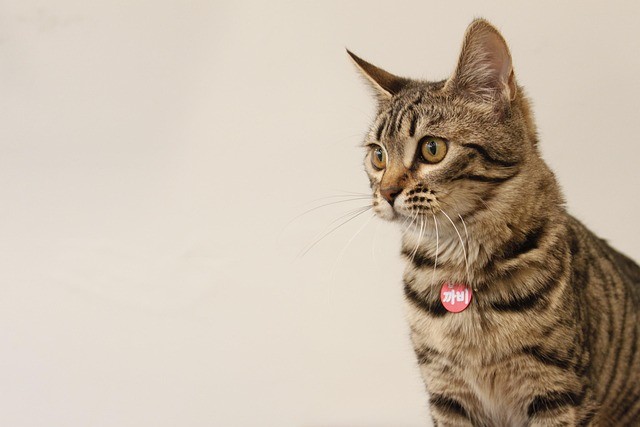
Bengal cats are one of the most visually striking domestic breeds, with a coat pattern borrowed from their wild Asian leopard cat ancestry, but the behaviour that comes with that heritage is just as distinctive as the looks. Prospective and new Bengal owners are often surprised by how much energy, intelligence, and sheer determination lives inside this breed, and owners who go in expecting a typical lap cat are frequently caught off guard by a cat that opens cupboards, turns on taps, and treats a quiet evening as a personal challenge to solve.
This guide covers what actually drives typical Bengal behaviour, which traits are simply “Bengal being Bengal” versus signs of a genuine problem, and practical, breed-specific strategies for living happily with one of the most demanding, rewarding cat breeds around.
Quick Answer: Bengal cats are typically high-energy, highly intelligent, vocal, and strongly food- and water-motivated, traits inherited from their wild ancestry that show up as constant activity, a need for daily interactive play, a tendency toward mischief when under-stimulated, and often a genuine fascination with running water. Most “problem” Bengal behaviour resolves with sufficient physical exercise, mental enrichment, and a secure environment that gives the cat appropriate outlets, rather than needing correction.
Key Takeaways
- Bengals carry a portion of wild Asian leopard cat ancestry, which shapes a temperament that’s notably more active, vocal, and food-driven than many other domestic breeds.
- Under-stimulation, not “bad” temperament, is the root cause of most disruptive Bengal behaviour, including counter-surfing, destructive play, and excessive vocalisation.
- Bengals are unusually prone to water fascination, often playing in or drinking from running taps, which is normal breed behaviour rather than a quirk to correct.
- This breed generally needs significantly more daily physical and mental engagement than an average domestic cat to stay calm and content.
- Bengals bond closely with their people and can struggle with long stretches of being left alone without enrichment, sometimes showing behaviour that looks similar to separation-related distress in dogs.
Why Trust This Guide?
This guide is written and researched by the Pets Store Home editorial team. We cross-check our breed and behaviour guidance against established veterinary and feline behaviour sources, and this article is reviewed periodically to keep it accurate and current. It’s intended as general information about typical Bengal temperament; individual cats vary, and any sudden or severe behaviour change should always be evaluated by a veterinarian to rule out an underlying medical cause.
Where Bengal Temperament Comes From
Bengal cats were developed by crossing domestic cats with the Asian leopard cat, a small wild feline, and while modern pedigree Bengals (particularly those several generations removed from that wild ancestor) are fully domesticated companions, the breed retains a noticeably higher baseline of activity, curiosity, and predatory drive than many other domestic breeds. This isn’t a flaw or a training failure, it’s simply the temperament the breed was selectively developed to have, and understanding this from the outset makes it much easier to set realistic expectations and build a home environment that actually suits the cat in front of you.
The Energy Level Owners Aren’t Always Prepared For
New Bengal owners consistently underestimate just how much activity this breed needs, and a Bengal that isn’t getting enough physical outlet tends to create their own entertainment, which often looks like knocking things off shelves, sprinting through the house at speed (sometimes called “the zoomies”), or persistently pestering other pets or people for engagement. Two or more dedicated, active play sessions a day, ideally using a wand toy that lets the cat fully engage their stalk-chase-pounce sequence, is a realistic baseline for most Bengals, and many do best with even more. Puzzle feeders, cat trees with real height and climbing opportunity, and rotating novel toys all help fill the gaps between active play sessions.
Intelligence and the Need for Mental Stimulation
Bengals are widely considered one of the more intelligent domestic cat breeds, and that intelligence needs an outlet just as much as their physical energy does. A bored, understimulated Bengal is a genuinely resourceful problem-solver, capable of learning to open cupboard doors, unlatch cabinets, or figure out how to reach counter-top food with impressive persistence. Rather than treating this as defiance, it’s more accurate and more useful to treat it as a clear signal that the cat needs more structured mental engagement: food puzzles, training sessions (many Bengals take very well to clicker training and can learn an impressive range of cues and tricks), and rotating access to novel toys and environments all help satisfy this need constructively.
Vocalisation: A Genuinely Chatty Breed
Bengals are known for being unusually vocal compared to many other breeds, often using a distinctive, sometimes chirping or trilling voice to communicate everything from greetings to demands for attention, food, or play. This is normal breed behaviour rather than a sign of distress in most cases, though excessive or new vocalisation, particularly if it’s paired with other behaviour changes, is still worth mentioning to a vet to rule out a medical cause. Owners who want a quieter household should factor this trait in seriously before choosing the breed, since it isn’t something training typically eliminates.
The Bengal Fascination With Water
A strikingly common trait in this breed is a genuine fascination with water that goes well beyond typical cat curiosity: many Bengals will paw at running taps, play in sinks or shower trays, dip toys or paws into water bowls, or even attempt to join a bath or shower. The exact reason isn’t fully settled, but it’s widely reported as a breed trait linked to their wild ancestry and hunting instincts around moving water. Rather than fighting this tendency, many owners find it easier to provide an appropriate outlet, such as a cat water fountain, which also has the practical benefit of encouraging better hydration in a breed that, like most cats, benefits from increased water intake.
Hunting Instinct and Predatory Play
Bengals tend to have a stronger-than-average predatory drive, which shows up as intense focus during play, a strong preference for toys that move unpredictably like prey, and sometimes a tendency to “hunt” household items, moving shadows, or even ankles if that drive isn’t given a more appropriate outlet. Interactive wand play that lets the cat complete a full hunting sequence, stalk, chase, pounce, and catch, followed by a small food reward to mimic a successful hunt, tends to satisfy this need far more effectively than toys the cat plays with alone.
Social Bonding and Attachment to People
Despite their wild-cat ancestry, well-socialised Bengals are typically deeply bonded to their households and often follow their favourite person from room to room, seek out physical closeness on their own terms, and can show real distress at long periods of isolation. This strong attachment means Bengals often don’t do well as a cat left alone for very long stretches without any enrichment, and some individuals show behaviour that resembles separation-related distress in dogs, including excessive vocalisation, destructive behaviour, or reduced appetite when left alone extensively.
Bengals and Other Pets
With proper introductions, Bengals often do well in multi-pet households and can form strong bonds with other cats or even dogs, particularly if raised together or introduced gradually and positively. Their high prey drive does mean caution is warranted around small pets like birds, rodents, or reptiles, since a Bengal’s hunting instinct is genuinely strong and not something to assume will simply switch off around a smaller housemate. Supervised, gradual introductions and permanent physical separation from small prey-type pets are both sensible precautions specific to this breed’s temperament.
Common “Problem” Behaviours and What’s Actually Going On
Counter-surfing, opening cupboards, knocking objects off surfaces, and persistent nighttime activity are among the most commonly reported Bengal “problems,” and in the vast majority of cases these trace back to insufficient physical exercise, insufficient mental stimulation, or both, rather than a temperament flaw. Addressing the root cause, more structured play, more environmental enrichment, and a more predictable daily routine that includes dedicated activity time, resolves most of these behaviours far more effectively and humanely than attempting to punish or suppress them directly.
Building an Enriching Home for a Bengal
Vertical space is particularly important for this breed, since Bengals are strong, confident climbers and jumpers who genuinely benefit from tall cat trees, wall-mounted shelves, and safe access to elevated vantage points throughout the home. Window perches that offer an engaging view, rotating toy selections to prevent boredom with any single item, and safe, supervised access to a securely enclosed outdoor space (sometimes called a “catio”) if available, all contribute meaningfully to a Bengal’s overall wellbeing and can noticeably reduce problem behaviour driven by boredom.
Step-by-Step: Setting Up a Bengal for Success
Step 1: Commit to genuinely active daily play. Plan for at least two structured, high-energy wand-toy sessions a day, each ending with a “catch” and small reward to satisfy the full hunting sequence.
Step 2: Build real vertical and exploratory space. Invest in a tall cat tree or shelving system, since ground-level space alone rarely satisfies a breed this active and climbing-oriented.
Step 3: Add daily mental challenges. Rotate puzzle feeders, introduce short training sessions, and vary toy selection regularly to keep a highly intelligent cat genuinely engaged.
Step 4: Provide an appropriate water outlet. A cat water fountain or supervised access to a safe water source can satisfy this breed’s notable water fascination constructively.
Step 5: Cat-proof cupboards and counters proactively. Use childproof latches on cupboards containing anything unsafe, and keep counters clear of items a resourceful, food-motivated cat might be tempted to investigate.
Step 6: Avoid leaving a Bengal under-stimulated for long stretches. If long workdays are unavoidable, consider a second cat companion (introduced properly), automated puzzle feeders, or a trusted midday visitor to break up long periods alone.
When to Be Concerned Rather Than Simply Accommodating
While most Bengal quirks are simply breed temperament, certain changes still warrant a veterinary visit rather than being assumed to be “just Bengal energy”: a sudden increase or decrease in activity level, new aggression that wasn’t previously present, a marked change in appetite or water intake beyond the breed’s usual water fascination, or any new house-soiling issue. Because Bengals are generally such an active, food-driven, food-motivated breed, a noticeable drop in either of those baseline traits is often a more reliable early signal of a health issue than it might be in a lower-energy breed.
Bengals and Litter Box Preferences
Some Bengals show particular pickiness about litter box setup, and their generally higher activity level and confidence mean they’re also more prone to knocking litter out of a box that’s too small or too enclosed for their liking. A roomy, uncovered box with a fine, unscented litter, kept scrupulously clean given how much time this breed tends to spend actively investigating their environment, tends to work well, and multiple boxes are worth considering in multi-cat Bengal households given the breed’s generally assertive, exploratory nature.
Are Bengals a Good Fit for Every Household?
Bengals genuinely thrive with owners who can commit to their exercise and enrichment needs, enjoy an interactive, engaged relationship with their cat, and aren’t looking for a low-maintenance, purely independent companion. Households with very limited time for daily interactive play, a strong preference for a quiet home, or vulnerable small pets like birds or rodents should think carefully before choosing this breed, since these are genuine, well-documented mismatches rather than problems that training alone reliably resolves. Spending time with adult Bengals, ideally through a reputable breeder or Bengal-specific rescue, before committing can give a much clearer sense of whether the breed’s real temperament, not just its striking appearance, suits a particular household.
Training a Bengal: More Possible Than Most Owners Expect
Thanks to their intelligence and strong motivation for food and engagement, Bengals are genuinely one of the more trainable cat breeds, and many owners successfully teach cues, tricks, harness walking, and even agility-style games using reward-based, clicker-style training. Short, frequent sessions work better than long ones, and because this breed responds so well to structured engagement, training itself becomes a valuable enrichment tool in its own right, not just a way to teach specific behaviours.
Kittens vs. Adult Bengals: Behaviour Differences
Bengal kittens are typically even more intensely energetic and mouthier during play than adult cats, and this period, often lasting into the second year, can be genuinely demanding for owners who aren’t prepared for it. Providing consistent, appropriate outlets for that energy and never using hands as play toys (to avoid reinforcing biting) during this stage sets a much better long-term pattern. Most Bengals do mellow somewhat with age, typically settling into a calmer, though still active, adult temperament by two to four years old, though individual variation is considerable and some adult Bengals remain notably high-energy throughout their lives.
Handling Change: Moves, Routine Shifts, and New Environments
Bengals tend to be confident, curious cats overall, but their strong attachment to routine and to their people means significant environmental changes, such as moving house, renovation work, or a new household member, can still trigger a temporary uptick in vocalisation, clinginess, or restless behaviour. Keeping core routines like feeding times and play sessions consistent through a transition, and giving a Bengal supervised access to explore a new environment at their own pace rather than restricting them to one room for too long, tends to ease the adjustment faster than it might for a lower-activity breed that’s naturally more content to wait things out.
Grooming Time as a Bonding and Enrichment Opportunity
Bengals have a short, dense, low-maintenance coat that generally needs only light, occasional brushing, but many owners find that grooming sessions double as valuable one-on-one bonding time for a breed that craves engaged interaction. Because Bengals are typically food-motivated and responsive to positive reinforcement, pairing grooming, nail trims, and other handling with treats and calm praise from a young age tends to produce a cat who tolerates, and sometimes actively enjoys, routine care handling far more readily than one introduced to it later or without positive association.
Related Reading
- How to Stop a Cat From Scratching Furniture
- Redirected Aggression in Cats: Why It Happens and How to Stop It
Frequently Asked Questions
Are Bengal cats more aggressive than other breeds?
Not inherently; Bengals aren’t more prone to true aggression than other breeds, though their strong prey drive and high energy can be mistaken for aggression if under-stimulated.
Why does my Bengal cat play in the water bowl or turn on taps?
This is a well-documented breed trait linked to their ancestry, not a behaviour problem; providing a cat water fountain often gives a good, appropriate outlet.
Do Bengal cats calm down as they get older?
Most do mellow somewhat, typically by two to four years old, though they generally remain more active than an average domestic cat throughout their lives.
Can Bengal cats be left alone during a normal workday?
Many can with adequate enrichment such as puzzle feeders and a stimulating environment, but very long or frequent stretches alone without any enrichment often lead to problem behaviour or distress in this breed.
Are Bengals safe around small pets like birds or hamsters?
Caution is warranted given their strong hunting instinct; supervised introductions and permanent physical separation from small prey-type pets are sensible precautions.
Is it normal for a Bengal to open cupboards or doors?
Yes, this reflects the breed’s high intelligence and problem-solving drive, and childproof latches are a practical, effective solution.
Do Bengal cats need a companion cat?
Not always, but a compatible second cat or dog, introduced properly, can help meet this breed’s high social and activity needs, particularly in households with long workdays.
Final Thoughts
Bengal cat behaviour makes far more sense once it’s understood through the lens of the breed’s wild ancestry and high intelligence, energy, and social drive, and the vast majority of “problem” behaviours resolve with genuinely sufficient physical exercise, mental stimulation, and an enriching home environment rather than correction. Owners who go in with realistic expectations and a genuine willingness to meet this breed’s needs tend to find Bengals to be an extraordinarily rewarding, engaging companion rather than a difficult one.
Mounting and other mating-like behaviors in cats aren’t always about reproduction, and can occur for reasons unrelated to actual mating. If you’ve ever wondered whether this behavior around a household dog could lead to pregnancy, our guide to whether a cat can get pregnant by a dog explains why it’s biologically impossible.
Do Bengal Cats Get Kinked Tails?
Tail kinks aren’t a defining Bengal trait the way they are for breeds like the Siamese or Manx, but they can still occasionally appear in any cat’s genetic background. If you’re curious about this trait more broadly, this guide to kinked tails in cats covers the genetics, which breeds are most prone to it, and when it’s worth a vet visit.
A Genuinely Unusual Coat: The Lykoi Cat
If unusual, naturally occurring feline traits interest you, the Lykoi (wolf cat) is one of the more striking examples – a domestic shorthair carrying a natural mutation that produces a sparse, shifting coat and a wolf-like face.
[…] Which foreign pets are legal in Washington State? […]