
Bengal Cat Behavior: Personality, Energy and How to Live With It
What is Bengal cat behavior like? Bengals are energetic, athletic and playful cats that love to chase, climb and investigate, according to WebMD. They are social and can be cuddly, but they need daily play and mental challenges. Without enough stimulation, some develop habits owners find difficult, such as destructive play or marking.
Bengal cat behavior surprises many first-time owners. These striking, leopard-spotted cats act less like a sleepy lap cat and more like a tireless playmate, which sets them apart from many of the most popular pets in the world. This guide explains where their temperament comes from, which traits to expect, what a large owner survey found about problem behaviors, and how to give a Bengal a happy, well-balanced life.
Key takeaways
- Bengals are a hybrid breed, developed from domestic cats and the Asian leopard cat.
- WebMD describes them as more energetic and athletic than many breeds.
- They need daily interactive play, climbing space and puzzle feeders.
- In a study of 256 Bengals, 44.9% had at least one behavior their owner found problematic, most often destructive behavior.
- Serious aggression toward people was rare, at 2% of cats in that study.
- Sudden behavior changes can have medical causes, so see your vet first.
In this guide
Bengal Cat Behavior at a Glance
The table below sums up typical Bengal cat behavior. Every cat is an individual, so treat these as tendencies rather than rules.
| Trait | What to expect | Source |
|---|---|---|
| Energy | High; loves games and challenges | WebMD |
| Activity style | Chases, climbs, investigates | WebMD |
| Social nature | Confident and playful; enjoys company and cuddles | WebMD |
| Hunting drive | Strong; channel it with toys and puzzle feeders | WebMD |
| With kids and pets | Usually good after proper introductions | WebMD |
| Most common owner complaint | Destructive behavior | KU Leuven owner survey (2021) |
Where Bengal temperament comes from
According to WebMD, the Bengal is a hybrid of the domestic cat and the Asian leopard cat, with serious breeding starting in the 1960s. Early generations, called F1 to F4, are often thought to be more predatory than later ones. However, a 2021 owner survey from Belgium and the Netherlands found no significant behavior differences between early and later generations, so a cat’s upbringing and daily life likely matter as much as its pedigree.
Veterinary groups still urge caution with early generations. The American Association of Feline Practitioners discourages owning F1 to F3 hybrids, noting that early generations may keep wild behaviors such as urine spraying and unpredictable biting. Laws also vary: a Catster roundup reports that Hawaii, Connecticut and New York City ban Bengals, while other states restrict early generations, so check local rules before you buy.
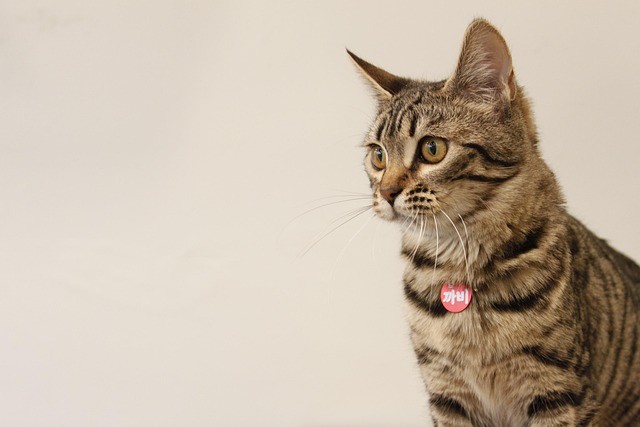
Bengal Cat Personality Traits Explained
Understanding Bengal cat behavior starts with a few core traits. Most of what owners love, and most of what they find challenging, comes from the same high energy and curiosity. With cat behavior explained trait by trait, it is easier to see which cat behaviors are normal for the breed and which need attention.
High energy and athletic play
WebMD calls Bengals more energetic and athletic than many breeds, adding that they like games, challenges and stimulation. In practice, that means a cat that sprints down hallways, vaults onto high shelves and turns pens, hair ties and bottle caps into prey. Two or more active play sessions a day, using wand toys or chase games, are a sensible starting point for most adults, based on general enrichment practice.
Curious, clever and trainable
Bengals are natural investigators, and WebMD includes training on the list of things they enjoy. This trait shapes a lot of everyday Bengal cat behavior. Many owners teach them to fetch, come when called or walk on a harness using treats and short sessions. A bored Bengal tends to find its own projects, such as opening cupboards, so mental puzzles are as important as physical play.
Talkative and social
Bengals are confident and social, and WebMD notes they do well with a companion to play with. Owners often describe them as vocal, using chirps and meows to ask for attention or play, though our sources do not measure this. They usually want to be near their people, following them from room to room, yet still enjoy a cuddle once they have burned off energy. If cuddliness is high on your wish list, compare them with the animals in our most affectionate pets guide.
Fascination with water
Many owners report Bengals batting at dripping taps, dipping paws in water bowls or joining them in the shower. The reason is not well studied, so treat it as a common anecdote rather than a breed rule. A wide, heavy water bowl or a pet fountain can turn this curiosity into play without flooding the floor.
Strong hunting instinct
WebMD notes the Bengal’s predatory nature and warns that hunting outdoors can harm local wildlife. It recommends puzzle feeders and games to satisfy the urge indoors. This hunting drive is part of normal Bengal cat behavior, so plan to give it an outlet every day rather than trying to stop it.
Kittens vs adult Bengals
Bengal kittens are a whirlwind of climbing, pouncing and exploring. Cornell notes that play aggression is most common in young cats that missed out on play with littermates, so kittenhood is a key time to shape a steady Bengal cat temperament with gentle handling and plenty of toy play. WebMD says Bengals reach full adult size around 2 years old.
Many owners find adults slightly less frantic, yet the breed’s need for activity does not disappear with age, so keep play in the routine for life.

Common Bengal Cat Behavior Problems
Some of the most detailed data on Bengal cat behavior problems comes from a 2021 study by KU Leuven researchers, published in the Journal of Veterinary Behavior and summarized by dvm360. Owners of 256 Bengals in Belgium and the Netherlands took part. Just under half the cats (44.9%) showed at least one behavior their owner found troublesome, and destructive behavior topped the list of complaints.
| Behavior | Share of 256 Bengals showing it |
|---|---|
| Pica (eating non-food items) | 16.4% |
| Aggression toward other animals | 16.0% |
| Urine spraying | 14.5% |
| Urinating outside the litter box | 13.3% |
| Aggression toward people | 2.0% |
Source: Martos Martinez-Caja et al., Journal of Veterinary Behavior (2021). Owner-reported data; the study did not compare Bengals directly with other breeds.
From the owners’ perspective, the researchers saw no strong evidence of serious breed-linked problems, though they cautioned that some behaviors might still point to welfare concerns. Put simply, most Bengal cat behavior problems can be managed, particularly when the cat’s needs are met from an early age.
Rough play and aggression
The Cornell Feline Health Center says play aggression is most common in kittens and young cats that missed out on play with littermates. It advises keeping toys at a distance from your hands, walking away when play gets rough, and never using physical punishment, which can make fear and aggression worse.
Litter box issues and spraying
Urine marking and house soiling each affected more than one in eight Bengals in the KU Leuven survey. Start with a vet check, since medical problems can cause both. Then, as general good practice, scoop boxes daily, place them in quiet spots and provide extra boxes in multi-cat homes. Cornell also warns that seeing outdoor cats through a window can spark redirected aggression, so blocking that view may reduce stress.
Destructive behavior
Shredded sofas, toppled ornaments and chewed cables are often signs of a cat with energy to spare. In our experience, extra play, sturdy scratching posts beside favorite furniture and a weekly toy rotation make a real difference, and cable covers protect cats that like to chew.
How to Manage Bengal Cat Behavior at Home
Good management turns challenging Bengal cat behavior into fun, healthy activity. These steps combine advice from WebMD and Cornell with general feline enrichment practice, and they suit most active domestic cats, not just Bengals.
| Need | What to provide |
|---|---|
| Exercise | Daily interactive play with wand toys and chase games |
| Climbing | Tall cat trees, wall shelves and window perches |
| Hunting outlet | Puzzle feeders and food-hunting games (WebMD) |
| Mental work | Clicker training and rotating toys |
| Safe outdoor time | Supervised time or a catio; WebMD advises keeping cats indoors |
| Company | Time with you, or a well-matched playmate |
A sample daily routine for a Bengal
| Time | Activity |
|---|---|
| Morning | 10 to 15 minutes of wand-toy play, then breakfast in a puzzle feeder |
| Daytime | Window perch, cat tree and rotated solo toys |
| Evening | 10 to 15 minutes of chase play or a short clicker-training session |
| Before bed | Final “catch” game, then a small meal to wind down |
Our suggested routine based on general feline enrichment practice; adjust it to your cat.

Bengal Cat Characteristics: Size, Lifespan and Health
Bengal cat characteristics go beyond behavior. WebMD says females usually weigh about 6 to 12 pounds and males about 9 to 15 pounds, reaching full size around 2 years old, and that Bengals generally live 12 to 16 years. Short-haired Bengals shed little, while long-haired “cashmere” types need daily combing.
WebMD lists hypertrophic cardiomyopathy, progressive retinal atrophy, pyruvate kinase deficiency and dental disease among health concerns, and says responsible breeders should genetically test.
WebMD also advises keeping treats to no more than 10% of daily calories, and our guide on whether cats can have chicken noodle soup covers safe treat swaps. Health also shapes behavior: Cornell notes that conditions such as hyperthyroidism, arthritis and dental disease can trigger aggression. For more cat care, visit our Cats section, and if you travel, read our guide to pet sitting for cats.
Pet Care Tip: Finish every play session by letting your Bengal “catch” the toy, then offer a small meal. Copying the natural hunt, eat, groom and sleep rhythm often helps a busy cat switch off afterward.
When to call a vet right away: Cornell advises ruling out medical causes before starting any behavior plan, since pain, hyperthyroidism and dental disease can cause aggression. See your vet if your Bengal suddenly becomes aggressive, starts urinating outside the box, strains to pee, stops eating or hides. As general advice, a cat straining with little or no urine is an emergency, so go to a 24/7 emergency animal hospital.
7 questions to ask before getting a Bengal
- Can I offer at least two active play sessions every day?
- Do I have room for tall cat trees and shelves?
- What generation is the cat, and where is it legal to keep?
- Have the parents been tested for HCM, PRA and PK deficiency?
- How has the kitten been socialized with people and pets?
- Am I prepared for a vocal, attention-seeking cat?
- Who will care for the cat when I travel?
Example Scenario (illustrative)
Lena in Portland noticed her young Bengal, Kai, pouncing on her ankles every evening. After a vet check ruled out pain, she added two 15-minute wand-toy sessions, a puzzle feeder for dinner and a tall cat tree by the window. Within a few weeks, the ankle attacks faded and Kai settled on his perch after play.
| Myth | Fact |
|---|---|
| “Bengals are wild and aggressive.” | Aggression toward people was reported in just 2% of 256 Bengals surveyed. |
| “Later generations are always calmer.” | The 2021 survey found no significant difference between early and later generations. |
| “Bengals are hypoallergenic.” | WebMD says they may cause fewer problems, but does not call them hypoallergenic. |
| “Punishment stops rough play.” | Cornell warns physical punishment can increase fear and aggression. |
What most owners get wrong
A common mistake is assuming a Bengal will keep itself busy, then being caught off guard by shredded furniture and 2 a.m. zoomies. Bengal cat behavior is far easier to live with when play, climbing space and puzzle feeding are built in from the first day, not added after trouble starts.
Bengal Cat Behavior: FAQs
Are Bengal cats affectionate?
Yes. They are social and playful, and WebMD says they still enjoy cuddling.
Are Bengal cats aggressive?
Not usually. Only 2% of Bengals in a 2021 owner survey showed aggression toward people.
Do Bengal cats calm down with age?
Many owners find adults less frantic than kittens, but the Bengal cat temperament typically stays active throughout life.
Are Bengal cats good with kids and other pets?
Usually, after proper introductions, according to WebMD.
Why does my Bengal follow me everywhere?
Bengals are social, curious cats that like to be involved in what you do.
Can Bengal cats be left alone?
In our view, a normal workday is fine with toys, climbing space and puzzle feeders; for longer trips, arrange a sitter.
How big do Bengal cats get?
Females weigh about 6 to 12 pounds and males about 9 to 15 pounds, per WebMD.
Final Verdict on Bengal Cat Behavior
Bengal cat behavior is energetic, curious and social. These cats need daily play, climbing space and outlets for their hunting drive. Problem behaviors such as destructive play or marking are fairly common but usually manageable, and serious aggression is rare. Start with a vet check whenever behavior suddenly changes.
Your next steps
- Schedule two active play sessions a day.
- Add a tall cat tree and a puzzle feeder.
- Book a vet check if behavior changes suddenly.
Join our community on the Pets Store Home Facebook page, and explore more cat guides in our Cats section.
About the author: Written and reviewed by the Pets Store Home Editorial Team, pet owners who check every guide against trusted sources.
How we checked this guide: Personality, size, lifespan and health facts come from WebMD (medically reviewed). Behavior problem figures come from the 2021 KU Leuven owner survey in the Journal of Veterinary Behavior, summarized by dvm360. Aggression and management advice comes from the Cornell Feline Health Center, and hybrid-generation guidance from the American Association of Feline Practitioners. State laws come from a Catster roundup; check your local rules.
Vocal and water-loving traits are widely reported by owners but not measured in our sources, so we present them as anecdotes. This guide was fully rewritten in October 2026, and we review it every 12 months.
Last reviewed: October 2026.
Sources (accessed October 31, 2026)
- WebMD: Bengal Cats, What to Know (reviewed April 2026)
- Martos Martinez-Caja et al.: Bengal Cat Owner Survey, Journal of Veterinary Behavior (2021)
- dvm360: Bengals, Are These “Wild” Cats Suitable Pets? (2021)
- American Association of Feline Practitioners: Position Statement on Hybrid Cats
- Catster: Are Bengal Cats Illegal in Some States? (updated 2026)
- Cornell Feline Health Center: Feline Behavior Problems, Aggression
[…] Which foreign pets are legal in Washington State? […]