
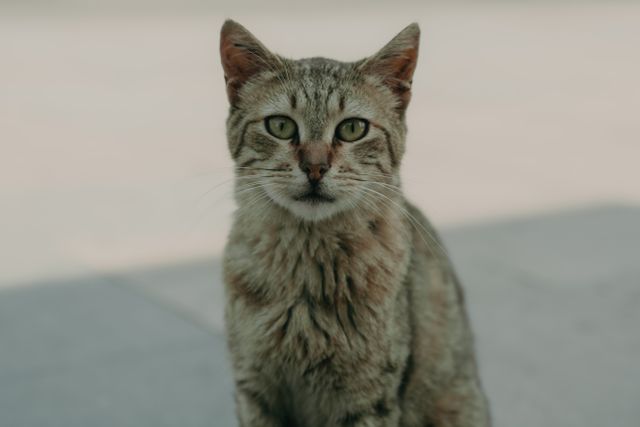
Tomcat cheeks are the broad, thick, fleshy jowls that develop on the face of an unneutered male cat after puberty. They are driven by testosterone, usually start forming at around 5 to 7 months of age, and can take until about a year to fill out. Neutered males typically keep a slimmer, more kitten-like face.
If you have adopted a big-faced stray or noticed your young male’s head suddenly widening, you probably want to know two things: is it normal, and does it mean anything for his health? This guide covers why the jowls form, what they are for, how neutering affects them, and how to tell normal jowls apart from a swelling that needs a vet.
When to call a vet: Normal jowls are even on both sides, painless and slow to develop. If one cheek swells suddenly, feels warm, leaks pus or blood, or your cat stops eating or seems lethargic, book a veterinary visit. These signs can point to a bite abscess or dental problem rather than tomcat cheeks.
Key takeaways
- Tomcat cheeks, also called stud jowls, are a testosterone-driven trait of intact male cats.
- They typically begin at 5 to 7 months and may not be fully developed until about 1 year.
- The thickened tissue helps shield the face during fights and signals maturity to rivals and mates.
- Intact males fight more, which raises the risk of bite abscesses and FIV.
- Neutering by 5 months, as the AVMA and feline groups support, usually keeps the face slimmer.
In this guide
What Are Tomcat Cheeks?
Tomcat cheeks are thickened pads of tissue on both sides of an intact male cat’s face, running from below the eyes toward the jaw. They make the head look wide, round and blocky, almost like a lion’s face in miniature. In an article written by veterinarian Dr. Chyrle Bonk, Adopt-a-Pet describes them as thickened, fleshy cheeks that develop in unneutered male cats as they go through puberty.
You may also hear them called tomcat jowls, stud jowls, stud cheeks or shields. They are not a breed feature and not extra fat. Any male cat, from a street tabby to a pedigree, can grow them if he stays intact into adulthood.
How to Recognize Stud Jowls
- Width: the face looks noticeably wider than the skull, especially from the front.
- Symmetry: both sides are evenly full, with no lump on one side.
- Texture: the cheeks feel firm and thick, not soft, hot or fluid-filled.
- Timing: they appear gradually over months, not overnight.
- Company: they usually come with other adult-male traits, such as a thick neck, a muscular build and strong-smelling urine.
If the swelling is lopsided, sudden or painful, it is not normal jowl growth. Skip ahead to the health section.

Why Do Male Cats Get Tomcat Cheeks?
The short answer is testosterone. Adopt-a-Pet’s veterinarian-written guide says the jowls are purely testosterone-based. When an intact male reaches puberty, rising hormone levels thicken the skin and tissue over the cheeks, much as they help bulk up his neck and shoulders.
When Do the Jowls Develop?
According to the same guide, these traits usually begin around 5 to 7 months of age, and the cheeks may not be fully evident until the cat is close to 1 year old. Some toms may keep filling out for a while after that, so an older male can look broader than he did at his first birthday.
| Age (intact male) | What you may notice |
|---|---|
| Under 5 months | Kitten face, no jowls |
| About 5 to 7 months | Puberty begins; cheeks start to thicken |
| About 7 to 12 months | Face widens; spraying and roaming may start |
| Around 1 year and beyond | Full jowls visible in most intact males |
Timing varies with genetics, nutrition and body size, so treat these ages as a rough guide.
What Are Tomcat Jowls For?
The jowls have two jobs. First, they act as padding. The thicker tissue is more resistant to injury, which helps protect the eyes, nose and mouth when rival males fight. Second, they are a visual signal. A broad, heavy face tells other males and potential mates that this cat is mature and in his prime.
That is also why big jowls often come with other “tomcat” habits: roaming for mates, marking territory with strong-smelling urine, yowling and picking fights. If you share your home with an intact male, those behaviors can matter more day to day than the shape of his face. Our guide to why a cat bites the neck of another cat explains some of that mating and dominance behavior.
Do Female Cats Get Tomcat Cheeks?
No. Stud jowls are a male, testosterone-linked trait. A female cat with a very round face is usually just built that way, or carrying extra weight. A sudden swelling in any cat’s face needs a vet check.
Tomcat Cheeks and Neutering
Neutering removes the main source of testosterone, so it has a big effect on whether jowls appear. Adopt-a-Pet’s guide notes that neutered males typically keep a kitten-like sleekness and narrowness to their face.
The American Veterinary Medical Association says it and several feline and shelter groups support spaying or neutering cats by 5 months of age. The American Association of Feline Practitioners also supports neutering by 5 months and notes that cats can become reproductively active as early as 4 to 5 months. Neutering at that age generally happens before the jowls have a chance to form.
Will Tomcat Jowls Go Away After Neutering?
Many people who adopt an adult tom ask this. Honest answer: there is little published research on how much an adult male’s jowls shrink after neutering. Without testosterone, the cheeks may soften or slim somewhat over the following months, but many cats keep some fullness for life. Either way, the shape of his face is cosmetic. The health and behavior benefits of neutering are the real reasons to do it.
Benefits of Neutering Beyond the Face
- Less roaming and marking: the AVMA says neutering reduces breeding instinct, resulting in less roaming and fewer urine-marking behaviors.
- No testicular cancer: neutering eliminates that risk entirely, per the AVMA.
- Fewer fight injuries: VCA Animal Hospitals notes that fight wounds are particularly common in intact males.
- Lower FIV risk: Cornell says un-neutered outdoor males that fight are at the greatest risk of FIV.
- No unplanned litters: fewer kittens entering already-crowded shelters.
Pet Care Tip: Adopting an intact adult male with big jowls? Ask your vet about neutering, FIV/FeLV testing and a rabies check at the first visit. A clean bill of health matters far more than how round his face stays.

Are Tomcat Cheeks a Health Problem?
The jowls themselves are normal and harmless. The risks come from the lifestyle that usually goes with them: roaming and fighting.
Bite Abscesses
VCA Animal Hospitals explains that a cat’s sharp canine teeth leave small, deep punctures that quickly seal over and trap bacteria under the skin. Where the skin is loose, a pocket of pus can form an abscess. The infection may go unnoticed for several days until swelling and pain appear, and some cats develop a fever and lethargy. Your vet will usually drain and flush the abscess and may prescribe antibiotics.
FIV (Feline Immunodeficiency Virus)
The Cornell Feline Health Center states that the primary mode of FIV transmission is through bite wounds, and that un-neutered males with outdoor access who are likely to fight are at the greatest risk. Keeping cats indoors substantially lowers the risk.
Tomcat Cheeks vs a Swollen Cheek
| Sign | Normal jowls | Possible problem |
|---|---|---|
| Onset | Gradual, over months | Sudden, over hours or days |
| Sides | Both, evenly | Usually one side |
| Feel | Firm, painless | Warm, sore, soft or fluid-filled |
| Other signs | None | Pus, bad smell, drooling, not eating, lethargy |
| Who | Intact adult males | Any cat, any sex |
Besides bite abscesses, the Adopt-a-Pet guide lists dental problems, allergic reactions, insect stings or bites and toxin ingestion as possible causes of facial swelling. Its advice is simple: check in with your vet any time your cat’s cheeks look abnormal, especially if a sleek-faced neutered cat suddenly
[…] Which foreign pets are legal in Washington State? […]