

What does pumpkin do for dogs? Plain cooked or canned pumpkin adds fiber, water, and a few vitamins to your dog’s bowl, which may help firm up mild diarrhea or ease mild constipation. It’s low in calories and safe for most dogs in small amounts. It isn’t a cure, though, and pumpkin pie filling, raw rind, stems, and moldy jack-o’-lanterns are a different story.
This guide explains how pumpkin for dogs works, which kind to buy, how much vet sources suggest by dog size, and when an upset stomach needs a veterinarian instead of a spoonful from the pantry.
Key takeaways
- Pumpkin’s fiber can absorb water and add bulk, which the AKC says may help mild diarrhea and mild constipation.
- Choose 100% plain canned pumpkin. Never use pumpkin pie filling, which may contain sugar, spices, or xylitol.
- Cooked pumpkin is easier to digest than raw. Skip the stem, tough rind, and any moldy pumpkin.
- Vet sources suggest starting small: about 1 teaspoon per meal for small dogs and up to about 1 tablespoon for larger dogs.
- Pumpkin is a food, not a medicine. Tufts nutritionists note its fiber content is modest.
- Call your vet for bloody or black stool, vomiting, lethargy, puppy diarrhea, or diarrhea lasting more than 2–3 days.
In this guide
What Does Pumpkin Do for Dogs? The Short Answer
When owners ask what does pumpkin do for dogs, the answer mostly comes down to fiber and moisture. Here’s what veterinary and canine health sources describe:
- Firms loose stool. The AKC explains that the soluble fiber in pumpkin adds bulk to stool by absorbing water. VCA lists small amounts of plain canned pumpkin among home options for mild diarrhea.
- Eases mild constipation. The AKC notes pumpkin can help ease mild constipation, as long as your dog drinks enough water while eating more fiber.
- Feeds gut bacteria. The AKC describes pumpkin’s fiber as a prebiotic that can support beneficial gut bacteria.
- Adds nutrients. Pumpkin contains vitamins A, C, and E, plus potassium and iron, according to the AKC.
- Adds few calories. Tufts’ Petfoodology notes unsalted canned pumpkin has about 83 calories per cup, so a spoonful barely dents a dog’s daily total.
In short, pumpkin for dogs works as a gentle food-based helper for mild, short-term stool changes. It doesn’t treat infections, parasites, or other underlying causes.
Is Pumpkin Good for Dogs? Benefits and Limits
For most healthy dogs, yes. The AKC calls pure pumpkin a healthy food for dogs, and the AVMA notes that small pieces of pumpkin can be a healthy snack for pets. Still, it’s worth knowing the limits:
- The fiber dose is small. Tufts veterinary nutritionist Dr. Lisa Freeman points out that a medium-sized dog would need nearly 12 cups of pumpkin a day to match the fiber in one high-fiber therapeutic diet.
- The fiber type may not match the problem. Pumpkin contains a mix of soluble and insoluble fiber, and Freeman notes some dogs need a specific type that your vet can recommend.
- Too much can unbalance the diet. Freeman advises keeping pumpkin and other extras within 10% of daily calories.
So is pumpkin good for dogs? As an occasional, plain addition, it’s a reasonable choice, and the benefits of pumpkin for dogs are real but modest. For ongoing stool problems, your vet may suggest a proper fiber supplement or a therapeutic diet instead.
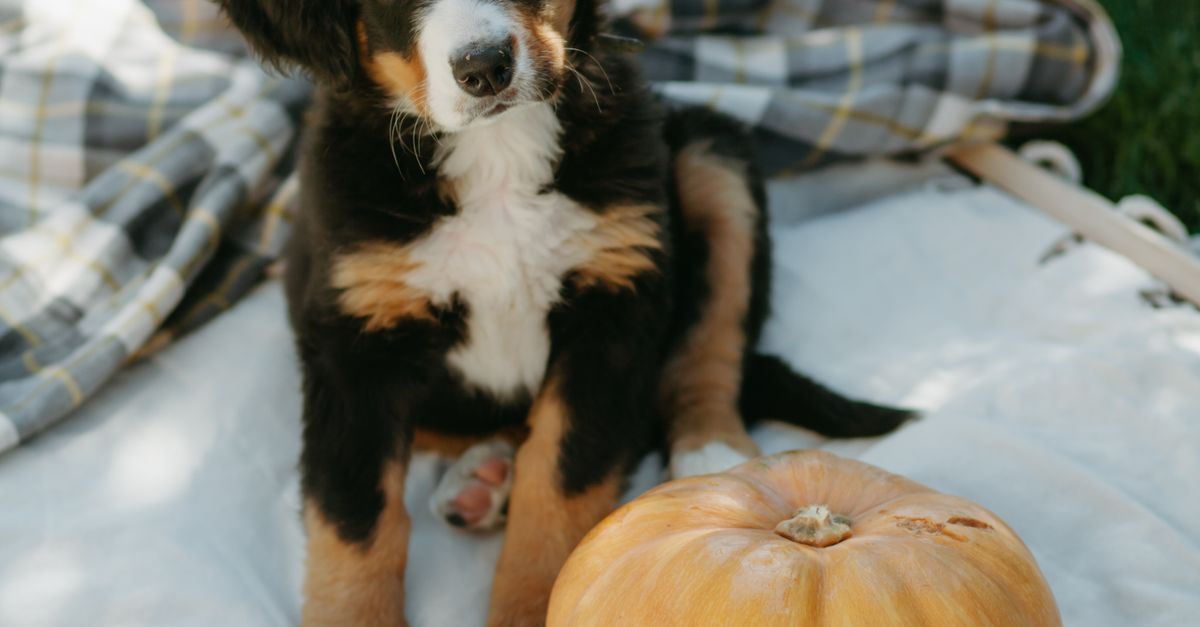
Canned Pumpkin for Dogs vs. Pumpkin Pie Filling
Once you know what does pumpkin do for dogs, the next question is which kind to buy. Canned pumpkin for dogs is convenient, but the can you grab matters. The AKC recommends 100% pumpkin puree and warns never to use canned pumpkin pie filling, which may contain xylitol or other ingredients that could be toxic to dogs.
| Feature | Plain canned pumpkin (puree) | Pumpkin pie filling or mix |
|---|---|---|
| Ingredients | Pumpkin only | Pumpkin plus sugar, spices, and sometimes sweeteners |
| Spices | None | May include nutmeg and cloves, per PetMD |
| Xylitol risk | None if the label lists only pumpkin | Possible; xylitol can be deadly to dogs |
| Safe for dogs? | Yes, in small amounts | No; keep it for people |
The ASPCA warns that xylitol can cause low blood sugar and possible liver damage, and the AVMA says it can be deadly if dogs eat it. If your dog gets into pie filling, sugar-free treats, or anything sweetened with xylitol, call your vet, the ASPCA Animal Poison Control Center at (888) 426-4435, or the Pet Poison Helpline at (855) 764-7661. A consultation fee may apply.
Pet Care Tip: Read the ingredient list, not just the front of the can. “Pumpkin” should be the only ingredient. Spoon leftovers into an ice cube tray and freeze single portions so the rest of the can doesn’t spoil in the fridge.
Spices are a common worry in fall. For more on one of them, see our guide on whether dogs can have cinnamon.
Raw vs. Cooked Pumpkin, Seeds, and Stems
Raw or cooked?
Preparation affects the answer to what does pumpkin do for dogs, because cooking makes the flesh easier to digest. PetMD advises against raw pumpkin because it can be hard to digest and may pose a choking or blockage risk, especially the rind. If you cook fresh pumpkin, PetMD suggests peeling it, removing the seeds, roasting or boiling until soft, and mashing it, with no salt, butter, or seasoning. It also notes small sugar pumpkins work better than stringy, watery carving pumpkins.
Can dogs have pumpkin seeds?
PetMD notes pumpkin seeds contain minerals such as zinc, magnesium, and copper. Plain seeds that are roasted and ground are the safest option. Whole seeds can be a choking hazard, particularly for small dogs, and salted or seasoned seeds aren’t suitable.
Stems, rind, and jack-o’-lanterns
Keep your dog away from the stem and the tough outer rind, which are hard to chew and could cause choking or a blockage. The ASPCA also warns that pumpkins, especially after being cut open, can grow mold that may cause tremors or seizures. Dispose of carved jack-o’-lanterns before they get moldy.
How Much Pumpkin to Give a Dog
How much you give affects the answer to what does pumpkin do for dogs in practice: too little may make no difference, and too much may upset the stomach. There’s no single official amount, and veterinary sources vary. Start small and ask your vet what suits your dog, especially if your dog has a health condition or eats a prescription diet. Here’s what vet-reviewed sources suggest for plain canned pumpkin:
| Dog size | Typical starting amount | Source |
|---|---|---|
| Small dogs | About 1 teaspoon mixed into each meal | PetMD (Jennifer Coates, DVM) |
| Larger dogs | Up to about 1 tablespoon per meal | PetMD (Jennifer Coates, DVM) |
| Any size | 1 to 4 tablespoons per meal, starting at the low end | AKC |
| All dogs | Keep extras within 10% of daily calories | Tufts Petfoodology |
PetMD veterinarian Dr. Jennifer Coates suggests about 1 teaspoon per meal for small dogs and up to about 1 tablespoon for larger dogs. Begin at the lower end, keep fresh water available, and stop if your dog develops gas, looser stool, or vomiting. Pumpkin is a food topper, not a medicine, so there’s no “dose” to calculate. If you’re tempted to give more, talk to your vet first.
Pumpkin for Dogs With Diarrhea or Constipation
Stool changes are where the question of what does pumpkin do for dogs matters most. If your otherwise bright, healthy adult dog has a single episode of soft stool or mild constipation, a little plain pumpkin is a reasonable first step:
- Check that your dog is eating, drinking, and acting normally.
- Mix a small amount of plain canned pumpkin into the regular meal.
- Keep fresh water available, especially for constipation.
- Watch stool over the next day or two and note any changes.
- Call your vet if things don’t improve, or sooner if new signs appear.
For a closer look at what can upset a dog’s stomach, see our guide to the causes of diarrhea in dogs.
Example Scenario (illustrative)
Carlos in Texas wonders what does pumpkin do for dogs when he notices his 25-lb adult beagle mix has soft stool after a weekend of extra treats. The dog is still eating and playing. Carlos checks the can says “100% pumpkin,” mixes about a teaspoon into dinner, and keeps the water bowl full. By the second day the stool is firmer. He’d planned to call the vet if it didn’t improve within two to three days, or right away if he saw blood or vomiting.
Common mistakes with pumpkin for dogs
Is pumpkin bad for dogs? Usually only when it’s the wrong product, the wrong part of the plant, or simply too much.
| Mistake | Why it’s a problem | Better approach |
|---|---|---|
| Grabbing pie filling | May contain sugar, spices, or xylitol | Buy cans labeled 100% pumpkin |
| Starting with a big scoop | Sudden fiber can upset the stomach | Start with a teaspoon and adjust slowly |
| Using pumpkin for days of diarrhea | It can delay care for a real problem | Call your vet after 2–3 days |
| Letting dogs chew jack-o’-lanterns | Mold, rind, and stems carry risks | Throw out carved pumpkins promptly |
When to Call a Vet Instead of Reaching for Pumpkin
Knowing what does pumpkin do for dogs also means knowing what it can’t do. Pumpkin is only for mild, short-lived stool changes in an otherwise healthy dog. Contact your veterinarian if you notice:
- Diarrhea that doesn’t improve within 2–3 days, which VCA says may need further testing or treatment
- Blood in the stool, or black, tarry stool
- Vomiting, lethargy, weakness, fever, or refusing food
- Any diarrhea in a puppy, which the AKC says should always be treated as a potential emergency
- Straining to pass stool, crying out, or passing only small, dry pieces, which PetMD notes could signal an obstruction
- No bowel movement for 48 hours or more. The AKC suggests calling after 24 hours to be safe.
- Any stool change in a dog with a known health condition or on a prescription diet
Don’t reach for human anti-diarrhea medicines. VCA warns that bismuth products like Pepto-Bismol can be toxic in high doses, and that Imodium can make some problems worse. Let your vet decide whether any medication is needed and how much.
Questions to ask your vet
- What does pumpkin do for dogs with my dog’s specific condition, and would a fiber supplement be better?
- How much plain pumpkin, if any, should my dog have?
- Will pumpkin interfere with my dog’s prescription diet?
- Which signs mean I should bring my dog in right away?
What Does Pumpkin Do for Dogs? FAQs
Is pumpkin good for dogs with diarrhea?
It can help mild cases. The AKC says pumpkin’s soluble fiber absorbs water and adds bulk to stool. Call your vet if diarrhea lasts more than 2–3 days or comes with blood, vomiting, or lethargy.
Does pumpkin help constipated dogs?
It may ease mild constipation, especially with plenty of water. A dog that’s straining, in pain, or hasn’t passed stool in 48 hours needs a vet.
Can I give my dog canned pumpkin every day?
Small amounts of plain canned pumpkin are generally fine for healthy dogs, but keep extras within 10% of daily calories. Ask your vet before making it a daily habit.
Is pumpkin pie filling safe for dogs?
No. Pie filling may contain sugar, spices such as nutmeg and cloves, or xylitol, which can be deadly to dogs. Use only cans labeled 100% pumpkin.
Can dogs eat pumpkin puree?
Yes, if it’s plain. Canned or homemade puree with pumpkin as the only ingredient is the easiest way to serve it. Avoid puree with added sugar, salt, spices, or sweeteners.
Can dogs eat raw pumpkin?
It’s not recommended. Raw pumpkin can be hard to digest, and the rind may cause choking or a blockage. Cooked, plain pumpkin is easier on the stomach.
Can dogs eat pumpkin seeds?
Plain seeds that are roasted and ground are the safest option. Whole seeds can be a choking hazard for small dogs, and salted or seasoned seeds should be avoided.
How fast does pumpkin work for dogs?
There’s no set timeline. Many owners watch for firmer stool over a day or two. If there’s no improvement within 2–3 days, or new symptoms appear, call your veterinarian.
Final Verdict: What Does Pumpkin Do for Dogs?
What does pumpkin do for dogs? It adds fiber, water, and a few nutrients that may help mild diarrhea or constipation. Use only plain canned or cooked pumpkin, start with a teaspoon or so, skip pie filling, stems, and moldy pumpkins, and call your vet when stool changes last or come with other signs.
Your next steps
- Check your pantry: keep a can labeled 100% pumpkin, and store pie filling out of reach.
- Ask your vet how much pumpkin, if any, suits your dog.
- Explore more safe-feeding guides in our pet food center and our dog care section.
Share your dog’s favorite healthy fall snack with our community on Facebook.
About the author
Written and reviewed by the Pets Store Home Editorial Team: pet owners and animal lovers who check every guide against trusted US veterinary and animal-welfare sources. This article is general information, not a substitute for professional veterinary advice. Always talk to your veterinarian about your own pet’s health.
How we checked this guide: We used the AVMA, the ASPCA, the AKC, VCA Animal Hospitals, Tufts University’s Petfoodology, and PetMD (veterinarian-written and reviewed). We review this article every 12 months, or sooner if guidance changes.
Last reviewed: October 2026
Sources
- AKC – Can Pumpkin Help Dogs With Diarrhea? (accessed Oct 2026)
- AKC – Dog Constipation: Home Remedies and When to Call the Vet (accessed Oct 2026)
- AKC – Fruits and Vegetables Dogs Can or Can’t Eat (accessed Oct 2026)
- AVMA – Thanksgiving Pet Safety (accessed Oct 2026)
- ASPCA – People Foods to Avoid Feeding Your Pets (accessed Oct 2026)
- ASPCA – Pet Parents: Beware of These Four Fall Toxins (accessed Oct 2026)
- VCA – 8 Home Remedies for Dog Diarrhea & 2 That Could Be Dangerous (accessed Oct 2026)
- Tufts Petfoodology – The Problem With Pumpkin (Lisa Freeman, DVM, PhD, DACVIM) (accessed Oct 2026)
- PetMD – What Can I Give My Dog to Ease Occasional Constipation? (Jennifer Coates, DVM) (accessed Oct 2026)
- PetMD – Can Dogs Eat Pumpkin? (reviewed by Jennifer Coates, DVM) (accessed Oct 2026)
[…] Which foreign pets are legal in Washington State? […]