
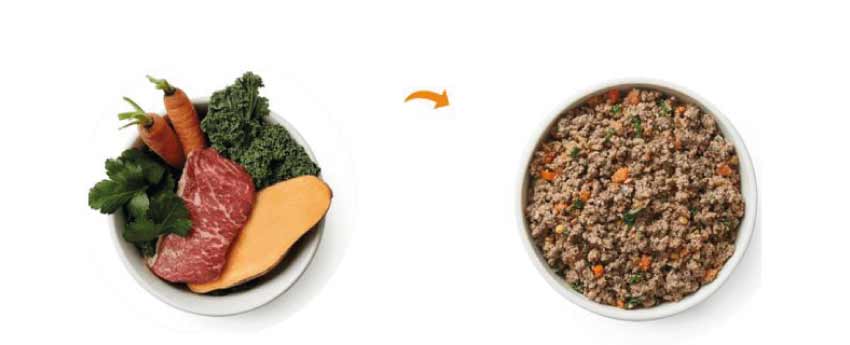
How to Prepare Healthy Dog Food at Home: A Vet-Backed Guide
To prepare healthy dog food at home, start with a complete and balanced recipe written for your dog by a board-certified veterinary nutritionist, then follow it exactly: weigh every ingredient, cook meats thoroughly, add the recommended vitamin and mineral supplements, and store portions safely. Meat, rice and vegetables alone are not enough. Without the right supplements, homemade meals almost always fall short on key nutrients.
That’s not a scare tactic. A UC Davis study of 200 published homemade dog food recipes found that 95% were missing at least one essential nutrient. The good news is that healthy dog food at home is absolutely possible when the recipe is right and you stick to it.
Talk to your vet first if your dog: is a puppy, pregnant or nursing, a senior, or has kidney, liver, heart, skin or gut disease, diabetes, pancreatitis or food allergies. These dogs have specific nutrient needs, and a general recipe could make their condition worse.
Key takeaways
- Most online and cookbook recipes for dogs are not nutritionally complete.
- The safest recipe is one made for your dog by a board-certified veterinary nutritionist.
- Weigh ingredients, never skip the supplements, and don’t swap ingredients without asking.
- Avoid onions, garlic, grapes, raisins, chocolate, xylitol, macadamia nuts and salty foods.
- Refrigerate cooked batches within two hours and use them within three to four days, or freeze.
In this guide
Can You Make Healthy Dog Food at Home?
Yes, but the recipe matters more than the ingredients. In a study published in the Journal of the American Veterinary Medical Association, UC Davis researchers analyzed 200 recipes from 34 sources, including books and websites. They found that 95% had at least one nutrient deficiency and more than 83% had several, with shortfalls in nutrients such as choline, vitamin D, zinc and vitamin E.
The study had a clear bright spot. Recipes written by veterinarians did better, and the four recipes from board-certified veterinary nutritionists all had acceptable nutrient profiles. The researchers’ advice was simple: skip generic recipes and get one made for your dog.
| Recipe source | How reliable? |
|---|---|
| Board-certified veterinary nutritionist, custom for your dog | Best choice |
| Veterinarian-written published recipe | Better, but may still have gaps |
| Blogs, cookbooks, social media | Usually incomplete |
What Healthy Dog Food at Home Needs
Every balanced home-cooked recipe covers the same basic groups. Your nutritionist will set the exact amounts based on your dog’s weight, age, activity and health.
| Component | Common examples | Why it matters |
|---|---|---|
| Protein | Cooked chicken, turkey, lean beef, fish, eggs | Amino acids for muscles and body repair |
| Carbohydrate | Rice, oats, potato, sweet potato, pasta | Energy and some fiber |
| Fat or oil | A measured vegetable or fish oil | Essential fatty acids and calories |
| Vegetables | Carrots, green beans, zucchini | Fiber and variety |
| Vitamin and mineral supplement | The exact product your recipe names, often including calcium | Fills gaps whole foods can’t cover |
That last row is the one people most often skip, and it’s a big reason homemade diets fall short. Meat is rich in phosphorus but low in calcium, for example, so a recipe needs a calcium source in the right amount. Don’t guess at doses of calcium, vitamin D or other supplements, because too much can be as harmful as too little.

How to Prepare Healthy Dog Food at Home: Step by Step
Making healthy dog food at home gets easier once you have a routine. Many owners find it easiest to cook one or two batches a week and freeze the rest.
- Get a tailored recipe. Ask your vet for a referral, or search vetspecialists.com for a board-certified veterinary nutritionist; Tufts notes many offer remote consults. Share your dog’s weight, age, activity level, health history and food preferences.
- Buy exactly what the recipe lists. Note the cut of meat, fat percentage and the brand of supplement. “Ground beef” at 70% lean is very different from 93% lean.
- Weigh, don’t eyeball. A kitchen scale that reads in grams makes your batches consistent.
- Cook proteins thoroughly. Cook meat, poultry, fish and eggs until done, and drain fat only if the recipe tells you to.
- Cook starches and vegetables. Boil or steam rice, oats or potatoes until soft, and chop or puree vegetables for easier digestion.
- Add oil and supplements as directed. Follow your recipe on timing; many say to stir these in after cooking, once the food has cooled slightly. Mix well so every portion gets its share.
- Portion and cool. Divide the batch into meal-sized containers using the weights in your recipe.
- Store safely. Refrigerate what you’ll use soon and freeze the rest (see the storage section below).
Why sticking to the recipe matters
Even a perfect recipe only works if it’s followed. Tufts researchers found that only about 13% of owners followed their dog’s nutritionist-made recipe exactly. Common slips included changing portion sizes, using a fattier or leaner meat, leaving out a supplement, and swapping ingredients. The researchers call this “diet drift,” and over time it can undo the balance the recipe was built on.
If you need to change something, such as a protein your dog won’t eat or an ingredient you can’t find, ask your nutritionist for an approved swap rather than improvising. For portion help, our guide on how much home-cooked food to feed a dog explains calories and portion basics.
What about raw homemade diets?
This guide covers cooked food. The FDA warns that raw pet food is more likely to carry harmful bacteria such as Salmonella and Listeria, which can make both pets and people sick. If you’re weighing a raw diet, read our guide to raw dog food pros and cons and talk to your vet first.

Foods to Leave Out of Homemade Dog Food
Many human recipes start with ingredients that are dangerous for dogs. The ASPCA’s list of people foods to avoid feeding pets includes these common kitchen items:
| Food | Why it’s a problem |
|---|---|
| Onions, garlic, chives | Can damage red blood cells and cause anemia |
| Grapes and raisins | Can cause kidney damage |
| Chocolate, coffee, caffeine | Vomiting, abnormal heart rhythm, tremors, seizures |
| Xylitol (sugar-free sweetener) | Low blood sugar and possible liver damage |
| Macadamia nuts | Weakness, tremors, overheating |
| Salt and salty foods | Thirst, vomiting, tremors; can be severe |
| Alcohol and raw yeast dough | Can be dangerous even in small amounts |
Watch for hidden sources too, like onion or garlic powder in broth and seasoning blends, and xylitol in some peanut butters. Use plain, unseasoned ingredients only. If your dog eats something on this list, call your vet or the ASPCA Animal Poison Control Center at (888) 426-4435 (a consultation fee may apply).
Storing Healthy Dog Food at Home Safely
Home-cooked dog food spoils like any cooked meal. Follow the same rules you’d use for your own leftovers.
- Cool quickly: University of Wisconsin Extension advises refrigerating cooked food within two hours and using leftovers within three to four days. Shallow containers help food cool faster.
- Freeze extra portions: freeze meal-sized containers and thaw them in the fridge, not on the counter.
- Keep the fridge cold: the FDA advises refrigerating leftover pet food, tightly covered, at 40°F or below.
- Wash up: the FDA’s pet food handling tips call for washing your hands for at least 20 seconds before and after handling pet food, and washing bowls and utensils with soap and hot water after each use.
- Toss leftovers in the bowl: discard food your dog doesn’t finish rather than saving it.
Switching Your Dog to Homemade Food
Once your first batch of healthy dog food at home is ready, don’t switch overnight. A sudden change can upset your dog’s stomach, so mix the new food into the old over about a week, increasing the homemade portion a little each day. Go slower for puppies, seniors and dogs with sensitive stomachs.
Our guide on when to switch your dog’s diet has a day-by-day transition chart, and it explains when to call your vet if loose stools or vomiting don’t settle.

Is Healthy Dog Food at Home Cheaper or Better?
Not automatically. A complete and balanced commercial food is designed and tested to meet nutrient standards in every serving, while a homemade diet is only as good as its recipe and how closely you follow it.
Home cooking also takes time each week, and quality meat plus supplements can cost more than many owners expect. A one-time nutritionist consultation is an added cost as well. In the Tufts research, some owners gave up home cooking because of the time involved, the cooking smell, or a dog that didn’t like the food.
| Homemade pros | Homemade cons |
|---|---|
| Full control over every ingredient | Easy to become unbalanced over time |
| Can be built around allergies or medical needs | Takes planning, cooking and freezer space |
| Some picky dogs enjoy fresh meals | Can cost more than many commercial foods |
When homemade makes the most sense
- Your vet recommends a custom diet for a medical condition, such as kidney disease. Our guide to low-protein dog food for kidney disease covers the commercial options too.
- Your dog has multiple food allergies and few commercial foods suit them.
- You enjoy cooking and can commit to following a recipe exactly.
If you love the idea but not the workload, fresh-cooked commercial dog food is a middle ground. See our guide to fresh human-grade dog food to learn what the labels mean.
Example scenario (illustrative)
Tanya in Minneapolis wanted to cook for her 7-year-old Labrador, Moose, who had food allergies. Instead of using a blog recipe, she asked her vet for a referral to a board-certified veterinary nutritionist, who designed a turkey-and-potato recipe with a specific vitamin and mineral supplement. Tanya bought a kitchen scale, cooked a batch every Sunday, and froze daily portions.
When she ran short on turkey one week, she emailed the nutritionist for an approved swap instead of guessing. Moose’s itching improved, and his weight stayed steady.
Healthy Dog Food at Home: FAQs
Is homemade dog food healthier than kibble?
Not automatically. It can be healthy if it follows a complete, balanced recipe, but most general recipes are missing nutrients. A complete and balanced commercial food is a reliable choice for most dogs.
Can I just feed my dog chicken and rice?
Only short term, if your vet suggests it for an upset stomach. As a long-term diet, chicken and rice alone lack essential vitamins and minerals.
Where do I find a vet-approved homemade dog food recipe?
Ask your veterinarian for a referral, or search vetspecialists.com for a board-certified veterinary nutritionist. Many offer remote consultations and custom recipes.
Do I need to add supplements to homemade dog food?
Almost always. Most recipes need a vitamin and mineral supplement, often including calcium. Use the exact product and amount your recipe calls for.
How long does homemade dog food last in the fridge?
Refrigerate within two hours of cooking and use within three to four days. Freeze anything you won’t use by then.
Can puppies eat homemade dog food?
Puppies can eat healthy dog food at home only if the recipe is designed for growth by a veterinary nutritionist. Puppies, especially large breeds, have strict calcium and calorie needs.
Final Verdict: Preparing Healthy Dog Food at Home
You can prepare healthy dog food at home, but “healthy” depends on balance, not just fresh ingredients. Get a recipe made for your dog by a board-certified veterinary nutritionist, follow it exactly, include every supplement, leave out toxic foods, and store batches safely. If that sounds like too much, a complete and balanced commercial or fresh-cooked food is a perfectly healthy choice.
Your next steps
- Ask your vet whether a homemade diet suits your dog’s health and life stage.
- Get a custom recipe from a board-certified veterinary nutritionist.
- Buy a kitchen scale and freezer-safe containers before your first batch.
- Browse more feeding guides in our pet food center.
Cooking for your dog? Share your tips with other owners in our Facebook community.
About the author — Written and reviewed by the Pets Store Home Editorial Team: pet owners and animal lovers who check every guide against trusted US veterinary, university and government sources. This article is general information, not a substitute for professional veterinary or nutrition advice. Always talk to your veterinarian before changing your dog’s diet.
How we checked this guide: Recipe research comes from UC Davis (Stockman, Larsen and colleagues, JAVMA 2013) and Tufts Cummings School of Veterinary Medicine; food safety from the FDA and University of Wisconsin Extension; and toxic foods from the ASPCA Animal Poison Control Center. We review it every 12 months.
Last reviewed: October 2026.
Sources
- UC Davis, Homemade Dog Food Recipes Can Be Risky Business, Study Finds (accessed October 2026)
- Tufts Petfoodology, What Is a Board Certified Veterinary Nutritionist? (Lisa M. Freeman, DVM, PhD, DACVIM) (accessed October 2026)
- Tufts Your Dog, Yes, But Are You Following the Recipe? (accessed October 2026)
- ASPCA, People Foods to Avoid Feeding Your Pets (accessed October 2026)
- U.S. FDA, Tips for Safe Handling of Pet Food and Treats (accessed October 2026)
- University of Wisconsin Extension, How to Store Leftovers (accessed October 2026)
[…] Which foreign pets are legal in Washington State? […]