
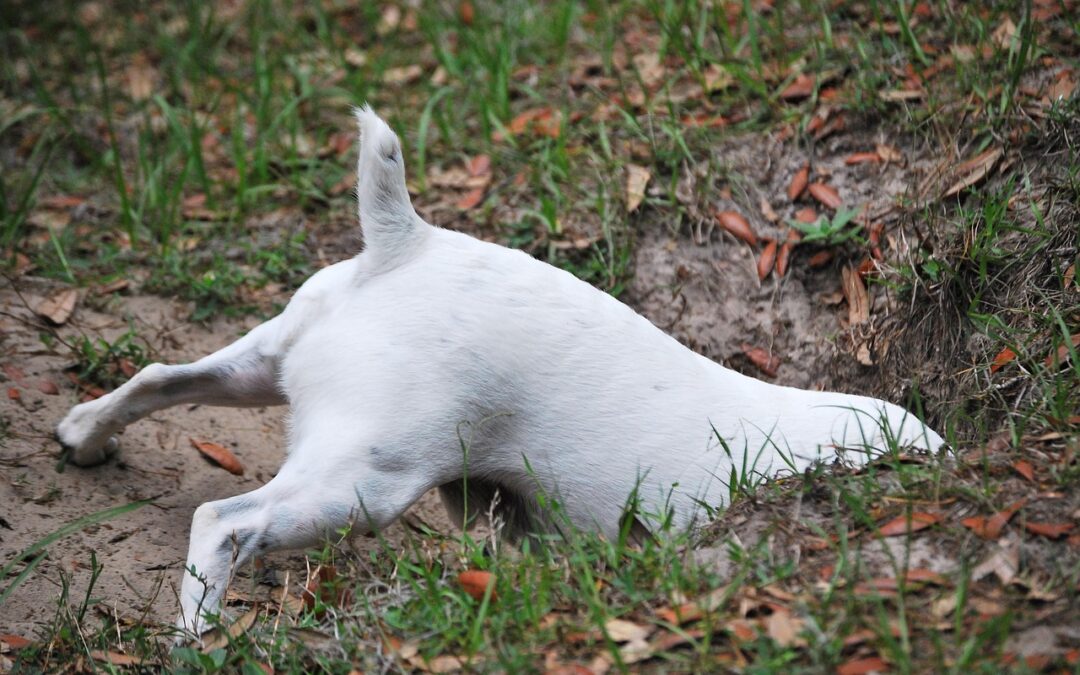
A freshly dug crater in the middle of the lawn, a border stripped of bulbs, a fence line pockmarked with holes: dog digging is one of the most frustrating garden problems an owner can face, mostly because it’s rarely about naughtiness. Dogs dig because digging meets a real need, whether that’s cooling off, burning energy, escaping boredom, or investigating an interesting smell underground, and punishing the behavior without addressing the underlying reason tends to produce more digging in a new spot rather than less.
This guide covers why dogs dig, how to figure out which type of digging your dog is doing, and a practical, step-by-step plan for redirecting the habit, including how to protect specific garden areas while training is still in progress.
Quick Answer: Stop a dog from digging in the garden by identifying the cause (boredom, heat, prey drive, or anxiety), meeting that underlying need directly, and giving the dog a designated digging spot as an approved outlet. Most dogs redirect fully within three to six weeks of consistent management.
Key Takeaways
- Digging almost always serves a real purpose: cooling off, burning energy, chasing a scent or small animal, or coping with boredom or separation stress.
- Identifying the specific cause is the first step, since a bored digger and an anxious digger need different solutions.
- Creating a designated digging pit gives a dog a legal outlet rather than trying to eliminate the instinct entirely.
- Protecting vulnerable garden areas with barriers or textures dogs dislike prevents rehearsal of the habit while training takes hold.
- Most dogs show a significant reduction in unwanted digging within three to six weeks of consistent redirection and increased exercise.
Why Trust This Guide?
This guide is written and researched by the Pets Store Home editorial team. We cross-check our dog behavior guidance against established veterinary and force-free training sources, and this article is reviewed periodically to keep it accurate and current. It’s intended as general information; a certified professional trainer or veterinary behaviorist can help if digging is severe, sudden in onset, or paired with other signs of distress.
Why Dogs Dig
Digging is a deeply instinctive behavior across most dog breeds, rooted in ancestral behaviors like creating dens, caching food, and hunting burrowing prey. Modern pet dogs retain these instincts even without any practical need for them, which means the behavior shows up as a habit rather than a survival necessity. Understanding which specific instinct is driving a particular dog’s digging is the key to redirecting it effectively, since a dog digging to cool off needs a very different solution than a dog digging out of boredom or anxiety.
The Main Types of Digging and How to Spot Each One
Thermoregulation digging. Dogs dig shallow, cool depressions to lie in during hot weather, typically in shaded soil or under bushes. This type is easy to spot because the holes are relatively shallow and wide, and digging tends to spike on the hottest days.
Boredom and excess energy digging. Dogs left alone in a yard for long stretches without enough physical or mental stimulation often dig simply because it’s engaging and self-rewarding. This type tends to happen in multiple spots across the yard rather than concentrated in one area.
Prey-drive digging. Dogs that dig persistently in one specific spot, often along a fence line or near a burrow entrance, are usually pursuing the scent or sound of a rodent, mole, or other small animal underground.
Escape digging. Digging concentrated along a fence line, especially paired with other escape attempts, usually indicates a dog trying to get out of the yard, whether toward something exciting or away from something stressful.
Anxiety and stress digging. Dogs with separation anxiety or general stress sometimes dig near doors, gates, or exit points as part of a broader pattern of distress, often alongside other signs like pacing, vocalizing, or destructive chewing.
Denning and nesting digging. Pregnant or nesting female dogs, and some breeds with strong denning instincts, dig to create a secure, enclosed space, which is a distinct and usually temporary behavior.
Step-by-Step: Redirecting the Digging Habit
Step 1: Identify the type. Watch when and where digging happens. Note the time of day, weather, location in the yard, and whether the dog is alone or accompanied when it occurs. This single piece of information shapes everything that follows.
Step 2: Address the underlying need directly. Provide shade and cool resting spots for heat-driven diggers, increase daily exercise and enrichment for bored diggers, manage rodent activity for prey-driven diggers, and reduce time spent alone unsupervised for anxious diggers.
Step 3: Create a designated digging spot. Choose a specific area, ideally with soft soil or sand, and actively encourage digging there by burying toys or treats for the dog to discover. Reward digging in this spot enthusiastically.
Step 4: Interrupt and redirect unwanted digging. If you catch a dog digging in an off-limits area, calmly interrupt with a cue, then walk the dog to the designated spot and reward digging there instead. Avoid punishment after the fact, since a dog can’t connect a delayed correction to the original digging.
Step 5: Protect vulnerable areas while training progresses. Temporary barriers, chicken wire laid flat just under the soil surface, or textures dogs dislike underfoot (like large decorative stones) can prevent access to specific beds or borders during the redirection period.
Step 6: Reinforce consistently across the whole household. Make sure everyone in the household uses the same designated spot and the same interruption approach, since inconsistent handling slows progress considerably.
Building a Digging Pit Dogs Actually Want to Use
A digging pit works best when it’s genuinely more rewarding than the rest of the yard. Use loose, soft soil or play sand rather than compacted dirt, position it in a partly shaded spot so it stays comfortable to use, and regularly bury a rotating mix of toys, chews, and treats to keep it interesting. Initially walk the dog to the pit and actively dig alongside them to demonstrate the behavior, then reward any digging that happens there, even briefly. Most dogs shift their digging preference to the designated pit within one to three weeks once it consistently produces better rewards than digging elsewhere.
Increasing Exercise and Mental Stimulation
A significant portion of yard digging traces back to a dog simply not getting enough outlets for its physical and mental energy. Longer or more frequent walks, structured play sessions, food puzzle toys, and basic obedience or trick training all give a dog something more engaging to do than entertain itself by digging. Breeds developed for high-energy work, like terriers, huskies, and many herding breeds, typically need considerably more daily stimulation than lower-energy breeds before digging tapers off meaningfully.
Managing Heat-Driven Digging
For dogs digging primarily to cool off, providing an alternative cool resting spot often resolves the issue directly. A raised cot bed in the shade, a shallow kiddie pool for supervised splashing, or bringing the dog indoors during the hottest part of the day all reduce the appeal of a self-dug cooling hole. Checking that outdoor time isn’t happening during peak heat, particularly for short-nosed or heavy-coated breeds that overheat more easily, also reduces the underlying drive to dig for relief.
Dealing With Prey-Driven Digging
If digging is concentrated at a specific burrow entrance or fence line, humanely addressing the actual rodent or wildlife activity, through professional pest control, natural deterrents, or removing food sources that attract rodents to the yard, often resolves this type of digging more directly than any amount of training alone, since the underlying trigger is the animal itself rather than a general digging habit.
Fence-Line Digging and Escape Attempts
Digging concentrated along a fence perimeter deserves particular attention, since it often indicates a dog trying to leave the yard rather than simply enjoying digging. Burying chicken wire or pavers along the base of the fence line creates a physical barrier that stops digging-based escapes even before the underlying motivation is fully addressed. Identifying what’s driving the escape attempt, whether it’s loneliness, another animal on the other side of the fence, or general under-stimulation, is essential for a lasting fix rather than just a physical patch.
Digging Linked to Separation Anxiety
Dogs that dig specifically near doors or gates, especially when left alone, and particularly when this digging is paired with other signs like excessive vocalizing, pacing, or destruction near exit points, may be showing a form of separation-related distress rather than simple boredom digging. This type benefits from a broader approach to reducing alone-time stress, including gradual departures, safe confinement spaces, and in more severe cases, guidance from a professional trainer or veterinary behaviorist, rather than yard-specific redirection alone.
Puppies and Digging
Puppies dig frequently simply because they’re exploring the world with their mouths and paws, and this exploratory phase is a normal part of development rather than a behavior problem in itself. Redirecting a digging puppy to an approved spot early, before the habit becomes entrenched in specific garden areas, tends to be considerably easier than correcting an established adult digging pattern later. Consistent redirection during puppyhood, paired with patience for the natural exploratory phase, generally produces a dog with much milder digging tendencies by adulthood.
Breed Tendencies Toward Digging
Some breeds are simply more predisposed to digging due to their working history. Terriers were bred specifically to dig for burrowing prey, huskies and other northern breeds often dig den-like cooling spots instinctively, and dachshunds carry strong digging drive from their badger-hunting origins. Owners of these breeds shouldn’t expect to eliminate digging entirely; a realistic goal is redirecting the strong instinct to an approved outlet rather than suppressing it altogether.
Products and Tools That Can Help
Sandbox-style digging pits designed specifically for dogs are commercially available and offer a contained, easy-to-maintain alternative to a garden-area digging pit. Motion-activated sprinklers or deterrent devices can discourage digging in specific off-limits zones without requiring constant supervision. Chew toys and food puzzles that mimic the satisfaction of digging, such as snuffle mats or treat-dispensing toys, can reduce the underlying drive in dogs digging primarily out of boredom.
When Digging Suddenly Increases or Changes
A dog that suddenly starts digging much more than usual, or begins digging in a completely new pattern, is worth a closer look. Sudden changes can indicate a new stressor (a new pet, a change in routine, or a recent move), a developing medical issue causing discomfort that digging seems to soothe, or new wildlife activity in the yard. Ruling out a sudden environmental or health change before assuming it’s a simple behavior lapse helps avoid missing something that needs more direct attention.
Common Mistakes That Slow Down Progress
Punishing digging after the fact, once the owner discovers the hole rather than catching the behavior in progress, teaches a dog to be wary of the owner’s presence near dug-up areas without actually stopping the behavior itself. Filling in holes without addressing the underlying cause typically just results in the dog digging again nearby. And expecting a designated digging pit to work without actively encouraging and rewarding its use in the early stages often means a dog simply ignores it in favor of more established, self-rewarding spots elsewhere in the yard.
How Long Redirection Typically Takes
Most dogs show a noticeable reduction in unwanted digging within three to six weeks of consistent redirection, increased exercise, and use of a designated digging spot. Dogs with a long-established digging habit, strong breed-based digging drive, or an underlying anxiety component often take longer and may need ongoing management rather than a single one-time fix, particularly during high-drive seasons like early summer when prey activity increases.
Multi-Dog Households and Digging
In homes with more than one dog, digging can sometimes become a shared or even competitive activity, where one dog’s digging session prompts another to join in. Addressing each dog’s individual motivation, then reinforcing the designated digging spot for the group together, tends to work better than assuming a single blanket solution will suit every dog in the household equally.
Diet, Nutrition, and Digging Myths
A persistent myth suggests dogs dig because of a nutritional deficiency, prompting some owners to switch foods hoping to resolve digging directly through diet. While a genuinely poor or unbalanced diet can contribute to general restlessness in rare cases, most digging has nothing to do with nutrition and everything to do with the behavioral drivers covered above. Before assuming a dietary cause, it’s worth ruling out the more common explanations: boredom, heat, prey drive, escape motivation, or anxiety, since chasing a nutritional fix for a behavioral problem usually just delays the solutions that actually work.
Seasonal Patterns in Digging
Digging often increases noticeably during specific seasons for identifiable reasons: spring and early summer bring a surge in rodent and small-mammal activity that triggers prey-driven digging, while the hottest weeks of summer drive more thermoregulation digging as dogs search for cool earth. Recognizing these seasonal patterns helps set realistic expectations; a dog that dug very little in winter but starts again in April isn’t regressing in training, it’s responding to a genuinely different set of environmental triggers that call for the same redirection principles applied consistently.
Digging Substitutes for Apartment Dogs and Balconies
Dogs without access to a garden or yard can still have a strong digging drive that needs an outlet. A shallow indoor sandbox, a snuffle mat that mimics the sensation of digging through soil to find something, or a stuffed digging-toy plush designed specifically for burrowing behavior can all provide a satisfying substitute in a small living space. For breeds with particularly strong digging instincts, building in a few minutes of supervised digging-box time as a regular part of the daily routine helps prevent the drive from redirecting toward furniture or bedding instead.
Tracking Progress Over Time
Because digging often happens unsupervised in the yard, it helps to do a quick visual check of the garden every few days rather than relying on memory alone to judge whether redirection is working. Noting whether new holes are appearing in the designated digging spot versus elsewhere gives a much clearer, more objective picture of progress than a general impression, and can help identify early if a particular trigger, like a new animal visiting the yard, has caused a temporary uptick that needs addressing on its own terms.
Related Reading
Frequently Asked Questions
Is digging ever just a personality trait rather than a fixable habit?
Some breeds have a strong genetic drive to dig, and while it can be redirected to an approved spot, it usually can’t be eliminated entirely in high-drive breeds like terriers or dachshunds.
Will filling in the holes stop my dog from digging there again?
Usually not on its own. Without addressing the underlying motivation, most dogs simply re-dig the same spot or start a new hole nearby.
How do I know if my dog is digging because of anxiety rather than boredom?
Anxiety-driven digging tends to concentrate near doors or exit points and is often paired with other signs like pacing, vocalizing, or destructive behavior specifically when the dog is left alone.
Is it okay to let my dog dig if I don’t mind a messy yard?
If digging isn’t a problem for your household, there’s no need to eliminate it. A designated spot still helps protect specific garden areas you do want to keep intact, like vegetable beds or flower borders.
What if my dog digs to try to escape the yard?
Treat this as a priority, since escape attempts carry safety risks. Reinforce the fence line physically while also addressing why the dog wants to leave, whether that’s loneliness, another animal nearby, or insufficient stimulation.
Can puppies be fully trained out of digging?
Puppies can be redirected to an approved digging spot early, which tends to produce much milder digging habits in adulthood, though some exploratory digging during puppyhood is developmentally normal.
Final Thoughts
Digging is rarely about a dog being naughty or destructive for its own sake; it’s almost always meeting a real need, whether that’s staying cool, burning energy, chasing a scent, or coping with stress. Identifying the specific type of digging at play, addressing the underlying cause directly, and providing an approved outlet like a designated digging pit together give most dogs a clear, satisfying alternative to tearing up the garden, with real improvement typically visible within a matter of weeks.
Rats and other rodents are drawn to the same loose, disturbed soil and hidden spots that make digging appealing to dogs, so a well-managed garden helps with both issues. If rodents are also a concern in your yard, our guide to pet-safe natural rat control covers exclusion and trapping methods that will not put your dog at risk.
[…] Which foreign pets are legal in Washington State? […]