
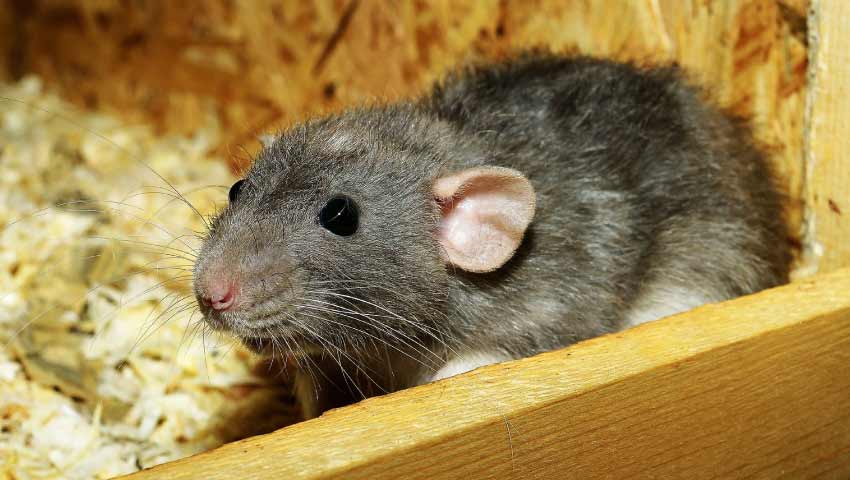
Quick answer: The safest way to control rats around pets is to skip standard anticoagulant rodenticides entirely and instead combine exclusion (sealing entry points), pet-proof snap-trap stations, and removing food and water sources. Traditional rat poison poses a real secondary poisoning risk to dogs and cats that eat a poisoned rat or accidentally access the bait itself.
Key Takeaways
- Anticoagulant rat poisons can poison pets two ways: directly if they eat the bait, or indirectly (“secondary poisoning”) if they eat a rat that has ingested it.
- Sealing entry points as small as a quarter-inch gap is one of the most effective long-term rat control methods, since rats can squeeze through surprisingly small openings.
- Snap traps placed inside tamper-resistant, pet-proof bait stations are generally safer around cats and dogs than poison bait.
- Popular “natural” repellents like peppermint oil and ultrasonic devices have weak or inconsistent evidence behind them and shouldn’t be relied on as a sole solution.
- If you suspect your pet has eaten rat poison or a poisoned rodent, contact a vet or animal poison control immediately – symptoms of anticoagulant poisoning can take days to appear.
Why Trust This Guide?
This guide reflects general pest-control best practices and veterinary toxicology guidance on rodenticide risks to pets, focused on methods that address rat problems without introducing unnecessary hazards to dogs, cats, and other household animals.
Why Standard Rat Poison Is Risky Around Pets
Most conventional rat poisons are anticoagulant rodenticides, which work by preventing blood from clotting normally, causing a rodent to die from internal bleeding over several days. This delayed action is actually part of what makes these products dangerous to pets in two distinct ways. First, a curious dog or cat can directly access and eat the bait itself, particularly if it’s placed in an open tray or scattered rather than secured. Second – and less obvious to many pet owners – a pet can be poisoned secondarily by eating a rodent that has already ingested the bait but hasn’t died yet, since the poison remains active in the rodent’s tissues.
Because anticoagulant poisoning symptoms (lethargy, pale gums, unexplained bruising, bleeding from the nose or gums, weakness) often don’t appear for several days after exposure, pet owners sometimes don’t connect the dots until the poisoning has become serious. This delayed onset is exactly why prevention matters more than treatment after the fact – by the time symptoms show up, a pet may already need urgent veterinary care, including vitamin K therapy and, in severe cases, a blood transfusion. If you’re generally trying to keep questionable household substances away from a curious cat, our piece on whether witch hazel is safe for cats covers a similar everyday-toxicity question.
How to Identify a Rat Problem
Before deciding on a control strategy, it helps to confirm you’re actually dealing with rats rather than mice or another pest, since the appropriate response can differ. Common signs of a rat presence include droppings roughly the size of a grain of rice with pointed ends, gnaw marks on wood, wiring, or food packaging, greasy rub marks along walls and baseboards where rats travel repeatedly, and unusual nighttime noises like scratching or scurrying in walls, attics, or crawl spaces. Rats are neophobic, meaning they’re naturally cautious of new objects in their environment, which is part of why traps sometimes go untouched for several days before a rat finally approaches one.
If you have pets, you may also notice your dog or cat displaying unusual interest in a particular wall, cabinet, or area of the yard – pets often detect rodent activity well before their owners do, through scent and hearing that far exceeds human capability.
Pet-Safer Ways to Control Rats
Exclusion is widely considered the single most effective long-term rat control strategy, and it carries no poisoning risk to pets at all. Rats can squeeze through gaps as small as a quarter-inch, so sealing potential entry points – around pipes, vents, foundation cracks, and gaps under doors – with steel wool, hardware cloth, or caulk closes off access before rats can establish themselves indoors. This is more labor-intensive than simply setting bait, but it addresses the root cause rather than just the symptom.
Snap traps remain one of the most effective non-poison options, and their safety around pets comes down almost entirely to placement. Setting a snap trap inside a tamper-resistant bait station, or in a location genuinely inaccessible to your pets (behind an appliance, inside a wall void, in a locked outbuilding), lets you use an effective trap without exposing curious paws or noses to the trap’s mechanism. Electronic traps, which deliver a lethal electric shock to the rodent inside an enclosed chamber, are another pet-safer mechanical option, since the chamber itself typically prevents a pet from reaching the rodent or the mechanism.
Live-catch traps are sometimes used as a more humane alternative, though they require prompt, humane relocation or euthanasia once a rat is caught, and relocating wildlife is restricted or regulated in some areas – it’s worth checking local regulations before relying on this method.
Natural Repellents: What Actually Works vs. Common Myths
A number of “natural” rat deterrents are widely marketed, but the evidence behind them varies considerably. Peppermint oil is one of the most commonly recommended natural repellents, but the research on its effectiveness is mixed and generally weak – it may cause temporary avoidance in a small, contained area, but it’s not a reliable standalone solution for an established rat problem, and reapplication needs are frequent since the scent fades quickly.
Ultrasonic pest-repellent devices, which claim to drive away rodents with high-frequency sound, have been repeatedly tested with inconsistent or negative results in independent studies – rats often habituate to the sound within days and resume normal activity. Similarly, the old advice to scatter bay leaves or use mothballs as a repellent has little supporting evidence and, in the case of mothballs, introduces its own toxicity risk to pets, since mothballs contain naphthalene or paradichlorobenzene, both of which are harmful if ingested.
What does have more legitimate supporting evidence is predator scent and presence – the smell of a household cat, or used litter from a cat, can genuinely discourage rats from an area, since rats have strong innate avoidance responses to predator cues. This isn’t a complete solution on its own, but it can meaningfully support an exclusion-and-trapping strategy, particularly outdoors.
Keeping Rats Away From Pet Food
Pet food is one of the most common, and most overlooked, food sources that attracts rats to a property in the first place. Leaving dry pet food out overnight, whether indoors or on a porch, gives rats an easy, reliable meal. Storing pet food in airtight metal or heavy-duty plastic containers – rather than the original paper or thin plastic bag – removes both the scent trail and physical access that draws rodents in. This matters even more in tighter spaces, so if you’re managing pet food storage in a smaller home, our guide to apartment puppy routines touches on similar space-constrained pet-care logistics.
For pets fed outdoors, switching to scheduled feeding times rather than free-feeding, and picking up any uneaten food promptly, significantly reduces the food source available to rats overnight, which is typically when rat activity peaks. If you keep chickens, rabbit hutches, or other outdoor animals, the same principle applies to their feed – secure storage and prompt cleanup of spilled feed are two of the most effective, entirely non-toxic steps you can take.
Yard and Garden Rat Prevention
Outdoor rat prevention comes down to removing the same three things rats need indoors: food, water, and shelter. Compost piles, if not properly managed, can become both a food source and a nesting site – using a fully enclosed compost bin rather than an open pile, and avoiding meat or dairy scraps in compost, reduces this attraction significantly. Fallen fruit from trees, bird feeder spillage, and unsecured trash cans are other common outdoor food sources worth addressing.
Dense brush piles, stacked firewood close to the house, and overgrown vegetation along foundations all provide the sheltered, hidden pathways rats prefer for moving around a property undetected. Trimming vegetation back from the house, elevating firewood off the ground, and keeping brush piles away from structures removes much of the cover rats rely on, making a yard meaningfully less hospitable without a single trap or repellent being used. If digging and yard disruption are already an issue with a dog, our guide to stopping a dog from digging in the garden covers a related outdoor-behavior challenge.
Common Mistakes That Undermine DIY Rat Control
Even well-intentioned rat control efforts often fall short because of a handful of predictable mistakes. One of the most common is placing traps in the wrong location – rats tend to travel along walls and other fixed paths rather than crossing open floor space, so a trap set in the middle of a room is far less likely to catch anything than one placed directly against a wall or in a known travel corridor. Watching for the greasy rub marks mentioned earlier is a reliable way to identify these paths before placing traps.
Another frequent misstep is giving up too early. Because rats are naturally cautious of new objects, it’s common for a freshly placed trap to go untouched for several days while rats investigate it from a distance before approaching. Leaving traps unbaited and simply in place for a few days before adding bait – a technique sometimes called pre-baiting – can improve success rates by letting rats get used to the trap’s presence first.
Using the wrong bait is another common issue. Peanut butter, which is frequently recommended, works well in many cases, but rats that have access to pet food, bird seed, or other reliable food sources nearby may simply ignore a trap baited with something less appealing than what they’re already eating. Matching bait to what’s actually attracting the rats in the first place – sometimes even a small piece of the pet food they’ve been accessing – can improve results.
Finally, treating rat control as a one-time event rather than an ongoing process often leads to problems returning. A single successful trapping session doesn’t address whatever originally drew rats to the property, so without following through on exclusion and food-source removal, new rats frequently move into the same favorable conditions within weeks or months.
Choosing the Right Trap for Your Situation
Snap traps are inexpensive, reusable, and kill quickly when triggered properly, making them a solid default choice for most households, provided they’re placed where pets genuinely can’t reach them. Their main downside is that improper placement can pose a pinch-injury risk to curious pets or children, which is why enclosed bait stations designed to hold a snap trap are worth the modest extra cost for pet-owning households.
Electronic traps cost more upfront but offer a cleaner, fully enclosed kill with no risk of a pet reaching the mechanism, and many models include an indicator light that shows when the trap has been triggered, which saves you from checking every trap manually. These tend to be a good fit for indoor use in homes with pets who have consistent access to areas where traps are needed.
Live-catch traps appeal to owners who prefer not to kill rodents directly, but they come with real practical downsides: a live rat still needs to be handled, transported, and either humanely euthanized or relocated according to local regulations, and simply releasing a rat elsewhere often just relocates the problem to a neighboring property rather than solving it. For pet-owning households specifically, live traps also mean a live, stressed rodent is present in the home for a period of time before removal, which isn’t necessarily an improvement from a pet-safety standpoint if curiosity leads a dog or cat to investigate the trap itself.
When to Call a Professional
A well-established rat infestation, particularly one involving multiple rats or signs of nesting inside walls or an attic, often exceeds what home methods can fully resolve, especially if exclusion work requires structural repairs beyond a typical homeowner’s ability. A licensed pest control professional can identify entry points you might miss, use monitoring stations to gauge the scale of the problem, and apply control methods with the training to keep them pet-safe.
When hiring a professional, it’s worth asking directly about their approach to pet safety – specifically, whether they use enclosed, tamper-resistant bait stations if any rodenticide is used, and whether pet-free non-toxic alternatives are available for your specific situation. A reputable company should be willing to discuss this openly and adjust their approach for a pet-owning household.
If Your Pet Is Exposed to Rat Bait or a Dead Rat
If you know or suspect your pet has eaten rat bait directly, contact your veterinarian or an animal poison control hotline immediately, even if your pet seems completely normal – anticoagulant symptoms are often delayed by several days, and treatment is far more effective when started before symptoms appear. Bring the product packaging with you if possible, since the specific active ingredient affects treatment.
If your pet has caught or eaten a dead or dying rodent, especially in an area where rodenticide use is possible (your own property or a neighbor’s), the same urgency applies, since secondary poisoning follows the same delayed-symptom pattern as direct ingestion. Watching for lethargy, pale gums, unexplained bruising, or bleeding over the following one to two weeks – and seeking prompt veterinary attention if any appear – gives your pet the best chance at a full recovery.
FAQ: Rat Control and Pet Safety
Is rat poison always dangerous to pets? Conventional anticoagulant rodenticides carry a real risk of both direct and secondary poisoning to pets, which is why pet-safer alternatives like exclusion and enclosed snap-trap stations are generally recommended for pet-owning households.
Does peppermint oil actually keep rats away? The evidence is weak and inconsistent – it may offer mild, short-term deterrence in a small area, but it shouldn’t be relied on as a standalone solution for an established rat problem.
Are ultrasonic rat repellers effective? Independent testing generally shows rats habituate to the sound within days, so these devices are not considered a reliable primary control method.
What’s the single most effective non-poison rat control method? Exclusion – sealing entry points as small as a quarter-inch – is widely considered the most effective long-term strategy, since it prevents rats from accessing the space at all.
My pet ate a dead rat – is that dangerous? It can be, if the rat had ingested rodenticide before dying, due to secondary poisoning risk. Contact your vet promptly, even if your pet appears fine.
Can cats help control a rat problem? A cat’s presence and scent can discourage rats from an area to some degree, but a cat shouldn’t be relied on as a complete rat control solution, especially for an established indoor infestation.
How long does it take to get rid of rats naturally? A combination of exclusion, trapping, and food-source removal can show noticeable results within one to two weeks for a small population, though a well-established infestation may take a month or more to fully resolve.
Are electronic traps safer than snap traps for pets? Generally yes, since the kill mechanism is fully enclosed – a curious pet can’t trigger or be injured by it the way they potentially could with an improperly placed snap trap.
What smells do rats hate? Predator scents (like cat presence) have the most legitimate supporting evidence; peppermint, though popular, has much weaker and less consistent evidence behind it.
Is it safe to use dry ice or other DIY rat control methods? Many DIY methods circulating online lack solid safety testing and can pose risks to pets or people if used incorrectly – sticking to well-established methods like exclusion, mechanical traps, and food-source removal is the safer approach.
[…] Which foreign pets are legal in Washington State? […]