
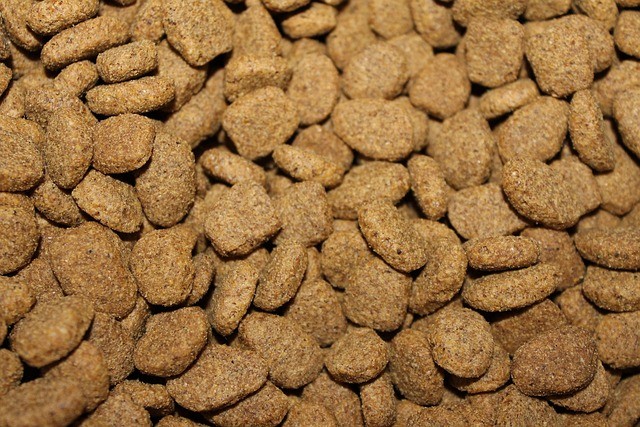
Buying a large bag of dry food or a case of tins can feel like a smart, cost-effective choice, but poor storage can quietly undo those savings by letting food go stale, lose nutrients, or attract pests long before the bag is empty. Pet food storage isn’t just about tidiness; it directly affects freshness, nutritional value, palatability, and in some cases, food safety.
This guide covers how to store dry kibble, wet food, and treats properly, how long different types of pet food actually stay fresh once opened, and the storage mistakes that quietly shorten a product’s usable life.
Quick Answer: Store pet food properly by keeping dry kibble in its original bag inside an airtight container, in a cool, dry place away from direct sunlight, and use it within four to six weeks of opening. Refrigerate opened wet food and use within a few days, and keep treats sealed to preserve freshness and prevent pest access.
Key Takeaways
- Keeping dry food in its original bag, placed inside a sealed container, preserves the manufacturer’s protective lining better than transferring food loose into a new container.
- Opened dry kibble is best used within four to six weeks; opened wet food should generally be refrigerated and used within a few days.
- Heat, humidity, and direct sunlight are the biggest threats to nutrient retention and fat oxidation in pet food.
- Airtight, pest-proof containers prevent both spoilage and unwanted visitors like pantry moths and rodents.
- Buying appropriately sized bags for how quickly your pet eats through them beats buying in bulk if storage conditions aren’t ideal.
Why Trust This Guide?
This guide is written and researched by the Pets Store Home editorial team. We cross-check our pet care guidance against established veterinary and pet nutrition sources, and this article is reviewed periodically to keep it accurate and current. It’s intended as general information; check manufacturer guidance on specific packaging for product-specific storage recommendations.
Why Proper Storage Actually Matters
Pet food, particularly dry kibble, contains fats that can oxidize and turn rancid when exposed to air, heat, and light over time, which reduces palatability and can lower nutritional value. Improper storage can also allow moisture in, creating conditions where mold or bacteria can grow, particularly in humid climates or bathrooms and garages with fluctuating temperatures. Beyond food safety, poor storage attracts pests: pantry moths, beetles, and rodents are all drawn to improperly sealed pet food, and an infestation can be difficult to fully eliminate once established in a kitchen or pantry space.
Storing Dry Kibble Correctly
The best approach for dry food is to keep it in its original bag, which is typically lined with a layer designed to protect against oxygen and moisture, and place that entire bag inside a separate airtight container rather than pouring the kibble loose into a new bin. This preserves the manufacturer’s protective barrier while adding an extra layer of defense against air and pests. Choose a container made specifically for food storage, ideally opaque or kept somewhere away from direct light, and store it in a cool, dry location such as a pantry or cupboard rather than a garage or basement prone to temperature swings and humidity.
How Long Dry Food Stays Fresh Once Opened
Most dry kibble is best used within four to six weeks of opening, even if the best-before date on the bag is still months away, since that date reflects an unopened, sealed product. Larger bags that will take longer than six weeks to finish are often a false economy if storage conditions aren’t ideal, since the food may lose palatability and nutritional value well before the bag is empty. For households with a single small pet, buying a smaller bag more frequently, even at a slightly higher per-kilogram cost, often works out better than a large bag going stale before it’s finished.
Storing Wet and Canned Food
Unopened wet or canned food should be stored in a cool, dry place and generally doesn’t need refrigeration until opened. Once a can or pouch is opened, any unused portion should be covered and refrigerated, and used within about two to three days for most products, though it’s worth checking specific manufacturer guidance since formulations vary. Silicone or plastic can covers designed specifically for pet food tins keep the opening sealed better than plastic wrap alone and are a worthwhile inexpensive addition to a pet food storage routine.
Storing Treats and Chews
Treats, particularly softer, semi-moist varieties, are prone to drying out or, conversely, developing mold if stored improperly, so an airtight container is just as important for treats as it is for main meals. Freeze-dried and dehydrated treats generally have a longer shelf life but still benefit from airtight storage to prevent moisture reabsorption, which can affect texture and shelf stability. Long-lasting chews, such as bully sticks or rawhide alternatives, should be stored in a cool, dry place, and any chew that develops an off smell or visible mold should be discarded rather than offered.
The Role of Temperature and Humidity
Heat accelerates fat oxidation in dry food, which is why storage in a garage, shed, or near an appliance that generates warmth, such as an oven or radiator, isn’t ideal even if the container itself is airtight. Humidity is equally important, since moisture can seep into a container over time through repeated opening and closing, particularly in kitchens with high ambient humidity from cooking. A stable, moderate-temperature, low-humidity spot, such as a pantry cupboard away from major heat sources, is generally the best all-around location for most households.
Buying the Right Quantity for Your Storage Situation
Matching bag size to how quickly a pet actually eats through it is one of the most practical ways to avoid storage-related freshness issues altogether. A single cat or small dog in a household without ideal storage conditions may do better with smaller, more frequent purchases, even if bulk buying seems more economical on paper. Multi-pet households that go through food quickly can often make bulk buying work well, since the food doesn’t sit in storage as long before being used.
Signs That Pet Food Has Gone Bad
A noticeably different or rancid smell compared to when the bag was first opened is one of the clearest signs dry food has started to spoil. Visible mold, a change in texture, or kibble that has become unusually oily or clumped together are also warning signs. For wet food, any off smell, discoloration, or a can that appears swollen or damaged should be discarded without tasting or serving, since a swollen can in particular can indicate bacterial contamination. When in doubt, it’s safer to discard questionable food than risk feeding something that could cause digestive upset or illness.
Storage Tips for Raw and Fresh Diets
Raw and fresh-frozen pet food requires more careful handling than dry or shelf-stable wet food, generally needing to stay frozen until shortly before feeding and refrigerated only briefly once thawed. Cross-contamination is a bigger concern with raw diets, so dedicated preparation surfaces, bowls, and utensils, cleaned thoroughly after each use, are an important part of safe storage and handling. Owners feeding raw or fresh diets should follow the specific manufacturer or veterinary nutritionist guidance for that product, since handling requirements can vary more than with traditional dry or canned food.
Seasonal Considerations
Warmer months bring an increased risk of both faster spoilage and pest activity, so it’s worth checking stored food more frequently during summer and considering smaller purchase quantities if a home doesn’t have reliable climate control. Cold, damp winter conditions in some regions can also introduce humidity concerns, particularly for food stored in less insulated spaces like garages or porches, making an indoor pantry location preferable year-round where possible.
Common Storage Mistakes to Avoid
Pouring dry kibble directly into a storage container without keeping the original bag removes the manufacturer’s protective oxygen and moisture barrier, leaving the food more exposed than intended. Storing pet food near cleaning products or chemicals risks odor transfer or, in worst cases, contamination if a container isn’t perfectly sealed. Leaving bags open or loosely closed between uses, even for convenience, significantly speeds up staleness and increases pest risk compared to consistent, proper resealing after every use.
Choosing the Right Storage Container
Look for containers made from food-grade plastic, stainless steel, or another material specifically designed for food storage, since some materials can leach odors or chemicals into food over long periods of contact. A tight-fitting, ideally latching lid provides much better protection against both air and pests than a simple press-on lid that can loosen over time with repeated use. Size matters too: a container that closely matches the quantity of food being stored minimizes the amount of air trapped inside, which further slows oxidation compared to a container that’s mostly empty air once partially used.
Labeling and Rotation Habits
Writing the opening date directly on a container or bag with a marker makes it much easier to track how long food has been open, rather than relying on memory, particularly in multi-pet households working through several products at once. For households that buy food in advance or keep a small backup supply, practicing “first in, first out” rotation, using older stock before newer purchases, helps ensure nothing sits unused past its ideal freshness window. This habit is especially useful for treats and supplements, which are easy to lose track of at the back of a cupboard.
Storage Considerations for Multi-Pet Households
Homes with several pets eating different diets, such as a dog on one formula and a cat on another, benefit from clearly separated, clearly labeled storage to avoid mix-ups, particularly important for pets with allergies or specific dietary needs. Keeping each pet’s food in its own dedicated container, rather than combining multiple products into shared storage, also makes portion control and monitoring intake easier across the household. This becomes particularly important when one pet is on a prescription or veterinary therapeutic diet that shouldn’t be accidentally shared with another animal.
Travel and Short-Term Storage
When traveling with pet food, portioning out just what’s needed into smaller, clearly labeled sealed bags or containers keeps the main supply at home protected while still providing fresh, properly stored food on the go. Avoid leaving pet food in a hot car for any extended period, even briefly, since vehicle interiors can reach temperatures that significantly accelerate spoilage. For longer trips, bringing food in its original packaging inside an insulated bag, particularly in warm weather, helps maintain quality until it can be transferred to proper storage at the destination.
Storage for Special Diets and Supplements
Prescription and veterinary therapeutic diets often have specific storage instructions that can differ from standard commercial food, so it’s worth checking packaging or asking a veterinarian directly rather than assuming general storage advice applies uniformly. Supplements, including joint support powders, probiotics, and vitamins, are often more sensitive to heat, light, and moisture than the food itself, and many benefit from refrigeration once opened even if the food they’re mixed into doesn’t require it. Keeping supplements in their original containers, tightly sealed and away from direct sunlight, helps preserve their effectiveness for the full labeled shelf life.
Pest Prevention Beyond Sealed Containers
Even with a well-sealed container, keeping the storage area itself clean, free of spilled kibble, and checked periodically for early signs of pest activity adds an extra layer of protection. Pantry moths in particular can arrive in a bag of food from the store already carrying eggs, so periodically inspecting stored food, especially bags that have been open for several weeks, helps catch a developing problem before it spreads to other pantry items. Storing pet food away from other dry goods, or using a dedicated cupboard or bin, can also help contain any pest issue to a smaller, more manageable area if one does develop.
How Storage Affects Palatability
Beyond safety and nutrition, storage quality directly affects how appealing food remains to a pet, and a sudden drop in a previously reliable eater’s interest in their food is sometimes traced back to staleness rather than a health issue. Fats that have begun to oxidize can produce an off smell that’s subtle to humans but very noticeable to a pet’s much more sensitive nose. If a normally enthusiastic eater becomes suddenly picky, checking the freshness and storage conditions of their current food, alongside ruling out medical causes, is a reasonable early step before assuming a full diet change is needed.
Building a Simple, Sustainable Routine
The most effective storage habits are the ones that fit naturally into an existing routine rather than requiring constant extra effort, such as resealing the original bag immediately after each use and keeping the storage container in an easily accessible spot near where food is served. Small, consistent habits, like checking for an off smell before scooping each meal or noting the opening date at the moment a bag is first used, add up to meaningfully better freshness over time without becoming a chore.
Related Reading
Frequently Asked Questions
Can I just pour kibble straight into a plastic storage bin?
It’s better to keep the food in its original bag and place that bag inside the bin, since the original packaging has a protective lining that a generic container doesn’t replicate.
How long can opened wet food stay in the fridge?
Most opened wet or canned food should be used within two to three days when refrigerated and covered; check specific product guidance for exact timing.
Is it safe to freeze dry kibble to extend its shelf life?
Freezing isn’t generally necessary or recommended for standard dry kibble, since proper airtight, cool storage is normally sufficient for the recommended usage window.
Does buying in bulk save money if I can’t store it perfectly?
Not always; food that goes stale or gets thrown away due to poor storage conditions can offset any savings from a lower per-kilogram bulk price.
How can I tell if my pet’s food has gone rancid?
A stronger or different smell than when first opened, an oily or clumped texture, or visible mold are the main warning signs to watch for.
Do treats need the same careful storage as main meals?
Yes, particularly semi-moist treats, which can dry out or develop mold if left in an unsealed bag or container.
Final Thoughts
Proper pet food storage is a simple habit that protects both your pet’s health and your household budget, since freshness affects palatability, nutrition, and safety all at once. Keeping dry food in its original bag inside an airtight container, refrigerating opened wet food promptly, and matching purchase quantity to how quickly your pet actually eats through it are small changes that make a real difference over time.
[…] Which foreign pets are legal in Washington State? […]