
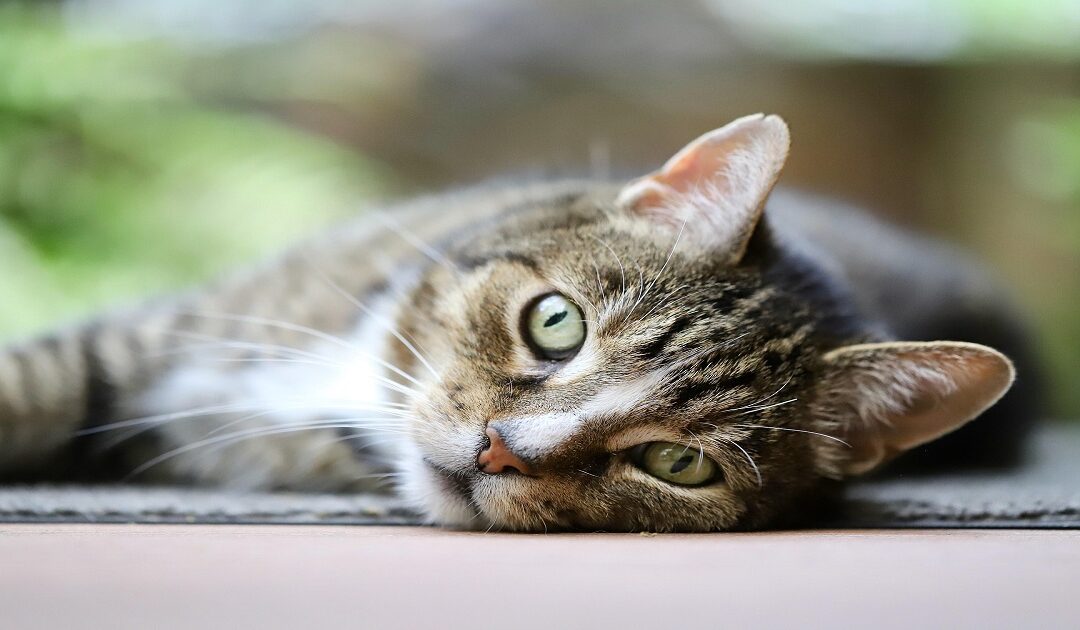
Yesterday your cat was completely herself — today she’s hiding under the bed, avoiding food, or suddenly hissing at you for no clear reason. If you’re searching “why is my cat acting different all of a sudden,” that gut feeling that something’s genuinely wrong is worth trusting. Cats are creatures of routine, and a sudden, sharp shift — not a slow, gradual change — is one of the clearest signals in feline behavior that something needs attention, whether that’s stress, pain, or an underlying illness. Here’s how to work through the real possibilities calmly, and know exactly when it’s time to call the vet.
⚡ Quick Answer
A cat acting different all of a sudden is most often caused by an underlying medical issue, acute stress from an environmental change, or pain the cat can’t otherwise communicate. Because cats instinctively hide illness, a sudden behavior change is frequently the first visible sign something is wrong — far more reliable than waiting for obvious physical symptoms. Any sudden change involving hiding, appetite loss, aggression, or litter box avoidance warrants a vet visit rather than a wait-and-see approach.
Key Takeaways
- Sudden behavior changes in cats are far more likely to signal illness or acute stress than gradual, slow-developing changes.
- Cats instinctively mask pain and illness, so behavior is often the earliest and most reliable warning sign available to owners.
- Common triggers include medical illness, environmental stress (new pet, moved furniture, schedule change), pain, and normal life-stage shifts like going into heat.
- Excessive hiding, sudden aggression, litter box avoidance, and appetite changes are the signs that warrant the most urgency.
- A vet visit is the right first step for any sudden change — it’s far better to rule out a medical cause than assume it’s “just stress.”
Table of Contents
- Why “Sudden” Matters More Than “Weird”
- Why Trust This Guide
- How Urgent Is It? A Quick Decision Guide
- The Most Common Causes
- Real Case Study
- What to Do Right Now
- Common Mistakes
- Checklists
- FAQ
🐾 Why Trust This Guide
This guide was researched and written by the Pets Store Home editorial team against veterinary-reviewed sources. See our full Editorial Standards. This article is educational and not a substitute for veterinary advice — a sudden behavior change always deserves a professional evaluation, not just an online read.
Why “Sudden” Matters More Than “Weird”
Cats naturally have quirky, individual habits — that’s normal. What’s different about a sudden change is the timeline: your cat went from her usual self to noticeably different within hours or a day or two, not gradually over weeks. This distinction matters because acute, sharp shifts are far more likely to point to a genuine problem — pain, illness, or a specific stressful trigger — than a slow personality drift, which is more often just normal aging or routine adjustment.
How Urgent Is It? A Quick Decision Guide
🟢 Monitor at Home
Mild, brief hiding after a startling noise; slightly more clinginess following a household change; one skipped meal with otherwise normal energy and litter box use. Watch for 24 hours — most resolve on their own once the trigger passes.
🟠 Book a Vet Visit This Week
Ongoing hiding beyond a day or two, new aggression toward people or other pets, increased vocalization, noticeable changes in grooming, or excessive thirst. These warrant a proper exam even if your cat still seems otherwise okay.
🔴 See a Vet Today
Complete refusal to eat for over 24 hours, straining in or avoiding the litter box entirely, visible pain (crying out, limping, hunched posture), lethargy, or vomiting alongside the behavior change. These combinations can signal a genuine emergency.
Pet Care Tip: When in doubt, call your vet’s phone line even for a “green zone” situation — a quick phone triage costs nothing and can quickly confirm whether home monitoring is genuinely appropriate.
The Most Common Causes
A handful of causes explain the vast majority of sudden cat behavior changes:
- Underlying illness — hyperthyroidism, urinary tract issues, dental pain, or other conditions that show up behaviorally before physical symptoms are obvious.
- Pain — cats rarely limp or cry out the way dogs do; hiding, aggression when touched, or reduced movement can be their main pain signal.
- Environmental stress — a new pet, moved furniture, a house guest, construction noise, or even a change in your own schedule.
- Life-stage shifts — an unspayed female going into heat can trigger sudden clinginess or vocalization; senior cats can develop cognitive changes.
- Grief or loss — cats can show real behavioral signs of distress after losing a companion animal or a family member’s absence.
Real Case Study: Sudden Aggression Traced to Pain
Example Scenario: A normally affectionate seven-year-old cat suddenly began hissing and swatting whenever her owner tried to pick her up, something completely out of character. Assuming she’d simply become moodier with age, the owner gave her more space for a couple of weeks, hoping it would pass. When the aggression continued and she also started eating less, a vet exam revealed a urinary tract infection causing significant discomfort, made worse by the pressure of being picked up. Once treated with antibiotics, the aggression resolved within days, and her normal affectionate behavior returned fully. What looked like an unexplained personality shift was her only way of communicating pain — a reminder that sudden aggression, especially paired with any other change, deserves a vet check rather than an assumption.
Common Mistakes Owners Make
- Assuming it’s “just a mood” without investigating. Why it happens: cats have varied personalities already. Consequence: a treatable medical cause goes unnoticed. Fix: treat any sudden change as worth a closer look, not dismissed as quirkiness.
- Waiting to see if it passes. Why it happens: hoping for the best. Consequence: delays treatment for a condition that’s actively worsening. Fix: use the urgency guide above to decide how long is genuinely safe to wait.
- Punishing new aggression or litter box avoidance. Why it happens: the behavior is frustrating. Consequence: adds stress on top of a possible medical issue, worsening things further. Fix: investigate the cause calmly before reacting to the behavior itself.
- Overlooking recent environmental changes. Why it happens: a small change (moved furniture, new work schedule) doesn’t seem significant to a person. Consequence: missing an easily identifiable, fixable stress trigger. Fix: mentally walk through anything that’s changed in the last week.
- Skipping the vet because “nothing looks physically wrong.” Why it happens: no obvious injury or symptom is visible. Consequence: many feline illnesses show behaviorally long before physical signs appear. Fix: let a vet exam, not a visual check, rule out illness.

What to Do Right Now
- Check the urgency level above. Match your cat’s specific signs to the green/orange/red guide to decide your timeline.
- Think through recent changes. New pets, furniture moves, guests, schedule shifts, or even a new cleaning product smell can all be triggers.
- Watch eating, drinking, and litter box habits closely. These three areas are the most reliable early indicators of a medical issue.
- Avoid forcing interaction. Let your cat retreat to a safe space rather than pushing attention on them while they’re clearly unsettled.
- Book the vet visit if anything in the orange or red zone applies. Don’t wait for certainty — a vet exam is the fastest way to rule things in or out.
- Keep a simple log. Note what changed and when — this information is genuinely useful for your vet’s diagnosis.
Pet Care Tip: Take a quick video if you can safely do so — showing your vet the actual behavior (a hiss, a limp, unusual movement) often communicates more than a description alone, especially if the behavior doesn’t happen during the exam itself.
Practical Checklists
What Changed? Checklist
- ☐ New pet, person, or houseguest in the home
- ☐ Moved furniture, litter box, or food bowls
- ☐ Change in your own schedule or routine
- ☐ New food, cleaning product, or strong scent
- ☐ Recent loud noise (construction, fireworks, storms)
When-to-See-a-Vet Checklist
- ☐ Refusing food for over 24 hours
- ☐ Straining in or avoiding the litter box
- ☐ Visible pain signs (crying out, hunched posture, limping)
- ☐ Hiding lasting more than a day or two
- ☐ Vomiting, lethargy, or excessive thirst alongside the behavior change
Cause Quick Comparison
| Likely Cause | Key Sign | Best First Step |
|---|---|---|
| Illness/pain | Appetite change, aggression when touched | Vet exam |
| Environmental stress | Started after a household change | Identify and reduce the trigger |
| Heat cycle | Increased affection/vocalization, unspayed female | Vet check, discuss spaying |
| Grief/loss | Started after losing a companion | Extra attention, patience, routine stability |
Frequently Asked Questions
Can cats sense when their owner is stressed and act differently because of it?
Yes, cats are sensitive to changes in household mood and routine, and can become more clingy, withdrawn, or unsettled in response to a stressed or distracted owner.
Is it normal for an older cat’s behavior to change suddenly?
A gradual shift is more typical with normal aging, but a genuinely sudden change in a senior cat still warrants a vet check, since conditions like hyperthyroidism or cognitive dysfunction become more common with age.
My cat is suddenly much more affectionate — is that a bad sign?
Not necessarily — increased affection can reflect a heat cycle, mild pain-seeking comfort, or simply insecurity from a household change, so it’s worth noting alongside any other changes rather than assumed harmless or concerning on its own.
How long should I wait before worrying about a behavior change?
Use the urgency guide as a starting point — mild changes are reasonable to monitor for 24 hours, but anything involving appetite loss, litter box issues, or visible discomfort should prompt a vet visit much sooner.
Can a change in cat food cause sudden behavior changes?
Yes, a new food can cause digestive discomfort or simply be unappealing, leading to reduced eating or irritability, though it’s still worth ruling out other causes if the change persists.
Sources & References
- Cats.com — Why Is My Cat Acting Weird? When to Worry
- Catster — Why Is My Cat Acting Weird? 5 Vet-Reviewed Reasons
- Maven Pet — Why Is My Cat Acting Weird? Behavior Changes Explained (Vet Verified)
- Blue Springs Animal Hospital — Is Your Cat Acting Strange? Behavior Changes That Are a Red Flag
- CatHealth.com — Why Is My Cat Suddenly Acting Out
About the Author & Editorial Process
This guide was researched and written by the Pets Store Home editorial team — pet owners and researchers who verify every claim against trusted veterinary and animal-welfare sources before publishing.
This content is for general educational purposes and is not a substitute for individualized veterinary advice. Always consult a qualified vet for concerns specific to your cat.
Last reviewed: September 2026 | Read our Editorial Standards
Final Thoughts
A sudden change in your cat’s behavior is your cat’s way of telling you something, even if she can’t say it directly — and that’s worth taking seriously rather than brushing off. Use the urgency guide to gauge how quickly to act, keep an eye on eating, drinking, and litter box habits, and don’t hesitate to call your vet when something feels off. More often than not, catching it early makes all the difference in how quickly she gets back to being herself.
Could a Recent Vaccine Explain the Change?
If your cat’s shift in behavior started shortly after a vet visit, a vaccine reaction is worth considering alongside other causes. Mild lethargy for a day or two is common and not a concern, but this guide to vaccinating your pet covers which reactions are normal and which ones warrant a call back to your vet.
[…] Which foreign pets are legal in Washington State? […]