
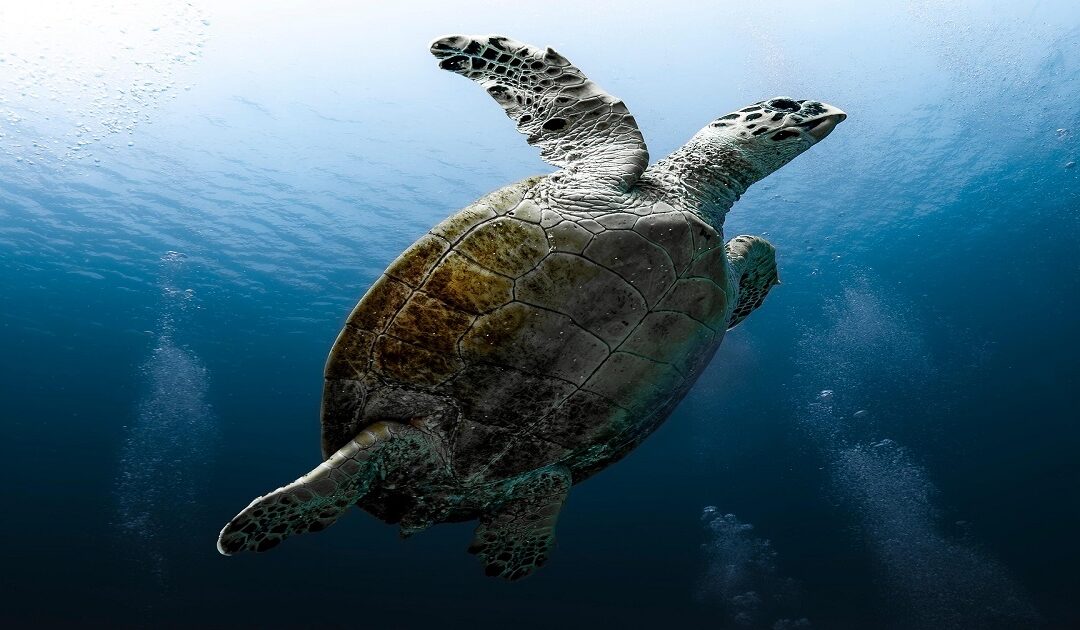
You drop in his favorite food and walk away — but when you check back, it’s untouched, and your turtle hasn’t moved from his basking spot in hours. If why is my turtle not eating is the question keeping you up at night, take a breath: in the large majority of cases, this points to something fixable in temperature, lighting, or stress rather than a medical emergency. But knowing which one you’re dealing with — and when it’s genuinely time to worry — makes all the difference. Here’s how to work through the real causes calmly and get your turtle back to its normal appetite.
⚡ Quick Answer
A pet turtle not eating is most commonly caused by incorrect water or basking temperature, insufficient UVB lighting, recent-home stress, seasonal brumation, or an underlying illness. Turtles are ectothermic, so even a small drop in temperature can significantly slow their metabolism and appetite. Check temperature and lighting first, allow a newly acquired turtle time to settle, and see a reptile vet if the turtle also shows lethargy, discharge, shell discoloration, or goes more than one to two weeks without eating.
Key Takeaways
- Turtles are ectothermic — their appetite is directly tied to water and basking temperature, making this the most common cause of not eating.
- “New home syndrome” is completely normal for recently acquired turtles and usually resolves within one to two weeks.
- Some species naturally reduce or stop eating during seasonal brumation (a reptile version of hibernation), which is normal, not illness.
- Sudden appetite loss paired with lethargy, discharge, or shell changes points to illness and needs a reptile vet, not just a husbandry check.
- Most non-medical feeding issues resolve within one to two weeks once the underlying environmental problem is corrected.
Table of Contents
- Why Turtles Stop Eating
- Why Trust This Guide
- The Main Causes, by Type
- When It’s a Medical Emergency
- Real Case Study
- What to Do, Step by Step
- Common Mistakes
- Checklists
- FAQ
🐾 Why Trust This Guide
This guide was researched and written by the Pets Store Home editorial team against reptile-husbandry and exotic-vet sources. See our full Editorial Standards. This article is educational and not a substitute for guidance from a reptile-experienced veterinarian — prolonged appetite loss always warrants a professional exam.
Why Turtles Stop Eating
Unlike mammals, turtles are ectothermic — they rely entirely on their environment to regulate body temperature, and their metabolism (including digestion and appetite) slows dramatically when they’re too cold. This single fact explains why temperature is the first thing to check whenever a turtle stops eating, before jumping to more worrying conclusions.
The Main Causes, by Type
🔵 Temperature & Lighting
The most common cause. Water temperature should generally fall between 25-35°C (77-95°F) depending on species, with a basking spot several degrees warmer. Insufficient UVB lighting also slows metabolism and appetite even when temperature is correct.
🟠 New Home Stress
Recently acquired turtles commonly refuse food for the first one to two weeks while adjusting to a new tank, new sounds, and a new routine. This is normal and typically resolves on its own with patience and minimal handling.
🟣 Seasonal Brumation
Some species naturally slow down or stop eating during cooler months as part of brumation, a reptile version of hibernation. This is a normal seasonal cycle for many species, not a sign of illness, though it’s worth confirming with species-specific care guidance.
🔴 Illness or Underlying Health Issue
Respiratory infections, parasites, vitamin A deficiency, mouth rot, or (in females) egg-binding can all cause appetite loss. These typically come with other symptoms — wheezing, discharge, lethargy, or shell changes — and need a reptile vet.
Pet Care Tip: Keep a thermometer and hygrometer in the enclosure and check them regularly, not just once at setup — small temperature drift over weeks is easy to miss without ongoing monitoring.
When It’s a Medical Emergency
Contact a reptile-experienced vet promptly if appetite loss is paired with any of the following: wheezing, nasal or eye discharge, visible lethargy or inactivity, discolored patches on the shell, absence of feces for an extended period, or straining (which can indicate egg-binding in females). These combinations point to a genuine medical issue that husbandry fixes alone won’t resolve.
Real Case Study: A Temperature Drop Traced to a Faulty Heater
Example Scenario: A red-eared slider that had eaten reliably for two years suddenly stopped taking food for nearly a week. The owner checked for visible illness signs — no discharge, no lethargy, normal shell — and assumed it might be stress from recently moved furniture near the tank. After several more days with no improvement, a closer check with a thermometer revealed the water heater had quietly failed, letting the water drop several degrees below the recommended range. Once the heater was replaced and temperature restored to the correct range, the turtle resumed eating within two days. The lesson: even a long-settled turtle with no obvious symptoms can stop eating purely from an equipment failure — checking the thermometer should always come before assuming something more complicated.
Common Mistakes Owners Make
- Assuming it’s always serious illness. Why it happens: appetite loss feels alarming. Consequence: unnecessary stress and rushed decisions. Fix: check temperature and recent changes first, calmly.
- Handling a newly acquired turtle too much. Why it happens: wanting to bond quickly. Consequence: extends new-home stress and delays eating. Fix: give minimal handling for the first one to two weeks.
- Not checking equipment regularly. Why it happens: assuming a heater or light “just works” once set up. Consequence: a silent equipment failure goes unnoticed for days. Fix: check thermometers and lighting timers weekly.
- Confusing brumation with illness. Why it happens: reduced eating looks the same either way at first. Consequence: unnecessary stress trying to force-feed a naturally slowing turtle. Fix: research your specific species’ seasonal patterns.
- Waiting too long to see a vet. Why it happens: hoping it resolves on its own. Consequence: a treatable illness progresses further. Fix: seek vet care if appetite loss continues past one to two weeks or other symptoms appear.
What to Do, Step by Step
- Check water and basking temperature. Confirm both fall within the correct range for your specific species using a reliable thermometer.
- Check UVB lighting. Confirm bulbs are functioning and not overdue for replacement — UVB output degrades over time even if the bulb still lights up.
- Consider recent changes. A new home, moved tank, new tank mate, or loud nearby activity can all trigger temporary stress-related appetite loss.
- Rule out brumation. Check whether your species naturally slows down seasonally, and whether the timing and temperature drop align with that pattern.
- Watch for illness signs. Check for discharge, lethargy, shell changes, or breathing difficulty alongside the appetite loss.
- Give it time if husbandry checks out. Allow one to two weeks for a fixed environmental issue or new-home stress to resolve.
- See a reptile vet if nothing improves, or if any warning sign appears. Don’t wait past two weeks of no eating without professional input.
Pet Care Tip: Try offering food at a different time of day or in a slightly different spot in the enclosure before assuming a bigger problem — some turtles are simply more responsive to feeding at certain times, especially right after a warm basking session.
Practical Checklists
Husbandry Check Checklist
- ☐ Water temperature confirmed within correct range for species
- ☐ Basking spot temperature confirmed correct
- ☐ UVB bulb functioning and not overdue for replacement
- ☐ No recent tank moves, new tank mates, or loud disruptions
- ☐ Food offered fresh and at a reasonable time of day
When-to-See-a-Vet Checklist
- ☐ Not eating for more than one to two weeks
- ☐ Wheezing, discharge, or breathing difficulty present
- ☐ Lethargy or inactivity beyond normal basking behavior
- ☐ Discolored shell patches or absence of feces
- ☐ Straining, especially in a female turtle (possible egg-binding)
Cause Quick Comparison
| Cause | Key Sign | Best First Step |
|---|---|---|
| Temperature/lighting | No other symptoms, otherwise active | Check thermometer and UVB bulb |
| New home stress | Recently acquired turtle | Minimal handling, give 1-2 weeks |
| Brumation | Cooler season, species-typical | Confirm species pattern, monitor |
| Illness | Lethargy, discharge, shell changes | Reptile vet exam |
Frequently Asked Questions
How long can a turtle safely go without eating?
Healthy adult turtles can often go one to two weeks without serious harm, especially during brumation, but this varies by species, age, and health status — a vet check is warranted if it extends beyond that without a clear explanation.
Should I try different foods if my turtle won’t eat?
It’s worth offering variety once husbandry basics are confirmed correct, since some turtles are simply selective, but this shouldn’t replace checking temperature and lighting first.
Can turtles refuse to eat due to a tank mate?
Yes, competition or intimidation from a more dominant tank mate can suppress appetite, so watching feeding behavior with other turtles present is worth doing if you have a multi-turtle setup.
Is it normal for older turtles to eat less?
Some reduction in appetite with age is common and generally not concerning on its own, though any sudden or dramatic change should still be checked rather than assumed to be purely age-related.
Do all turtle species brumate?
No, brumation patterns vary significantly by species and by whether the turtle is kept indoors with stable temperatures, so it’s worth researching your specific species’ typical seasonal behavior.
Sources & References
- WebMD Pets — What Do Pet Turtles Eat? (feeding and appetite guidance)
- All Turtles — Why Is My Turtle Not Eating?
- LoveToKnow Pets — Reasons Why My Turtle Isn’t Eating and How to Help
- AquAnswers — 8 Reasons Why Your Turtle Won’t Eat
- Reptile-experienced veterinary and husbandry resources on temperature and appetite regulation
About the Author & Editorial Process
This guide was researched and written by the Pets Store Home editorial team — pet owners and researchers who verify every claim against trusted sources before publishing.
This content is for general educational purposes and is not a substitute for individualized veterinary advice. Always consult a qualified reptile veterinarian for concerns specific to your turtle.
Last reviewed: September 2026 | Read our Editorial Standards
Final Thoughts
A turtle that won’t eat is worrying, but it’s rarely the mystery it feels like in the moment — temperature, lighting, and recent changes explain the vast majority of cases. Work through the checklist calmly, give husbandry fixes a week or two to take effect, and don’t hesitate to call a reptile vet if anything feels genuinely off. Most turtles are back to their normal appetite once the real cause is found.
[…] Which foreign pets are legal in Washington State? […]