
Plott Hound Brindle: Coat Colors, History, Temperament and Care (2026)
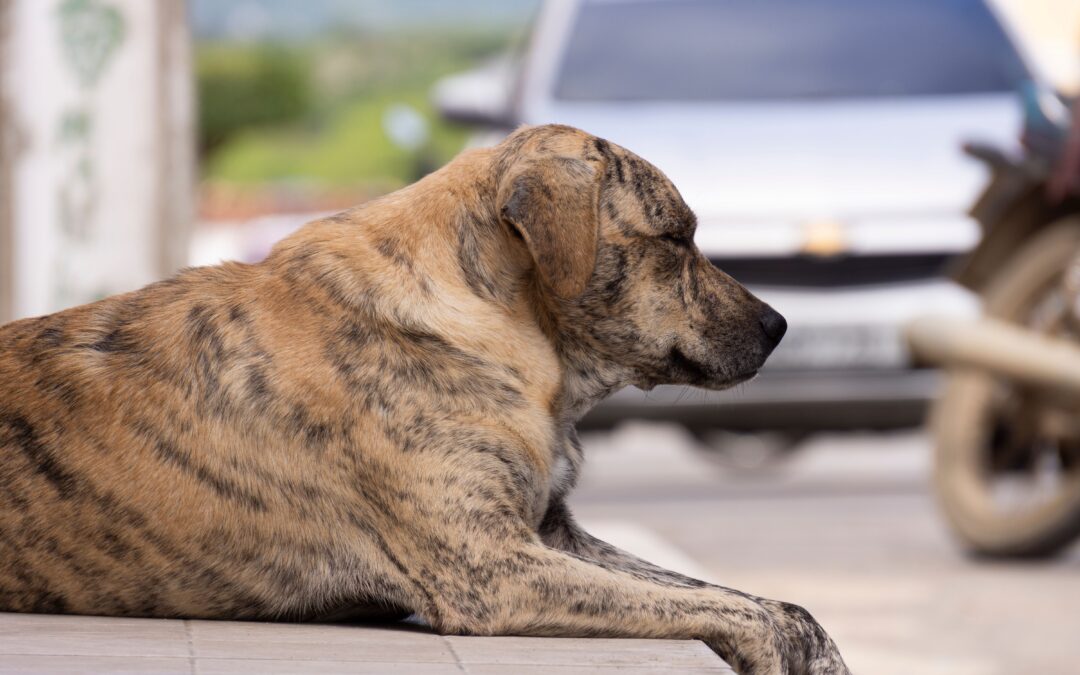
What is a Plott hound brindle? It’s the classic coat of the Plott, North Carolina’s state dog: dark stripes on a lighter background. The AKC says any shade of brindle is preferred, while solid black, brindle with a black saddle, and black with brindle trim are also acceptable. Expect a loyal, vocal scent hound of about 50 to 60 pounds.
The Plott hound brindle coat is the breed’s calling card, but there is a lot more to this bold big-game hunter than stripes. This guide explains the brindle shades and other colors, the breed’s German and Appalachian history, size, temperament, exercise, health, grooming and who the Plott suits best, with each fact linked to its source.
Key takeaways
- Brindle is the AKC’s preferred Plott color; some black patterns are allowed too.
- VCA also lists blue brindle and buckskin among Plott colors.
- PetMD lists Plotts at 20 to 25 inches, 50 to 60 pounds and 12 to 14 years.
- The Plott is North Carolina’s state dog, adopted in 1989.
- Expect a loud bay, high energy and a strong hunting drive.
In this guide
What Is a Plott Hound Brindle?
An American Kennel Club (AKC) article by Stephanie Gibeault, MSc, CPDT, defines brindle as a striped pattern of dark hair on a lighter background and says any shade of brindle is the preferred color for the Plott. So when people search for a “Plott hound brindle,” they almost always mean a standard Plott in its most typical coat, not a separate type of dog.
PetMD, in an article by Sarah Kloepple reviewed by Barri J. Morrison, DVM, calls the Plott’s brindle coat “distinct.” NCpedia notes that most Plotts are dark brindle. The Westminster Kennel Club sums up the breed’s temperament as sociable, outgoing, courageous and smart.
Is Every Plott Brindle?
No. The AKC also accepts solid black, brindle with a black saddle, and black with brindle trim. VCA Animal Hospitals adds blue brindle and buckskin, a light cream to red fawn coat with no striping. NCpedia says black and buckskin coats are “not uncommon.” As general advice, ask the breeder about the parents’ colors if you want a specific look.

Plott Hound Brindle Shades and Other Colors
In our experience, brindle ranges from light to very dark, depending on how dense the dark stripes are. The table below lists every Plott color named by the AKC and VCA, and how each looks. As general advice, coat color has no effect on a Plott’s hunting ability or temperament.
| Color | What it looks like | Source |
|---|---|---|
| Brindle (any shade) | Dark stripes on a lighter base; the preferred color | AKC |
| Dark brindle | Heavy dark striping; the most common Plott look | NCpedia |
| Blue brindle | Stripes on a gray-blue base | VCA |
| Brindle with black saddle | Brindle body with a black patch over the back | AKC |
| Black with brindle trim | Mostly black, with brindle trim | AKC |
| Solid black | No visible striping | AKC |
| Buckskin | Light cream to red fawn, no brindle striping | VCA, NCpedia |
The Plott Hound Brindle Coat Up Close
The AKC describes the Plott’s coat as smooth, glossy and fine, yet thick enough to protect the dog from the elements. On a Plott hound brindle, the stripe pattern differs from dog to dog, so no two coats look exactly alike. As general advice, a brindle dog can look darker in shade and lighter in sun, so view a puppy outdoors before you decide.

Plott vs Other Brindle Dogs
Many breeds and mixes carry brindle, so a brindle dog in a shelter is not always a Plott. As general advice, look for a lean, muscular build, long hound ears and a deep bay, and consider a dog DNA test if you want to confirm a rescue’s ancestry.
History of the Plott Hound
PetMD describes Johannes Plott as a German gamekeeper who brought Hanoverian Scenthounds with him. NCpedia says he arrived in 1750 and settled in Cabarrus County, North Carolina. The family moved to Haywood County, near Waynesville, around 1800. NCpedia calls the Plott the only dog breed officially recognized as originating in North Carolina.
The AKC article adds that Plott’s son Henry kept breeding the dogs, and the family developed them for about 200 years in the southern Appalachians. The dogs were first called “Plott’s hounds.” Their German ancestors hunted boar, and Plotts became known for hunting bear, wild boar and mountain lions.
Is the Plott a Coonhound?
Yes, in the UKC system. The United Kennel Club (UKC) first registered the Plott in 1946, places it in its Scenthound Group, and counts it among its seven registered coonhound breeds, noting its strong treeing instinct. Plotts also take part in UKC coonhound events.
State Dog and AKC Recognition
NCpedia says the North Carolina General Assembly named the Plott the state dog on August 12, 1989. VCA Animal Hospitals says the AKC admitted the breed into its Hound Group in 2007. VCA also notes that Plotts love both hunting and family, which is why many now live as companions as well as working hounds.
Plott Hound Size and Appearance
PetMD lists Plotts at 20 to 25 inches tall and 50 to 60 pounds, with a 12 to 14 year lifespan. The Westminster Kennel Club gives a maximum of 25 inches, 60 pounds and 14 years. VCA gives a wider range of 20 to 27 inches and 40 to 75 pounds, and 10 to 15 years.
| Trait | Plott | Source |
|---|---|---|
| Height | 20 to 25 inches (VCA: 20 to 27) | PetMD, VCA |
| Weight | 50 to 60 pounds (VCA: 40 to 75) | PetMD, VCA |
| Lifespan | 12 to 14 years (VCA: 10 to 15) | PetMD, VCA |
| Coat | Smooth, glossy, short | AKC, PetMD |
| Group | Hound | Westminster, VCA |
| State dog | North Carolina (1989) | NCpedia |

Plott Hound Brindle Puppies: What to Look For
As general advice, choose a Plott hound brindle puppy for health and temperament first and color second. Ask to meet at least one parent, check that the puppy is curious and not fearful, and look for clear eyes, clean ears and a firm, glossy coat. Also look at both parents’ coats, since they give the best preview of the adult color.
Where to Find a Plott
In our experience, Plotts are far less common than many popular breeds, so expect to search. As general advice, contact the breed club listed by the AKC, ask hunting hound rescues in the Southeast, and check local shelters, where a brindle hound may be listed simply as a “hound mix.” Avoid sellers who will not show health records.
Plott Hound Brindle Temperament and Training
Coat color does not change personality, so a Plott hound brindle behaves like any Plott. The AKC calls the breed eager to please, loyal and gentle with people, but bold and fearless on the hunt. PetMD describes Plotts as headstrong but very social, often alert and quick to learn, and wary of new people until properly introduced.
That Famous Hound Voice
The AKC warns that Plotts use their voice freely on the trail and in the home, so expect baying. VCA, by contrast, describes them as fairly quiet indoors. As general advice, plan for some noise, especially if you live close to neighbors.
Training a Plott
PetMD recommends starting training and socialization early with a positive, creative approach, and says turning lessons into a game makes them more fun. The American Veterinary Society of Animal Behavior (AVSAB) says puppy classes can start at 7 to 8 weeks, after first vaccines. As general advice, practice recall in a fenced area; a scent hound on a trail may ignore you.
Exercise Needs
PetMD suggests hiking, swimming, long walks, running, nose work and agility, and says Plotts thrive with a big backyard where they can follow scents. VCA recommends a good long walk every day plus room to run and explore. The AKC adds that the breed needs daily mental stimulation and suits experienced owners.
Pet Care Tip: Our suggestion is to hide treats around the yard for a daily “scent trail.” A Plott that gets to use its nose every day is usually calmer and less vocal at home, in our experience.
Is a Plott Hound Brindle Good for Apartments?
PetMD says the breed does best with a big backyard, and the AKC says it suits experienced owners. As general advice, a Plott hound brindle can manage in a smaller home only if you commit to long daily outings, and a securely fenced yard is strongly preferred because a hound on a scent may wander off.
Plott Hound Health, Grooming and Care
PetMD flags three issues to watch: hip dysplasia, ear infections (floppy ears can trap moisture and limit airflow) and obesity, so keep an eye on calories. VCA says the breed has no major health problems of record, though some Plotts occasionally develop hip dysplasia, and suggests asking a breeder or vet about it.
| Care task | How often | Source |
|---|---|---|
| Brushing | Weekly | AKC, PetMD, VCA |
| Bathing | Occasionally, as needed | AKC, PetMD |
| Ear cleaning | Regularly; keep ears dry | PetMD, VCA |
| Flea and tick prevention | Year-round, as your vet advises | PetMD |
| Nails and teeth | Trim nails and clean teeth regularly | VCA |
Extra weight strains the joints. If your dog needs to slim down, read our guide on how to help your dog lose weight, and for active hounds see how to build muscle on a dog with food.

When to call a vet right away: As general advice, call your vet or a 24/7 emergency animal hospital if your dog has a swollen belly and retches without bringing anything up, is injured on a hunt, struggles to breathe or collapses. Book a prompt visit for head shaking, ear odor, limping or weight loss.
7 questions to ask a breeder or rescue
- Are both parents registered Plotts, and what colors are they?
- Have the parents had hip and elbow screening?
- How does the dog react to strangers and other dogs?
- How vocal is the dog at home?
- Has the dog lived with cats or small pets?
- How much exercise does it get now?
- Will you take the dog back if it does not work out?
Example Scenario (illustrative)
Ben in Asheville adopted a dark brindle Plott who bayed every evening. He added a morning trail hike, a daily scent game in the yard and two short training sessions. Within a month, the evening baying dropped to a few short calls when the mail truck passed.
| Myth | Fact |
|---|---|
| “Every Plott is brindle.” | The AKC also allows black patterns; VCA lists buckskin. |
| “Brindle Plotts have a different temperament.” | Color does not change breed traits; all Plotts share the same temperament. |
| “Short coats need no care.” | Weekly brushing and ear care are advised (PetMD). |
| “A quiet house dog needs little exercise.” | VCA calls Plotts fairly quiet indoors, but the AKC says they need daily exercise. |
What most owners get wrong
In our experience, many owners choose a Plott for its stunning brindle coat and underestimate its nose and voice. Plan for daily scent work, secure fencing and patient recall training before you bring one home.
Plott Hound Brindle: FAQs
Are all Plott hounds brindle?
No. Brindle is preferred, but the AKC also allows solid black and black-and-brindle patterns, and VCA lists buckskin.
What colors can a Plott hound brindle coat be?
Any shade of brindle, including dark brindle and blue brindle, per the AKC, NCpedia and VCA.
How big does a Plott hound get?
PetMD lists 20 to 25 inches and 50 to 60 pounds.
How long do Plott hounds live?
PetMD gives 12 to 14 years; VCA gives 10 to 15.
Are Plott hounds good family dogs?
VCA says they are generally good with children; PetMD says they may do best with older kids who can keep up.
Do Plott hounds bark a lot?
The AKC says they use their voice freely; expect baying.
Why is the Plott North Carolina’s state dog?
NCpedia says it is the only breed recognized as originating in North Carolina; it was named state dog in 1989.
Final Verdict: Is a Plott Hound Brindle Right for You?
A Plott hound brindle is a striking, loyal and athletic hound with deep American roots. Its stripes are beautiful, but the real commitment is a strong nose, a loud voice and big daily exercise needs. If you can offer daily exercise, scent work, secure fencing and patient training, a Plott can be a devoted companion for many years.
Your next steps
- Meet adult Plotts and hear them bay before you commit.
- Ask for hip and elbow results on both parents.
- Plan daily exercise and a fenced area for scent games.
Share your Plott on the Pets Store Home Facebook page, and find more breed guides in our Dogs section.
About the author: Written and reviewed by the Pets Store Home Editorial Team, pet owners who check every guide against trusted sources.
How we checked this guide: Colors, history and temperament come from the AKC (Stephanie Gibeault, MSc, CPDT) and NCpedia. Size, health, grooming and training come from PetMD (reviewed by Barri J. Morrison, DVM), VCA Animal Hospitals, the Westminster Kennel Club and the UKC, and socialization timing from AVSAB.
Where sources differ, such as size and lifespan, we show each figure. This guide was written in November 2026 and is reviewed every 12 months.
Last reviewed: November 2026.
[…] Which foreign pets are legal in Washington State? […]