
Boxer German Shepherd Mix (Boxer Shepherd): Essential Facts on Size, Energy and Health (2026)
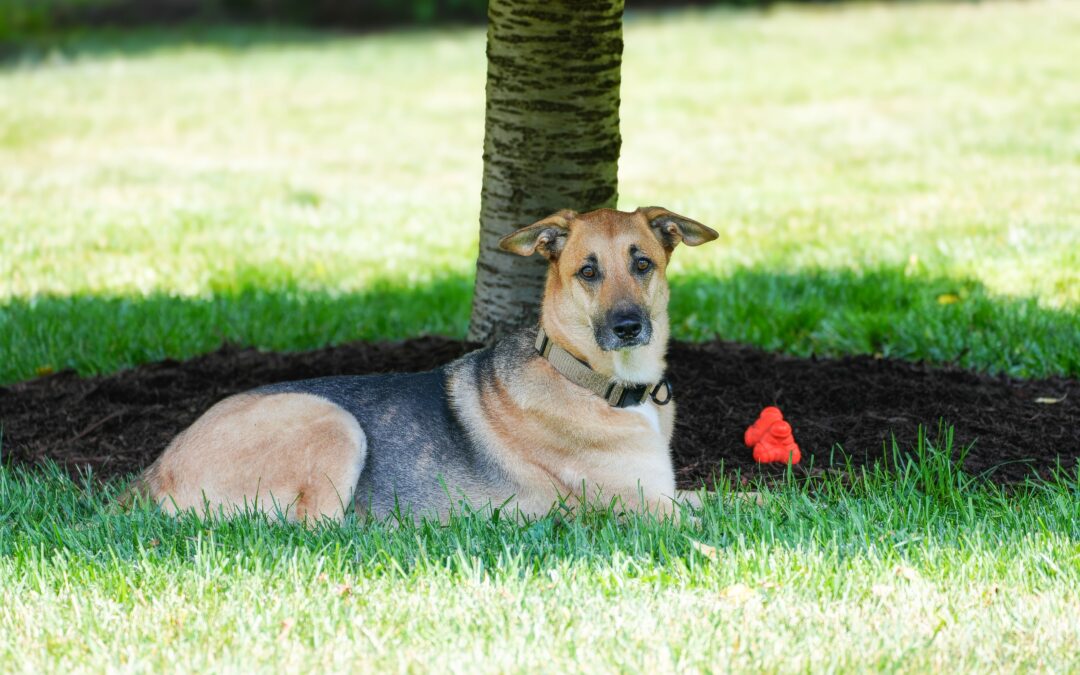
A Boxer German Shepherd mix, often called a Boxer Shepherd, is a cross between a Boxer and a German Shepherd Dog. Most adults stand 21 to 28 inches tall, weigh 50 to 95 pounds and live about 10 to 12 years. Expect a loyal, energetic and protective dog that needs daily exercise, training and an active family.
Wondering whether a German Shepherd mix with a Boxer suits your home? Below, we line up AKC data on both parents, cross-check two published mix profiles, and walk through size, coat, temperament, exercise, health screening and the real daily commitment.
Key takeaways
- As a mixed breed, the Boxer Shepherd cannot be AKC-registered as its own breed.
- Hepper lists 23 to 27 inches and 65 to 95 pounds for the mix.
- Both parents are high-energy working breeds that need daily exercise.
- Heart disease, cancer, bloat and degenerative myelopathy run in the parent breeds (AKC, WebMD).
- The AKC says Boxers handle extreme heat and cold poorly, so keep this mix indoors.
In this guide
Boxer German Shepherd Mix: The Short Answer
Is a Boxer German Shepherd mix the right dog for you? Here are the headline numbers at a glance. When the two mix sources differ, both appear, with American Kennel Club parent data as the tiebreaker.
| Trait | What to expect |
|---|---|
| Other names | Boxer Shepherd, Boxerman, Boxer German Shepherd Dog mix, GSD Boxer mix |
| Height | 23 to 27 inches (Hepper) or 21 to 28 inches (Dogster), 53 to 71 cm |
| Weight | 65 to 95 pounds (Hepper) or 50 to 90 pounds (Dogster), 23 to 43 kg |
| Lifespan | 10 to 12 years (Hepper, Dogster) |
| Colors | Brown, tan, gray, black, white, fawn or brindle (Hepper, Dogster) |
| Energy | High; at least one walk a day, ideally two (Hepper) |
| Best for | Active families, runners and owners with a fenced yard |
Sources: Hepper and Dogster (both updated October 2026, no vet reviewer listed), AKC breed pages, accessed November 2026.
In our experience, a Boxer Shepherd often looks like a German Shepherd with a broader head and shorter coat, but every litter varies. Meeting both parents is the best way to predict size, coat and energy.

Boxer vs German Shepherd: The Parents Compared
The AKC calls the German Shepherd “dogkind’s finest all-purpose worker,” while the AKC describes the Boxer as upbeat, playful and patient. In a Boxer Shepherd cross, one parent brings focus and a herding background, and the other brings bouncy, sometimes silly energy and a strong guarding streak.
| Figure | Boxer (AKC) | German Shepherd Dog (AKC) |
|---|---|---|
| Height, male | 23 to 25 inches | 24 to 26 inches |
| Height, female | 21.5 to 23.5 inches | 22 to 24 inches |
| Weight | 65 to 80 lb (male); females about 15 lb less | 65 to 90 lb (male), 50 to 70 lb (female) |
| Life expectancy | 10 to 12 years | 12 to 14 years |
| Coat | Short and tight; fawn or brindle with white | Medium-length double coat |
| Breed club health tests | Hips, elbows, thyroid, heart, ARVC DNA test | Hips, elbows, temperament test |
Source: AKC breed pages, accessed November 2026.
Which Parent Will Your Puppy Take After?
Nobody can promise which traits a mixed puppy inherits. As general advice, use the table below as a rough guide when you meet a litter.
| If the puppy leans toward | Likely traits | What it means for you |
|---|---|---|
| The Boxer side | Short coat, broader muzzle, bouncy play style | Less brushing, more care in hot weather |
| The German Shepherd side | Thicker double coat, longer muzzle, upright ears | More shedding, strong focus and herding drive |
| A blend of both | Medium coat, drop or semi-erect ears | Moderate grooming, high energy either way |
Our own guide based on AKC parent descriptions; individual dogs vary.
Boxer German Shepherd Mix Size: How Big Do They Get?
Full-Grown Boxer Shepherd Mix Height and Weight
A full-grown Boxer German Shepherd mix is a large dog. Hepper lists 23 to 27 inches and 65 to 95 pounds, while Dogster gives 21 to 28 inches and 50 to 90 pounds. Because the AKC puts male German Shepherds at up to 90 pounds and male Boxers at up to 80, males usually land at the upper end.
Coat, Colors and Grooming
A Boxer German Shepherd mix can have anything from the Boxer’s short, tight coat to the German Shepherd’s medium-length double coat. Hepper lists brown, tan, gray, black and white, and Dogster adds brindle, fawn, red and blue.
The AKC says a Boxer needs only a rubber curry brush once or twice a week, while a German Shepherd needs a quick brushing every few days and sheds more heavily once or twice a year. As general advice, brush a Boxer Shepherd at least weekly and daily during heavy shedding.

Boxer German Shepherd Mix Temperament
A Boxer German Shepherd mix is usually loyal, affectionate and alert. The AKC says Boxers are serious about guarding their family and are known for being great with children. It describes the German Shepherd as loyal, confident and courageous. Hepper calls the mix “friendly, sociable, energetic, loving, and protective.”
Dogster notes that Boxer Shepherds should not be left alone for long periods. In our experience, this mix bonds closely with its people, and boredom often shows up as chewing, barking or jumping.
With Kids and Other Pets
The AKC warns that a bouncy Boxer puppy may overwhelm a small child or a frail adult, even with good intentions. It also notes that Boxers may clash with dogs of the same sex. As general advice, supervise play with young kids and introduce new dogs slowly, on neutral ground.
Exercise and Training
How Much Exercise Does a Boxer Shepherd Need?
Plenty, because a Boxer German Shepherd mix inherits two high-drive parents. The AKC calls Boxers “very playful, high-energy dogs” that need ample exercise every day, and says a German Shepherd without enough exercise can become frustrated. Both breed pages say to keep the dog on a leash or in a securely fenced area.
| Time of day | Activity | Why it helps |
|---|---|---|
| Morning | A 40-minute walk, jog or bike-along | Takes the edge off before your workday |
| Midday | Short potty break and puzzle toy | Prevents boredom and chewing |
| Evening | Fetch, tug or a training game in a fenced yard | Builds focus and strengthens your bond |
| Weekly | Agility, tracking, hiking or a dog sport class | Gives the working-dog brain a real job |
Sample routine based on AKC exercise guidance for both parents; adjust for age, health and weather.
Training Tips
Training a Boxer German Shepherd mix should start early. The AKC says socialization and puppy classes are vital for both parents. Boxers are bright but may lose interest when drills repeat too often, and German Shepherds thrive on steady, reward-based methods. As general advice, keep sessions short and fun, and teach a solid “off” early, since the AKC notes that young Boxers jump and leap a lot.
Pet Care Tip: Our suggestion is to end every walk with five minutes of calm training, such as sit, down and stay. In our experience, a tired body plus a busy brain gives you a much calmer Boxer Shepherd at home.

Health and Lifespan
Both mix sources give a Boxer German Shepherd mix a lifespan of 10 to 12 years, close to the Boxer’s AKC range and a little below the German Shepherd’s 12 to 14 years. The parent breeds carry several known conditions, so ask any breeder for both parents’ health test results.
| Health concern | Which parent | What to ask or do |
|---|---|---|
| Heart disease (aortic stenosis, cardiomyopathy, ARVC) | Boxer (AKC) | Ask for cardiac exams and the ARVC DNA test |
| Cancer | Boxer (WebMD, AKC) | Schedule yearly vet checks and report new lumps |
| Hip and elbow dysplasia | Both (AKC) | Check OFA results for both parents |
| Degenerative myelopathy | Both (AKC) | Ask whether parents were DNA tested |
| Bloat (GDV) | German Shepherd (AKC) | Learn the signs and plan for emergencies |
| Thyroid problems | Boxer (AKC) | Ask about thyroid screening |
Sources: AKC breed pages and WebMD (reviewed April 2026), accessed November 2026. Look up results at the OFA.
WebMD reports that cancer causes 38.5% of Boxer deaths, and the AKC says Boxers do not tolerate extreme heat or cold well. As general advice, walk your dog in the cooler parts of the day during summer and never leave it in a parked car.
When to call the vet: As general advice, phone your vet or a 24-hour animal hospital at once if you notice a bloated belly, retching with nothing coming up, collapse, or heavy panting in hot weather. VCA Animal Hospitals notes that bloat is an emergency that can turn fatal fast.
Is a Boxer Shepherd Right for You?
Boxer Shepherd readiness checklist
- I can give at least an hour of exercise and play every day.
- I have a fenced yard or safe places to run on a leash.
- Someone is home for much of the day, or I can use a dog walker.
- I will budget for puppy classes and large-breed vet care.
- I can keep the dog cool in summer and warm in winter.
In our experience, shelters often have a Boxer mixed with German Shepherd, and an adult lets you see its size and energy first. A dog DNA test can help identify a rescue dog’s ancestry. You can also compare similar crosses in our Boxer Lab mix and Rottweiler German Shepherd mix guides.
| Common mistake | Why it matters | Better approach |
|---|---|---|
| Too little exercise | The AKC says under-exercised Shepherds get frustrated | Plan two outings and a play session daily |
| Hot-weather walks at midday | The AKC says Boxers handle heat poorly | Walk early or late and carry water |
| Skipping puppy classes | The AKC calls early socialization vital | Ask your vet when your puppy can start classes |
| Off-leash in open areas | Both breed pages advise a leash or secure fence | Use a long line for recall practice |
Example Scenario (illustrative)
Darnell and Mei in Tucson adopted Kona, a two-year-old Boxer German Shepherd mix, from a local shelter. They moved her runs to sunrise during summer, signed up for a weekend agility class, and gave her a puzzle feeder at lunch. Within two months, her chewing stopped and she settled calmly in the evenings.
Boxer German Shepherd Mix FAQs
How big does a full-grown Boxer Shepherd mix get?
Hepper lists 23 to 27 inches and 65 to 95 pounds, while Dogster gives 21 to 28 inches and 50 to 90 pounds. Males are usually larger, much like both parents.
How long does a German Shepherd Boxer mix live?
Both mix sources give 10 to 12 years. The AKC lists 10 to 12 years for the Boxer and 12 to 14 years for the German Shepherd.
Is a Boxer German Shepherd mix good with kids?
It can be. The AKC says Boxers are known for being great with children, but it also warns that a bouncy puppy can overwhelm a small child, so supervise play.
Does a Boxer and German Shepherd mix shed?
Yes. The German Shepherd has a double coat that sheds heavily once or twice a year, so in our experience many puppies shed more than a purebred Boxer.
Is a GSD Boxer mix easy to train?
It is smart but needs patience. The AKC notes that Boxers may lose interest in repetitive drills, while German Shepherds do well with steady, reward-based methods.
Is a Boxer German Shepherd mix a good first dog?
It can work for an active first-time owner who commits to daily exercise and puppy classes. As general advice, a calm adult from a rescue is easier than a puppy.

Final Verdict
A Boxer German Shepherd mix can be a loyal, playful and protective family dog for active owners who commit to daily exercise, early training and good health screening. Meet the parents, or an adult dog at a rescue, look up OFA results, keep the dog cool in summer, and plan for a large, energetic companion for 10 years or more.
Your next steps
- Study the AKC breed profiles for the Boxer and the German Shepherd Dog.
- Work through the readiness checklist above, then compare our German Shepherd Corgi mix guide.
- Browse more breed guides in our Dogs section.
Share your Boxer Shepherd photos on the Pets Store Home Facebook page.
About the author: Written and reviewed by the Pets Store Home Editorial Team: pet owners and animal lovers who check every guide against trusted US veterinary and animal-welfare sources. This article is general information, not a substitute for professional veterinary advice. Always talk to your veterinarian about your own pet’s health.
How we checked this guide: Parent sizes, lifespans, grooming, exercise, training and breed club health tests come from AKC breed pages. Mix figures come from Hepper and Dogster, neither of which lists a vet reviewer. Boxer cancer and heat facts come from WebMD (reviewed April 2026), and bloat signs from VCA Animal Hospitals. We review this article every 12 months.
Last reviewed: November 2026.
Sources
- AKC: Boxer (accessed November 2026)
- AKC: German Shepherd Dog (accessed November 2026)
- Hepper: Boxer Shepherd (updated October 2026)
- Dogster: Boxerman (updated October 2026)
- WebMD: What to Know About Boxers (reviewed April 2026)
- VCA Animal Hospitals: Gastric Dilatation and Volvulus in Dogs (accessed November 2026)
- Orthopedic Foundation for Animals (accessed November 2026)
[…] Which foreign pets are legal in Washington State? […]