
Can Rabbits Eat Vegetables? Safe List, Amounts and Foods to Avoid (2026)
Can rabbits eat vegetables? Yes. Fresh vegetables, mostly leafy greens, are a healthy daily part of an adult rabbit’s diet. Hay should still make up most of what your rabbit eats. Offer a mix of safe greens, keep sugary vegetables like carrots as small treats, introduce new foods one at a time and avoid onions, garlic, potatoes and iceberg lettuce.
This guide answers “can rabbits eat vegetables” in full: which vegetables are safe, how much to feed by body weight, how to introduce new ones, which to avoid and how vegetables fit alongside hay, pellets and water.
Key takeaways
- Can rabbits eat vegetables? Yes, every day, as a measured part of the diet.
- Hay should make up about 70% to 90% of the diet, depending on the source.
- Leafy greens should be about 75% of daily vegetables; non-leafy vegetables about 25%.
- Guidelines suggest roughly 1/2 cup to 1 cup of greens per 2 pounds of body weight daily.
- Carrots are high in sugar and best kept as small treats.
- Avoid onions, garlic, leeks, potatoes, rhubarb and iceberg lettuce.
- Wait until 12 weeks of age before giving vegetables to young rabbits.
In this guide
Can Rabbits Eat Vegetables? The Short Answer
Yes. The House Rabbit Society splits rabbit-safe vegetables into two groups: leafy greens, which form most of the daily salad, and non-leafy vegetables, which are fed in much smaller amounts. The Ontario Veterinary College (OVC) pet nutrition team recommends leafy greens daily as 15% to 20% of the diet, with hay as the main food.
| Food group | How often | Examples |
|---|---|---|
| Leafy greens | Daily, measured by weight | Romaine, cilantro, bok choy, dandelion greens |
| Non-leafy vegetables | Small daily amounts | Bell pepper, broccoli, cucumber, celery |
| Sugary vegetables | Occasional treats | Carrots, parsnips, pumpkin |
| Unsafe | Never | Onions, garlic, potatoes, iceberg lettuce |
Groups and examples from the House Rabbit Society, OVC and Chewy. Grouping carrots, parsnips and pumpkin as “sugary” is our summary; the House Rabbit Society names carrots specifically.

Safe Leafy Greens for Rabbits
Leafy greens are the backbone of the fresh part of the diet. The House Rabbit Society lists dozens of safe options. Rotating several types gives variety, and the NC State Veterinary Hospital advises building most of the daily salad from low-calcium, low-oxalate greens, with higher-calcium or higher-oxalate greens rotated in smaller amounts.
| Leafy green | How to use it |
|---|---|
| Romaine, green leaf, red leaf lettuce | Good everyday base |
| Cilantro, basil, dill, mint | Fragrant herbs for variety |
| Bok choy, carrot tops, fennel | Rotate in the mix |
| Dandelion greens, arugula, endive | Rotate in the mix |
| Kale, collards | Moderate calcium (NC State); rotate in smaller amounts |
| Parsley, spinach, Swiss chard, mustard greens | OVC lists as “sometimes” greens |
All greens above appear on the House Rabbit Society leafy greens list. Calcium and “sometimes” notes come from NC State and OVC; the “how to use” column is our practical summary.
Want detail on one green? Our guide on whether rabbits can eat bok choy covers portions, preparation and calcium for that vegetable.
Can Rabbits Eat Vegetables That Aren’t Leafy?
Yes, in smaller amounts. The House Rabbit Society suggests non-leafy vegetables make up about 25% of daily fresh vegetables, around 1 tablespoon per 2 pounds of body weight. It lists options such as:
- Peppers: Bell peppers and banana peppers
- Cabbage family: Broccoli, broccolini, cauliflower and Brussels sprouts
- Squash family: Cucumber, zucchini (courgette), squash and pumpkin
- Pods and stalks: Green beans, snow peas, sugar snap peas, asparagus, okra and celery
- Roots: Carrots, beets, parsnips, radish, turnip and kohlrabi
- Tomatoes: Ripe tomato only; the House Rabbit Society warns that unripe tomatoes and tomato greens are toxic
Can rabbits eat carrots?
Yes, but sparingly. The House Rabbit Society says carrots are high in sugar and should be strictly rationed as treats, and NC State suggests carrots and fruit in very small amounts, about a 1/2-inch piece a few times a week. Carrot tops, by contrast, are on the leafy greens list.
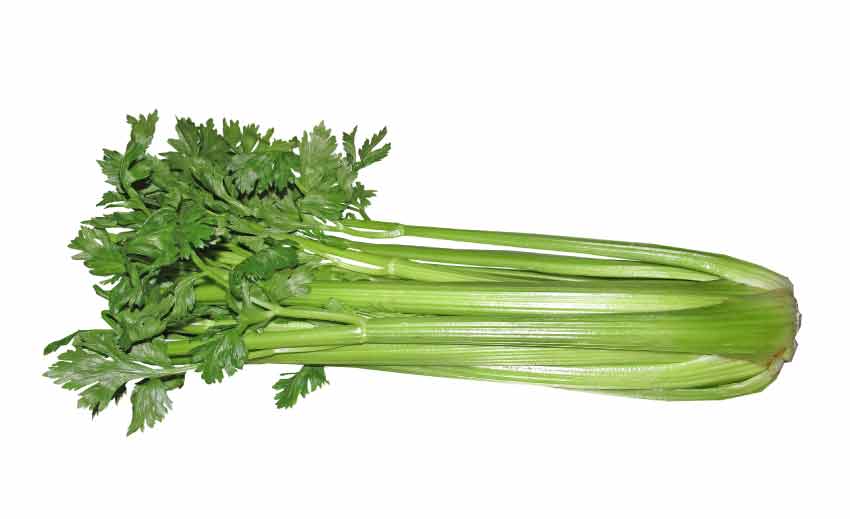
Can rabbits eat celery?
Yes. The House Rabbit Society lists celery as a non-leafy vegetable and advises cutting it into 1-inch pieces so the strings do not cause choking or wrap around the teeth.
Pet Care Tip: Use small pieces of carrot or bell pepper as training rewards instead of sugary commercial treats, which NC State advises avoiding. Cut them tiny so a few rewards still fit within the daily limit.
How Many Vegetables Can Rabbits Eat Each Day?
If you are asking “can rabbits eat vegetables in large amounts,” the answer depends on body weight. Vet sources give slightly different totals for greens. The House Rabbit Society and OVC suggest about 1 cup of greens per 2 pounds of body weight daily, while NC State suggests about 1/2 cup per 2 pounds. Starting at the lower end and adjusting with your vet is a sensible approach.
| Rabbit weight | Leafy greens per day | Non-leafy vegetables per day |
|---|---|---|
| 2 lb | 1/2 to 1 cup | About 1 tablespoon |
| 4 lb | 1 to 2 cups | About 2 tablespoons |
| 6 lb | 1 1/2 to 3 cups | About 3 tablespoons |
| 10 lb | 2 1/2 to 5 cups | About 5 tablespoons |
Greens use the 1/2-cup (NC State) and 1-cup (House Rabbit Society, OVC) per 2 lb guidelines; non-leafy amounts use the House Rabbit Society’s 1 tablespoon per 2 lb. These are guides, not a prescription.
Chewy’s DVM-reviewed guide suggests dividing greens into two or three portions a day, which may help your rabbit graze through the day.
How to Introduce Vegetables Safely
Once you know the answer to “can rabbits eat vegetables,” the next step is a slow start, because new foods should go in gradually. The House Rabbit Society advises:
- Start one at a time. Add only one new vegetable per day.
- Watch for 24 hours. Check for soft stools or gas before adding another.
- Stop if there is trouble. If stools soften or your rabbit seems gassy, remove that vegetable.
- Wait for young rabbits. Do not feed vegetables before 12 weeks of age, then introduce them one at a time in amounts under 1/2 ounce.
Before serving, rinse vegetables under plain running water, as the FDA recommends for produce, and remove wilted or moldy pieces. Serve vegetables raw and plain, with no oil, salt or seasoning.
Vegetables Rabbits Should Not Eat
When asking “can rabbits eat vegetables,” it matters just as much to know which ones are off the menu. These come from the House Rabbit Society, OVC and a Chewy guide reviewed by Byron de la Navarre, DVM:
| Avoid | Source and note |
|---|---|
| Onions, garlic, leeks | Onions and garlic: House Rabbit Society, OVC and Chewy; leeks: OVC and Chewy |
| Potatoes and potato greens | House Rabbit Society; potato greens are toxic nightshade |
| Rhubarb | Chewy |
| Iceberg lettuce | Low in nutrients; large amounts can cause diarrhea (House Rabbit Society) |
| Corn and maize | House Rabbit Society |
| Raw dried beans, soybeans and dried peas | House Rabbit Society; dried peas may cause a blockage |
| Unripe tomatoes and tomato greens | House Rabbit Society |
| Bamboo shoots | House Rabbit Society |
Ate something toxic? Call your vet, the ASPCA Animal Poison Control Center at (888) 426-4435 or the Pet Poison Helpline at (855) 764-7661. A consultation fee may apply.
Where Vegetables Fit in a Healthy Rabbit Diet
Vegetables support the diet but do not replace hay. NC State suggests hay make up about 75% to 80% of the diet, OVC says 70% to 80%, and Chewy says 80% to 90%. PetMD (Lauren Jones, VMD) notes that low-fiber diets can slow a rabbit’s gut and raise the risk of GI stasis.
| Food | Role in the diet |
|---|---|
| Grass hay (timothy, orchard, meadow) | Unlimited, every day |
| Leafy greens | Daily, measured by body weight |
| Non-leafy vegetables | Small daily amounts |
| Plain timothy pellets | About 1/4 cup per 5 lb daily (NC State) |
| Fruit and carrots | Treats; fruit under 5% of the diet (House Rabbit Society) |
| Fresh water | Always available |
When to call a vet right away: A rabbit that stops eating, passes few or no droppings, grinds its teeth, sits hunched or has a bloated belly may have GI stasis. PetMD says a rabbit that goes more than eight hours without eating or pooping should see a vet, and NC State says not eating for more than 12 hours is always an emergency. If your vet is closed, call a 24/7 emergency animal hospital that treats rabbits.
7 questions to ask your vet about rabbit vegetables
- How many cups of greens should my rabbit get each day?
- Is my rabbit at a healthy weight?
- Should I limit calcium-rich greens like kale or parsley?
- How many carrots or other sugary treats are okay?
- Is my rabbit eating enough hay?
- What do healthy droppings look like?
- When can my young rabbit start vegetables?
Example Scenario (illustrative)
Sam in Austin wonders “can rabbits eat vegetables every day?” after adopting a 4-pound rabbit named Pepper. His vet suggests starting with romaine, then adding one new green each day. Over two weeks Sam adds cilantro, dandelion greens and a little bell pepper, keeps carrots as a tiny weekend treat and watches Pepper’s droppings stay normal.
| Common mistake | Why it matters | Better approach |
|---|---|---|
| Feeding carrots daily | High in sugar | Small treat a few times a week |
| Using iceberg lettuce | Low nutrients; may cause diarrhea | Use romaine or other leafy greens |
| Adding many new foods at once | Hard to spot the cause of soft stools | One new vegetable per day |
| Letting vegetables replace hay | Low fiber raises GI stasis risk | Keep hay unlimited |
What most owners get wrong
Many owners ask “can rabbits eat vegetables?” and picture a bunny munching carrots. In reality, carrots are a sugary treat. The healthiest plate is mostly hay, then a rotating mix of leafy greens, with only a small amount of non-leafy vegetables.
Can Rabbits Eat Vegetables? FAQs
Can rabbits eat vegetables every day?
Yes. Leafy greens can be fed daily in measured amounts, with non-leafy vegetables in smaller portions.
Can rabbits eat broccoli?
Yes. The House Rabbit Society lists broccoli as a non-leafy vegetable. Introduce it slowly and feed small amounts.
Can rabbits eat lettuce?
Romaine, green leaf and red leaf lettuce are fine. Avoid iceberg lettuce.
Can rabbits eat cucumber?
Yes. Cucumber is on the House Rabbit Society non-leafy list, and cucumber leaves are on its leafy list.
Can rabbits eat cooked vegetables?
Serve vegetables raw and plain. Cooked dishes often contain oil, salt, onion or garlic.
Can rabbits eat tomatoes?
Only small amounts of ripe tomato. Unripe tomatoes and tomato leaves and stems are toxic.
Can baby rabbits eat vegetables?
Wait until 12 weeks, then introduce one vegetable at a time in amounts under 1/2 ounce.
Final Verdict: Can Rabbits Eat Vegetables?
Can rabbits eat vegetables? Yes. Adult rabbits do best with unlimited hay, a measured daily mix of leafy greens and a small amount of non-leafy vegetables. Introduce new foods one at a time, keep carrots as treats, wait until 12 weeks for young rabbits, and avoid onions, garlic, potatoes, rhubarb and iceberg lettuce.
Your next steps
- Check that your rabbit always has fresh grass hay and water.
- Read our guide on whether rabbits can eat bok choy.
- Have guinea pigs too? See whether guinea pigs can eat strawberries and bananas, or browse our Other Pets section.
Share your rabbit’s favorite greens on our Pets Store Home Facebook page.
About the author: Written and reviewed by the Pets Store Home Editorial Team, a group of pet owners and animal lovers who check every guide against trusted veterinary and food-safety sources. This article is general information, not a substitute for professional veterinary advice. Always talk to a rabbit-savvy vet about your own pet’s diet.
How we checked this guide: Safe and unsafe vegetable lists, amounts and introduction advice come from the House Rabbit Society. Greens amounts, calcium notes and pellet guidance come from the NC State Veterinary Hospital and the OVC pet nutrition team, with foods to avoid also drawn from a DVM-reviewed Chewy guide.
GI stasis signs come from PetMD (Lauren Jones, VMD) and NC State, and washing advice from the FDA. Portion tables are practical guidance, not a prescription. We review this article every 12 months, or sooner if guidance changes.
Last reviewed: October 2026.
Sources (accessed October 25, 2026)
- House Rabbit Society: Best Vegetables for Rabbits
- NC State Veterinary Hospital: Caring for Your Pet Rabbit
- Ontario Veterinary College Pet Nutrition: Feeding Your Pet Bunny
- Chewy: What Do Rabbits Eat? (reviewed by Byron de la Navarre, DVM)
- PetMD: Gastrointestinal (GI) Stasis in Rabbits (Lauren Jones, VMD)
- FDA: 7 Tips for Cleaning Fruits and Vegetables
- ASPCA Animal Poison Control Center
- Pet Poison Helpline
[…] Which foreign pets are legal in Washington State? […]