
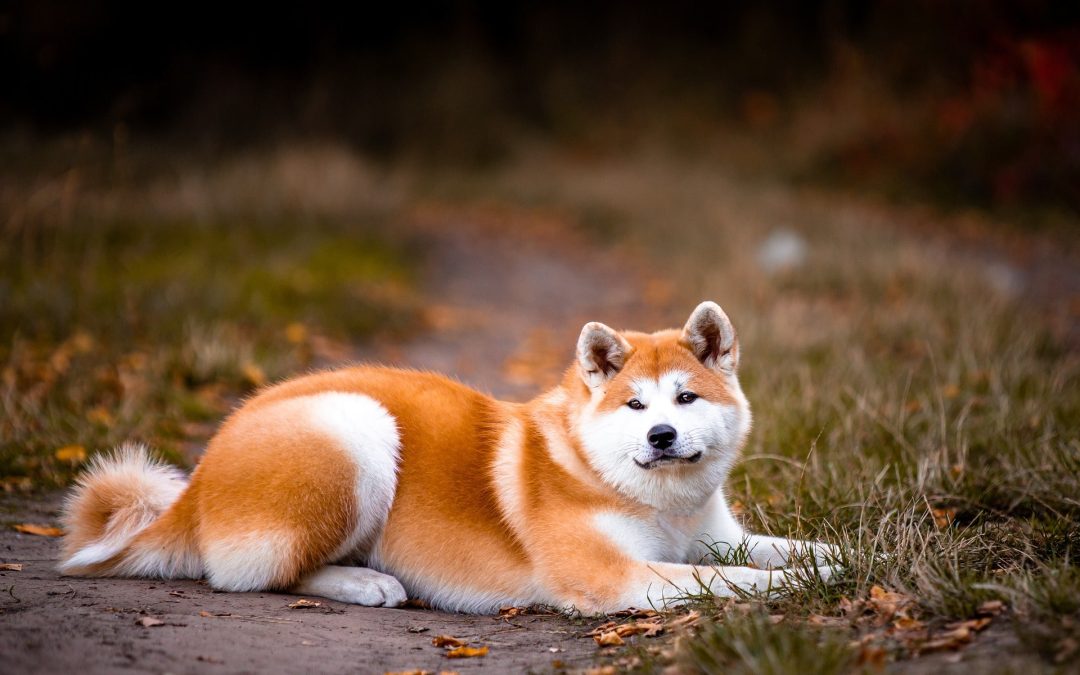
Akita dog adoption can be deeply rewarding, but it’s not a quick decision. Akitas are large, powerful, double-coated dogs that are often loyal to their families and reserved with strangers. Many do best with experienced owners who can offer calm, consistent training, a secure home, and careful management around other dogs.
If you’re thinking about adopting an Akita in the United States, this guide covers what the breed is really like, where to find a rescue, what adoption costs, and how to set your new dog up for success.
Key takeaways
- Akitas are large dogs. AKC’s standard lists males at 26 to 28 inches tall at the shoulder.
- The AKC standard notes Akitas may be intolerant of other dogs, especially of the same sex.
- The American Akita and the Japanese Akitainu are now treated as separate breeds in the US.
- Many Akitas suit experienced owners better than first-time owners.
- Every dog is an individual, so meet the specific Akita and ask the rescue about its history.
In this guide
Akita Dog Adoption: What to Know First
The Akita originated in Japan and is a big, muscular working dog. The American Kennel Club’s breed standard lists males at 26 to 28 inches at the withers and females at 24 to 26 inches, with a thick, soft undercoat under a longer outer coat. AKC notes that a male can weigh up to 130 pounds. That size and strength shape everything from leash handling to the kind of fencing you’ll need.
Quick answer: Akita dog adoption works best for experienced, patient owners with a secure home, time for reward-based training, and a plan for managing other dogs. Adopt through a shelter or a reputable Akita rescue, meet the dog first, and ask detailed questions about its history and behavior.
American Akita vs. Japanese Akitainu
In the US, “Akita” usually means the American Akita, the larger, heavier type AKC recognizes simply as the Akita. According to AKC, dogs imported to the US in the 1950s had heavier heads and bodies, while Japanese breeders worked to restore a lighter, fox-like spitz type. The Japanese type, now called the Japanese Akitainu, joined AKC’s Foundation Stock Service in 2020 as a separate breed.
Many Akitas in US shelters and rescues are American Akitas or Akita mixes. A rescue can’t always confirm a dog’s exact background, so focus on the individual dog in front of you.
Akita Temperament: What to Expect
The AKC standard describes the Akita as “alert and responsive, dignified and courageous,” and adds that Akitas “may be intolerant of other dogs, particularly of the same sex.” AKC also describes the breed as very intelligent, with “a mind of its own”. Many owners find Akitas devoted to their families and naturally reserved with strangers.
Those are tendencies, not guarantees. An individual Akita’s behavior depends on its genetics, health, early socialization, training, and past experiences. A rescue dog may also need time to settle in before its true personality shows.
Is an Akita Right for Your Home?
An Akita may suit you if you’ve owned large, independent dogs before, can commit to ongoing training, and have a secure home. It may be harder if you’re a first-time owner, have frequent dog visitors, or want a dog that will happily greet every stranger. If you’re still deciding, our guide to choosing a dog that fits your lifestyle can help.

Where to Find Akita Dog Adoption Options in the US
Akita dog adoption options turn up in many places: city and county shelters, breed-specific rescues, and online adoption listings. Here’s how to search each one.
Local and municipal shelters
Start close to home. Your city or county animal shelter and local humane society may have Akitas or Akita mixes, and their fees are often lower than private rescues. Shelter staff can tell you what they’ve seen of a dog’s behavior in kennels, on walks, and during handling.
Akita-specific rescue organizations
Breed rescues know Akitas well and often place dogs in foster homes first, so they can share more about how a dog behaves in a real household. The American Kennel Club’s Rescue Network directory lists Akita rescue contacts across the country, with the states many of them serve. Examples include:
- Midwest Akita Rescue Society (MARS): an all-volunteer nonprofit that lists Illinois, Indiana, Iowa, Michigan, Minnesota, Missouri, Ohio, and Wisconsin on its website.
- Akita Rescue Society of Florida (ARSF): a Jacksonville-based nonprofit that describes itself as serving the Southeast, including Florida, Georgia, Alabama, and the Carolinas.
- Akita Club of America rescue: the national breed club’s rescue contact is listed in the AKC directory.
Rescue details change, so check each group’s website for its current service area, adoption process, and available dogs. A listing in a directory doesn’t mean a rescue has an Akita ready right now.
Adoption websites
National listing sites such as Petfinder and Adopt a Pet let you search by breed and ZIP code. They gather listings from many shelters and rescues, so you can compare dogs near you. Always contact the listing organization directly, and never send money to someone who won’t let you meet the dog.
How to Evaluate an Akita Rescue
In Akita dog adoption, a responsible rescue focuses on a good match, not a fast placement. Signs of a well-run group include:
- A written application, reference checks, and often a home visit
- Dogs that are spayed or neutered, vaccinated, and microchipped before adoption
- Time in a foster home, so the dog’s behavior is better understood
- Honest answers about the dog’s history, including anything unknown
- A trial period or a return policy if the match doesn’t work out
- Post-adoption support, such as training advice
Expect to be asked questions too. Adopt a Pet notes that adoption usually involves an application, photo ID, and landlord approval for renters, and some groups require a home visit or a fenced yard. Some Akita rescues also set minimum ages for children in the home. These rules exist to protect both you and the dog.
Understanding behavior assessments
Many shelters run behavior evaluations, but no single test can predict exactly how a dog will act at home. The ASPCA says such assessments have not proven highly accurate at predicting aggression after adoption, and recommends combining several sources, including previous owners, staff observations, playgroups, and foster homes. Ask the rescue how it learned what it knows about each dog.
Akita Dog Adoption Costs in the US
There’s no single nationwide price for Akita dog adoption. Fees depend on the organization, your region, the dog’s age, and how much medical care the dog needed before adoption.
Typical adoption fees
Adopt a Pet’s 2025 fee guide lists typical dog adoption fees of about $50 to $500 for adult dogs and $150 to $600 for puppies. It notes that city and county shelters often charge less, because public funding helps cover costs, while breed rescues and foster-based groups often charge more. As one example, an information packet from the Midwest Akita Rescue Society lists a $300 adoption donation, but the packet isn’t dated, so always confirm the current fee with the rescue.
What the fee may cover
Depending on the group, an adoption fee may include spay or neuter surgery, vaccinations, a microchip, an initial vet exam, parasite treatment, and a first dose of heartworm or flea prevention. Ask exactly what’s included. A fee that seems higher may actually save you money if the dog arrives fully vetted.
Total cost of ownership
The adoption fee is only the start. Adopt a Pet estimates a dog’s first year can cost $420 to $3,270, and suggests budgeting at least $2,000. It puts ongoing yearly costs at about $1,270 to $2,803 and recommends budgeting at least $2,500 a year. Large dogs like Akitas are likely to land toward the higher end, since they eat more and need bigger gear. Prices vary by region, so treat these as rough guides.
| Cost | Typical range (prices vary) |
|---|---|
| Adoption fee, adult dog | About $50–$500 |
| First-year costs | About $420–$3,270 (budget $2,000+) |
| Yearly costs after that | About $1,270–$2,803 (budget $2,500+) |
| Starter supplies for a large dog | Often $300 or more |
Source: Adopt a Pet fee and cost guides. Ranges are for dogs in general, not Akitas specifically.
Set aside an emergency fund as well, and consider pet insurance. Training classes and grooming tools add to the bill, especially during heavy shedding seasons.
Preparing for Akita Dog Adoption
Questions to ask before you adopt
- Why was this dog surrendered or found, and what’s known about its past homes?
- What medical records, medications, or ongoing conditions does it have?
- How does it behave with other dogs, cats, children, and visitors?
- Has it lived in a foster home? What did the foster family notice?
- How does it react to handling, grooming, the vet, and being left alone?
- What support do you offer after adoption, and what’s the return policy?
Setting up a secure home
Before your Akita arrives, check your fence for gaps, loose boards, and weak gates. A strong, well-fitted collar or harness and a sturdy leash are essential for a powerful dog. Gather a large crate or a quiet room, baby gates to separate pets, durable bowls, a supportive bed, and grooming tools for a thick double coat. If you already have pets, plan where each animal will stay while they get used to each other.

Training and Safety After Akita Dog Adoption
The first weeks after Akita dog adoption set the tone for your life together. Give your new dog time to decompress, keep routines predictable, and build trust before asking too much.
Use reward-based training
The American Veterinary Society of Animal Behavior recommends that only reward-based training methods be used for all dog training. The Akita Club of America agrees that Akitas respond best to training that relies on motivation rather than force, and warns that unfair treatment can lead to an Akita that resents you. Physical punishment, intimidation, and harsh corrections have no place in training. If you need help, look for a qualified trainer who uses rewards, or ask your vet about a veterinary behaviorist.
Socialization, leashes, and fencing
Socialize gradually with calm, positive experiences around new people, places, and sounds, at a pace your dog can handle. The Akita Club of America says Akitas should never be off leash in an unsecured area, because some may follow their hunting instinct. Use a secure fence, check gates often, and walk your dog on a sturdy leash. Our guide on how to stop a dog from pulling on the leash can help with a strong puller.
Other dogs, cats, and small pets
Some Akitas get along with other animals, but many are selective. The AKC standard notes they may be intolerant of other dogs, especially of the same sex, and the Akita Club of America says some may not tolerate other animals. If you have pets, introduce them slowly, on leash and through gates, with plenty of breaks. Never leave them unsupervised together until you’re confident they get along. For a nervous dog, see our tips on socializing a shy or fearful dog.
Grooming and Health
The Akita’s thick double coat needs regular brushing. The Akita Club of America says Akitas “blow” their coats about twice a year, shedding heavily for a few weeks each time. A good undercoat rake and a forced-air dryer can help during those seasons.
For health, the Akita Club of America lists hip, eye, and thyroid testing among its recommended breeder screenings. Rescue dogs often lack this history, so book a full vet exam soon after adoption and share any records the rescue provides.
Akita Dog Adoption FAQs
Is an Akita a good choice for a first-time dog owner?
Often not. Akitas are large, strong-willed dogs that need consistent training, careful socialization, and management around other dogs. Some rescues prefer adopters with large-breed experience.
How much does it cost to adopt an Akita in the United States?
Adoption fees vary by organization and region. Adopt a Pet lists typical adult dog fees of about $50 to $500. Ask each rescue for its current fee and what it includes.
Where can I find an Akita rescue near me?
Check the AKC Rescue Network directory for Akita rescues, contact your local shelter, and search Petfinder or Adopt a Pet by breed and ZIP code.
Can an Akita live with other dogs or cats?
Some can, especially with careful introductions, but many Akitas are selective with other dogs, particularly of the same sex, and some have a strong prey drive. Ask the rescue how the specific dog behaves with other animals.
What should I ask an Akita rescue before adoption?
Ask about the dog’s history, medical records, behavior with people and animals, time in foster care, the adoption fee and what it covers, and the return policy and post-adoption support.
Is it better to adopt an adult Akita or a puppy?
An adult Akita’s size and personality are usually better known, which can make matching easier. Puppies need intensive training and socialization. Some rescues require Akita experience before placing a puppy.
Final Verdict: Akita Dog Adoption Checklist
Before you adopt an Akita
- ☐ I have experience with large, independent dogs, or I’m ready to learn with professional help.
- ☐ My fence, gates, and leash setup are secure.
- ☐ I’ve budgeted for the fee, first-year costs, and emergencies.
- ☐ I’ve asked about the dog’s history, health, and behavior with other animals.
- ☐ I have a plan for reward-based training and gradual socialization.
- ☐ My landlord or HOA allows the dog, if needed.
- ☐ I have a vet lined up for a first exam.
Akita dog adoption is a big commitment, but the right match can bring years of loyal companionship. Choose a reputable rescue or shelter, meet the dog in person, ask plenty of questions, and plan for training, secure fencing, and grooming. If an Akita isn’t the right fit today, that’s a responsible decision too.
Your next steps
- Search the AKC Rescue Network and your local shelter for Akitas near you.
- Read our guide to choosing the right dog for your lifestyle.
- Browse more dog care guides in our dogs section.
Share your adoption story with our community on Facebook.
About the author
Written and reviewed by the Pets Store Home Editorial Team: pet owners and animal lovers who check every guide against trusted US veterinary and animal-welfare sources. This article is general information, not a substitute for professional veterinary advice. Always talk to your veterinarian about your own pet’s health.
How we checked this guide: We used breed information from the American Kennel Club and the Akita Club of America, rescue listings from the AKC Rescue Network, cost data from Adopt a Pet, and guidance from the ASPCA and the American Veterinary Society of Animal Behavior. We review this article every 12 months, or sooner if guidance changes.
Last reviewed: October 2026
Sources
- American Kennel Club – Official Standard of the Akita (accessed Oct 2026)
- American Kennel Club – Akita History (accessed Oct 2026)
- AKC Rescue Network – A Breeds (accessed Oct 2026)
- Akita Club of America – Living With an Akita (accessed Oct 2026)
- Akita Club of America – How Much Do Akitas Shed? (accessed Oct 2026)
- Akita Club of America – Health Clearances (accessed Oct 2026)
- Adopt a Pet – Pet Adoption Fees (accessed Oct 2026)
- Adopt a Pet – How Much Does a Dog Cost (accessed Oct 2026)
- ASPCA – Shelter Dog Behavior Assessments (accessed Oct 2026)
- AVSAB – Reward-Based Training Methods (accessed Oct 2026)
[…] Which foreign pets are legal in Washington State? […]