

Can dogs have avocado oil? A small lick is unlikely to hurt a healthy dog, and the oil doesn't contain persin, the avocado compound most people worry about. Even so, avocado oil shouldn't be added to your dog's bowl. It is pure fat, and too much can cause vomiting and diarrhea and may contribute to pancreatitis.
Perhaps you read that avocado oil is good for coats, or your dog just licked a spill off the kitchen floor. This guide explains what is in the oil, how it compares with whole avocado, how much a single spoonful really adds, and what to do if your dog gets into some.
Key takeaways
- Avocado oil is not toxic to dogs and contains no persin, according to the AKC.
- It is about 124 calories and 14 grams of fat per tablespoon.
- One tablespoon can exceed a small or medium dog's whole daily treat allowance.
- Dogs with a history of pancreatitis or weight problems should avoid it.
- Guacamole and avocado dishes are riskier than the oil because of onion and garlic.
In this guide
- Can dogs have avocado oil? The quick answer
- What is in avocado oil?
- Avocado oil vs. whole avocado
- Can dogs have avocado oil in their food? Portion math
- Hidden avocado oil in human foods
- Can dogs have avocado oil on their skin or coat?
- Dogs that should never have it
- My dog got into avocado oil: what to do
- Common avocado oil mistakes
- Can dogs have avocado oil? FAQs
- Final verdict: can dogs have avocado oil?
Can Dogs Have Avocado Oil? The Quick Answer
Yes, a small accidental amount is generally fine, but there is no good reason to serve it on purpose. The AKC explains that avocado oil has no persin but is very high in fat, and it recommends talking to your vet before adding it to your dog's diet.
| Situation | What it means |
|---|---|
| Your dog licked a few drops | Unlikely to cause harm in a healthy dog |
| Your dog drank a spoonful or more | Watch closely and call your vet if signs appear |
| Adding it to meals for a shiny coat | Not recommended without your vet's advice |
| Your dog has had pancreatitis | Avoid it entirely |
What Is in Avocado Oil? Fat, Calories and Persin
Avocado oil is pressed from the fruit's flesh, so it is almost entirely fat. USDA FoodData Central lists it at about 884 calories per 100 grams, which works out to roughly 124 calories and 14 grams of fat in one tablespoon. USDA data shows most of that fat is monounsaturated.
| Avocado oil | Calories (USDA) | Fat |
|---|---|---|
| 1 teaspoon (about 4.7 g) | About 41 kcal | About 4.7 g |
| 1 tablespoon (14 g) | About 124 kcal | 14 g |
| 1/4 cup (about 56 g) | About 495 kcal | About 56 g |
Persin is a natural fungicide found mainly in avocado leaves, skin and pits. The oil is pressed from the flesh, and the AKC notes it doesn't contain persin. That's why the fat content, not toxicity, is the real issue for dogs. Our pet food and nutrition guides explain why a complete dog food already covers your dog's fat needs.

Avocado Oil vs. Whole Avocado: Which Is Riskier?
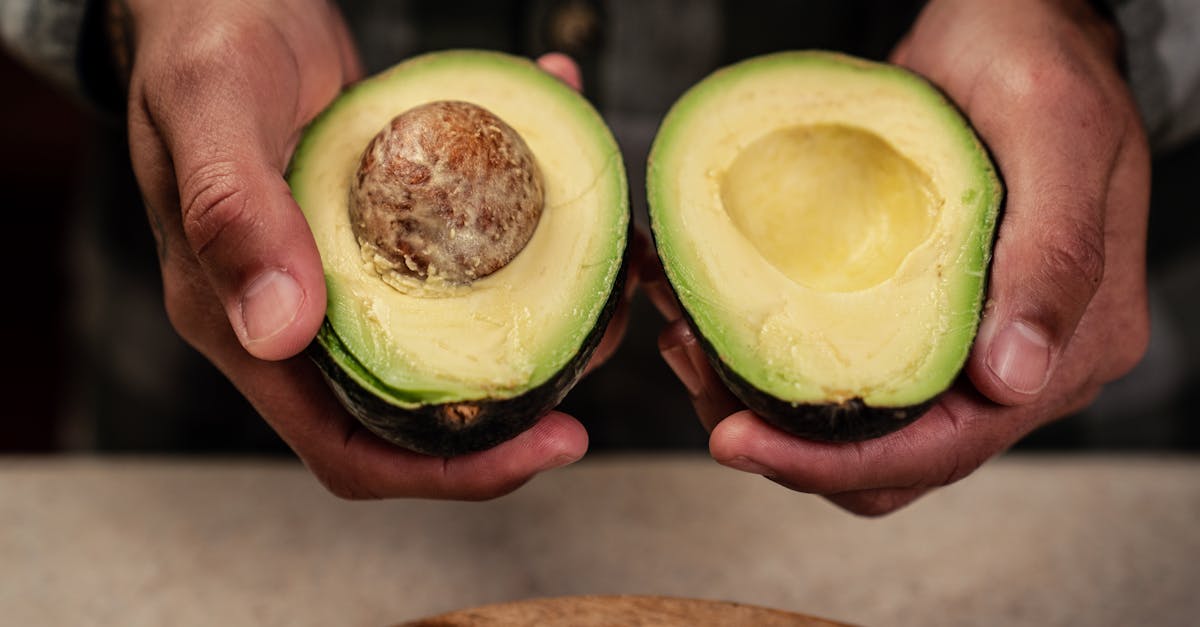
Owners often lump the oil and the fruit together, but the risks are different. The ASPCA notes that avocado is mainly a danger to birds, rabbits, horses and grazing animals, not dogs. Pet Poison Helpline doesn't class avocado as toxic to dogs or cats, while warning that a swallowed pit can block the intestines.
| Product | Persin? | Main risk for dogs |
|---|---|---|
| Avocado oil | No | Very high fat; stomach upset, possible pancreatitis |
| Avocado flesh | Not a main source | Fatty; fine only as a tiny taste |
| Skin and leaves | Yes | Stomach upset; hard to digest |
| Pit (seed) | Yes | Choking and intestinal blockage |
| Guacamole | Varies | Onion, garlic and salt are the bigger danger |
Is avocado bad for dogs?
Not in the way grapes or chocolate are. The AKC suggests that if you share the flesh at all, keep it to about 1 teaspoon per 10 pounds of body weight, and avoid it for dogs who are overweight or prone to pancreatitis. The pit is the real hazard. Cornell's Riney Canine Health Center notes that a blockage in the gut needs prompt veterinary care.
Is avocado good for dogs?
It isn't harmful in a tiny taste, but it isn't a health food for dogs either. Lower-fat fruit makes a better treat. Our guide to sharing mango with your dog covers one popular option.
Can Dogs Have Avocado Oil in Their Food? Portion Math
Can dogs have avocado oil in their food as a daily topper? Here is where the numbers matter. UC Davis veterinary nutritionists advise that treats and extras stay under 10% of daily calories. Oil counts as an extra, so it comes out of that same small budget.
The table shows how much of a dog's treat allowance one teaspoon or one tablespoon would use. Your vet can tell you your own dog's daily calorie needs.
| If your dog needs… | 10% treat budget | 1 tsp oil (41 kcal) uses | 1 tbsp oil (124 kcal) uses |
|---|---|---|---|
| 300 kcal a day | 30 kcal | 137% of the budget | 413% of the budget |
| 600 kcal a day | 60 kcal | 68% of the budget | 207% of the budget |
| 1,000 kcal a day | 100 kcal | 41% of the budget | 124% of the budget |
| 1,500 kcal a day | 150 kcal | 27% of the budget | 83% of the budget |
Calories from USDA FoodData Central. Daily needs vary by size, age and activity; these rows are examples, not targets.
Pet Care Tip
If your vet does approve a little oil, measure it with a kitchen teaspoon instead of pouring from the bottle. A "splash" can easily be a tablespoon or more, which is three times the calories of a teaspoon.
Hidden Avocado Oil in Human Foods
Most dogs meet avocado oil through table scraps rather than a bottle. Chips, dressings, mayonnaise and roasted vegetables can all be made with it, and the other ingredients are usually the bigger concern.
- Guacamole and dips: The AKC warns these usually contain onion and garlic, which are toxic to dogs.
- Avocado oil chips and fries: Salty and fatty; best kept off the floor.
- Dressings and mayo: May contain garlic, onion powder or vinegar; check the label.
- Cooked meats and eggs: A plain bite is usually fine, but skip seasoned or greasy pieces.
If you like cooking for your dog, our guide to scrambled eggs for dogs covers how to serve eggs plainly, without butter or oil. The same logic applies to greasy roast meat, as our rotisserie chicken guide explains.
Can Dogs Have Avocado Oil on Their Skin or Coat?
Can dogs have avocado oil rubbed into a dry coat? Some owners try it, but there are two problems. Dogs usually lick oily fur, so a skin treatment becomes an extra snack. Dry or itchy skin can also come from allergies, parasites or infection, which oil won't fix.
Questions to ask your vet about a dull or itchy coat
- Could this be an allergy, fleas, mites or a skin infection?
- Is my dog's food complete and balanced for its life stage?
- Would a veterinary skin supplement or medicated shampoo help more than oil?
- If I add any oil, how much is safe for my dog's weight?
Dogs That Should Never Have Avocado Oil
For some dogs, even a modest amount of extra fat isn't worth the risk. The AAHA says one fatty treat can set off a pancreatitis flare, especially in pets that have had it before.
- Dogs with a history of pancreatitis: Avoid all extra fats unless your vet says otherwise.
- Overweight dogs: The extra calories add up quickly.
- Breeds with a known tendency: AAHA lists miniature schnauzers, Yorkshire terriers and dachshunds as higher risk.
- Dogs on a low-fat prescription diet: Oil undoes the point of the diet.
- Homes with birds or rabbits: Keep all avocado products well away from them.

My Dog Got Into Avocado Oil: What to Do
- Clean up the spill and put the bottle out of reach.
- Estimate how much was eaten and note your dog's weight and the time.
- Offer fresh water and skip the next fatty treat.
- Watch for 24 to 48 hours for vomiting, diarrhea, belly pain or loss of appetite.
- Call your vet if your dog drank more than a lick, is small, or has had pancreatitis.
Texas A&M veterinarians list vomiting, poor appetite, lethargy and belly pain as common signs of acute pancreatitis. Repeated vomiting or a dog that won't eat needs a vet the same day.
If the oil was mixed into a dish with onion, garlic or other ingredients you're unsure about, call the ASPCA Animal Poison Control Center at (888) 426-4435 or Pet Poison Helpline at (855) 764-7661. Both are open 24/7, and a consultation fee may apply.
For milder tummy trouble, our guide to common causes of diarrhea in dogs can help.
Common Avocado Oil Mistakes Owners Make
| Mistake | Why it happens | Effect on your dog | How to avoid it |
|---|---|---|---|
| Pouring oil on kibble for a shiny coat | Online coat tips | Extra calories, loose stools | Ask your vet about a dog-specific option |
| Treating oil like the fruit | Both say "avocado" | Missing the real risk (fat) | Measure, or skip it |
| Sharing guacamole | Assumed to be just avocado | Onion and garlic exposure | Keep dips off the floor and table |
| Ignoring a big spill | Oil seems harmless | Missed early pancreatitis signs | Watch for 48 hours and call your vet |
Example Scenario (illustrative)
Marcus in Columbus reads that avocado oil helps dogs' coats and asks his vet, "Can dogs have avocado oil every day?" His dog, Pepper, is a 22-pound senior who had pancreatitis last year. The vet says no: a daily tablespoon would add about 124 calories of pure fat. Instead, they check Pepper's skin for fleas and switch to a vet-recommended shampoo.

Can Dogs Have Avocado Oil? FAQs
Is avocado oil toxic to dogs?
No. The AKC says avocado oil doesn't contain persin, the compound in avocado leaves, skin and pits. The concern is fat: about 14 grams per tablespoon, which can upset the stomach and may contribute to pancreatitis in some dogs.
My dog licked avocado oil off the floor. Is that OK?
A small lick is unlikely to harm a healthy dog. Wipe up the rest, keep fresh water out and watch for vomiting, diarrhea or belly pain over the next day. Call your vet if your dog drank a larger amount or has had pancreatitis before.
Can dogs have avocado oil every day?
It isn't a good daily habit. One teaspoon is about 41 calories, which can use up much of a small dog's daily treat allowance. Ask your vet before adding any oil to your dog's bowl on a regular basis.
Can dogs have avocado?
A small piece of plain, ripe flesh is generally fine for healthy dogs. The AKC suggests about 1 teaspoon per 10 pounds of body weight at most. Never share the skin, pit or leaves, and skip guacamole.
What if my dog ate guacamole?
Call your vet or an animal poison control line. Guacamole usually contains onion and garlic, which are toxic to dogs, plus salt and lime that can upset the stomach. Have the recipe or label handy when you call.
Can I put avocado oil on my dog's dry skin?
It is best to ask your vet first. Dry, flaky or itchy skin can have many causes, and dogs tend to lick oil off, which turns a skin treatment into an extra snack. Your vet can suggest a product made for dogs.
Can dogs eat food cooked in avocado oil?
A small bite of plain food cooked in a little avocado oil is unlikely to cause harm. Avoid sharing dishes that also contain onion, garlic, heavy seasoning or a lot of extra fat, such as fries or fried meat.
Final Verdict: Can Dogs Have Avocado Oil?
Can dogs have avocado oil? A lick from a spill is rarely a problem, but it shouldn't be a regular part of your dog's diet. It contains no persin, yet every tablespoon packs about 124 calories of fat. Skip it for dogs with pancreatitis or weight issues, keep guacamole away, and ask your vet before using any oil for skin or coat.
Your next steps
- Store avocado oil and avocado dips where your dog can't reach them.
- Learn how fats fit into a balanced diet in our guide to fresh human-grade dog food.
- Browse more feeding and care guides in our dogs section.
Have a question about your dog's diet? Ask our Facebook community.
About the author — Written and reviewed by the Pets Store Home Editorial Team: pet owners and animal lovers who check every guide against trusted US veterinary and animal-welfare sources. This article is general information, not a substitute for professional veterinary advice. Always talk to your veterinarian about your own pet's health.
How we checked this guide: Avocado and avocado oil advice comes from the American Kennel Club; species risks from the ASPCA and Pet Poison Helpline; calorie and fat figures from USDA FoodData Central; treat limits from UC Davis veterinary nutrition; pancreatitis information from AAHA and Texas A&M; and blockage guidance from Cornell University. Calorie budget examples are illustrative, not feeding targets. We review this article every 12 months, or sooner if guidance changes.
Last reviewed: October 2026.
Sources
- American Kennel Club, Can Dogs Eat Avocado? (accessed October 2026)
- ASPCA, People Foods to Avoid Feeding Your Pets (accessed October 2026)
- Pet Poison Helpline, Avocado (accessed October 2026)
- USDA FoodData Central, Oil, Avocado (FDC 173573) (accessed October 2026)
- UC Davis School of Veterinary Medicine, Treat Guidelines for Dogs (accessed October 2026)
- AAHA, Understanding Pancreatitis in Pets (accessed October 2026)
- Texas A&M School of Veterinary Medicine, Navigating Pancreatitis in Dogs (accessed October 2026)
- Cornell University Riney Canine Health Center, Gastrointestinal Foreign Body Obstruction in Dogs (accessed October 2026)
- ASPCA, Animal Poison Control Center (accessed October 2026)
[…] Which foreign pets are legal in Washington State? […]