
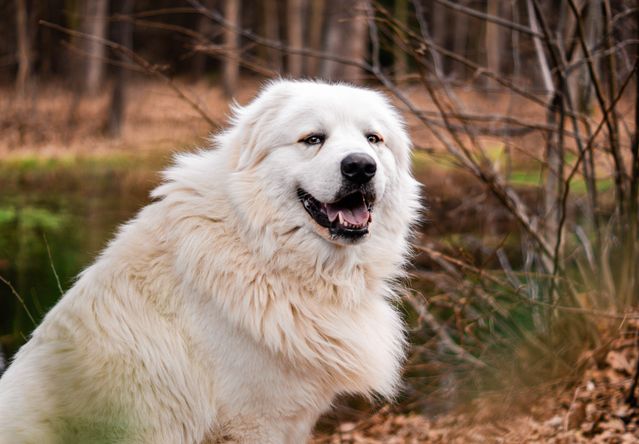
A great pyrenees mix is any cross between the Great Pyrenees, a large white livestock guardian dog, and another breed. Common mixes include the Great Pyrenees and Great Dane (often called a Great Pyredane), the Rottweiler cross, and mixes with mastiffs, hounds and retrievers. Most are big, calm and protective, with thick coats that shed heavily.
Whether you are thinking about adopting a fluffy farm rescue or simply curious about the mix you already own, this guide covers the Great Pyrenees parent, the most common Pyrenees mix breeds, size and lifespan, temperament and guardian instincts, grooming, health concerns and where to find one.
Key takeaways
- Chewy lists the Great Pyrenees at 25 to 32 inches tall and 85 pounds and up.
- The breed has guarded flocks in the Pyrenees mountains since about 3000 B.C., says the Westminster Kennel Club.
- Most Pyrenees mixes are large, independent and protective, and many are vocal watchdogs.
- Expect heavy shedding and plenty of brushing.
- Mixes with Great Danes or Rottweilers share a risk of bloat and joint problems.
In this guide
Great Pyrenees Mix at a Glance: The Short Answer
Because a mix can take after either parent, every dog is different. The table below uses figures from Chewy (reviewed by Barri Morrison, DVM) and the Westminster Kennel Club for the Great Pyrenees side.
| Trait | Great Pyrenees parent | What it means for a mix |
|---|---|---|
| Height | 25–32 inches | Most mixes are large |
| Weight | 85 pounds and up | Usually heavy, depending on the other parent |
| Lifespan | 10–12 years | Varies with the other breed |
| Group | Working (guardian) | Often protective and independent |
| Temperament | Confident, serene, smart | Calm but watchful |
| Coat | Thick, mostly white | Heavy shedding is likely |
Meet the Great Pyrenees Parent
Understanding the Great Pyrenees helps you predict what any pyrenees mix will be like, because every great pyrenees mix inherits part of this guardian heritage. Westminster calls it “a large, principally white, guardian dog” that mountain shepherds in southwestern Europe have relied on since about 3000 B.C. The first breeding pair arrived in America in 1931, and the Great Pyrenees Club of America says it became the AKC-recognized parent club in 1935.
Chewy calls the Great Pyrenees “patient and affectionate” and says it is generally a good fit for family life. It also notes that the breed’s guardian roots mean it “can have a mind of their own,” so training takes patience.
Popular Great Pyrenees Mixes
There are many great pyrenees mixes, and new crosses appear all the time. These are some of the best known.
Great Pyrenees and Great Dane mix (Great Pyredane)
The great pyrenees great dane mix combines two gentle giants. Chewy lists the Great Dane at 110 to 175 pounds and 28 to 32 inches tall, with a temperament described as affectionate, calm and goofy. A great dane pyrenees mix, sometimes called a Great Pyredane, is usually very large and laid-back, but it needs room to stretch out and a careful diet during its growth. Searches for a great dane great pyrenees mix or a great dane and great pyrenees mix all describe this same cross.
Great Pyrenees and Rottweiler mix
The great pyrenees rottweiler mix pairs a calm guardian with a loyal, confident working dog. Chewy lists the Rottweiler at 80 to 135 pounds and 22 to 27 inches, and describes it as affectionate, aloof and loyal. A rottweiler pyrenees mix is often a strong, protective family dog that does best with an experienced owner and early training.
You may also see it listed as a rottweiler and pyrenees mix, a rottweiler great pyrenees mix, a rottweiler and great pyrenees mix or a great pyrenees mixed with rottweiler. With a Rottweiler parent, it may look darker than a purebred Pyrenees.
Mastiff Pyrenees mix
A mastiff pyrenees mix is usually massive, mellow and protective. Mastiff-type dogs often drool and snore, so this cross may do both, and it will need plenty of space. If you are interested in mastiff-type breeds, our guides to the French Mastiff and Tibetan Mastiff cost offer more background.
Great Pyrenees retriever and hound mixes
A great pyrenees retriever mix, whether with a Labrador or Golden Retriever, often blends a friendly, people-loving nature with the Pyrenees’ calm. A great pyrenees hound mix may have a strong nose, a louder voice and a tendency to wander after scents, so a secure fence is important. Pyrenees pit mixes also turn up in shelters, and many owners describe them as affectionate, muscular companions.
Other Pyrenees mix breeds
You may also see poodle, German Shepherd, husky and Bernese crosses. Some sellers advertise a great pyrenees poodle mix for sale as low-shedding, but no mix comes with a guarantee about coat type. Meet the parents and ask questions before you commit.
Pyrenees Mix Breeds: Size and Lifespan
Size depends on both parents, so treat these as rough estimates based on Chewy’s parent-breed figures rather than promises.
| Mix | Likely size | Parent lifespans (Chewy) |
|---|---|---|
| Great Pyrenees × Great Dane | Very large to giant | Pyrenees 10–12 yrs; Dane 7–10 yrs |
| Great Pyrenees × Rottweiler | Large | Pyrenees 10–12 yrs; Rottweiler 9–10 yrs |
| Great Pyrenees × Mastiff | Very large | Varies by mastiff type |
| Great Pyrenees × retriever or hound | Medium-large to large | Varies by breed |
Giant mixes, especially those with Great Dane blood, may have shorter lives than mixes with medium-sized breeds. Regular vet care and a healthy weight help any pyrenees dog mix live as long as possible, and they matter even more for a giant great pyrenees mix.
Temperament and Guardian Instincts
Most Pyrenees mixes inherit at least some of the guardian personality. Westminster lists the Great Pyrenees as courageous, friendly, sociable and outgoing, while Chewy points out that a serene nature does not mean the dog will not bark.
- Protective: may watch over children, other pets and the yard.
- Independent: bred to make decisions alone, so it may ignore commands it sees no point in.
- Vocal: many are quick to bark at sounds you may not notice.
- Gentle: usually calm and patient indoors once it knows the family.
Pet Care Tip: Start socialization early. Introduce your Pyrenees mix puppy to visitors, other dogs and new places so its guardian instinct does not turn into suspicion of everyone.
Care, Grooming and Exercise
A great pyrenees mix usually needs more grooming than people expect. Chewy says the breed sheds heavily, so plan on brushing several times a week, and daily during seasonal sheds. Bathe only when needed, trim nails regularly and check the double dewclaws that many Pyrenees have on their back legs.
- Exercise: daily walks and free time in a securely fenced yard.
- Space: most mixes do best in a home with a yard rather than a small apartment.
- Training: short, positive sessions work best for an independent dog.
- Heat: the thick coat makes hot weather hard, so provide shade, water and cool resting spots.
Great Pyrenees Mix Health Concerns
Chewy’s vet-reviewed profiles list several conditions seen in the parent breeds:
| Condition | Seen in | What to watch for |
|---|---|---|
| Bloat (GDV) | Great Pyrenees, Great Dane, Rottweiler | Swollen belly, retching without vomiting, restlessness |
| Hip and elbow dysplasia | Great Pyrenees, Rottweiler, Great Dane | Stiffness, limping, trouble rising |
| Luxating patella | Great Pyrenees | Skipping or holding up a back leg |
| Eye conditions | Great Pyrenees | Redness, cloudiness, squinting |
When to call the vet: Bloat is an emergency. Go to a vet immediately if your dog has a swollen, tight belly, tries to vomit without bringing anything up, drools heavily or seems restless and in pain.
Feeding measured meals, avoiding hard exercise right after eating and keeping your dog lean can help. Large-breed puppy food is often recommended to support steady growth, so ask your vet which food suits your puppy.
Finding a Pyrenees Mix Dog
Pyrenees mixes regularly turn up in shelters and rescues, some of them from farms or rural homes. Search for great pyrenees mix puppies for adoption through local shelters and rescues that know livestock guardian dogs. If you buy great pyrenees rottweiler mix puppies or any other cross from a breeder, meet the parents, ask for hip and elbow screening results, and avoid sellers who cannot answer basic health questions. Spanish-speaking families may also find listings under perros great pyrenees.
Comparing other big crosses? See our guides to the Rottweiler German Shepherd mix and the Pitbull Labrador mix, or browse our excellent family dogs list.
Pros and Cons of a Pyrenees Mix
| Pros | Cons |
|---|---|
| Calm and gentle with family | Heavy shedding |
| Natural watchdog | Can bark a lot |
| Patient with other pets once socialized | Independent and slow to obey |
| Impressive, fluffy look | Needs space and struggles in heat |
Example Scenario (illustrative)
Caleb in Asheville, North Carolina, adopts a two-year-old great pyranees mix (as the shelter spelled it) named Boone. Boone is gentle with Caleb’s kids but barks at every sound after dark. Caleb adds a sturdy fence, brushes him three times a week and works with a trainer on a “quiet” cue. Within a few months, Boone is a calm, devoted guardian.
Great Pyrenees Mix FAQs
How big does a Pyrenees mix get?
Most are large. Chewy lists the Great Pyrenees at 25 to 32 inches tall and 85 pounds and up, so a mix with another large breed, such as a Great Dane or Rottweiler, is usually a big dog too. Mixes with smaller breeds may be lighter, but size is hard to predict.
What is a Great Pyredane?
A Great Pyredane is a cross between a Great Pyrenees and a Great Dane. Both parents are giant breeds, so expect a very large, gentle dog that needs plenty of space and careful growth as a puppy.
Are Pyrenees mixes good family dogs?
Often, yes. Chewy describes the Great Pyrenees as patient and affectionate, and generally a good fit for family life. Their size and guardian instincts mean they need early socialization and supervision around small children.
Do Pyrenees mixes bark a lot?
Many do. The Great Pyrenees was bred to guard flocks, and Chewy notes that its calm nature does not mean it will not bark. Mixes often inherit this watchful, vocal streak.
How long do Pyrenees mixes live?
Chewy gives the Great Pyrenees a life expectancy of 10 to 12 years. A mix with a Great Dane, which Chewy lists at 7 to 10 years, may have a shorter lifespan than one with a smaller breed.
Where can I find Great Pyrenees mix puppies for adoption?
Check local shelters, breed rescues and adoption websites, and ask rescues that specialize in livestock guardian dogs. Some Pyrenees mixes in rescue come from farms or rural homes.
Final Verdict
A great pyrenees mix can be a gentle, loyal and protective companion, whether it is a Great Pyredane, a Rottweiler cross or a shelter mix of uncertain background. Be ready for heavy shedding, frequent barking, independence and plenty of space needs, and work with your vet on bloat and joint health so your gentle giant stays well.
Your next steps
- Browse more breed guides in our dogs section.
- Contact a local rescue that places livestock guardian dogs.
- Learn the signs of bloat before your dog comes home.
Share your Pyrenees mix photos on our Facebook page.
About the author
Written and reviewed by the Pets Store Home Editorial Team: pet owners and animal lovers who check every guide against trusted US veterinary and breed-club sources. This article is general information, not a substitute for professional veterinary advice. Always talk to your veterinarian about your own pet’s health.
How we checked this guide: we used Chewy’s vet-reviewed breed profiles (reviewed by Barri Morrison, DVM), the Westminster Kennel Club and the Great Pyrenees Club of America. We review this article every 12 months, or sooner if guidance changes.
Last reviewed: November 2026
Sources
- Chewy – Great Pyrenees (reviewed by Barri Morrison, DVM) (accessed November 2026)
- Chewy – Great Dane (reviewed by Barri Morrison, DVM) (accessed November 2026)
- Chewy – Rottweiler (reviewed by Barri Morrison, DVM) (accessed November 2026)
- Westminster Kennel Club – Great Pyrenees (accessed November 2026)
- Great Pyrenees Club of America (accessed November 2026)
[…] Which foreign pets are legal in Washington State? […]