google-site-verification=ASrSFqKsKmxqlSloaozW_qZZYHGwV5yjQG-dPyX1MuY
Nutrition for Senior Rescue Dogs with No Teeth: A Complete Guide

Nutrition for Senior Rescue Dogs with No Teeth: A Complete Guide

Nutrition for Senior Rescue Dogs with No Teeth: A Complete Guide

Bringing a senior rescue dog into your home is a gift that unfolds with daily moments of companionship, trust, and shared adventures. For dogs who have lost their teeth, or were born without them, the challenge of eating can be daunting—far more than simply choosing a tasty treat. In their golden years, these dogs rely on foods that are easy to chew or swallow, nutritious, and aligned with any health conditions they may be developing. This guide provides practical, research-informed strategies to feed senior rescue dogs with no teeth so they can thrive, maintain muscle mass, stay hydrated, and enjoy meals again.

Understanding the Unique Needs of Edentulous Senior Dogs

When a dog has no teeth or has severely reduced dentition, the mouth is not the primary tool for breaking down food. Instead, chewing is replaced by more cautious licking or swallowing softer textures. The key is to supply foods that are radiantly palatable, nutritionally complete, and easy to digest. Senior dogs face natural shifts in metabolism: sometimes they need fewer calories to avoid weight gain, and other times they require extra protein to preserve lean muscle mass that supports mobility and overall function. Rescue dogs may carry additional health considerations—past neglect, uncertain medication histories, past injuries, or chronic pain—that can impact appetite and energy levels. The feeding plan you create should be gentle enough to protect their comfort while being robust enough to protect their health.

Calorie Needs, Body Condition, and Protein for Aging Ban-dogs

Energy requirements decline with age, but the need for high-quality protein generally stays important. Adequate protein helps preserve muscle, support immune function, and aid in recovery from illnesses or injuries. For dogs with no teeth, the way those calories are delivered matters as much as how many calories there are. Here are practical guidelines to consider:

  • Evaluate body condition: Use a simple body condition scoring system. If ribs are easily felt with a light touch and the waist is visible, the dog may be underweight. If you cannot feel ribs and there is a round abdomen or obvious fat deposits, the dog may be overweight. Aim for a waistline that is discernible when viewed from above and a soft fat cover on the abdomen. Discuss weight targets with a veterinarian, especially if your rescue dog has or is at risk of obesity, diabetes, liver or kidney concerns.
  • Protein quality and quantity: Choose high-quality animal proteins (e.g., chicken, turkey, beef, fish, eggs) to support lean body mass. In general, senior dogs benefit from diets with adequate protein to prevent muscle loss, but if there are kidney or liver concerns, a vet may recommend moderated protein intake or specific amino acid profiles. In many cases, 20–30% protein on a dry matter basis (DMB) is appropriate for senior, active dogs, but exact targets should be individualized.
  • Fat and calories: Healthy fats, particularly omega-3 fatty acids, help with joint health, skin and coat quality, and anti-inflammatory support. Fat is a dense energy source; for senior dogs, balancing calories with reduced energy needs can prevent weight gain. Use fats from fish, flaxseed, or canola oil in moderation, and avoid highly processed fat sources with artificial additives.
  • Carbohydrates and fiber: Edentulous dogs may benefit from modest amounts of easily digestible carbs and fiber that help maintain gut health and stool quality. Favor complex carbohydrates like oats or barley when they agree with the dog’s digestion, plus vegetables that are well-cooked and puree-friendly.

These are starting points. The best plan is a veterinary or veterinary-nurse-guided assessment of energy needs and nutrient targets, especially if your rescue dog has medical conditions such as kidney disease, heart disease, diabetes, or arthritis.

Texture, Hydration, and Feeding Practicalities

No teeth does not mean the end of enjoying meals. It means you’ll favor textures that slide easily, blend smoothly, or dissolve with a little moisture. Here are texture strategies that work well for edentulous senior dogs:

  • Wet over dry: Canned/pouched diets or home-cooked meals with a moist texture are usually easier to consume than dry kibble. If your dog is accustomed to dry kibble, you can moisten it with warm water or broth to help it soften and become palatable.
  • Purees and pâtés: Many senior dogs with no teeth do well on pâté-style foods or purees that mix meat, vegetables, and healthy fats into a smooth consistency.
  • Grain-free or balanced grains: Some dogs tolerate pureed rice, oats, or barley. Always ensure any grains are fully cooked and well mashed or blended to a smooth texture to prevent choking and aid digestion.
  • Hydration-first feeding: Because hydration is often a concern in older dogs, consider foods with high moisture content and offer water alongside meals. You can also mix in unsalted broth (low-sodium) or bone broth to increase moisture and entice appetite.

When transitioning to soft foods, ensure the texture is uniform to avoid “pockets” of food that could cause coughing or aspiration. If your dog coughs or gasps during meals, or you notice coughing after feeding, slow the pace, alter the texture further, or consult a veterinarian.

Commercial Diets vs. Home-Prepared Meals

There are advantages and caveats to both commercial diets and home-prepared meals for no-teeth senior dogs. Each option can be nutritionally complete if carefully chosen or prepared, but it’s essential to maintain a consistent nutritional profile and avoid potential hazards.

  • Commercial diets: Look for products labeled for senior dogs, small breeds, or those that focus on gentle textures. Canned or stews labeled as “softened” or “easy chew” can be ideal. Check the label for complete and balanced nutrition according to AAFCO (Association of American Feed Control Officials). Avoid products with heavy fillers, artificial flavors, or excess sodium. Some dogs do well with hybrid feeding: a combination of a soft canned diet plus a small amount of softened kibble or a smooth puree to maintain variety and appetite.
  • Home-prepared meals: Preparing meals at home allows you to control ingredients and texture. Celebrate safety by using high-quality proteins, cooked vegetables, and safe starches, then blend or mash to the desired consistency. Always ensure the diet is complete or supplements are added so your dog receives essential nutrients like calcium, phosphorus, vitamins, and trace minerals. If you’re new to home cooking for dogs, start with simple recipes and have them reviewed by a veterinary nutritionist to avoid nutritional gaps.

Common home-prepared meal concepts include gentle chicken-and-rice purées, salmon-and-sweet-potato blends, lean beef with pumpkin, or turkey with oats and vegetables. These should be adapted to meet your dog’s caloric needs and any medical conditions. A veterinary nutritionist or an experienced veterinary team member can help tailor recipes to your dog.

Safe, Salient Ingredients and Things to Avoid

Edentulous dogs can be sensitive to certain ingredients. Here are general guidelines for safe, dog-friendly components and ingredients to minimize or avoid:

  • Protein sources: Lean meats (chicken, turkey, beef, lamb, fish) that are cooked and finely shredded or pureed are reliable options. Eggs (cooked) can be an excellent source of high-quality protein and easily incorporated into meals.
  • Carbohydrates: Cooked, well-mashed rice, oats, barley, potatoes, and gentle vegetables like carrots, squash, and pumpkin can add energy and fiber when tolerated. Avoid raw fibrous vegetables that may be hard to chew or swallow in large pieces.
  • Fats: Small amounts of healthy fats like olive oil, salmon oil, or flaxseed oil provide essential fatty acids; introduce gradually to avoid digestive upset.
  • Hydration boosters: Water-rich foods (canned pumpkin with water, moist pâtés) or bone broth can improve hydration and palatability, but choose low-sodium options and avoid onion or garlic seasonings.
  • Supplements: Omega-3 fatty acids (from fish oil or algae-based sources), glucosamine and chondroitin for joints, and vitamin E can be helpful, but discuss any supplements with your veterinarian to avoid interactions or overdosing.

Foods to avoid or minimize include onions, garlic, grapes/raisins, chocolate, caffeinated products, xylitol (toxic to dogs), and excessive salt. Always check whether a new ingredient is safe, especially if you are dealing with a dog that has health concerns. Some rescue dogs may have food allergies or intolerances that emerged after years of varied diets; monitor for signs of stomach upset, itching, or skin issues after introducing new foods.

Hydration: The Foundation of Comfort and Health

Hydration influences kidney function, digestion, skin health, and overall energy. No-teeth dogs may drink but still benefit from moisture-rich meals. Consider these hydration strategies:

  • Offer fresh water at all times and place bowls in accessible areas. Some dogs drink more when water is offered in multiple locations.
  • Mix a small amount of warm water or low-sodium broth into meals to create a soft, soupy consistency that is easy to swallow.
  • Use pouches, stews, or gravies that contain a high moisture content to increase overall fluid intake.

Keeping hydration consistent supports kidney health, digestion, and energy. If you notice signs of dehydration such as dry gums, lethargy, sunken eyes, or skin that bounces back slowly when pinched, contact a veterinarian promptly.

Transitioning Your Rescue Dog: A Gentle Path to New Diets

Rescue dogs, by their nature, can be wary of new foods. A gradual transition minimizes stress and digestive upset. Here’s a practical transition plan you can adapt:

  • Baseline period: For the first 3–5 days, continue the dog’s current diet while introducing a small proportion (about 10%) of the new texture or ingredient into meals. Observe for tolerance.
  • Incremental increases: Over the next 7–14 days, gradually increase the new food portion to about 50% by day 14, ensuring the remainder is the original diet to prevent gastrointestinal upset.
  • Full switch: By day 14–21, your dog should be comfortably consuming the new texture completely. If any signs of intolerance appear—vomiting, diarrhea, decreased appetite—slow the transition and consult your veterinarian.

Patience is essential. Some dogs may adjust within a week; others take longer. Pair transition with a consistent feeding schedule, a calm feeding environment, and plenty of affection to ease anxiety and build trust around meals.

Sample Meal Plans and Practical Recipes

Below are example meal ideas that you can adapt to your dog’s preferences and medical needs. Always ensure the meals are complete and balanced for your dog’s life stage, size, and health. If you’re unsure, consult with a veterinary nutritionist who can tailor recipes to your dog’s exact requirements.

  • : Slow-cooked chicken breast pureed with cooked rice, carrots, and a little chicken broth until very smooth. Finish with a drizzle of olive oil for healthy fats.
  • : Cooked salmon mashed with mashed pumpkin, a little cooked oats, and water or low-sodium fish broth. Blend to a smooth consistency.
  • : Ground beef cooked until tender with mashed sweet potato and a small amount of shredded zucchini. Add water or broth to reach a soft, spoonable texture.
  • : Scrambled egg mixed with mashed peas or steamed carrots, a pinch of turmeric or parsley for flavor, and some oats blended to a paste.

These recipes are presented as ideas rather than definitive plans. The key is to maintain balance: include lean protein, gentle carbohydrates, healthy fats, and moisture. If you’re comfortable with home cooking, your options expand; if not, a high-quality soft canned diet or a donor-friendly pouch diet may be the best fit.

Supplements: Do They Help, and When?

Supplements can support senior dogs with no teeth, but they are not a substitute for a complete and balanced diet. Consider discussing the following with your veterinarian:

  • : Helpful for joint health and coat quality; sources include fish oil or algal oil. Start with a low dose and increase gradually while monitoring stool consistency.
  • Glucosamine and chondroitin: Often recommended for joint support in aging dogs. Look for reputable products formulated for dogs and follow label directions or your vet’s guidance.
  • Probiotics and fiber: Support gut health, especially in dogs with sensitive digestion or after antibiotic use.
  • Vitamin and mineral supplementation: Not usually required if you feed complete diets, but your vet may recommend specific vitamins if your dog has deficiencies or a special condition.

Be cautious with supplements; misdosing or unnecessary supplementation can cause problems. Always check with a vet before starting new products.

Oral Health, Weight, and Mobility: A Holistic View

Even with no teeth, dental health remains important. Soft tissues in the mouth can suffer from irritation or disease, and reduced oral pain improves appetite. Regular veterinary dental checkups, even if the dog is edentulous, can help identify issues such as gum irritation, oral ulcers, or infections that might affect swallowing or comfort during meals.

Weight management is a common challenge in older, rescue dogs. Inactivity, chronic pain, or hypothyroidism can all influence weight. A well-balanced, moisture-rich diet supports both energy and comfort. If your dog becomes suddenly more lethargic or changes in weight are noted, contact your veterinarian. Underlying health issues can progress quickly in senior dogs.

Mobility support, like appropriate exercise, is an important complement to nutrition. Gentle, regular activity helps preserve muscle mass and joint health, which in turn helps your dog stay comfortable during and after meals.

Feeding Etiquette and Environment for an Anxious or Rescue Dog

Rescued dogs may have anxiety or associations with harsh feeding environments from their past. Consider these tips to create a calm, predictable feeding routine:

  • Feed at the same times each day in a quiet space; avoid loud disturbances during meals.
  • Offer soft, easily accessible bowls. A raised feeder can reduce strain on the neck for some dogs, making swallowing easier.
  • Keep meals short and positive; use gentle voice cues and provide praise or a favorite chew or treat after meals to reinforce a positive association with eating.
  • Monitor for signs of stress around mealtime, such as tail-tucking, trembling, or avoidance, and adjust the routine accordingly.

Working with Your Veterinarian and Veterinary Nutritionist

The foundation of a sound nutrition plan for a senior rescue dog with no teeth is professional guidance. Schedule a comprehensive veterinary exam to check for chronic diseases, dental status, and overall organ function. Blood work can reveal subtle kidney or liver concerns that might influence diet choices. A veterinary nutritionist can help you design a home-cooked plan that ensures all essential nutrients are present and correctly balanced, or help you pick commercially available options that fit your dog’s texture requirements and medical needs.

As a guardian for a rescue dog, you may be learning as you go. Regular monitoring of weight, body condition, appetite, stool quality, and coat condition provides invaluable feedback. If your dog’s needs change—weight loss or gain, a new diagnosis, or the emergence of a medical condition—adjust the feeding plan promptly in consultation with your veterinary team.

Common Mistakes to Avoid

Even well-intentioned guardians can fall into traps that undermine nutrition in edentulous seniors. Here are a few to watch for:

  • Relying on dry kibble alone: Without teeth, many dogs cannot manage dry kibble. If you are determined to feed kibble, ensure it is thoroughly moistened and served in a texture your dog can swallow safely.
  • Skipping hydration: Not offering enough moisture can lead to constipation or dehydration; prioritize water and moisture-rich meals.
  • Over- or under-supplementing: Supplements should be used under veterinary guidance. Overuse can cause imbalances or interactions with medications.
  • Inconsistent feeding schedules: Sudden changes in meal timing or portion sizes can lead to stress and appetite fluctuations. Maintain a predictable routine.

Closing Thoughts: Compassion, Consistency, and Care

Nutrition for senior rescue dogs with no teeth is not about a single miracle food. It is about melding palatability, moisture, energy balance, and nutrient adequacy into a plan that respects the dog’s past while nourishing their present. Your senior rescue dog deserves meals that are gentle on the mouth, enjoyable to eat, and scientifically aligned with their health needs. By combining soft textures, hydration-forward meals, enriched proteins and fats, and the guidance of a veterinary team, you can help your toothless companion maintain vitality, warmth, and spirit in their golden years.

Remember: every dog is an individual. The best nutrition plan is one that reflects your dog’s preferences, medical conditions, activity level, and living situation. With patience, compassion, and professional support, you can ensure your senior rescue dog with no teeth enjoys food again and continues to share many more cherished moments with you.
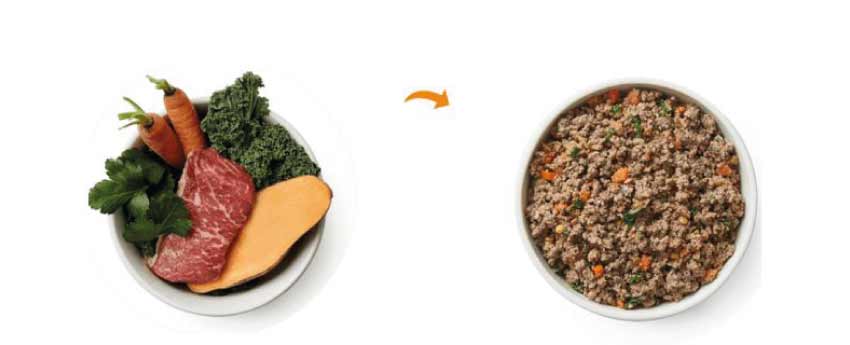

How to Prepare Healthy Dog Food at Home

How to Prepare Healthy Dog Food at Home

How to Prepare Healthy Dog Food at Home

If you’ve been wondering if preparing your dog’s food for them at home is the right decision, then we are here to help!

Today, we are covering the first step into creating healthy dog food at home. We’ll discuss the pros and cons, whether it’s right for you and your dog, and more.

Common Mistakes Owners Make When Preparing Food For Their Dogs

We pet parents are often constantly looking for ways we can be better dog owners, and our dogs’ diet is one of the best places where we can start.

But before you set your mind on creating a perfect diet plan for your dog, let’s look at why you might want to leave their base diet to the commercial dog food industry and the scientists they work with.

If you’re going to rely on preparing your dog’s food at home, it’s highly recommended you work with your dog’s veterinarian to come up with the best meal plan for them.

One of the benefits of preparing your dog’s food yourself is you can really customize it to your dog’s unique needs, so make sure to take advantage of that.

Potentially dangerous human foods include chocolate, xylitol, avocado, grapes, raisins, onions, garlic, and macadamia nuts.

Healthy Foods Without The Hassle

It’s completely OK to feel that it’s too much or too overwhelming to go through the process of creating a meal plan for your dog at home that avoids using commercial dog foods.

There are several alternatives, from healthy treats to new-style commercial foods that use whole ingredients.

Healthy Treats

One of my favorite healthy snacks for dogs is carrots. Carrots are sweet and have a fun crunch that sends puppies into the zooms while entertaining the old boys and girls.

As well, companies like Innovet Pet are putting a fun twist on the old dog treat by enriching them with hemp CBD.

Hemp CBD has been contributed to helping with anxiety, appetite regulation, and even reducing the inflammation that can hinder mobility and general health.

Creating Your First Dish

Even when you plan to stick to commercial dog food to provide for your dog’s diet, it can still be a fun idea to throw together a special meal for your pupper on the occasion.

While many commercial dog foods offer your dog a complete and balanced diet, the ingredients they sometimes use aren’t always the best quality.


Inadequate Nutrition

There are about 40 different nutrients that are essential to your dog’s diet, and if they don’t get adequate levels of just one of them, their health can take a turn for the worst.

This is one of the reasons the majority of veterinarians discourage the raw food diet, which often relies on the careful supplementation of calcium and phosphorus.

But nutrient deficiencies aren’t the only thing you have to worry about when preparing your dog’s food yourself. Excess nutrients can be just as dangerous and deadly. And they are just as likely to occur.

Giving The Wrong Foods / Using Unsafe Ingredients / Poor Sources

Preparing your dog’s food for them at home can be a very tricky process, and one of the reasons is due to poor sources of information.

Several studies show that the majority of online recipes are riddled with poor information — with many of them being dangerous. BalanceIT.com is a safe and trusted source for putting together complete and balanced meal plans.

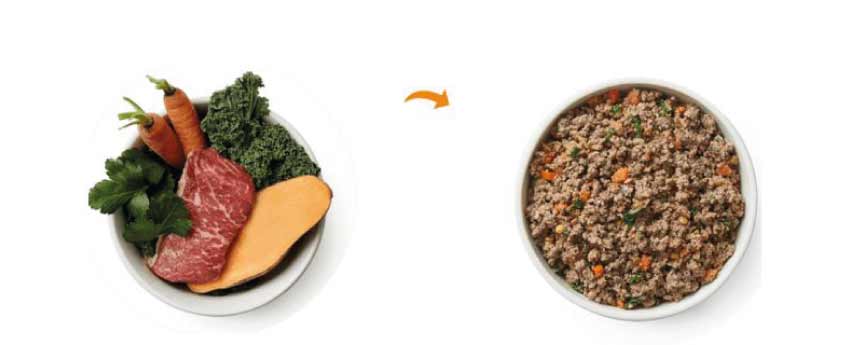
A whole ingredient-based meal every once in a while can be the perfect addition to a dog’s regular diet, giving it a healthy boost while spoiling them.


As well, this meal is also a great introduction to the world of preparing food for them at home. This meal should not be used as a sole replacer for a diet provided by commercial dog food.


Ingredients:

  • 1 1/2 cups brown rice or oats
  • 1 tablespoon alaskan salmon oil
  • 3 pounds ground turkey
  • 3 cups baby spinach, chopped
  • 2 carrots, shredded
  • 1 zucchini, shredded
  • 1/2 cup peas, canned or frozen

Directions:

  1. Cook rice following the instructions on the back of the label. A rice cooker is a great investment if you make a lot of rice. As well, you can use oats in case you’re worried about the arsenic levels in your brown rice. Set aside after cooking.
  2. In a skillet or stockpot large enough to fit all of your ingredients, brown your ground turkey. Rotisserie chicken is a great alternative as long as it’s not salted.
  3. Once fully cooked, add your remaining ingredients, including the rice or oats you set aside earlier.
  4. Cook mixture for up to 5 minutes before allowing to completely cool before serving.
Decoding wrinkle wipes English bulldog

Decoding wrinkle wipes English bulldog

Decoding wrinkle wipes English bulldog

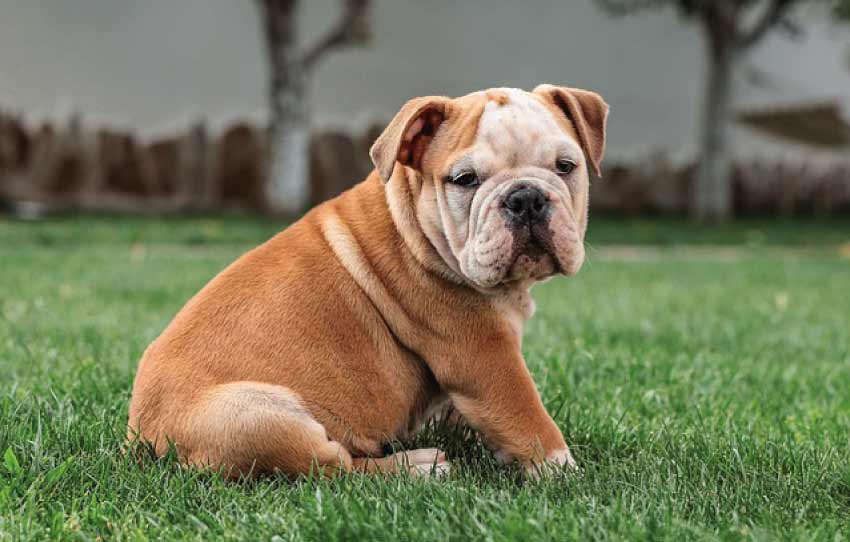
Bulldogs are the prettiest creatures and the wrinkles on them give a classy and astonishing look however funny it is sometimes. But, without those wrinkles, Bulldogs are not Bulldogs. However, these wrinkles sometimes the room for fungal and yeast infections and also give rise to a bad odor in the Bulldog’s mouth. It is important to clean English Bulldogs’ facial wrinkles to prevent infection. use the best quality wipe which will help to reduce and to prevent the fungal or yeast infection.

What are the ways to use wrinkle wipes English bulldog to stay away from any infection?

The best way to fix these issues is to apply balms and wrinkle waxes. However, only these jells or viscous liquids won’t help to eliminate the issue or problem in some cases. That’s why the wipes are foremost to apply in this situation and how you people will find out about the best wrinkle wipes? Well! There are some ways to find out the best wrinkle wipes:

  • Wipes with great cleaning properties.
  • Hypoallergenic qualities
  • Beneficial substances for sore, irritating, and infected, wrinkles.


There are also some other considerations about the wrinkle wipe such as the scent and the pricing as well. But the important thing to notice is whether Bulldogs like those stingy wipes or not, and in most cases Bulldogs hate those stingy wipes so one should discard those immediately.

Let’s get started on which wrinkle wipes will best suit the picky-owner standards and also the Bulldogs’ standards.

How these wrinkle wipes English bulldog are designed?

Alcohol-Free formula:

Wrinkle wipes are the first step to clean your English Bulldog and protect your dog’s wrinkles. Since the alcohol-free formula is gentle enough for even the super-sensitive Bulldogs and also for allergy-prone dogs. These wipes also deodorize your pups even during baths.

Moisture the skin: 

These wipes are specifically designed to remove dirt to maintain the hygiene of facial wrinkles that are characteristic of this special breed. These wipes remove debris and moisture from the skin and also reduce the risk of fungal infection as well. These wipes are usually gentle to remove dust and debris from the face of Bulldogs.

What are the most common types of wrinkle infection in English Bulldog?

  1. Facial fold Dermatitis: in this infection, English Bulldogs have a pushed-in nose with additional dog skin folds. So, the skin of your Bully is prone to a skin infection called skin fold. Its Symptoms are
  • Redness and infection of eyes
  • The area around the eye is moist
  1. Tail fold Dermatitis: A bully’s face is the best place for Dermatitis, due to deep folds which cause irritation, odor, and pain. So, here you will use wrinkle wipes for English Bulldogs.
  2. Pyoderma: It is a bacterial Infection This infection occurs due to lack of fresh air and lack of proper skin care and ultimately wrinkles become smelly and itchy. And these infections are mitigated by antibiotic Wrinkle wipes English Bulldogs.

Specific Wrinkle Wipes English Bulldog

  • The paraben-free formula for Bulls sensitive skin
  • Sealable flap packaging for retaining moisture and cleanliness
  • 6 x 8 inched wipe
  • Phytosphingosine-based formula 
  • The inclusion of phytosphingosine makes them fit for healthy skin
  • The alcohol-free formula is mild for bully’s face
  • Perfect wipe size for cleaning wrinkle area
  • Comes with a flap packaging for retaining moisture

Ways to prevent Wrinkle infection in English Bulldog

  • Cleaning: Hygiene is the best way to keep oneself clean and healthy.it is necessary to clean Your belly daily. You need to clean the dirt and food particles embedded in wrinkles. Also, remove tear stains from the Bulldog’s face.
  • Brushing: Another foremost step is brushing, you can keep Bully’s clean by brushing its coat daily. In this way, dead hair will be removed.
  • Bathing: In the case of bathing, your Bully needs a fine bath after 2 or three weeks. It will be more accurate to make him bathe once a month. excessive bathing is not necessary. Because it will cause skin issues.
  • Drying: As you know the moist place is the best area for the cultivation of yeast, bacteria, and fungus. So, it is crucially important to keep your belly wrinkles dry.


How often should you clean your Bully’s wrinkles?

It is certainly important here that you should clean your English Bulldogs wrinkles every day. But if you have a busy schedule and cannot clean it daily, then try to stick to every second-day routine. It is worth mentioning here that if the age of your Bull is old, clean its wrinkles every week as the age grows skin becomes more sensitive. so be careful.

Some best Wrinkle Wipes for English Bulldog

Listen! After studying the use of wipes, there is a need to find the best wipes for your belly that will help to prevent or remove fungus effectively. So, there are various wipes for your Bully in the market. Beware of the pros and cost while purchasing those wipes. And also see the labels whether those wipes are containing all the essential material for wrinkle wipes English Bulldog or not. After verifying purchase, them and apply accordingly.

If you are looking for organic products for your pet, then there are various. natural pet wipes that are the best organic products ever used for Bully’s wrinkles. Containing natural cleaners, Aloe Vera, Wheat Germ Oil, and Vitamin E, the wipes will clean dirt and grease from your pet’s coat as well as reduce odor. And if you look for other types of wipes, they will also certainly will be easily available in market.

Conclusion:

In a nutshell, your Bully’s is your priority to grab your attention. So, there is a dire need to be attentive to your bully if its wrinkles get wet, or get dirty. Then this is alarming and one should pay heed because it will not only affect your Bully but also affect the person who is attach to Bully. The above discussion is about the Wrinkle Wipe English Bulldog, you will get the desired information by reading this article. A lot of love and care for your Bully!

How to Clean Tear Stains on White Dogs: A Comprehensive Guide

How to Clean Tear Stains on White Dogs: A Comprehensive Guide

How to Clean Tear Stains on White Dogs: A Comprehensive Guide

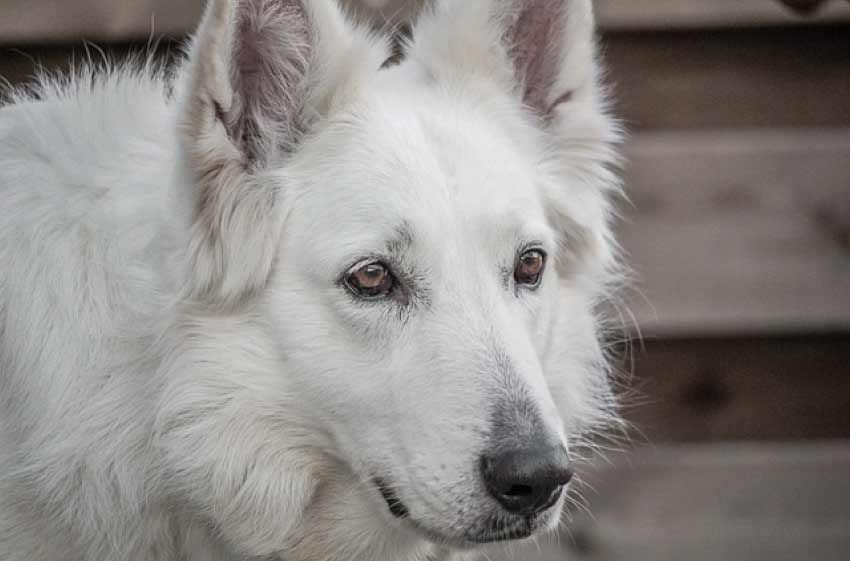
White dogs sure are stunning, but those pesky tear stains can be a real buzzkill. Those reddish-brown streaks under their eyes can really mess up their otherwise pristine appearance.

But don’t worry, we’ve got your back!

In this quick guide, we’ll dive into what causes tear stains on white dogs and give you some straightforward ways to clean them up and keep them from coming back. Your dog will be back to rocking that pristine coat in no time!

Decoding Tear Stains in Dogs

Ever wondered why your furry companion’s eyes sometimes sport those unsightly tear stains?

We’re here to shed some light on this issue, scientifically known as epiphora. These stains result from an overflow of tears, and it’s not just about watery eyes.

Here’s the lowdown on what causes them:

  1. Breed Predisposition: 

Certain dog breeds are more susceptible to tear stains due to their facial structure. Breeds like Maltese, Bichon Frise, and Shih Tzu, with flat faces and prominent eyes, often experience tear overflow leading to staining.


  1. Genetics: 

In some cases, it’s all in the genes. Specific dogs inherit a genetic tendency to produce excessive tears, resulting in those pesky stains.


  1. Environmental Factors: 

Allergies, environmental irritants, and exposure to pollutants can trigger an overflow of tears, ultimately leading to staining.


  1. Infections and Health Issues: 

Sometimes, it’s more than just aesthetics. Underlying health problems like eye infections or blocked tear ducts can cause excessive tearing, which then manifests as tear stains.


How to Clean Tear Stains on White Dogs: A Step-by-Step Guide

Tear stains on white dogs can be unsightly, but with the right approach, you can effectively clean them up..

Here’s a step-by-step guide on how to do it:

Step 1: Gather Your Supplies

Before you begin, make sure you have the necessary supplies on hand. You’ll need warm water, clean gauze or paper towels, a gentle tear stain remover (if desired), a clean cloth, and a gentle, pet-safe shampoo.

Step 2: Prepare Your Dog

Find a comfortable and well-lit space for your dog. Gently hold your dog still or ask someone to assist you, ensuring they are calm and relaxed.


Step 3: Wet the Gauze or Towel

Soak a piece of gauze or a paper towel in warm water. Squeeze out excess water to ensure it’s damp but not dripping.


Step 4: Wipe Gently

Starting with one eye, gently wipe the tear-stained area, moving from the inside corner of the eye outward. Use a gentle best dog tear wipe , but consistent motion, and avoid any rubbing or scrubbing. Be cautious to prevent the solution from getting into your dog’s eyes.


Step 5: Rinse and Repeat

If you’re using a tear stain remover, follow the product’s instructions carefully. If not, continue to use the damp gauze or towel to clean the stained area. Rinse the gauze or towel as needed and repeat the process until the stains are gone or significantly reduced.


Step 6: Dry and Groom

Use a clean, dry cloth to pat the area dry. Trim the fur around the eyes carefully if it’s long, as this can help prevent future staining. Avoid getting shampoo or water in your dog’s eyes.


Step 7: Preventive Measures

To prevent future tear stains, maintain a healthy diet, ensure your dog has access to clean water, and keep their living environment clean. Regularly check for eye infections or other health issues and consult your vet if you suspect a problem.

With these steps and maintaining a regular cleaning routine, you can effectively clean tear stains on your white dog. Mainly  keep them looking their best everyday. 

Cleaning Tear Stains

Maintaining your white dog’s appearance and well-being requires regular cleaning of tear stains.

Here are effective methods to remove these stains:

Warm Water and Gauze/Paper Towels:

Start by soaking a piece of gauze or a paper towel in warm water. Gently wipe the stained area, moving from the inside corner of the eye outward. Be cautious not to rub too vigorously, as the skin around the eyes is delicate.


Tear Stain Removers:

Commercial tear stain removers, available in pet stores or online, often contain ingredients like hydrogen peroxide, witch hazel, or boric acid. Follow the product’s instructions carefully for best results.

Natural Remedies:

Some pet owners prefer natural remedies, such as a mixture of hydrogen peroxide and cornstarch or a diluted solution of apple cider vinegar and water. Apply the solution with a cotton ball or pad, being careful to avoid contact with your dog’s eyes.

Regular Grooming:

Consistent grooming is essential to prevent tear stains from worsening. Trim the fur around your dog’s eyes to reduce the area where tear stains can accumulate.

Prescription Medications:

In severe cases or when tear stains indicate an underlying health issue, consult your veterinarian. They may prescribe medication to reduce tear production or treat any contributing health problems effectively.


Tips for Effective Tear Stain Cleaning

  • Consistency is Key: Regular cleaning prevents tear stains from becoming deeply ingrained in the fur.
  • Gentle Approach: Be extremely gentle when cleaning around your dog’s eyes to prevent discomfort or injury.
  • Professional Advice: If you notice persistent tear stains or excessive tearing, consult your veterinarian to rule out underlying health issues.
  • Avoid Harsh Chemicals: Steer clear of harsh chemicals or human cosmetics near your dog’s eyes, as they can be harmful or irritating.
  • Use Appropriate Materials: Employ a soft, clean cloth, cotton pad, or gauze to clean tear stains. Avoid dirty or abrasive materials that could harm your dog’s sensitive eye area.

Final Thoughts 

Tear stains are a common issue in white dogs, but with the right cleaning methods and preventive measures, you can keep your pet looking their best. Remember that tear stains may indicate an underlying health problem, so consult your veterinarian if you have concerns. With maintaining a clean and healthy environment and adhering to a consistent cleaning routine, you can ensure your white dog lives a tear stain-free, happy, and healthy life.

Is this conversation helpful so far?


Arch back dog | Why is my dogs back arched? In dogs symptoms

Arch back dog | Why is my dogs back arched? In dogs symptoms

Brief explanation of what an arch back dog is

An “arch back dog” typically refers to a dog exhibiting an arched or hunched posture with its back. This can be a behavioral response or a physical symptom of discomfort or pain.
The meaning or cause can vary depending on the context and the dog’s behavior or health condition.
Suppose you notice a dog arching its back. In that case, it’s essential to consider the situation and accompanying signs to determine whether it’s due to pain, fear, submission, or other factors, and if necessary, consult with a veterinarian to address any underlying health concerns.

Common reasons for dogs arching their backs.

Dogs may arch their backs for various reasons, and the cause can vary depending on the individual dog and the specific circumstances. 

Some common reasons for dogs arching their backs include:

Pain or Discomfort: Back arching can be a response to pain or discomfort, which may be related to injuries, muscle strains, arthritis, or other medical conditions.

Fear or Anxiety: Dogs may arch their backs when they feel threatened or fearful. This is often accompanied by other signs of anxiety, such as raised hackles, a lowered head, and defensive body language.

Submission: In some cases, dogs may arch their backs as a submissive gesture when interacting with more dominant dogs or people. This is a way to show deference and avoid confrontation.

Playfulness: Some dogs might arch their backs during play as part of their playful behavior. Active actions like wagging tails and bouncy movements usually accompany this.

Stretching: Dogs may arch their backs as part of their stretching routine, similar to how humans stretch their back and spine.

Pregnancy: Pregnant female dogs may arch their backs as they carry the added weight of developing puppies.

Infections or Inflammation: Dogs with infections or inflammation in the abdominal or spinal areas may arch their backs as a response to pain.

Neurological Issues: Certain neurological conditions can affect a dog’s posture, causing it to arch its back involuntarily.

Digestive Discomfort: Dogs with gastrointestinal issues like bloating or constipation may arch their backs due to abdominal discomfort.

Urinary Problems: Dogs with urinary tract infections or bladder issues may arch their backs in response to pain or discomfort in the lower abdomen.

Injuries: Back arching can result from injuries to the spine or surrounding muscles and tissues.

Environmental Factors: Uncomfortable surfaces or objects in the dog’s environment may lead to temporary back arching as the dog tries to avoid discomfort.

It’s crucial to pay attention to the context and accompanying signs when a dog arches its back. Suppose the behavior persists or is accompanied by other concerning symptoms. 

In that case, it’s advisable to consult a veterinarian to rule out any underlying health issues or pain and ensure your dog’s well-being.


Cold compress for dog ear Hematoma

Cold compress for dog ear Hematoma

Cold compress for dog ear Hematoma. What are dog ear hematomas?

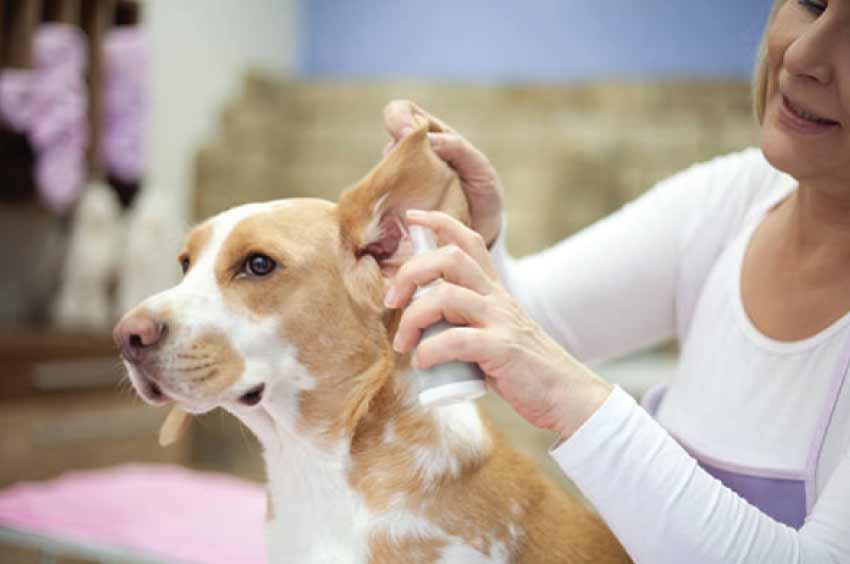
A dog ear hematoma, medically referred to as “aural hematoma” or “auricular hematoma,” is a condition that occurs when there is an accumulation of blood or serum (a clear, yellowish fluid) within the tissues of a dog’s ear flap (pinna). 

This condition is typically characterized by a swollen, inflamed, and often painful ear flap. Here’s a more detailed explanation:

Causes: Dog ear hematomas are typically the result of some form of trauma or injury to the ear. The most common cause is vigorous head shaking or scratching, which can damage the tiny blood vessels within the ear’s tissue. 

This behavior is often triggered by an underlying issue, such as ear infections, allergies, ear mites, foreign objects in the ear canal, or other irritations that make the dog uncomfortable.

Symptoms: The primary sign of a dog ear hematoma is the visible swelling and distortion of the ear flap. 

The affected ear may appear puffy, warm to the touch, and filled with fluid, creating a lumpy or bubble-like appearance. Dogs with ear hematomas may also exhibit signs of discomfort, including frequent head shaking, ear scratching, tilting their head to one side, or vocalizing in pain.

Diagnosis: To diagnose a dog ear hematoma, a veterinarian will typically perform a physical examination of the ear and may use diagnostic tools like ultrasound to confirm the presence of fluid accumulation. 

The underlying cause of the hematoma, such as an ear infection or allergy, will also be investigated.

Treatment: The primary goal of treatment for a dog’s ear hematoma is to drain the accumulated fluid and alleviate the dog’s discomfort. There are two standard methods for draining the hematoma:

  • a. Surgical Drainage: This involves making an incision in the ear flap, draining the fluid, and then suturing the ear flap together to prevent further accumulation. This method is typically used for more significant or more severe hematomas.
  • b. Aspiration: A needle and syringe may be used to withdraw the fluid from the hematoma carefully. This is a less invasive method and is suitable for more minor hematomas. After the fluid is drained, the veterinarian may bandage the ear or apply a unique (Elizabethan) collar to prevent the dog from further injuring the ear while it heals. Any underlying issues, such as ear infections or allergies, will be treated to avoid recurrence.

Prognosis: The prognosis for dog ear hematomas is generally good with appropriate veterinary care and treatment. Most dogs recover well, and the ear flap will gradually return to its normal appearance. 

In summary, a dog ear hematoma is characterized by the accumulation of blood or serum within the tissues of the ear flap due to trauma, injury, or underlying ear problems. Prompt veterinary care is essential to manage the condition effectively and ensure the dog’s comfort and ear health.


Understanding the benefits of cold compress for dog ear hematomas

Cold compresses or cold therapy can provide several advantages for dog ear hematomas, helping manage pain, reduce inflammation, and facilitate healing. Here’s a closer look at the benefits of cold compresses for dog ear hematomas:

Pain Relief: Cold compresses can help alleviate pain and discomfort associated with ear hematomas. The cold temperature causes vasoconstriction, narrowing the affected area’s blood vessels. This constriction can reduce the transmission of pain signals to the brain, providing a numbing effect and making the dog feel more comfortable.

Reduction of Swelling and Inflammation: Hematomas are characterized by the accumulation of blood or serum, leading to swelling and inflammation of the ear flap. Cold compresses can help reduce this swelling by constricting blood vessels and slowing down the inflammatory response. This can result in a decrease in the size and severity of the hematoma over time.

Preventing Further Damage: Dogs with ear hematomas often scratch or shake their heads to alleviate discomfort. Cold compresses can help reduce itching and irritation, which may discourage the dog from excessive scratching or head shaking. Minimizing these behaviors is crucial to prevent additional trauma to the ear and further complications.

Enhancing Healing: Cold therapy can promote healing by improving blood circulation to the affected area once the cold compress is removed. This can facilitate the removal of cellular waste and enable the delivery of oxygen and nutrients to the healing tissues, which may expedite recovery.

Temporary Soothing Effect: A cold compress can immediately relieve the dog’s ear hematoma. It can be beneficial while waiting for a veterinary appointment or during the initial stages of treatment.

It’s important to note that while cold compresses can offer valuable benefits in managing the symptoms of a dog ear hematoma, they should not be used as a sole treatment method. Veterinary care is essential to address the hematoma’s underlying cause and determine the most appropriate treatment, such as drainage and managing ear infections or allergies.

When using cold compresses on a dog’s ear, it’s crucial to follow these guidelines:

  • Use a clean cloth or towel soaked in cold water or a bag of frozen peas wrapped in a cloth. Ensure the compress is not too hard to avoid frostbite or discomfort.
  • Apply the cold compress gently to the affected ear flap for 5-10 minutes, with breaks in between.
  • Constantly monitor your dog’s response, and if they seem distressed or uncomfortable, discontinue the cold therapy.

In summary, cold compresses can be a beneficial adjunctive therapy in managing dog ear hematomas by relieving pain, reducing swelling, and preventing further damage. However, they should be used with veterinary treatment to address the underlying cause and ensure the best outcome for your dog’s ear health.


A step-by-step guide to applying a cold compress for a dog ear hematoma

Applying a cold compress to a dog’s ear hematoma can help alleviate pain, reduce inflammation, and provide some relief while waiting for veterinary treatment. Here is a step-by-step guide on how to apply a cold compress to a dog’s ear hematoma:

Note: Before attempting this, ensure your dog is comfortable with you touching their ear, and be gentle throughout the process. If your dog becomes distressed or the hematoma worsens, discontinue the cold compress application and seek immediate veterinary care.

Materials Needed:

  1. Clean cloth or towel
  2. Cold water or ice pack (frozen peas or a similar item wrapped in a cloth)
  3. A comfortable and quiet area to work with your dog

Step 1: Wash Your Hands

Start by washing your hands thoroughly with soap and water to ensure they are clean and free of contaminants that could irritate the dog’s ear.

Step 2: Prepare the Cold Compress

Option 1: Cold Cloth

  1. Wet a clean cloth or towel with cold water. b. Wring out any excess water so that the cloth is damp but not dripping.

Option 2: Ice Pack

  1. If using an ice pack, wrap it in a cloth or towel to create a barrier between the cold pack and your dog’s skin. This prevents frostbite or excessive cold exposure.

Step 3: Calm Your Dog

Choose a quiet and comfortable area where you can work with your dog without distractions. Gently reassure and calm your dog to help them relax during the process.

Step 4: Apply the Cold Compress

  1. Gently lift your dog’s affected ear flap and hold it in a natural, relaxed position. b. Place the cold compress (damp cloth or ice pack wrapped in cloth) against the swollen area of the ear hematoma. Ensure it covers the affected area entirely but doesn’t put too much pressure on it.

Step 5: Hold the Compress in Place

Hold the cold compress against the ear hematoma for 5-10 minutes. Avoid excessive pressure, and be gentle. Monitor your dog’s behavior during this time to ensure they are comfortable.

Step 6: Observe Your Dog

While applying the cold compress, watch your dog’s reaction. Remove the compress immediately if they become anxious, agitated, or uncomfortable.

Step 7: Allow for Breaks

After 5-10 minutes, remove the cold compress for a few minutes to allow the area to warm up slightly. This prevents overcooling and potential frostbite. You can repeat the process a few times as needed.

Step 8: Dry the Ear Gently

After completing the cold compress application, gently pat the ear dry with a clean towel to remove any excess moisture.

Step 9: Seek Veterinary Care

While cold compresses can provide temporary relief, it’s essential to consult with a veterinarian to address the underlying cause of the hematoma and determine the most appropriate treatment, such as drainage or surgery.

Remember that the cold compress is not a substitute for veterinary care but can help alleviate discomfort temporarily. Always prioritize your dog’s well-being and consult your veterinarian for proper diagnosis and treatment of the ear hematoma.

Precautions and considerations when using a cold compress for dog ear hematomas

A cold compress for a dog’s ear hematoma can temporarily relieve pain and inflammation. Still, taking certain precautions and considerations is essential to ensure your dog’s safety and comfort. 

Here are some necessary precautions and considerations:

Please consult with a Veterinarian: Before attempting any home treatment, including cold compresses, it’s crucial to consult a veterinarian. A veterinarian can adequately diagnose the ear hematoma, determine its underlying cause, and recommend the most appropriate treatment plan. Cold compresses are not a substitute for professional veterinary care.

Assess Your Dog’s Comfort: Ensure your dog is comfortable with you touching their Ear before attempting to apply a cold compress. Some dogs may be sensitive or anxious about their ears being handled, especially if they are in pain. Approach your dog gently and calmly to avoid causing additional stress.

Use Clean Hands: Always wash your hands thoroughly with soap and water before handling your dog’s Ear or applying a cold compress. Clean hands help prevent introducing bacteria or contaminants to the ear area.

Select the Right Materials:

  1. Use a clean cloth or towel for the cold compress.
  2. Ensure it is free from dirt, debris, or any substances irritating the Ear.
  3. If using an ice pack, wrap it in a cloth to prevent direct contact with your dog’s skin and avoid frostbite.

Monitor Your Dog: Keep a close eye on your dog’s behavior while applying the cold compress. If your dog becomes anxious, agitated, or uncomfortable, discontinue the cold therapy immediately. Your dog’s well-being should always come first.

Avoid Excessive Pressure: Do not apply excessive pressure with the cold compress. The goal is to provide gentle cooling and not cause further trauma to the Ear. Be especially cautious if the hematoma is large or the affected area has open or broken skin.

Limit Application Time: Cold compresses should be applied for short durations, typically 5-10 minutes at a time. Overuse or prolonged exposure to cold can lead to frostbite or discomfort.

Allow Breaks: After each application, remove the cold compress for a few minutes to allow the Ear to warm up slightly. This helps prevent overcooling and potential skin damage.

Dry the Ear Gently: After using the cold compress, pat the Ear dry with a clean towel to remove any excess moisture. Dampness can further irritate the Ear.

Seek Veterinary Care: Remember that cold compresses are a temporary measure to provide relief while awaiting veterinary evaluation and treatment. Always follow up with your veterinarian to address the underlying cause of the hematoma and determine the most appropriate treatment plan.

In summary, while cold compresses can relieve pain and inflammation associated with a dog’s ear hematoma, they should be used cautiously and in conjunction with professional veterinary care. Prioritize your dog’s comfort and well-being, and follow your veterinarian’s recommendations for the best outcome for your pet’s ear health.


Other home remedies and treatments for dog ear hematomas

While cold compresses can temporarily relieve a dog’s ear hematoma, it’s important to emphasize that home remedies should not be considered a substitute for professional veterinary care. Ear hematomas often have underlying causes that need to be addressed by a veterinarian. That said, here are some home remedies and treatments that may help manage your dog’s ear hematoma in conjunction with veterinary guidance:

Consult a Veterinarian: Before attempting any home treatment, consult with a veterinarian to properly diagnose the hematoma, determine the underlying cause, and receive guidance on the most appropriate course of action.

Surgery: Surgical hematoma drainage is often the most effective and long-lasting treatment. A veterinarian can perform this procedure involving incision, draining the fluid, and suturing the ear flap to prevent further accumulation.

Medical Management: In some cases, a veterinarian may recommend medical management, including using medications to reduce inflammation and promote healing. Follow your vet’s instructions for any prescribed medications.

Elizabethan Collar: To prevent your dog from further scratching or shaking their head, use an Elizabethan collar (cone) to restrict access to the ear. This can help minimize trauma to the ear flap and aid in healing.

Keep the Ear Clean: If there is an underlying ear infection, follow your veterinarian’s instructions for cleaning and medicating the ear. Maintaining good ear hygiene can help prevent recurrences.

Anti-Inflammatory Supplements: Some natural anti-inflammatory supplements, such as omega-3 fatty acids (fish oil), may help reduce inflammation. Consult your veterinarian before adding any accessories to your dog’s diet.

Warm Compresses: In some cases, after the initial swelling has subsided (usually after surgical drainage), warm compresses may be recommended to promote circulation and healing. Use a clean, friendly, damp cloth for this purpose.

Topical Remedies: Some over-the-counter topical products are designed to soothe skin and reduce inflammation. However, always consult your veterinarian before using any effect on your dog’s ear.

Homeopathic Remedies: Some pet owners explore homeopathic or herbal remedies, such as Arnica or Calendula, under the guidance of a holistic veterinarian. It’s essential to consult with a qualified professional in this field.

Proper Nutrition: Feeding your dog a balanced and nutritious diet can support their overall health, including their immune system and skin health. Discuss your dog’s dietary needs with your veterinarian.

Preventative Measures: Once the hematoma is resolved, prevent future occurrences. Regular ear cleaning, managing allergies if present, and addressing any underlying issues can help reduce the risk of hematomas.

Always remember that the underlying cause of the ear hematoma should be addressed to prevent recurrence. Home remedies can offer some relief and support but should be used with professional veterinary care. If your dog’s ear hematoma persists or worsens, seek immediate veterinary attention to ensure the best outcome for your pet’s health.