
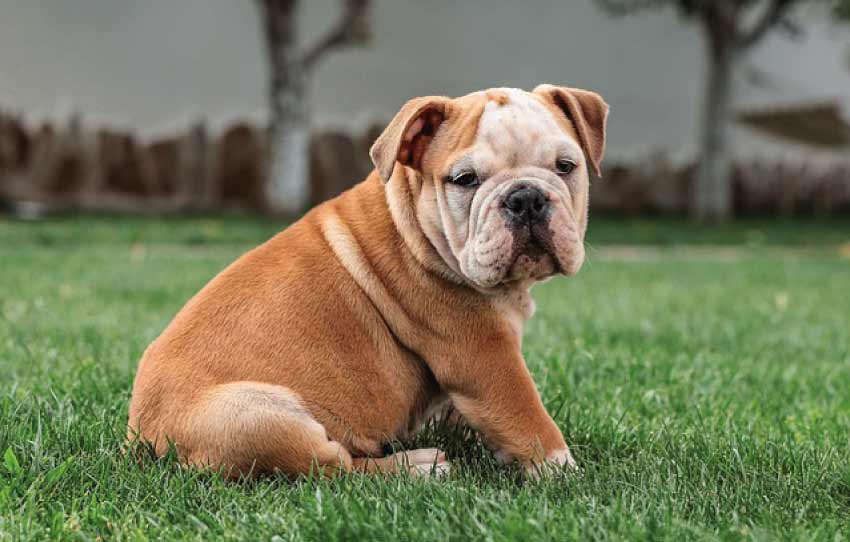
How to Clean English Bulldog Wrinkles: Wipes, Infection Signs & Vet-Backed Care
English Bulldogs are more prone to skin fold problems than almost any other breed — recent UK veterinary data puts their odds of developing skin fold dermatitis at nearly 49 times that of a crossbred dog. Wrinkle wipes are a genuinely useful daily tool for managing that risk, but most guides to them are really just repackaged product listings. This one covers what actually causes fold infections, which ingredients matter, and a condition — tail fold dermatitis — that wipes alone usually can’t fix.
Quick Answer
Wrinkle wipes are pre-moistened cleaning wipes used to clean the deep facial folds of English Bulldogs, removing trapped moisture, debris, and bacteria that would otherwise cause yeast or bacterial skin infections and odor. Look for an alcohol-free wipe containing chlorhexidine (an antiseptic) and an antifungal ingredient like miconazole or ketoconazole, wipe gently into each fold, then dry thoroughly — daily or every other day for most bulldogs. Facial fold dermatitis responds well to this routine; tail fold dermatitis, a related but distinct condition tied to the breed’s corkscrew tail, often needs surgery rather than wipes alone.
Key Takeaways
- English Bulldogs have a 6.05% annual prevalence of skin fold dermatitis — about 49 times the odds of a crossbred dog, per UK veterinary data.
- Effective wrinkle wipes combine an antiseptic (chlorhexidine) with an antifungal ingredient; alcohol-free formulas are gentler and just as effective.
- Drying the fold after wiping matters as much as the cleaning itself — residual moisture is what lets yeast and bacteria take hold again.
- Tail fold dermatitis is a separate condition from facial fold dermatitis, caused by the bulldog’s screw tail, and frequently requires surgery (caudectomy) rather than wipes.
- Persistent odor, redness, or discharge despite regular cleaning warrants a vet visit, not just a different wipe.
In this article: Why Bulldogs Are So Prone to This · What’s Actually in a Good Wrinkle Wipe · Facial Fold Dermatitis: Cleaning Routine · Tail Fold Dermatitis: A Different Problem · Nose Roll Care · Other Fold-Prone Conditions · Bathing & Coat Care · When to See a Vet · FAQ
Why Trust This Guide?
This guide is researched and written by the Pets Store Home editorial team, drawing on veterinary dermatology sources and a 2022 UK VetCompass epidemiological study on skin fold dermatitis. It’s intended as general information; a veterinarian should evaluate any bulldog showing signs of an active skin infection.
Why Bulldogs Are So Prone to Fold Problems
English Bulldogs weren’t bred with these deep facial folds as an incidental quirk — but the folds themselves create a genuinely difficult environment: warm, dark, and often damp, which is exactly what yeast (usually Malassezia) and bacteria need to multiply. A large 2022 study using UK primary-care veterinary records found skin fold dermatitis affects roughly 0.37% of dogs overall, but 6.05% of English Bulldogs specifically — giving the breed odds roughly 49 times higher than a crossbred dog. French Bulldogs (2.69%) and Pugs (2.11%) followed, confirming this is fundamentally a flat-faced-breed problem, not a bulldog-specific fluke.
That same study found systemic antibiotics were used in over 42% of diagnosed cases — a sign that a meaningful share of fold dermatitis cases aren’t caught or managed early enough to stay a simple cleaning issue.
What’s Actually in a Good Wrinkle Wipe
Not all wipes are equivalent, and the marketing on most packaging doesn’t explain why. Veterinary dermatology sources consistently point to two active ingredient categories that matter:
- Chlorhexidine gluconate — considered the gold-standard antiseptic in veterinary dermatology. It kills Staphylococcus bacteria on contact, has a residual binding effect (it keeps working after you wipe), and provides moderate antifungal activity against Malassezia.
- An antifungal agent — miconazole or ketoconazole are the two most commonly used. Because fold environments almost always harbor both bacteria and yeast, a wipe with only an antiseptic and no antifungal is treating half the problem.
Alcohol-free formulas are preferred specifically because bulldog fold skin is often already irritated or inflamed; alcohol stings on broken or compromised skin and can discourage a dog from tolerating regular cleaning. For prevention, cleaning once daily is standard veterinary guidance; during an active infection, that often increases to two or three times a day under a vet’s direction.
Pet Care Tip: Be careful with any wipe near the eyes — facial folds sit close to a bulldog’s prominent eyes, and antiseptic or antifungal ingredients can irritate the eye itself if applied too close.
Facial Fold Dermatitis: The Daily Cleaning Routine
Facial (nasal) fold dermatitis is the most common fold problem in bulldogs, and it’s genuinely manageable with a consistent routine:
- Gently open each facial fold with your fingers and wipe along the skin inside it, not just across the visible surface.
- Use a fresh section of wipe for each fold to avoid spreading bacteria or yeast between them.
- Dry each fold thoroughly with a clean, soft cloth or cotton round afterward — this step is not optional. Moisture left behind undoes most of the benefit of cleaning in the first place.
- Check for early signs during each cleaning: redness, a sour or yeasty smell, or a brownish discharge on the wipe.
Most bulldogs tolerate this well once it’s part of a routine, though puppies and dogs with already-irritated folds may need a gentler introduction — short sessions, lots of praise, and a wipe held rather than rubbed at first.
Tail Fold Dermatitis: A Different Problem With a Different Fix
This is the part most wrinkle-wipe guides skip entirely, and it matters because the fix is genuinely different. Tail fold dermatitis is tied to the English Bulldog’s “screw tail” — a corkscrew-shaped spinal deformity of the tail vertebrae that creates deep, tight folds of skin at the tail base. Those folds trap moisture the same way facial folds do, but because the deformity itself pulls the skin surfaces into constant tight contact, topical cleaning alone is frequently not enough to resolve it.
Veterinary surgical literature is fairly direct on this: medical treatment (cleaning, wipes, topical medication) is often unsatisfactory in affected dogs because of the underlying anatomical abnormality, and caudectomy — partial or complete surgical removal of the tail — is generally considered the definitive treatment when tail fold pyoderma is chronic or recurrent. This isn’t a cosmetic decision; dogs with resolved screw tail dermatitis are frequently reported as calmer afterward, since the condition is a source of ongoing pain and irritation, not just odor.
Pet Care Tip: If you notice odor, discharge, or your bulldog scooting or biting at the tail base despite regular cleaning, bring this up with a vet specifically as possible tail fold dermatitis — it’s easy to mistake for a facial-fold-style problem that “just needs better wipes,” when it may need a surgical consult instead.
Nose Roll Care
The nose roll — the fold directly above a bulldog’s nose — deserves separate mention because it’s often the most neglected fold during cleaning, sitting close to the nostrils where owners are (reasonably) more cautious. It should be cleaned with the same routine as the other facial folds, using a wipe corner rather than a full swipe, and dried carefully to avoid pushing moisture toward the nostrils themselves.
Other Fold-Prone Conditions Worth Knowing
Pododermatitis (paw fold irritation): Bulldogs’ compact paws can develop similar moisture-trapping issues between toes, especially after wet walks. The same dry-thoroughly principle applies.
Lip fold pyoderma: Less common than facial or tail fold dermatitis but seen in some individuals with heavier jowls, caused by the same mechanism — saliva and food debris trapped against skin.
Vulvar fold dermatitis: In female bulldogs, especially those that are overweight, skin folds around the vulva can develop the same kind of irritation and benefit from the same wipe-and-dry routine.
Bathing and Coat Care
Wrinkle wipes handle daily fold maintenance, but they’re not a substitute for regular bathing. Most bulldogs do well with a full bath every three to four weeks — more frequent bathing can strip natural oils and actually worsen skin issues, while too-infrequent bathing lets debris build up between fold cleanings. Brushing a few times a week helps remove loose hair and distributes natural oils, which supports overall skin health beyond just the folds.
Common Mistakes Bulldog Owners Make
- Skipping the drying step. Wiping without drying leaves the exact moisture behind that causes the problem in the first place — it’s the single most common shortcut that undermines an otherwise good routine.
- Only cleaning when there’s already a smell. By the time odor is noticeable, a mild imbalance has often already become an active infection. Daily cleaning is prevention, not just treatment.
- Using scented human wipes or baby wipes. These lack the antiseptic and antifungal ingredients that matter and can introduce fragrance irritants to already-sensitive skin.
- Treating tail fold odor the same as facial fold odor. Assuming a wipe will fix tail fold dermatitis the way it fixes facial folds delays the surgical consult that condition often actually needs.
- Over-bathing in response to odor. Reaching for more frequent full baths when the real issue is fold care specifically can strip protective oils and make overall skin health worse, not better.
Practical Examples
The following are illustrative scenarios based on patterns commonly described by bulldog owners and groomers, not documented case studies.
The routine that stuck. A new bulldog owner started daily fold cleaning as a puppy, pairing it with a treat each time. By adulthood, the dog associated the wipe with a reward rather than a struggle, and the owner reported zero fold infections in three years.
The odor that kept coming back. An owner switched wrinkle wipe brands repeatedly chasing a persistent smell, without success. A vet visit revealed a yeast infection that needed a prescription antifungal — the issue wasn’t the wipe brand, it was that topical cleaning alone couldn’t clear an infection that had already taken hold.
The tail fold surprise. A bulldog with a mild, persistent tail-base odor was treated with wipes for months without improvement. A veterinary exam identified tail fold dermatitis tied to the dog’s screw tail; a caudectomy resolved the recurring infections entirely.
Wipe Ingredients at a Glance
|
Ingredient |
Role |
Why It Matters |
|
Chlorhexidine gluconate |
Antiseptic |
Kills bacteria on contact; residual antimicrobial effect |
|
Miconazole / ketoconazole |
Antifungal |
Targets Malassezia yeast, common in fold infections |
|
Alcohol (avoid) |
Solvent/drying agent |
Stings irritated skin; can discourage tolerance of cleaning |
|
Fragrance (use caution) |
Scent |
Can irritate sensitive or already-inflamed fold skin |
Checklists
Daily Fold-Cleaning Checklist
- Wipe inside each fold, not just across the visible surface
- Use a fresh wipe section per fold
- Dry each fold thoroughly with a clean cloth
- Check for redness, odor, or discharge as you go
When-to-Call-the-Vet Checklist
- Redness or odor persists more than a few days despite cleaning
- Discharge changes color or the dog shows pain
- Any suspected tail fold involvement
When to See a Vet
Wipes and a consistent routine resolve most day-to-day fold maintenance, but certain signs mean it’s time for a professional evaluation rather than a different product:
- Redness, swelling, or heat in a fold that doesn’t improve within a few days of consistent cleaning
- A strong odor that returns quickly after cleaning
- Discharge that’s yellow, green, or bloody rather than the mild brownish residue that’s typical of normal debris
- Visible pain when you touch the area, or the dog avoiding having a fold touched at all
- Any sign of tail fold irritation, given how often this specific condition needs more than topical care
A vet can confirm whether a case needs a prescription-strength topical, oral antibiotics, or — particularly for tail fold dermatitis — a surgical referral.
Editor’s Insights
- Don’t judge a wrinkle wipe by scent or packaging claims alone — check the ingredient list for chlorhexidine plus an antifungal, since that combination is what the science actually supports.
- A bulldog that resists fold cleaning is often reacting to discomfort from an already-irritated fold, not just disliking the process — if resistance is new, check for infection before assuming it’s just fussiness.
- Keep a simple log of which folds you clean and any changes you notice; tail fold problems in particular can be subtle at first and easy to miss until they’re more advanced.
Frequently Asked Questions
How often should I clean my English Bulldog’s wrinkles?
Daily is standard veterinary guidance for prevention; every other day can work for bulldogs with fewer issues, but daily cleaning increasing to two or three times a day is appropriate during an active infection, ideally under veterinary direction.
What ingredients should I look for in a wrinkle wipe?
Chlorhexidine gluconate as the antiseptic, combined with an antifungal like miconazole or ketoconazole. Alcohol-free formulas are gentler on already-irritated skin.
Why does my bulldog’s face smell bad even after cleaning?
Persistent odor after regular cleaning usually means moisture or debris is being left behind, or an infection has already taken hold. It’s a reason to see a vet rather than switch products repeatedly.
Is tail fold dermatitis the same as facial fold dermatitis?
No. They’re related in mechanism (skin folds trapping moisture) but tail fold dermatitis is tied to the bulldog’s screw tail anatomy and frequently requires surgery, while facial fold dermatitis is usually manageable with consistent topical cleaning.
How common is skin fold dermatitis in English Bulldogs?
A 2022 UK veterinary study found a 6.05% annual prevalence in English Bulldogs specifically, versus 0.37% across all dogs — roughly 49 times the odds of a crossbred dog.
How often should I bathe my bulldog?
Roughly every three to four weeks for most bulldogs. Bathing more often can strip protective skin oils and worsen irritation.
Can I use baby wipes instead of dog-specific wrinkle wipes?
It’s not recommended. Baby wipes aren’t formulated with the antiseptic and antifungal ingredients that address the bacteria and yeast common in dog skin folds, and some contain fragrances or ingredients that can irritate a dog’s skin.
What’s the earliest sign of a fold infection to watch for?
A change in smell is usually the earliest sign, often before visible redness develops. Checking folds during routine cleaning, not just when a problem is already obvious, catches issues earlier.
If skin and coat care for flat-faced breeds interests you, our guide on cleaning tear stains on white dogs covers a related facial-care routine, and our roundup of professional dog grooming equipment is useful if you’re building out a full at-home grooming kit. French Bulldog owners dealing with similar fold issues may also find our Full Grown Blue Merle French Bulldog guide helpful for breed-specific context.
Sources & References
- Today’s Veterinary Practice, “Skin Fold Dermatitis (Intertrigo) in Dogs” — causes, treatment ingredients, cleaning frequency
- Embrace Pet Insurance, “Skin Fold Dermatitis” — chlorhexidine and antifungal treatment guidance
- VetTimes, “Screw tail and tail fold pyoderma — medical and surgical updates” — tail fold dermatitis mechanism and surgical treatment
- MSPCA-Angell, “Surgical Management of ‘Screw Tail'” — caudectomy as definitive treatment
- Scientific Reports (Nature), “Ironing out the wrinkles and folds in the epidemiology of skin fold dermatitis in dog breeds in the UK” (VetCompass, 2022) — breed prevalence and odds ratio data
Written by the Pets Store Home editorial team and fact-checked against the veterinary dermatology and epidemiological sources cited above. This article is for general educational information only and is not a substitute for professional veterinary advice. Consult a veterinarian if your bulldog shows signs of an active skin infection.
Last fact-checked: September 2026 — treatment ingredients, tail fold dermatitis surgical guidance, and breed prevalence data were checked against the published sources listed above.
[…] Which foreign pets are legal in Washington State? […]