google-site-verification=ASrSFqKsKmxqlSloaozW_qZZYHGwV5yjQG-dPyX1MuY
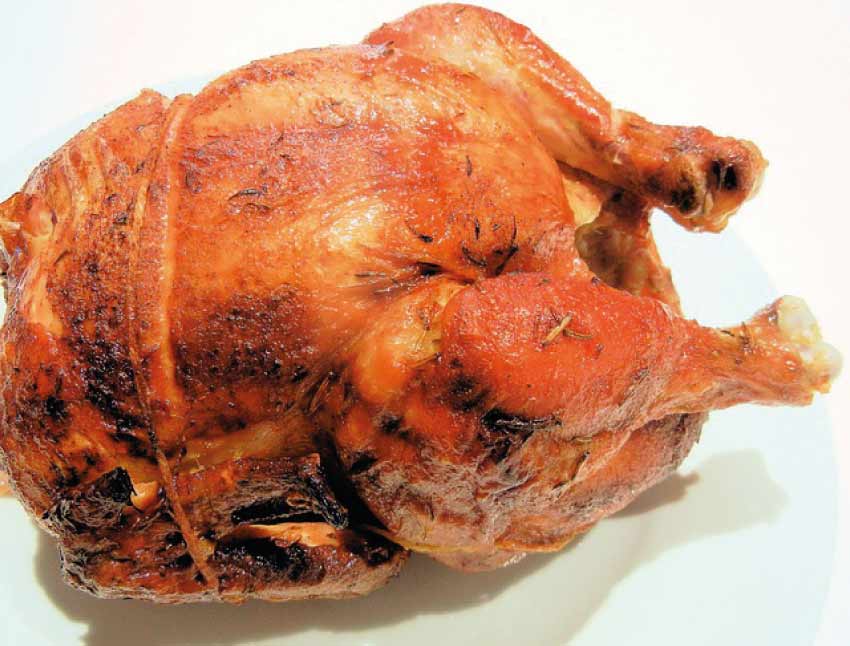
Can dogs eat rotisserie chicken?

Can dogs eat rotisserie chicken?

Can dogs safely eat rotisserie chicken?


Yes, dogs can safely eat rotisserie chicken as long as certain precautions are taken:

Remove Bones and Skin: Ensure the chicken is boneless and skinless before offering it to your dog. Cooked bones can splinter, pose a choking hazard, or cause internal damage if ingested.

No Seasonings: Ensure the chicken is plain and not seasoned with spices, herbs, or flavorings. Some seasonings used on rotisserie chicken, such as onions, garlic, and certain spices, can harm dogs.

Moderation: Offer rotisserie chicken to your dog in moderation. It should not make up a large portion of their diet. Dogs need a balanced diet to meet all their nutritional requirements.

Monitor for Allergies: Introduce new foods slowly and monitor your dog for allergic reactions or gastrointestinal upset. If you notice any adverse reactions, discontinue feeding the chicken and consult a veterinarian.

Consult Your Vet: If you need clarification on whether rotisserie chicken suits your dog, it’s best to consult your veterinarian. They can provide guidance based on your dog’s age, size, health status, and dietary needs.

Remember that while plain, cooked, boneless, skinless chicken can be a healthy protein source for dogs, it should be offered as an occasional treat rather than a regular part of their diet. Always prioritize balanced and nutritionally complete dog food for their main meals.

Potential risks and concerns

While plain, cooked, boneless, skinless chicken can be safe for dogs to consume, there are still potential risks and concerns to be aware of:

Bones: Cooked bones, including those from rotisserie chicken, can splinter easily, pose a serious choking hazard, or cause internal injuries if ingested. Always ensure that the chicken is boneless before offering it to your dog.

Seasonings and Additives: Rotisserie chicken often comes seasoned with various spices, herbs, and flavorings. Some additives, such as garlic, onions, and certain spices, can be toxic to dogs and cause gastrointestinal distress or more severe health issues.

Allergies and Sensitivities: Dogs, like humans, can develop allergies or sensitivities to certain foods, including chicken. If you’re introducing chicken to your dog’s diet for the first time, monitor them closely for any signs of allergic reactions, such as itching, redness, vomiting, diarrhea, or changes in behavior.

Pancreatitis: Fatty foods, like rotisserie chicken skin, can contribute to pancreatitis in dogs. Pancreatitis is pancreas inflammation and can cause symptoms like vomiting, abdominal pain, and lethargy.

Nutritional Imbalance: While chicken can be a good source of protein, it’s important to remember that dogs require a balanced and complete diet to meet all their nutritional needs. Relying too heavily on one type of food, such as rotisserie chicken, can lead to nutritional imbalances over time.

Gastrointestinal Upset: Abruptly introducing new foods, especially rich and fatty ones, can lead to digestive upset in dogs. Gradually introducing new foods can help prevent gastrointestinal issues.

Obesity: Excessive consumption of calorie-dense foods like rotisserie chicken can contribute to obesity in dogs. Obesity can lead to various health problems, including joint issues, diabetes, and heart disease.

Consult Your Vet: It’s always a good idea to consult your veterinarian before adding new food to your dog’s diet. They can help you determine if rotisserie chicken is appropriate for your specific dog and offer guidance on portion sizes and frequency.

In summary, while dogs can safely enjoy plain, cooked, boneless, skinless chicken as an occasional treat, removing bones, skin, and any seasonings is crucial. Moderation, careful monitoring for allergic reactions, and consideration of your dog’s overall diet and health are key to ensuring their well-being.

The importance of moderation and proper preparation

Moderation and proper preparation are crucial when feeding your dog rotisserie chicken or other human food. Here’s why they are important:

Nutritional Balance: Dogs require a balanced and complete diet to stay healthy. While rotisserie chicken can be a good source of protein, it should make up only a portion of your dog’s diet. A well-balanced commercial dog food is formulated to meet your dog’s specific nutritional needs, including vitamins, minerals, and other essential nutrients.

Avoiding Nutritional Imbalances: Feeding too much of one type of food, such as rotisserie chicken, can lead to nutritional imbalances. For example, chicken lacks certain nutrients that dogs need, such as calcium, essential for bone health. Relying solely on chicken could result in deficiencies over time.

Caloric Intake: Dogs have specific caloric requirements based on size, activity level, and age. Rotisserie chicken, especially if it contains skin or is fatty, can be calorie-dense. Excessive calorie intake can contribute to obesity, which is linked to various health issues in dogs.

Avoiding Gastrointestinal Upset: Sudden changes in diet can lead to digestive upset in dogs. If your dog is not accustomed to eating human foods like rotisserie chicken, introducing it too quickly or in large amounts can lead to vomiting, diarrhea, or other gastrointestinal issues.

Allergies and Sensitivities: Dogs can develop allergies or sensitivities to new foods. Introducing new foods gradually allows you to monitor your dog for any adverse reactions and helps you identify any potential allergies.

Avoiding Bones and Seasonings: Proper preparation involves removing the chicken’s bones and any seasonings or spices. Bones can splinter and cause choking or internal injuries, while certain seasonings can be toxic to dogs.

Consulting Your Vet: Moderation and proper preparation also involves seeking advice from your veterinarian. They can provide personalized recommendations based on your dog’s needs, health conditions, and dietary requirements.

In conclusion, while offering your dog a small amount of plain, cooked, boneless, skinless chicken can be a safe and enjoyable treat, exercising caution, adhering to moderation, and prioritizing your dog’s overall health and well-being are important. 

Nutritional benefits of rotisserie chicken for dogs

Rotisserie chicken, when prepared and offered safely and appropriately, can provide certain nutritional benefits for dogs:

Lean Protein: Chicken is a high-quality source of lean protein. Protein is essential for building and repairing tissues, supporting the immune system, and maintaining healthy skin, coats, and muscles in dogs.

Amino Acids: Chicken contains essential amino acids that dogs need for various bodily functions. Amino acids play a role in everything from enzyme production to hormone regulation.

Vitamins: Chicken is rich in B vitamins such as B6 and niacin, which are important for energy metabolism, nerve function, and overall health. It also contains vitamin B12, which supports red blood cell production.

Minerals: Chicken provides important minerals like phosphorus, which is crucial for bone health, and selenium, an antioxidant.

Low Carbohydrates: Chicken is naturally low in carbohydrates. While dogs require some carbohydrates, their primary energy should be protein and fat. Feeding lean meats like chicken can help maintain appropriate carbohydrate levels in their diet.

Palatability: Many dogs find chicken highly palatable, making it an enticing treat or addition to their meals. This can be especially useful for picky eaters or dogs with reduced appetite.

Variety: Incorporating various protein sources, including chicken, can help prevent dietary monotony and expose your dog to different nutrients and flavors.

Hydration: Fresh, cooked chicken contains moisture, which can contribute to your dog’s overall hydration. While water should always be available, foods with higher moisture content can aid in maintaining proper hydration levels.

It’s important to note that while these nutritional benefits are present in chicken, they are most effectively gained when chicken is part of a well-balanced diet. Rotisserie chicken should only be a small part of your dog’s nutrition. To ensure your dog receives all the essential nutrients, consult your veterinarian to determine the best feeding plan for your dog’s specific age, size, activity level, and health status.


High protein content


Indeed, chicken, including rotisserie chicken, is known for its relatively high protein content, which can offer several benefits to dogs:

Muscle Maintenance and Growth: Protein is crucial for maintaining and building muscle mass. Active dogs, puppies, and dogs recovering from illness or injury benefit from a higher protein intake.

Energy Source: While dogs primarily use fats for energy, protein can also be converted into energy when needed. This is especially important during periods of increased activity or exercise.

Satiety: Protein-rich foods can help dogs feel full and satisfied. This can be useful in weight management and portion control, helping to prevent overeating.

Nutrient Absorption: Protein plays a role in absorbing certain nutrients, including minerals and vitamins. A diet with adequate protein can support your dog’s overall nutrient utilization.

Immune Function: Protein is essential for producing antibodies and immune system cells, helping dogs fight infections and diseases.

Essential vitamins and minerals

Rotisserie chicken can provide dogs with several essential vitamins and minerals, contributing to their overall health and well-being. However, it’s important to note that while chicken can offer certain nutrients, a complete and balanced diet is necessary to ensure your dog receives all the necessary vitamins and minerals. Here are some of the key vitamins and minerals that chicken can provide:

B Vitamins: Chicken is a good source of various B vitamins, including:

B6 (Pyridoxine): Supports brain function, nerve function, and the formation of red blood cells.

Niacin (Vitamin B3): Important for energy metabolism, skin health, and digestive function.

B12 (Cobalamin): Essential for red blood cell formation and nervous system health.

Phosphorus: Chicken contains phosphorus necessary for bone and teeth health and energy metabolism.

Selenium: An antioxidant mineral that supports immune function and helps protect cells from damage.

Zinc: Supports immune system function, skin health, wound healing, and overall growth and development.

Iron is important for producing hemoglobin, which carries oxygen in the blood. Iron also supports energy metabolism.

Potassium: Essential for proper fluid balance, nerve function, and muscle contractions.

Magnesium: Contributes to bone health, muscle function, and nerve function.

Copper: Necessary for forming connective tissues, red blood cells, and proper iron absorption.

Vitamin A: Supports vision, skin health, immune function, and growth.

Vitamin D: Important for bone health and calcium metabolism.

Vitamin E: An antioxidant that helps protect cells from damage and supports skin health.

Vitamin K: Essential for blood clotting and bone health.


While chicken provides many essential nutrients, it’s important to remember that no single food can provide all the necessary nutrients in the right proportions. Feeding a variety of foods and ensuring your dog’s diet is nutritionally complete and balanced is crucial.

Commercial dog food formulated to meet your dog’s specific needs is generally the best way to ensure they receive all the essential vitamins and minerals they require.

Potential health issues and precautions

Feeding rotisserie chicken to your dog can come with potential health issues and precautions that you should be aware of:

Bones: Cooked chicken bones, including those in rotisserie chicken, can splinter easily and cause choking hazards, blockages, or internal injuries. Always ensure that the chicken is boneless before feeding it to your dog.

Seasonings and Additives: Many rotisserie chickens are seasoned with herbs, spices, and flavorings that can harm dogs. Ingredients like garlic, onions, and certain spices can be toxic and lead to digestive upset or more serious health problems.

Fatty Skin: Chicken skin, especially crispy or fatty, can be high in fat. Excessive consumption of fatty foods can lead to pancreatitis, a painful pancreas inflammation.

Allergies and Sensitivities: Dogs can develop allergies or sensitivities to new foods, including chicken. Monitor your dog for any signs of allergic reactions, such as itching, rashes, vomiting, diarrhea, or changes in behavior.

Gastrointestinal Upset: Introducing new foods or rich foods like rotisserie chicken too quickly can lead to digestive upset, causing vomiting, diarrhea, or other gastrointestinal disturbances.

Nutritional Imbalance: Relying solely on rotisserie chicken can lead to nutritional imbalances. Dogs need a balanced diet that includes a variety of nutrients from different sources.

Obesity: Chicken, especially if consumed in large amounts, can contribute to dog weight gain. Obesity is associated with various health problems, including joint issues, diabetes, and heart disease.

Salmonella and Other Pathogens: Raw or undercooked chicken and its juices can carry harmful bacteria like Salmonella, which can be transmitted to dogs and humans. Make sure the chicken is fully cooked before offering it to your dog.

To mitigate these potential issues, consider the following precautions:

Remove bones, skin, and any seasonings from the chicken.

Instead of making plain, cooked, boneless, and skinless chicken a regular component of your dog’s food, give it to him occasionally as a treat.

Gradually introduce different meals while keeping an eye on your dog’s reactions.

Before making any dietary changes for your dog, especially if they already have health issues, talk to your vet.

Pick a commercial dog food that has been prepared to deliver all the essential nutrients in the right amounts.

Put your dog’s health and safety first by being cautious and knowledgeable about the food you provide.

Remember that while rotisserie chicken can be a tasty and protein-rich treat for dogs, it’s important to practice moderation and proper preparation and consider your dog’s needs and health status.

Bones and choking hazards

Feeding dogs bones, especially cooked bones, can pose significant choking hazards and health risks. Here’s why you should be cautious about giving bones to your dog:

Splintering: Cooked bones, including those found in rotisserie chicken, become brittle and easily splinter into sharp fragments when chewed. These splinters can cause serious injuries to a dog’s mouth, throat, stomach, or intestines.

Choking Hazard: Smaller bones or bone fragments can become lodged in a dog’s throat, leading to choking. This can be a life-threatening emergency requiring immediate veterinary intervention.

Obstruction and Blockages: If a dog swallows a bone fragment that doesn’t get stuck in the throat, it can lead to blockages in the digestive tract. These blockages can cause severe pain, vomiting, and diarrhea and potentially require surgery to remove them.

Perforation and Injury: Sharp bone fragments can puncture a dog’s digestive tract, causing internal injuries, infections, and peritonitis (inflammation of the abdominal lining).

Dental Issues: Chewing on hard bones can also lead to dental problems, such as cracked or broken teeth.

Avoiding feeding your dog any cooked bones, including those from rotisserie chicken, is recommended to prevent these risks. If you want to offer your dog a safe chewing experience, consider alternatives such as specially designed dog chews, dental toys, or rawhide products that are safer for canine consumption.

Choosing boneless, skinless, unseasoned chicken and other appropriate dog-friendly treats is the best way to provide your dog with a safe and enjoyable treat.

Seasonings and additives to avoid

When offering your dog chicken or any other human food, it’s important to avoid certain seasonings and additives that can harm their health. Here are some seasonings and additives to avoid giving to your dog:

Onions and Garlic: Both onions and garlic, whether in raw, cooked, or powdered form, can be toxic to dogs. They contain compounds that can damage a dog’s red blood cells and lead to anemia.

Salt: Excessive salt intake can lead to sodium ion poisoning in dogs, causing symptoms like vomiting, diarrhea, lethargy, and even more severe health issues.

Spices and Seasonings: Many spices and seasonings that are commonly used on rotisserie chicken, such as pepper, paprika, and certain herbs, can be irritating or toxic to dogs. It’s best to offer plain, unseasoned chicken.

Fats and Oils: While a moderate amount of healthy fats is important for dogs, excessive fat, especially from skin or fried chicken, can lead to obesity and pancreatitis.

Artificial Sweeteners: Sweeteners like xylitol, commonly found in sugar-free foods, can be extremely toxic to dogs and lead to insulin release, causing a dangerous drop in blood sugar.

Flavor Enhancers: Additives like monosodium glutamate (MSG) and other flavor enhancers are unnecessary for dogs and could lead to digestive upset.

Alcohol: Alcoholic beverages and foods cooked with alcohol are toxic to dogs and can cause vomiting, diarrhea, breathing difficulties, and even more serious health issues.

Highly Processed Sauces and Gravies: Many store-bought sauces and gravies contain additives, preservatives, and high sodium levels unsuitable for dogs.

Offering plain, unseasoned, and cooked chicken without additives is safest when sharing food with your dog.

Safe ways to incorporate rotisserie chicken into a dog’s diet

If you want to incorporate rotisserie chicken into your dog’s diet, you can do so in safe and controlled ways. Remember to follow these guidelines to ensure your dog’s health and well-being:

Plain and Boneless: Remove all bones, skin, and seasonings before offering your dog rotisserie chicken. Plain, cooked, boneless, skinless chicken is the safest option.

Small Portions: Offer rotisserie chicken in small, bite-sized portions as an occasional treat or addition to your dog’s regular meals. Treats should only comprise a small percentage of your dog’s overall diet.

Balance: Incorporate the chicken into your dog’s diet as a protein source rather than a standalone meal. It should be balanced with other nutritious foods to ensure your dog receives a complete diet.

Mix with Dog Food: You can mix a small amount of shredded or chopped rotisserie chicken with your dog’s regular dog food. This can make their meal more enticing and provide some variety.

Training Treats: Use small pieces of plain chicken as training treats. This can be a healthier alternative to store-bought treats but do not overdo it, as treats should still be a small part of their overall diet.

Homemade Treats: You can use plain, cooked chicken to make homemade dog treats. Many dog-friendly recipes are available online that incorporate chicken and other safe ingredients.

Topper: Occasionally, adding a small amount of shredded or diced chicken as a topper to your dog’s regular food can make their meal more interesting.

Consult Your Vet: Before making any significant changes to your dog’s diet, especially if introducing new foods, consult your veterinarian. They can provide personalized recommendations based on your dog’s age, size, health, and nutritional needs.

Remember that while rotisserie chicken can be a tasty treat for your dog, it should not replace their regular balanced dog food. Ensuring your dog’s overall diet meets its nutritional requirements is essential for its health and well-being.

Homemade treats and meals

Homemade treats and meals can be a great way to provide your dog with wholesome, nutritious options while ensuring you have control over the ingredients. Here are some ideas for homemade dog treats and meals using safe ingredients:

Homemade Dog Treats:

Chicken Jerky: You can make your chicken jerky by slicing boneless, skinless chicken breasts into thin strips and baking them in the oven at a low temperature until they’re dried out.

Sweet Potato Chews: Slice sweet potatoes into thin rounds or strips and bake them in the oven until they’re dehydrated and chewy.

Peanut Butter and Banana Bites: Mix peanut butter and mashed banana, then drop small spoonfuls onto a baking sheet and freeze until firm.

Pumpkin and Oat Cookies: Combine canned pumpkin puree, oats, and a small amount of peanut butter to create a dough. Shape into cookies and bake.

Carrot and Apple Pupcakes: Mix grated carrots, grated apples, whole wheat flour, and eggs to create a cupcake batter. Spoon into muffin cups and bake.

Frozen Yogurt Treats: Mix plain yogurt with mashed banana, pour into ice cube trays, and freeze.


Homemade Dog Meals:


Chicken and Rice: Cook plain, boneless, skinless chicken and plain white rice. Mix in appropriate proportions for a simple homemade meal.

Turkey and Vegetables: Cook lean ground turkey and mix it with cooked and diced vegetables like carrots, peas, and green beans.

Beef Stew: Cook lean beef with vegetables like sweet potatoes, carrots, and peas. You can use a slow cooker for this.

Salmon and Quinoa: Cook salmon and quinoa separately, then combine with steamed vegetables like broccoli and zucchini.

Egg Scramble: Mix eggs and cooked spinach or other dog-safe vegetables.

Remember these important points when preparing homemade treats and meals for your dog:

Consult Your Vet: Before introducing homemade treats or meals into your dog’s diet, consult your veterinarian to ensure they are appropriate for your dog’s health needs.

Portion Control: Balance is key. Ensure that homemade treats and meals make up only a small portion of your dog’s diet to maintain proper nutritional balance.

Safe Ingredients: Always use ingredients that are safe for dogs. Avoid seasonings, spices, and additives that can be harmful.

Variety: Just like with commercial dog food, variety is important. Rotate ingredients to ensure your dog receives a range of nutrients.

Allergies and Sensitivities: Be mindful of allergies or sensitivities your dog may have to certain ingredients.

Avoid Toxic Foods: Remember that certain human foods, like chocolate, grapes, raisins, onions, and garlic, are toxic to dogs and should be avoided.

Homemade treats and meals can be a wonderful way to show your dog love and provide them with high-quality, wholesome nutrition. Just be sure to approach it with caution, research, and the guidance of your veterinarian.

Approved commercial dog food options

Choosing high-quality commercial dog food is crucial to providing your furry friend with the balanced nutrition they need. Look for brands that prioritize real ingredients, proper nutritional ratios, and follow industry standards. Here are some types of commercial dog food to consider:

Dry Kibble: Dry dog food is convenient and comes in various formulas tailored to different life stages, sizes, and health needs. Look for options that list real meat as the primary ingredient and avoid those with excessive fillers or artificial additives.

Canned/Wet Food: Canned dog food typically has a higher moisture content and can be more palatable for some dogs. It’s a good choice for dogs who need more hydration or have dental issues.

Limited Ingredient Diets: These foods are designed with a short list of high-quality ingredients, making them suitable for dogs with allergies or sensitivities to certain foods.

Grain-Free: Some dogs benefit from grain-free diets, especially if they have grain allergies or sensitivities. However, recent studies have suggested a potential link between certain grain-free diets and a heart condition called dilated cardiomyopathy (DCM). Consult your vet for guidance.

Veterinary Prescription Diets: If your dog has specific health issues, your veterinarian might recommend prescription diets formulated to address those concerns, such as kidney disease or digestive disorders.

Holistic and Natural Brands: Some brands use natural and holistic ingredients without artificial additives or fillers.

Senior Formulas: These are tailored for the nutritional needs of older dogs, taking into account their lower activity levels and potential health issues.

Puppy Formulas: Puppy food is formulated to support growth and development, so it contains higher levels of certain nutrients like protein and fats.

Large Breed Formulas: If you have a large breed dog, they might benefit from food specifically formulated for their size to support proper growth and joint health.

Small Breed Formulas: Similarly, small breed dogs have unique nutritional needs, so foods are designed with their requirements in mind.

When choosing a commercial dog food, here’s what you should look for:

Real Meat: Look for animal protein products (e.g., chicken, beef, lamb) as the first ingredient.

Complete and Balanced: The food should be labeled as “complete and balanced,” indicating it meets the nutritional requirements set by AAFCO (Association of American Feed Control Officials).

Avoid Fillers: Avoid foods with excessive fillers like corn, soy, and by-products.

Read Labels Carefully: Pay attention to ingredient lists, nutritional information, and any feeding guidelines.

Consult Your Vet: Your veterinarian can provide personalized recommendations based on your dog’s needs, age, size, and health conditions.

Remember that the best food for your dog depends on their needs and preferences. Regular vet check-ups can help you assess their nutritional requirements and make any necessary adjustments to their diet.


Conclusion


Feeding your dog rotisserie chicken or any human food requires careful consideration and adherence to safety guidelines. While rotisserie chicken can offer nutritional benefits like lean protein, it’s important to be aware of potential risks such as bones, seasonings, and additives. Here’s a summary of the key points:

Safety First: Remove bones, skin, and seasonings from chicken before offering it to your dog to avoid choking hazards and toxic ingredients.

Moderation: Use rotisserie chicken as an occasional treat, not a regular meal. A balanced commercial dog food should be the foundation of their diet.

Nutritional Balance: Rotisserie chicken is rich in protein, but dogs also need other nutrients. Ensure their overall diet is balanced and complete.

Allergies and Sensitivities: Monitor your dog for any signs of allergies or sensitivities when introducing new foods.

Consult Your Vet: Consult your veterinarian before significantly changing your dog’s diet, especially if they have health issues.

Homemade Options: Treats and meals can be a great way to provide variety, but consult your vet to ensure they meet your dog’s nutritional needs.

Commercial Dog Food: High-quality commercial dog food formulated for your dog’s age, size, and health status is a reliable way to meet its nutritional requirements.

Safety Precautions: Avoid toxic foods, bone-related risks, and high-fat content when choosing treats or meals.

Portion Control: Keep portions appropriate to your dog’s size and activity level to maintain a healthy weight.

Regular Vet Visits: Regular veterinary check-ups can help assess your dog’s health, nutritional needs, and any necessary dietary adjustments.

Remember, your dog’s health and well-being are the top priorities. With proper precautions, informed choices, and guidance from your veterinarian, you can ensure that any additions to their diet, including rotisserie chicken, are safe and beneficial.
My Dog Jumped After Being Spayed

My Dog Jumped After Being Spayed

My Dog Jumped After Being Spayed

Understanding the spaying procedure and its effects on dogs

Spaying, also known as an ovariohysterectomy, is a surgical procedure performed on female dogs to remove their ovaries and, usually, their uterus. The primary purpose of spaying is to prevent reproduction, but it also has several health and behavioral benefits. Here’s an overview of the procedure and its effects:

Procedure:

Preparation: The dog is usually given a physical examination, blood tests, and sometimes other diagnostic tests to ensure she is healthy enough for surgery.

Anesthesia: The dog is anesthetized to ensure she remains unconscious and pain-free during the surgery.

Surgical Incision: An incision is made in the abdominal wall, usually near the midline. The veterinarian gains access to the ovaries and uterus through this incision.

Ovary and Uterus Removal: The ovaries and often the uterus are carefully removed. The blood vessels and other structures are tied off or cauterized to prevent bleeding.

Closure: The incision is closed using stitches or sutures. In some cases, external skin glue or staples may be used.

Recovery: The dog is monitored closely as she wakes up from anesthesia. Pain medications may be provided to manage post-operative discomfort.

Effects and Benefits:

Prevents Reproduction: Spaying eliminates the possibility of unwanted pregnancies and contributes to controlling the pet population.

Eliminates Heat Cycles: Female dogs undergo heat cycles (estrus) during which they can attract males and might have behavioral changes. Spaying stops these cycles.

Reduces Risk of Certain Health Issues: Spaying significantly reduces the risk of uterine infections (pyometra) and decreases the likelihood of mammary (breast) tumors, especially before the first heat cycle.

Behavioral Changes: Spaying can lead to reduced roaming behavior, aggression, and territorial marking that often occur during heat cycles.

Long-Term Cost Savings: Preventing certain health issues can lead to potential cost savings on veterinary treatment bills.

Considerations:

Timing: The optimal time to spay a dog is before her first heat cycle. However, consult your veterinarian to determine the best timing based on the breed, size, and individual health considerations.

Weight Management: Spayed dogs may tend to gain weight more easily, so maintaining a healthy diet and exercise routine is crucial.

Potential Risks: Like any surgical procedure, spaying carries a small risk of complications such as infection, reaction to anesthesia, or poor wound healing.

Impact on Growth: Spaying before maturity might influence growth patterns, potentially affecting bone development in large breeds.

Before proceeding with spaying, it’s essential to consult a veterinarian. They can provide personalized advice based on your dog’s breed, age, health status, and circumstances.

Why did my dog jump after being spayed?

It’s common for dogs to display unexpected behaviors after surgery, including spaying. While I can’t provide a definitive answer without more context, there are a few possible reasons why your dog might have jumped after being spayed:

Recovery Period: After surgery, dogs may experience grogginess or disorientation due to the effects of anesthesia. As they wake up and regain consciousness, they might display unusual behaviors, such as jumping or twitching. This could be a temporary reaction to the anesthesia wearing off.

Discomfort or Pain: While most dogs receive pain medication to manage post-operative pain, discomfort or sensitivity around the incision site can still be present. Jumping could respond to the discomfort, as the dog might be trying to find a more comfortable position or alleviate pressure from the incision area.

Disorientation: Anesthesia and the surgical process itself can sometimes cause dogs to feel disoriented or confused. This might lead to unusual behaviors, such as jumping, as the dog tries to figure out its surroundings.

Natural Behavior: Some dogs are naturally more active or excitable, and their behavior might not directly relate to the surgery. If your dog is generally energetic, it could display its usual behavior, unaware of the recent surgery.

Environmental Stimuli: Dogs can react to various environmental stimuli, such as sounds, smells, or sights. Something that caught your dog’s attention could have led to a sudden jump.

Recovery Room: If your dog jumped shortly after waking up from anesthesia in the recovery room, it might have resulted from a strange environment or unfamiliar people.

If your dog’s behavior seems unusual or concerning, it’s a good idea to contact your veterinarian for guidance. They can help assess whether the behavior is related to the surgery or if there might be another underlying issue. Providing a calm and comfortable environment for your dog during recovery is important to help them heal and adjust after the surgery.

How can I stop my dog from jumping after being spayed?

Here are some tips to help stop your dog from jumping:

Use a Recovery Cone (E-collar): A recovery cone, also known as an Elizabethan collar or E-collar, can prevent your dog from reaching the surgery site with her mouth. This can discourage her from licking or biting the incision, which could lead to infection or other complications.

Keep Her Confined: Limit your dog’s movement by confining her to a quiet, safe area like a small room or a crate. This will reduce the temptation to jump or move around too much.

Supervision: When you’re with your dog, watch her closely to ensure she doesn’t jump. If you see her attempting to jump, gently discourage her using verbal cues or a gentle leash tug.

Leash Walking: When you need to take your dog outside for bathroom breaks, use a leash and guide her on short, controlled walks rather than letting her roam freely.

Provide a Comfortable Resting Area: Make sure your dog has a comfortable and cozy resting area with soft bedding. This can encourage her to stay put and relax instead of trying to jump onto furniture or other elevated surfaces.

Use Ramps or Steps: If your dog is accustomed to jumping onto furniture or your bed, consider using ramps or steps to provide an alternative way for her to access these areas without jumping.

Interactive Toys and Puzzle Games: To help keep your dog mentally engaged without physical exertion, provide her with interactive toys or puzzle games that require problem-solving and manipulation.

Calming Techniques: Incorporate calming techniques, such as gentle massage, soft music, or aromatherapy, to create a soothing environment that encourages relaxation.

Positive Reinforcement: Reward your dog with treats, praise, or gentle pets when she remains calm and doesn’t jump. Positive reinforcement can help reinforce desired behaviors.

Consult Your Veterinarian: If you’re concerned about your dog’s behavior or recovery, don’t hesitate to contact your veterinarian. They can provide specific guidance based on your dog’s needs and circumstances.

Remember that balancing preventing excessive movement and allowing your dog light activity is crucial. Too much confinement can also lead to other issues, so consult your veterinarian for an appropriate recovery plan for your dog.

What other problems can jump cause after being spayed?


Jumping can cause various problems for a dog after spaying, particularly during recovery. It’s important to prevent excessive jumping to ensure proper healing and minimize the risk of complications. 

Here are some potential problems that excessive jumping can lead to after a spay surgery:

Delayed Healing: Jumping can strain the incision site, which might cause the stitches or sutures to become stressed or even undone. This can lead to delayed healing, increased risk of infection, and a longer recovery time.

Incision Complications: Jumping can cause the incision to reopen or become irritated, leading to pain, inflammation, and a higher risk of infection. This can be especially problematic if the incision site is not dry.

Infection: A surgical incision provides an entry point for bacteria, and excessive jumping can introduce dirt and debris to the wound, increasing the risk of infection. An infected incision can cause pain, swelling, redness, and discharge and require additional medical treatment.

Hematoma Formation: Jumping or excessive movement can lead to the formation of hematomas, which are pockets of blood that accumulate near the surgical site. Hematomas can cause discomfort and swelling and may require drainage.

Seroma Formation: Similar to hematomas, seromas are pockets of fluid that can form under the skin at the surgical site. They can cause swelling and discomfort and may require medical attention if they persist.

Increased Pain: Jumping can cause strain on the abdominal muscles and incision area, leading to increased pain and discomfort for the dog.

Internal Healing: While the primary concern is the external incision, it’s important to remember that internal healing is also taking place. Excessive jumping can strain internal tissues and interfere with the healing process.

Stress and Anxiety: Dogs in pain or discomfort may become stressed, anxious, or irritable. Excessive jumping can exacerbate these negative emotions and hinder overall recovery.

Scarring: If the incision site is stressed or disrupted due to jumping, it can lead to more noticeable scarring.

Conclusion

After spaying, taking certain measures is important to ensure a smooth recovery and minimize complications. Excessive jumping should be prevented, as it can lead to problems such as delayed healing, incision complications, infection, hematoma or seroma formation, increased pain, and stress. Proper post-operative care, including using a recovery cone, keeping the dog confined, supervising her closely, providing a comfortable resting area, and avoiding situations that encourage jumping, can all contribute to a successful recovery.

Always consult your veterinarian for guidance on how to best care for your dog after spaying. With proper care and attention, you can help your furry companion heal effectively and enjoy a healthy and comfortable post-operative period.

Dog with abs

Dog with abs

Dog with abs

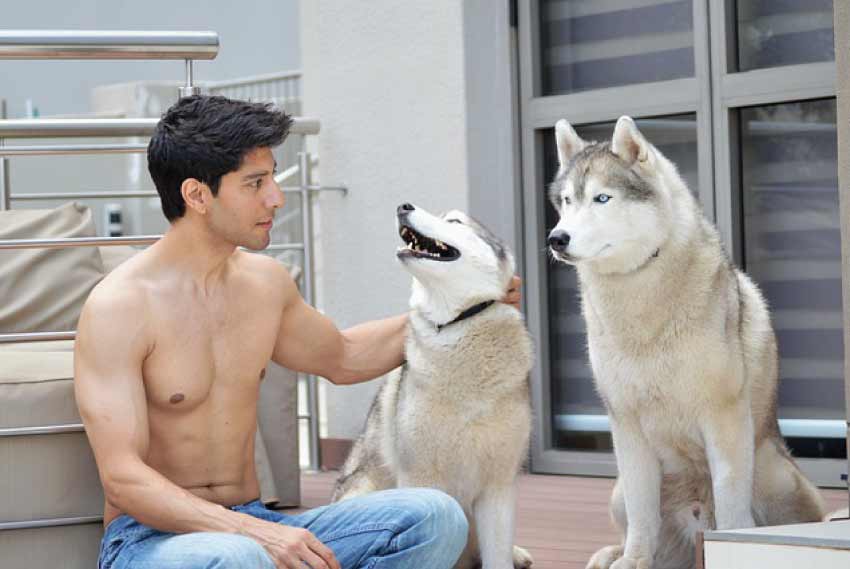
“Dogs with abs” typically refers to dogs with well-defined abdominal muscles. Just like in humans, a dog’s abdominal muscles can become more visible if they are in good physical condition and have a healthy level of body fat. 

However, it’s important to note that the appearance of abdominal muscles can vary widely among individual dogs based on breed, genetics, diet, and exercise.

Regular exercise, a balanced diet, and proper care are essential for maintaining a dog’s overall health and physical fitness. 

It’s recommended to consult with a veterinarian before making any significant changes to your dog’s diet or exercise routine to ensure that it’s appropriate for its needs and health status.

Introduction: The fascination with “dog with abs.”

The fascination with a “dog with abs” seems to arise from the desire to see our canine companions in peak physical condition, akin to how humans aim for a toned and muscular physique. The image of a dog with well-defined abdominal muscles conjures thoughts of health, strength, and vitality. This fascination often stems from a combination of factors, including the admiration of a dog’s natural athleticism, the connection between a fit dog and an active lifestyle, and the aesthetic appeal of a well-muscled physique.

In a society increasingly focused on fitness and wellness, the idea of a “dog with abs” may capture our imagination as a representation of the ultimate embodiment of canine health. This fascination is similar to our interest in elite athletes or bodybuilders, who showcase the pinnacle of human physical capabilities. 

However, it’s crucial to approach this fascination with a balanced perspective, recognizing that dogs, like humans, have varying body types and individual needs.

While striving to keep our dogs physically active, strong, and healthy is commendable, it’s important to prioritize their overall well-being and happiness above achieving a specific visual aesthetic. Dogs provide unconditional love, companionship, and loyalty; their value extends beyond physical appearance. As responsible dog owners, we can best show our appreciation by providing proper care, engaging in enjoyable activities, and nurturing our unique bond with these wonderful animals.

Explain what it means for a dog to have abs.

When people refer to a “dog with abs,” they metaphorically use human fitness terminology to describe a dog’s well-defined abdominal muscles. Just like in humans, a dog’s abdominal muscles can become more visible and pronounced if the dog is in good physical condition and has a healthy body composition.

In the context of dogs, having “abs” typically means that the muscles in their abdominal area are well-developed and can be visibly seen beneath the skin. These muscles are responsible for core strength, stability, and overall physical balance. When a dog has strong and well-defined abdominal muscles, it can suggest that they are in good shape and have engaged in activities that challenge and strengthen these muscles.

However, it’s important to note that a dog’s natural body shape, genetics, breed, and overall fitness level significantly determine whether its abdominal muscles are visible. Some breeds naturally have more prominent musculature, while others may not show defined abs as prominently due to their body structure or genetics.

The focus should always be on keeping your dog healthy, active, and happy rather than specifically aiming to achieve visible abdominal muscles. Regular exercise, a balanced diet, and attentive care contribute to your dog’s overall well-being, regardless of whether its abs are visibly defined.

Understanding the concept of “dog with abs.”

The concept of a “dog with abs” is an analogy that draws a comparison between the muscular definition of a human’s abdominal muscles (often referred to as “abs”) and the muscular development of a dog’s body. Just as humans with well-defined abdominal muscles are seen as physically fit and in good shape, the idea of a “dog with abs” suggests a dog with well-developed and visible muscles in the abdominal area, indicating good physical condition.

However, it’s important to approach this concept with nuance and consider the differences between humans and dogs. While the term is catchy and relatable, dogs and humans have distinct anatomies, body compositions, and physiological characteristics. Not all dogs will exhibit the same level of muscle definition, and factors such as breed, genetics, diet, and exercise play a significant role in a dog’s appearance.

The fascination with a “dog with abs” often stems from a desire to see dogs in optimal health and fitness, akin to how humans strive for physical wellness. It underscores the admiration for a dog’s natural athleticism and the connection between a fit dog and an active lifestyle. However, it’s important to prioritize a dog’s overall health, well-being, and happiness over any specific physical appearance.

In summary, the concept of a “dog with abs” is a metaphorical expression that reflects the desire to see dogs in good physical shape. Still, it should be understood within the context of each dog’s unique attributes and overall care requirements.

The importance of a healthy lifestyle for dogs

Maintaining a healthy lifestyle is crucial for dogs, just like humans. A healthy lifestyle directly contributes to a dog’s overall well-being, longevity, and quality of life. Here are several key reasons why a healthy lifestyle is important for dogs:

Physical Health: Regular exercise and a balanced diet are essential for a dog’s physical health. Adequate exercise helps maintain a healthy weight, supports cardiovascular health, strengthens muscles, and promotes joint flexibility.

Prevent Obesity: Just like in humans, obesity in dogs can lead to a range of health issues, including joint problems, diabetes, heart disease, and decreased lifespan. A healthy lifestyle helps prevent obesity and its associated complications.

Mental Stimulation: Engaging in physical activities and mental challenges keeps a dog’s mind active. Boredom can lead to behavioral issues, so mental stimulation through activities and interactive toys is vital.

Prevent Behavioral Problems: Regular exercise helps release excess energy, reducing the likelihood of behavioral problems like excessive barking, digging, or chewing.

Socialization: Engaging in activities and outings with other dogs and people promotes healthy socialization, reducing the risk of fear or aggression toward unfamiliar situations.

Strong Immune System: Proper nutrition and exercise contribute to a dog’s immune system strength, helping them fend off illnesses and recover more quickly when they get sick.

Joint Health: Keeping muscles strong and maintaining a healthy weight reduces strain on joints, promoting joint health and minimizing the risk of conditions like arthritis.

Heart Health: Regular cardiovascular exercise improves blood circulation and heart health, reducing the risk of heart-related issues.

Bonding and Trust: Engaging in activities together, like walking or playing, strengthens the bond between a dog and its owner, promoting trust and companionship.

Prevent Boredom: A healthy lifestyle with varied activities prevents dogs from becoming bored, which can lead to destructive behaviors as they seek entertainment.

Longevity: Dogs that lead healthy lives are more likely to live longer, happier lives, giving you more years of companionship.

Quality of Life: A healthy lifestyle enhances a dog’s overall quality of life. They have more energy, vitality, and enjoyment of daily activities.

Remember that each dog is unique, with varying exercise needs and dietary requirements based on breed, age, and health conditions. Consulting with a veterinarian is essential to create a tailored plan that ensures your dog’s health and happiness. A healthy lifestyle involves proper nutrition, exercise, mental stimulation, check-ups, and love and attention.

Responsible dog ownership and body image

Responsible dog ownership concerns meeting your dog’s physical, emotional, and social needs. At the same time, body image should take a backseat to your pet’s overall health and well-being. Here’s how responsible dog ownership relates to the concept of body image:

Health First: Responsible dog ownership prioritizes a dog’s health and happiness over any specific physical appearance. A dog’s well-being should be the primary concern, and decisions about their care should be guided by their overall health requirements.

Proper Nutrition: A balanced and appropriate diet is crucial for your dog’s health. A responsible owner ensures their dog receives the right nutrients and portion sizes, focusing on maintaining a healthy weight and muscle tone.

Regular Exercise: Engaging your dog in regular exercise is essential for their physical and mental health. Tailor activities to your dog’s breed, age, and energy level. The goal is to keep your dog fit and active rather than aiming for a particular body image.

Mental Stimulation: Responsible dog ownership includes providing mental stimulation through training, enrichment activities, and social interactions. Mental well-being contributes to overall health and happiness.

Preventing Health Issues: Taking preventative measures like regular veterinary check-ups, vaccinations, and parasite control helps ensure your dog’s long-term health and reduces the risk of serious health issues.

Avoiding Harmful Practices: Responsible dog owners avoid practices that could harm their dog’s health, such as extreme dieting, excessive exercise, or supplements without veterinary guidance.

Bonding and Companionship: Focusing on your dog’s well-being and spending quality time together strengthens the bond between you and your pet, enhancing their emotional health.

Individual Variation: Dogs, like humans, come in various shapes and sizes. Each dog’s body is unique, influenced by genetics, breed characteristics, and individual traits. It’s important not to project human body image ideals onto dogs.

Acceptance and Love: Responsible dog ownership is about accepting and loving your dog for who they are. Embrace your dog’s natural physique and characteristics without trying to conform them to human appearance standards.

In summary, responsible dog ownership involves nurturing your dog’s health, happiness, and overall quality of life. It’s essential to avoid projecting human body image ideals onto your dog and instead focus on providing proper care, a balanced lifestyle, and a loving environment. You demonstrate true responsibility and compassion as a dog owner by prioritizing your dog’s well-being.

The dangers of promoting unrealistic body standards for animals

Promoting unrealistic body standards for animals can have detrimental effects on their physical and mental well-being, as well as on our perception of their natural beauty and worth. Here are some dangers associated with promoting unrealistic body standards for animals:

Health Risks: Encouraging animals to conform to unrealistic body standards can lead to unhealthy practices such as extreme dieting, overexercising, or potentially harmful supplements. This can result in serious health issues and compromised well-being.

Physical Strain: Pushing animals to achieve unnatural body shapes can lead to physical strain, discomfort, and pain. Dogs, for example, have diverse body types based on their breeds, and trying to conform them to a single standard can lead to musculoskeletal problems.

Mental Stress: Animals constantly subjected to efforts to change their appearance may experience stress, anxiety, and reduced quality of life. This can negatively impact their behavior, temperament, and overall happiness.

Reduced Diversity: Every animal is unique, and promoting unrealistic body standards may devalue the diverse beauty of different breeds and individual characteristics. This can lead to a narrow perception of what’s “desirable.”

Misguided Priorities: Focusing solely on appearance detracts from the importance of nurturing a pet’s health, well-being, and happiness. Its physical appearance does not solely determine an animal’s worth.

Unrealistic Expectations: Unrealistic body standards can lead to dissatisfaction among pet owners who try to mold their animals into something they’re not naturally meant to be. This can create frustration and disappointment.

Unhealthy Practices: Trying to attain an unrealistic body standard for animals can encourage the use of quick fixes, unproven methods, or even potentially dangerous interventions that comprise an animal’s health.

Negative Impact on Caregivers: Owners who constantly focus on an animal’s appearance might overlook their genuine needs and characteristics. This can hinder the formation of a deep and meaningful bond with the animal.

Distorted Perception: Unhealthy body image standards for animals can distort our perception of what a healthy and happy animal should look like. This can lead to an unhealthy focus on aesthetics over genuine well-being.

Educational Implications: Promoting unrealistic body standards may misinform the public about what is truly important for animals. This can hinder efforts to educate people about proper care and responsible ownership.

In conclusion, it’s important to appreciate animals’ natural diversity and prioritize their health, happiness, and well-being over conforming to unrealistic body standards. Responsible pet ownership involves understanding and nurturing each animal’s unique qualities and needs. Promoting a positive and holistic approach to animal care is essential for fostering strong bonds and ensuring our animal companions’ best possible quality of life.

Muscular dog breeds

There are several dog breeds known for their muscular build and strength. These breeds are often bred for tasks such as working, guarding, or pulling. Remember that individual dogs within a breed can vary in muscle definition and overall physique. Some muscular dog breeds include:

American Pit Bull Terrier: Known for their strength and agility, these dogs have well-defined muscles and were historically used in various working roles.

American Bulldog: These dogs have a strong, athletic build with powerful muscles, making them excellent working and guarding dogs.

Rottweiler: Rottweilers are known for their strength and endurance. They have a muscular body and were originally bred as herding and guarding dogs.

Boxer: Boxers are medium-sized dogs with well-muscled bodies. They are playful and energetic, often used as working and companion animals.

Bull Terrier: Bull Terriers are distinctive for their egg-shaped head and muscular body. They were initially bred for dogfighting but have since become popular companion animals.

Doberman Pinscher: These dogs are known for their sleek, muscular bodies. They were originally bred as guard dogs and are known for their loyalty and intelligence.

Mastiff: Different types of mastiffs, such as the English Mastiff and the Bullmastiff, have strong, massive bodies with prominent muscles. They were bred as guardian and protection dogs.

Staffordshire Bull Terrier: Similar in appearance to the American Pit Bull Terrier, Staffordshire Bull Terriers have a muscular build and were historically used for bull-baiting and later as companion animals.

Cane Corso: Cane Corsos have a powerful physique and were originally bred for guarding and hunting. They are known for their loyalty and protective nature.

German Shepherd: While not as bulky as some other breeds, German Shepherds are known for their strong muscles and agility. They are versatile working dogs often used in various roles, including police, military, and service work.

Remember that genetics, diet, exercise, and overall care play a significant role in a dog’s muscle development. If you’re interested in a specific breed, it’s important to research thoroughly and understand their needs, temperament, and characteristics to ensure they’re a good fit for your lifestyle.

How to get your dog abs?

Like humans, developing visible abdominal muscles (often called “abs”) in dogs requires a combination of factors, including exercise, diet, and genetics. While some breeds naturally have more defined musculature, not all dogs will develop prominent abdominal muscles, and that’s perfectly normal.

If you’re interested in helping your dog achieve better muscle definition, here are some general guidelines to consider:

Consult a Veterinarian: Before making any significant changes to your dog’s exercise routine or diet, consult your veterinarian. They can assess your dog’s health, age, breed, and individual needs to provide appropriate advice.

Exercise: Regular physical activity is crucial for building muscle in dogs. Engage your dog in regular exercises such as brisk walks, runs, play sessions, and interactive games like fetch. Incorporate activities that engage their core muscles, such as agility training or swimming, as these can help improve abdominal strength.

Strength Training: Certain activities can help target your dog’s abdominal muscles. Include activities that encourage them to engage their core, such as balancing on unstable surfaces (like a balance disc or stability ball) for short periods or teaching them tricks that require muscle engagement, like “sit pretty” or “up.”

Proper Diet: A balanced and appropriate diet is essential for muscle development. High-quality dog food that provides the necessary nutrients, including protein, will support muscle growth and overall health. Consult your vet for the right diet for your dog’s specific needs.

Portion Control: While protein is important, overfeeding can lead to excessive weight gain rather than muscle development. Monitor your dog’s portion sizes to ensure they maintain a healthy weight.

Consistency: Just like with human fitness, consistency is key. Regular exercise and a balanced diet should be maintained over time to see noticeable results.

Positive Reinforcement: When engaging your dog in exercises or activities that target their core, use positive reinforcement techniques like treats and praise to encourage their participation.

Rest and Recovery: Dogs, like humans, need adequate rest and recovery time to allow their muscles to heal and grow. Avoid overexertion and provide plenty of water during and after exercise.

Genetics: Remember that genetics significantly affect a dog’s overall physique. Some breeds are naturally more prone to having visible muscles than others.

Prioritizing your dog’s overall health and well-being is more important than achieving a specific aesthetic goal. Focus on providing a well-rounded and active lifestyle, and your dog will naturally develop their muscles to the best of their genetic potential. Always consult your veterinarian before making major changes to your dog’s routine.

The benefits of having a muscular dog

Having a muscular dog can come with several benefits, but it’s important to note that a dog’s overall health and well-being should always be the primary consideration. Here are some potential benefits of having a muscular dog:

Physical Strength and Capabilities: Muscular dogs are often more physically capable and excel in various activities such as agility, sports, and working roles. Their strength can make them suitable for tasks like pulling, protection work, or even search and rescue missions.

Versatility: Many muscular breeds are versatile and can excel in multiple roles. For example, breeds like German Shepherds and Belgian Malinois are known for their strength and agility, which makes them suitable for police, military, search and rescue, and service work.

Protection and Security: Some muscular breeds are natural protectors and can serve as excellent guard dogs. Their physical presence and strength can be a deterrent to potential intruders.

Exercise Partners: A muscular dog can be a great exercise companion if you’re active. They can join you on hikes, runs, and other outdoor activities, helping you stay motivated and engaged in regular exercise.

Bonding and Training: Engaging in physical activities and training with your dog can strengthen your bond and communication. Muscular breeds often thrive with mental and physical stimulation, making training sessions enjoyable and rewarding.

Confidence: Owning a muscular dog can provide a sense of confidence and security, knowing that your dog has the physical ability to protect you and your property if needed.

Participation in Dog Sports: Muscular dogs often excel in various dog sports like agility, weight pulling, dock diving, and more. These activities can give you and your dog mental stimulation and a sense of accomplishment.

Companionship: Beyond their physical abilities, muscular dogs can be loyal, affectionate companions. Their strength and presence can provide a sense of comfort and reassurance.

Aesthetics: Some people appreciate the aesthetics of a well-muscled dog. Muscular dogs can have a visually impressive appearance that appeals to those who enjoy a certain breed’s physique.

It’s important to remember that while there are benefits to having a muscular dog, these traits are not the only factors to consider when choosing a dog breed. Each breed has unique characteristics, energy levels, and care requirements. Before getting a dog, thoroughly research the breed, consider your lifestyle and capabilities, and ensure that the breed’s characteristics align with your expectations and abilities. Additionally, prioritize the dog’s health, well-being, and overall happiness above any specific physical attributes.

How to train your dog to have abs?

Training a dog to have visible abdominal muscles, often called “abs,” is not a common or recommended practice. Dogs should be trained and cared for with their overall health, well-being, and happiness as the primary focus. A dog’s physical appearance, including muscle definition, should come naturally through proper exercise, diet, and genetics.

Instead of focusing on training a dog for a specific aesthetic, consider these general guidelines for keeping your dog healthy and physically active:

Regular Exercise: Engage your dog in exercise tailored to its breed, age, and energy level. Activities like brisk walks, runs, play sessions, and interactive games can help maintain overall fitness and strength.

Variety of Activities: Include various physical activities to engage different muscle groups. Activities such as agility training, fetch, swimming, and hiking can help develop a balanced physique.

Balanced Diet: Provide a balanced and appropriate diet for your dog’s age, size, and activity level. High-quality dog food that provides the necessary nutrients, including protein, supports overall health and muscle maintenance.

Strength and Core Exercises: Engage your dog in activities that naturally encourage muscle engagement and development, such as balance exercises, uphill walking or running, and interactive toys that encourage movement.

Positive Reinforcement Training: Use positive reinforcement to teach your dog new commands and tricks. This not only strengthens your bond but also provides mental stimulation.

Adequate Rest and Recovery: Dogs need rest and recovery time to allow their muscles to heal and grow. Avoid overexertion and ensure your dog has a comfortable place to rest.

Regular Veterinary Care: Regular check-ups with a veterinarian are essential to monitor your dog’s overall health and address any concerns.

Genetics: Remember that genetics play a significant role in a dog’s muscle development and overall appearance. Some breeds naturally have more defined musculature than others.

Focus on Health and Happiness: Instead of striving for a specific aesthetic, focus on your dog’s health, happiness, and overall well-being. Providing mental and physical enrichment, a balanced diet, regular exercise, and love will improve your dog’s quality of life.

Conclusion

In conclusion, focusing on your dog’s overall health, well-being, and happiness should be the primary goal, rather than trying to achieve a specific aesthetic such as visible abdominal muscles. Dogs come in various shapes, sizes, and appearances, and their genetics and needs should be respected.

While some breeds naturally have more defined musculature, providing your dog with proper exercise, a balanced diet, and regular veterinary care to maintain their overall fitness is important. Engaging in activities that cater to their natural abilities and instincts can help them lead a fulfilling and active life.

Remember that a strong bond with your dog, positive training methods, and meeting their mental and physical needs are far more valuable than focusing on specific physical attributes. Prioritizing their health, happiness, and the special companionship they provide will create a rewarding relationship that goes beyond appearance.

Pug Maltese Mix Full Grown

Pug Maltese Mix Full Grown

What is a Pug Maltese Mix?

A Pug Maltese Mix, also known as a “Maltipug,” is a hybrid dog breed that results from crossing a Pug with a Maltese. This type of crossbreed combines the characteristics of both parent breeds, creating a unique and diverse range of traits in the offspring.

Pugs are small, sturdy dogs with distinctive wrinkled faces, short muzzles, and curly tails. They are friendly and affectionate, often getting along well with people and other pets.

Maltese dogs, on the other hand, are also small in size and known for their long, silky coats. They are gentle, lively, and playful companions, often forming strong bonds with their owners.

When you mix these two breeds, the resulting Maltipug can inherit a combination of physical traits, coat characteristics, and temperament from both parent breeds. It’s important to note that the appearance and temperament of a Maltipug can vary widely, as each dog may inherit more traits from one parent breed than the other. Regular grooming and care are often necessary, particularly if the dog inherits the long coat of the Maltese.

As with any crossbreed, learning about the characteristics of both parent breeds is recommended to understand what to expect from a Maltipug and ensure that it fits your lifestyle and preferences well.

The History of the Pug Maltese Mix

The history of the Pug Maltese Mix, or Maltipug, is less extensively documented than that of purebred dog breeds. Crossbreeding between dog breeds has become more popular in recent years, and the Maltipug is likely a product of such intentional cross-breeding.

Crossbreeding dogs has been done for various reasons, including combining the positive traits of both parent breeds, creating dogs with hypoallergenic coats, or simply producing unique and visually appealing pets. In the case of the Maltipug, the goal may have been to combine the friendly and playful nature of the Pug with the elegance and long coat of the Maltese.

However, it’s important to note that crossbreeds like the Maltipug have different consistent histories and established breeding standards than purebred dogs. The lineage and characteristics of individual Maltipugs can vary widely based on the genetics of their parent dogs. Due to this lack of standardization, there must be a well-documented history specific to the Maltipug breed.

If you’re interested in adopting or purchasing a Maltipug, it’s recommended to work with responsible breeders who prioritize the health and well-being of their dogs. Additionally, learning about the parent breeds (Pug and Maltese) can give you a better understanding of the potential traits and needs of a Maltipug.

Pug Maltese mix full grown.

The size of a full-grown Pug Maltese Mix, or Maltipug, can vary based on the genetics inherited from its parent breeds. On average, Maltipugs tend to be small to medium-sized dogs. Here’s a rough estimate of their size:

Weight: When fully grown, maltipugs typically weigh around 10 to 20 pounds (4.5 to 9 kg).

Height: They usually stand at a height of 8 to 12 inches (20 to 30 cm) at the shoulder.

Remember that these are general ranges; individual Maltipugs might fall outside these measurements. Additionally, genetics can play a significant role in determining the exact size of your dog. If you’re looking to adopt or purchase a Maltipug, it’s a good idea to meet the puppy’s parents, as this can give you a better idea of the potential size your dog might reach as an adult.

Certainly, here’s more information about the Pug Maltese Mix (Maltipug):

Coat and Appearance: Maltipugs can have a variety of coat colors and patterns, often influenced by both the Pug and Maltese parent breeds. Their coats can range from short and smooth (like the Pug) to longer and silky (like the Maltese). Common coat colors include black, fawn, cream, white, and various combinations. Some Maltipugs might have a mask-like facial coloring similar to Pugs.

Personality and Temperament: Maltipugs are known for their friendly, affectionate, and playful nature. They often enjoy being around people and other pets, making them great companions for families and singles. While they can be energetic and lively, they are also content with cuddling and lounging. Their social nature might make them prone to separation anxiety if left alone for extended periods.

Exercise and Activity: As mentioned earlier, Maltipugs have moderate exercise needs. Daily walks, interactive play sessions, and mental stimulation are essential to keep them physically and mentally healthy. Due to their brachycephalic anatomy, avoiding overexertion and providing exercise during cooler parts of the day is crucial.

Grooming Needs: Grooming a Maltipug involves regular brushing, especially if they have a longer coat. Regular ear cleaning, dental care, and nail trimming are important for their grooming routine. Regular grooming sessions keep them looking their best and help maintain their overall health.

Health Considerations: Maltipugs, like all crossbreeds, can inherit health issues from their parent breeds. The potential health concerns mentioned earlier, including respiratory issues, eye problems, dental care, and obesity, should be monitored and managed to ensure their well-being.

Lifespan: The average lifespan of a Maltipug is around 12 to 15 years, though individual lifespans can vary based on genetics, care, and overall health.

Adoption and Responsible Breeding: When considering adopting a Maltipug, it’s important to work with reputable breeders who prioritize the health and well-being of their dogs. Alternatively, consider adopting from shelters or rescue organizations, as Maltipugs might need loving homes.

In summary, the Pug Maltese Mix (Maltipug) is a charming and affectionate crossbreed that can make a wonderful companion for various households. Their mix of traits from the Pug and Maltese parent breeds results in a unique and delightful furry friend that brings joy to their owners’ lives.

The Temperament of the Pug Maltese Mix

The temperament of a Pug Maltese Mix, or Maltipug, can vary widely based on the individual dog’s genetics, upbringing, and socialization. Since Maltipugs are crossbred, their temperament can inherit characteristics from the Pug and the Maltese parent breeds. Here are some general traits that might be found in a Maltipug’s temperament:

Affectionate: Pugs and Maltese dogs tend to be affectionate and enjoy spending time with their owners. A Maltipug may display a loving and cuddly personality, seeking attention and companionship.

Playful: Pugs are known for their playful nature, and Maltese dogs are often lively and enjoy interactive play. A Maltipug might have a lot of energy and enjoy playtime and games.

Friendly: Pugs are usually quite social and get along well with people and other pets. Maltese dogs can also be friendly, forming strong attachments to their owners. A Maltipug might exhibit a friendly and pleasant demeanor.

Curious: Both parent breeds tend to be curious about their surroundings. This trait can carry over to a Maltipug, making them curious and eager to explore their environment.

Alert: Maltese dogs often have a keen sense of hearing and can be alert to their surroundings. A Maltipug might inherit this alertness, making them effective as watchful companions.

Stubborn: Pugs and Maltese dogs can both have a stubborn streak in their personalities. A Maltipug could sometimes be challenging, requiring patient and consistent training methods.

Adaptable: Both parent breeds are often adaptable to different living situations, including apartments or houses. A Maltipug might adjust well to various environments if their exercise and socialization needs are met.

Attention-Seeking: Maltese dogs, in particular, tend to crave attention and can be somewhat dependent on their owners. A Maltipug might want to be near its human companions as much as possible.

It’s important to remember that individual dogs can vary greatly within these general temperament traits due to the unique combination of genetics they inherit from their parent breeds. Early socialization, proper training, and consistent positive reinforcement can help shape a Maltipug into a well-behaved and well-adjusted companion. If you’re considering getting a Maltipug, spend time with the puppy’s parents to get a sense of their temperament and behavior, and be prepared to provide them with proper care, training, and attention.

How to Train a Pug Maltese Mix

Training a Pug Maltese Mix (Maltipug) requires patience, consistency, positive reinforcement, and understanding of the individual dog’s temperament and needs. Here’s a step-by-step guide to help you train your Maltipug effectively:

Start Early: Begin training your Maltipug as early as possible. Puppies are more receptive to learning new behaviors and commands during their early developmental stages.

Socialization: Introduce your Maltipug to various people, pets, environments, and situations to help them develop good social skills and confidence. Positive experiences during socialization can prevent behavior problems later on.

Basic Commands: Teach basic commands like “sit,” “stay,” “down,” “come,” and “leave it.” Use positive reinforcement techniques such as treats, praise, and toys to reward desired behaviors.

Consistency: Be consistent in your commands, cues, and rewards. Use the same words and gestures for each command, and make sure all family members are on the same page to avoid confusing your dog.

Positive Reinforcement: Reward your Maltipug with treats, praise, and playtime when they exhibit the desired behavior. Positive reinforcement encourages them to repeat the behavior in the future.

Short Sessions: Keep training sessions short and focused, especially for a breed like the Maltipug, which might have a shorter attention span. Aim for 5-10 minute sessions and gradually increase the duration as your dog becomes more attentive.

Use Treats Strategically: Use high-value treats to motivate your Maltipug, but be mindful of their size to prevent overfeeding. Break treats into small pieces to avoid excessive calorie intake.

Avoid Harsh Methods: Avoid punishment-based training methods, which can lead to fear and anxiety. Instead, focus on positive reinforcement to build a strong bond of trust between you and your dog.

Leash Training: Teach your Maltipug to walk calmly and without pulling on a leash. Start in a quiet environment and gradually expose them to more distractions.

Crate Training: Introduce crate training gradually, using positive associations with the crate and making it a comfortable and safe space for your Maltipug.

House Training:

  1. Be patient and consistent when house training your Maltipug.
  2. Take them outside frequently, especially after meals, naps, and playtime.
  3. Reward them when they eliminate outdoors.

Focus on Problem Areas: Address any specific behavioral challenges your Maltipug might have, such as barking excessively or separation anxiety. Seek professional help if needed.

Ongoing Training: Training is an ongoing process. Continue reinforcing commands and behaviors your Maltipug has learned to ensure they retain their skills.

Exercise and Mental Stimulation: Keep your Maltipug physically and mentally active. Engaging in activities like puzzle toys, interactive games, and short walks can help prevent boredom-related behavior issues.

Remember that each dog is unique, so tailor your training approach to your Maltipug’s personality and needs. If you encounter difficulties or need guidance, consider enrolling in a positive reinforcement-based obedience class or consulting a professional dog trainer. Patience, consistency, and a positive attitude will go a long way in helping your Maltipug become a well-behaved and happy companion.

Health Concerns for the Pug Maltese Mix

Crossbreeds like the Pug Maltese Mix (Maltipug) can inherit various health traits from both parent breeds. Knowing about potential health concerns that could affect your Maltipug’s well-being is important. While not all individuals will experience these issues, being informed allows you to provide proper care and seek veterinary attention. Some health concerns to watch for in Maltipugs include:

Respiratory Issues: Pugs are known for their flat faces (brachycephalic), which can lead to respiratory difficulties due to their shortened airways. This can result in snoring, wheezing, and trouble breathing, especially in hot or humid conditions.

Eye Problems: Pugs and Maltese dogs are susceptible to certain eye conditions, including corneal ulcers, dry eye (keratoconjunctivitis sicca), and progressive retinal atrophy (PRA). Regular eye examinations and proper eye care are important.

Dental Issues: Small dog breeds, including Pugs and Maltese, are prone to dental problems such as periodontal disease. Regular dental care, including teeth brushing and dental check-ups, is crucial.

Luxating Patella: This is a condition where the kneecap dislocates from its normal position, causing lameness and discomfort. Both Pugs and Maltese can be susceptible to this condition.

Allergies: Some Maltipugs might inherit allergies, which can manifest as skin irritations, itchiness, and gastrointestinal issues. Identifying and managing allergens can help alleviate symptoms.

Joint Issues: Hip dysplasia and other joint problems can affect both parent breeds. Maintaining a healthy weight, providing joint supplements (if a vet recommends), and avoiding excessive strain on joints can help prevent these issues.

Obesity: Pugs and Maltese dogs can gain weight easily, exacerbating other health problems. A balanced diet and regular exercise are essential to prevent obesity.

Feeding Your Pug Maltese Mix

Feeding your Pug Maltese Mix (Maltipug) requires selecting appropriate food, considering their size, age, activity level, and specific dietary needs. Here are some guidelines to help you provide a balanced and healthy diet for your Maltipug:

Choose High-Quality Food: Opt for high-quality commercial dog food that meets the nutritional needs of small breed dogs. Look for brands that list meat as the primary ingredient and avoid foods with excessive fillers or artificial additives.

Consider Age and Life Stage: Puppies, adult dogs, and seniors have different nutritional requirements. Choose a dog food formulated for your Maltipug’s life stage.

Portion Control: Follow the feeding guidelines on the dog food packaging based on your Maltipug’s weight and age. Monitor your dog’s body condition and adjust portions to maintain a healthy weight.

Frequency of Meals: Puppies typically require more frequent meals (3-4 times a day), while adults can usually be fed twice daily. Senior dogs may benefit from multiple smaller meals to aid digestion.

Avoid Overfeeding: Maltipugs are prone to gaining weight, so be cautious about portion sizes and avoid feeding table scraps or excessive treats. Use treats sparingly during training and choose low-calorie options.

Fresh Water: Give your Maltipug access to clean and fresh water.

Protein and Fat: Small breed dogs like the Maltipug often have higher energy requirements. Look for dog foods that provide a good balance of high-quality protein and healthy fats to support their activity levels.

Watch for Allergies: Pay attention to any signs of food allergies or sensitivities, such as skin problems, digestive issues, or excessive itching. If you suspect allergies, consult your veterinarian for a suitable diet.

Avoid Human Foods: Some human foods can be toxic to dogs. Avoid feeding your Maltipug foods like chocolate, grapes, raisins, onions, garlic, and foods high in salt or sugar.

Regular Check-Ups: Regular veterinary check-ups can help monitor your Maltipug’s weight, health, and nutritional needs. Your vet can offer recommendations on appropriate feeding and dietary adjustments.

Weight Management: Maintain a healthy weight for your Maltipug to prevent obesity-related health issues. Adjust portion sizes and engage in regular exercise to help manage weight effectively.

Transition Gradually: If you’re switching your Maltipug’s diet gradually over a week to minimize digestive upset.

Remember that Maltipugs have different nutritional needs, so observing your dog’s condition and behavior is important to ensure they thrive on their current diet. If you have concerns about your Maltipug’s diet or nutritional needs, consult your veterinarian for personalized advice.

Hypoglycemia: Maltese dogs can experience low blood sugar levels, especially as puppies. Ensuring consistent and proper feeding schedules can help prevent hypoglycemic episodes.

Heart Problems: Heart conditions, including mitral valve disease, can affect both parent breeds. Regular veterinary check-ups can help monitor heart health.

Heat Sensitivity: Maltipugs may have difficulty regulating their body temperature due to their shortened airways. Avoid excessive heat exposure and provide a cool and shaded environment.

Working with a responsible breeder who screens their breeding dogs for genetic health issues is important to minimize the risk of these health concerns. Regular veterinary check-ups, proper nutrition, regular exercise, good dental care, and attention to your Maltipug’s overall well-being can go a long way in promoting a healthy and happy life for your furry companion. If you notice any changes in your Maltipug’s behavior, health, or appearance, consult a veterinarian for guidance and care.

Exercise Needs of the Pug Maltese Mix

The exercise needs of a Pug Maltese Mix (Maltipug) can vary based on factors such as age, energy level, and overall health. However, as a general guideline, here’s what you should consider when providing exercise for your Maltipug:

Moderate Exercise: Maltipugs are a small breed, and their exercise requirements are generally moderate. They require a different activity level than some larger and more active breeds.

Daily Walks: Regular daily walks are important for your Maltipug’s overall well-being. Aim for at least one or two short walks daily to help them burn off energy and stimulate their mind.

Playtime: Engage your Maltipug in interactive play sessions to stimulate them mentally and physically. Games of fetch, hide-and-seek, and puzzle toys can be great options.

Indoor Play: Maltipugs are well-suited to indoor living but still need opportunities to move around and play. Interactive toys and short play sessions indoors can help meet their exercise needs.

Watch for Overexertion: Due to their brachycephalic (flat-faced) anatomy, Maltipugs can be prone to overheating and breathing difficulties. Avoid intense exercise during hot weather and be cautious not to overexert them.

Social Interaction: Maltipugs enjoy social interactions, so playdates with other dogs or trips to a dog park (if they are well-socialized) can benefit their mental and social development.

Mental Stimulation: Mental enrichment is as important as physical exercise. Provide your Maltipug with puzzle toys, training sessions, and other mentally engaging activities to keep their minds active.

Training Activities: Incorporate training sessions into your Maltipug’s routine. Teaching them new tricks and commands provides mental stimulation and strengthens your bond.

Senior Considerations: As your Maltipug ages, their exercise needs may change. Keep an eye on their mobility and adjust their exercise routine accordingly.

Balanced Approach: Aim for a balanced approach to exercise, incorporating both physical and mental activities. This can help prevent boredom-related behaviors and promote a happy and healthy lifestyle.

Always pay attention to your individual Maltipug’s cues. If they seem tired or are struggling to breathe during exercise, it’s important to give them a break and allow them to cool down. If you need more clarification about the appropriate exercise routine for your Maltipug, consult your veterinarian. They can provide guidance based on your dog’s specific needs and health considerations.

Grooming Your Pug Maltese Mix

Grooming a Pug Maltese Mix (Maltipug) involves regular care to keep their coat, skin, nails, ears, and overall appearance healthy and comfortable. Here’s a guide to grooming your Maltipug:

Brushing: The coat of a Maltipug can vary, but it often has a longer, silky texture due to the Maltese parent. Brush their coat regularly to prevent tangles and matting. Use a soft brush or comb suitable for their coat type. Aim to brush a few times weekly to keep the coat in good condition.

Bathing: Bathe your Maltipug as needed, typically every 4 to 6 weeks or when they get dirty or smelly. Use a mild dog shampoo and conditioner to keep the coat clean and soft. Be careful not to over-bathe, as it can strip the coat of natural oils.

Eyes and Face: Maltipugs might inherit the prominent eyes of the Pug parent. Clean their face and eye area regularly to prevent tear staining and infection. Use a damp cloth to wipe away any discharge and clean the area.

Ears: Check your Maltipug’s ears weekly for signs of dirt, wax buildup, or infection. Gently clean the ears using a vet-approved ear cleaner and cotton ball, being careful not to insert anything into the ear canal.

Nails: Trim your Maltipug’s nails every few weeks to prevent them from becoming too long and causing discomfort or difficulty walking. Avoid cutting into the quick (the sensitive inner part of the nail), as it can cause bleeding and pain.

Teeth: Dental hygiene is important for Maltipugs. Brush their teeth regularly using a dog-safe toothbrush and toothpaste. Dental treats or toys can also help promote oral health.

Anal Glands: Some Maltipugs might require periodic anal gland expression. If you notice scooting or discomfort, consult your veterinarian for guidance.

Trimming: If your Maltipug’s coat is longer, you might need occasional trimming to keep it tidy. You can do this at home or take them to a professional groomer for a trim every few months.

Grooming Tools: Invest in quality grooming tools, including brushes, combs, nail clippers, and ear-cleaning solutions. Using the right tools can make the grooming process smoother and more comfortable for your dog.

Professional Grooming: Depending on the coat type and comfort level, you might opt for professional grooming appointments every few months. Groomers can provide services like trimming, bathing, and specific breed-style grooming.

Regular Check-ups: During grooming sessions, take the opportunity to check your Maltipug’s skin for any abnormalities, lumps, or signs of irritation. Early detection of issues can lead to prompt treatment.

Remember that grooming is not just about maintaining appearances; it’s also about your Maltipug’s health and comfort. Regular grooming sessions also provide bonding time between you and your dog. If you need more clarification about specific grooming techniques or have concerns about your Maltipug’s coat, consult a professional groomer or your veterinarian for guidance.

Conclusion

In conclusion, the Pug Maltese Mix, known as the Maltipug, is a unique and delightful crossbreed that combines traits from both the Pug and the Maltese parent breeds. While each Maltipug can have a distinct appearance and personality, they often share characteristics such as affectionate nature, playful disposition, and adaptability to various living environments.

When considering a Maltipug as a companion, it’s important to:

Understand Their Traits: Learn about the general characteristics of Pugs and Maltese dogs, as these will influence the potential traits of your Maltipug.

Provide Proper Care: Be prepared to provide proper care, including appropriate feeding, regular exercise, grooming, and healthcare to ensure their well-being.

Training and Socialization: Train and socialize your Maltipug early to develop good behavior and social skills.

Health Awareness: Be aware of potential health concerns that can affect Maltipugs, including respiratory issues, eye problems, dental care, and obesity.

Enjoy the Bond: Embrace the unique bond you’ll share with your Maltipug as they become an affectionate and devoted companion.

Remember that each Maltipug is an individual, and their traits and needs can vary. Taking the time to understand, care for, and enjoy your Maltipug’s company will create a rewarding and fulfilling relationship between you and your furry friend.

Can I walk my Dog after cutting the quick?

Can I walk my Dog after cutting the quick?

Can I walk my dog after cutting the quick?

Are you a proud dog owner who keeps your furry friend well-groomed? If so, you understand the importance of regularly trimming your dog’s nails. While this is essential to their overall care, it can sometimes be tricky, especially if you accidentally cut the quick. But fear not!

In this blog post, we will explore whether or not you can still take your pup for a walk after cutting the brief and provide some helpful tips on how to handle this situation with ease. So grab your four-legged companion, and let’s get started!

Trimming your dog’s nails

Nail trimming is an important element of your dog’s grooming routine. It keeps their paws looking nice and helps them minimise discomfort and other health issues caused by growing nails.

Check that you have the proper tools before beginning the trimming process. Invest in a high-quality pair of nail clippers designed exclusively for dogs. This will ensure precision and minimize any accidental injuries.

It’s crucial to approach nail trimming with patience and a calm demeanour. Dogs can sense anxiety or nervousness, which may make them more resistant to having their nails trimmed. Get your pup comfortable with the process by gradually introducing them to the clippers and rewarding them with treats for positive behaviour.

When clipping your dog’s nails, be careful not to cut too close to the quick, a delicate area inside each pin containing blood vessels and nerves. Cutting into this area can result in blood and suffering for your pet.

To determine where exactly the quick is located in your dog’s nails, examine them carefully under bright light. The quick tends to appear as a pinkish or reddish area within lighter-coloured claws while less visible in darker ones.

Remember to trim small sections at a time rather than attempting large cuts simultaneously. This way, you’ll have better control over how close you get to the quick without risking injury.

By following these tips and being mindful of your dog’s comfort level throughout the process, you can maintain well-trimmed nails without causing unnecessary stress or harm!

How to tell if you cut the quick?

Nail trimming is an important element of your dog’s grooming routine. Accidents happen, and you may cut them while clipping their nails. A blood vessel runs through each pin, and cutting it can result in bleeding and pain for your pet.

So, how can you know whether you’ve severed the quick? If you notice any fast bleeding after clipping the nail, this is a red flag. During the process, you may also observe your dog yelping or pushing away, clear signals that you have struck the sensitive spot.

Examine the trimmed edge of the nail for another indication. You’ve probably nicked the quick if it appears pinkish or reddish compared to the rest of the nail.

Don’t be alarmed if you suspect you’ve cut into the quick! It is critical to remain cool and avoid further stressing your dog. Apply mild pressure with a clean cloth or paper towel to stop any bleeding. To induce clotting, apply styptic powder or cornflour on a cotton ball.

After that, watch for any signs of illness or chronic discomfort in your pup. If no issues arise, they should be able to resume their normal activities quite shortly.

Even experienced pet owners sometimes make mistakes when clipping their pets’ nails. The trick is to be alert and take care to avoid any catastrophes!

Let’s discuss what to do if you accidentally cut into the quick while clipping your dog’s nails.

What to do if you cut the quick?

What should you do if you cut the quick? Don’t be alarmed! Even the most conscientious pet owner can inadvertently cut their dog. The prompt is a delicate blood artery inside your dog’s nail that can cause bleeding if it is clipped during trimming.
First and foremost, stay cool and comfort your pet. Apply mild pressure with a clean towel or tissue to stop the bleeding. If the bleeding does not stop after a few minutes, dab a cotton ball with styptic powder or cornflour to help solidify the blood. Human goods like hydrogen peroxide should be avoided since they might harm dogs.
Once the bleeding has stopped, watch your dog’s paw for signs of infection, such as redness, swelling, or discharge. If necessary, apply antibiotic ointment and bandage the affected area.
Not walking your dog right after cutting the quick is critical because this can put pressure on their paws and perhaps reopen the wound. Allow them to rest and heal before returning to usual activities.
Accidents happen, but being prepared and knowing what measures to follow will help you and your four-legged buddy remain calm throughout this tiny disaster!


Dog Died Suddenly Tongue Out

Dog Died Suddenly Tongue Out

What to do if your dog dies suddenly with their tongue out?

I’m sorry to hear about the loss of your dog. Losing a pet can be a difficult and emotional experience. When a dog passes away suddenly with their tongue out, it may indicate that it experienced a medical emergency or distress. Here are some steps you can take:

Contact a veterinarian: If your dog has passed away, it’s still a good idea to contact a veterinarian. They can guide what steps to take and may be able to offer support or recommend a pet cremation service or other options.

Handle the remains with care: It’s essential to handle your dog’s remains with care and respect. You can wrap them in a clean towel or blanket and keep them cool until you can make arrangements.

Decide on aftercare: Consider your options for aftercare. You may bury your dog in a pet cemetery or on your property or opt for cremation. Some veterinary clinics offer cremation services or can provide information on local pet crematories.

Seek support: Dealing with the loss of a pet can be overwhelming. Contact friends, family, or support groups who understand what you’re going through. They can offer comfort and help you through the grieving process.

Take care of yourself:

  1. Remember to take care of yourself during this difficult time.
  2. Allow yourself to grieve and process your emotions.
  3. Engage in self-care activities that can provide comfort and solace.

What to do if your dog has a stroke?

Recognize the signs: Common signs of a stroke in dogs include sudden weakness or paralysis, loss of balance, difficulty walking, head tilt, circling, disorientation, loss of vision, abnormal eye movements, facial drooping, and seizures. If you observe any of these symptoms, contact a veterinarian right away.

Keep your dog calm and comfortable: While waiting for veterinary assistance, keep your dog in a relaxed and quiet environment to reduce stress. Limit their movement to prevent further injury, especially if they are experiencing difficulty with coordination or balance.

Contact your veterinarian: If you think your dog has suffered a stroke, call your vet or an emergency veterinary clinic to explain the circumstances. They will walk you through the process and suggest you bring your dog in immediately.

Follow the veterinarian’s advice: To ascertain the origin and extent of the stroke, the veterinarian will perform a comprehensive examination and may advise diagnostic procedures like blood work, imaging (such as an MRI or CT scan), or other evaluations. They will offer the most suitable treatment solutions based on the diagnosis.

Provide supportive care: Your veterinarian may prescribe medications or therapies to manage the stroke and its underlying cause. Follow their instructions carefully and administer any prescribed medications as directed. Additionally, provide a comfortable and quiet space for your dog to rest during recovery.

Causes of death in dogs with their tongue out

If a dog is found deceased with their tongue out, it could indicate a variety of potential causes of death. However, with further information and a proper examination, it is easier to determine the exact cause. Some possible reasons that could result in a dog passing away with their tongue out include:

Trauma or injury: Severe trauma, such as being hit by a vehicle or experiencing a significant fall, could lead to fatal injuries that result in a dog’s death. Traumatic events can cause physical damage to various organs and systems, leading to sudden death.

Cardiovascular issues: Dogs can experience heart conditions, such as heart failure or heart disease, which may result in sudden death. These conditions can affect the heart’s ability to pump blood effectively and may lead to cardiac arrest.

Respiratory issues: Certain respiratory conditions or disorders can cause breathing difficulties in dogs, potentially resulting in respiratory failure and death. This could include respiratory infections, severe pneumonia, or respiratory distress syndrome.

Neurological disorders: Some neurological conditions or events, such as seizures or strokes, may cause a dog’s tongue to protrude or hang out due to a loss of muscle control. Sometimes, these events can be fatal, particularly if they lead to other complications.

Toxicity: Ingestion of toxic substances, such as certain plants, chemicals, medications, or foods that are poisonous to dogs, can result in sudden death. Toxicity can affect multiple organ systems and lead to severe complications.

Suffocation or choking: A dog choking on a foreign object or experiencing airway obstruction can lead to suffocation and subsequent death. The dog’s tongue may protrude in such cases due to the blockage.

It’s important to note that the causes listed above are just some possibilities, and other factors could be involved. To determine the specific cause of death, a thorough examination and sometimes postmortem evaluation (necropsy) by a veterinarian would be necessary.

If you have recently experienced the loss of your dog, reach out to a veterinarian or a pet grief support service in your area for guidance and emotional support during this difficult time.

Conclusion

In conclusion, being a responsible and attentive dog owner involves taking preventive measures to ensure your furry companion’s health, safety, and well-being. 

Regular veterinary care, a balanced diet, exercise, training, socialization, identification, pet-proofing your home, supervision, dental care, grooming, travel safety, and quality time and affection are all essential aspects to consider.

Following these preventive tips can help reduce the risk of health issues, accidents, and other potential dangers that may affect your dog. Remember to consult a veterinarian for specific advice tailored to your dog’s needs, as they can provide expert guidance based on their health, age, breed, and lifestyle.

Being a dedicated and informed dog owner allows you to establish a strong bond with your canine companion and create a safe and loving environment for them to thrive.