
Can I walk my dog after cutting the quick? Usually, yes, but only once the bleeding has completely stopped and your dog is walking comfortably. For a minor nick, a short, gentle leash walk for a bathroom break is often reasonable. Skip long walks, running, and dirty or muddy ground until the nail is no longer tender. If it’s still bleeding, painful, or your dog is limping, wait and let them rest.
Accidentally cutting the quick happens to careful owners and groomers alike. This guide walks you through stopping the bleeding, deciding when a walk is OK, aftercare, and the signs that mean it’s time to call your vet.
Key takeaways
- Stop the bleeding first with gentle pressure and styptic powder. Cornstarch or flour can help if you have no styptic.
- Walk only after bleeding has fully stopped and your dog isn’t limping.
- Keep the first outing short, slow, on a leash, and on clean, dry ground.
- Call your vet if bleeding hasn’t stopped after 5–10 minutes of first aid, or if the nail is split, torn, swollen, or very painful.
- Don’t use human medicines, harsh disinfectants, or ointments unless your vet advises them.
- Trim small amounts at a time to avoid the quick next time.
In this guide
Can I Walk My Dog After Cutting the Quick?
It depends on three things:
| Check | OK for a short walk | Wait or call the vet |
|---|---|---|
| Bleeding | Fully stopped | Still bleeding, or starts again |
| Injury | Small nick at the nail tip | Split, torn, or deep injury |
| Comfort | Walks normally, puts weight on the paw | Limping, licking, crying, or guarding the paw |
Walking doesn’t help stop bleeding, and a long walk isn’t a good way to distract a sore dog. Pressure on a freshly cut nail can restart bleeding, so the first trip outside should be brief.
What Is the Quick, and Why Does It Hurt?
The quick is the living part inside the nail. The American Kennel Club describes it as the pink area that contains the blood vessels, and explains that nerves in the quick cause bleeding and discomfort when it’s cut. On light nails, you can usually see it. On dark nails, you usually can’t, which is why it’s easier to cut by mistake.
How to Stop the Bleeding
- Stay calm. Speak softly and hold your dog gently. A calm, still dog is easier to treat.
- Apply gentle, steady pressure to the nail tip with clean gauze or a clean cloth.
- Use styptic powder. VCA Animal Hospitals advises applying a small amount of styptic powder, available at pet supply stores, to the end of the nail. Follow the product label.
- No styptic? VCA says you can use flour or cornstarch instead for a minor bleed.
- Keep your dog still for a few minutes afterward so the clot can set.
VCA’s broken-nail first-aid guide says that if bleeding does not stop in 5–10 minutes, you should apply a styptic pencil, silver nitrate stick, or cauterizing powder. If it still won’t stop after that, call your vet.
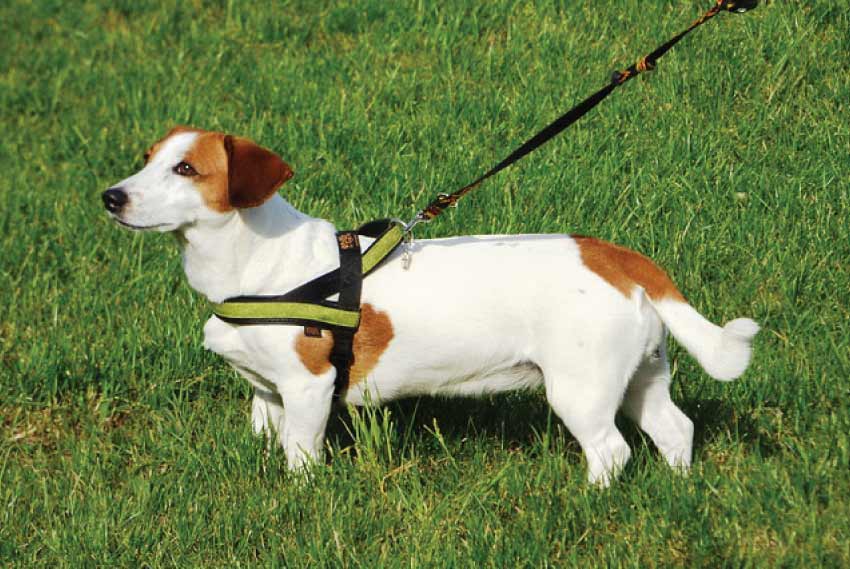
When a Short Walk Is OK
If you’re asking “can I walk my dog after cutting the quick?” and the answers to these questions are all yes, a brief bathroom walk is usually reasonable:
- Has the bleeding fully stopped for at least several minutes?
- Was it a small nick at the tip, not a split or torn nail?
- Is your dog standing and walking normally, putting full weight on the paw?
- Is your dog calm and not licking or chewing at the toe?
How to keep the first walk safe
- Keep it short. A few minutes for a potty break is plenty at first.
- Use a leash so your dog can’t run, jump, or dig.
- Walk slowly and let your dog set the pace.
- Choose clean, dry ground. Avoid mud, sand, gravel, and puddles that could dirty the nail or knock the clot loose.
- Check the nail when you get home. If it’s bleeding again, apply pressure and styptic powder, and keep your dog resting.
Skip long walks, runs, hikes, fetch, and rough play with other dogs until the toe is no longer tender.
Pet Care Tip: If you have a yard, a quick potty break there on a leash is often easier than a sidewalk walk. You control the surface, and it’s close to home if the nail starts bleeding again.
When to Wait Before Walking
Sometimes the honest answer to “can I walk my dog after cutting the quick?” is “not yet.” Postpone the walk and let your dog rest if:
- The nail is still bleeding or keeps restarting
- Your dog is limping, holding up the paw, or won’t put weight on it
- The toe looks sore, or your dog pulls away when you touch it
- Your dog keeps licking the paw
Let your dog rest in a quiet spot, keep an eye on the nail, and try again later once it has settled. If things aren’t improving, call your vet.
Grass, pavement, or gravel?
For the first outing, short, clean, dry grass or a smooth, clean sidewalk is usually gentler than gravel, rough trails, mud, or sand. Hot pavement can be uncomfortable for paws at the best of times, so avoid it in summer heat. If the nail was deeper or your vet bandaged the foot, ask your vet what surfaces and how much walking are OK.
Example Scenario (illustrative)
While trimming her Lab mix’s dark nails in Minnesota, Priya nicks a quick. She presses gauze on it and adds styptic powder, and the bleeding stops within a few minutes. She asks herself, “Can I walk my dog after cutting the quick?” Her dog is walking normally, so she waits a little longer, then takes a short leash walk around the yard and checks the nail when they come back in. This is an illustration, not a real case.
When to Call Your Veterinarian
Sometimes “can I walk my dog after cutting the quick?” is the wrong question, because the nail needs a vet first. Contact your vet or a 24/7 emergency animal hospital if:
- Bleeding hasn’t stopped after about 5–10 minutes of continuous pressure plus styptic powder
- Bleeding is heavy, or keeps starting again
- The nail is split, torn, or hanging. VCA says a broken nail requires immediate attention, and that removing the damaged part is best left to your veterinarian.
- Your dog is in severe pain, is limping badly, or won’t use the paw
- The toe becomes swollen, red, warm, or smelly, or there’s discharge
- Symptoms are getting worse instead of better
If your dog’s nail is bent or partly torn, our guide on a dog nail bent sideways and bleeding explains more.
Aftercare at Home
- Keep the paw clean and dry. Wipe off dirt gently after potty breaks.
- Limit licking. A little licking is normal, but if your dog keeps at it, ask your vet whether a cone or a protective sock is a good idea.
- Don’t apply human medicines, harsh disinfectants, or ointments unless your vet tells you to.
- Don’t give pain relievers meant for people. Ask your vet if your dog seems sore.
- Watch the nail for a day or two for renewed bleeding or signs of infection.
Healing and Returning to Normal Activity
Once the answer to “can I walk my dog after cutting the quick?” is yes for a short outing, owners usually want to know when full walks can resume. There’s no fixed healing time that applies to every dog. A tiny nick at the tip may stop hurting quickly, while a deeper cut can stay tender longer. Recovery depends on how much of the quick was cut, whether the nail was damaged, and how well it’s protected.
Bring back longer walks and play gradually. A good sign is a dog that walks normally, isn’t licking the toe, and has a dry nail with no bleeding. If you’re unsure, ask your vet when normal activity is OK.
How to Avoid Cutting the Quick Next Time
- Trim small amounts. VCA suggests a series of small clips, removing 1–2 mm of nail each time, and cutting about 2–3 mm away from the quick.
- Be extra careful with dark nails. VCA says to trim just the very tip if you can’t see the quick, and the AKC suggests watching for a chalky white ring that signals you’re getting close.
- Trim regularly. The AKC says most dogs need trims every three to four weeks, depending on activity and nail growth.
- Keep styptic powder on hand before you start.
- Get help if you’re unsure. The AKC suggests a lesson from your veterinarian or vet tech, and VCA notes that groomers and vet clinics can trim nails for you.
For a step-by-step method, see our guide to trimming a dog’s nails without cutting the quick.
Can I Walk My Dog After Cutting the Quick? FAQs
Can I walk my dog after cutting the quick?
Usually, once the bleeding has completely stopped and your dog is walking comfortably. Keep the first walk short, slow, and on a leash, on clean, dry ground. If the nail is still bleeding or your dog is limping, wait.
Should I wait until the bleeding stops before walking my dog?
Yes. Walking won’t stop the bleeding, and pressure on the nail can restart it. Wait until the bleeding has fully stopped and your dog is comfortable.
How can I stop my dog’s nail from bleeding?
Keep your dog calm, press clean gauze on the nail tip, and apply styptic powder. Flour or cornstarch can help with a minor bleed if you have no styptic. Call your vet if it won’t stop.
How long should my dog rest after the quick is cut?
It depends on the injury. A small nick may need only a short rest once bleeding stops, while a deeper cut needs more. Return to normal activity gradually when your dog is comfortable and the nail stays dry.
When should I call a veterinarian?
Call if bleeding hasn’t stopped after about 5–10 minutes of pressure and styptic, if bleeding is heavy or keeps returning, or if the nail is split or torn. Also call for severe pain, limping, swelling, or discharge.
Can my dog walk on grass or pavement after a nail injury?
For a minor nick that has stopped bleeding, short, clean, dry grass or smooth pavement is usually fine for a brief potty walk. Avoid mud, gravel, sand, and hot pavement until the toe is no longer tender.
Final Verdict: Can I Walk My Dog After Cutting the Quick?
So, can I walk my dog after cutting the quick? Yes, in most minor cases, but only after the bleeding has fully stopped and your dog is walking normally. Keep it short and gentle on clean ground, check the nail afterward, and call your vet for bleeding that won’t stop, a torn nail, or worsening pain.
Your next steps
- Put styptic powder in your grooming kit today.
- Learn a safer method with our guide to nail trims without cutting the quick.
- Browse more care guides in our dogs section.
Share your nail-trim tips with our community on Facebook.
About the author
Written and reviewed by the Pets Store Home Editorial Team: pet owners and animal lovers who check every guide against trusted US veterinary and animal-welfare sources. This article is general information, not a substitute for professional veterinary advice. Always talk to your veterinarian about your own pet’s health.
How we checked this guide: We compared nail-trimming and nail first-aid guidance from VCA Animal Hospitals and the American Kennel Club. Walking advice is practical guidance for minor injuries and should be adjusted to your vet’s instructions. We review this article every 12 months, or sooner if guidance changes.
Last reviewed: October 2026
Sources
- VCA Animal Hospitals – How to Trim a Dog’s Nails (accessed Oct 2026)
- VCA Animal Hospitals – First Aid for Broken Nails in Dogs (accessed Oct 2026)
- American Kennel Club – How to Trim Your Dog’s Nails Safely (Harriet Meyers; accessed Oct 2026)
[…] Which foreign pets are legal in Washington State? […]