
google-site-verification=ASrSFqKsKmxqlSloaozW_qZZYHGwV5yjQG-dPyX1MuY
How Many Flakes in a Bale of Hay?

How Many Flakes in a Bale of Hay?

How Many Flakes in a Bale of Hay?

What is a Bale of Hay?

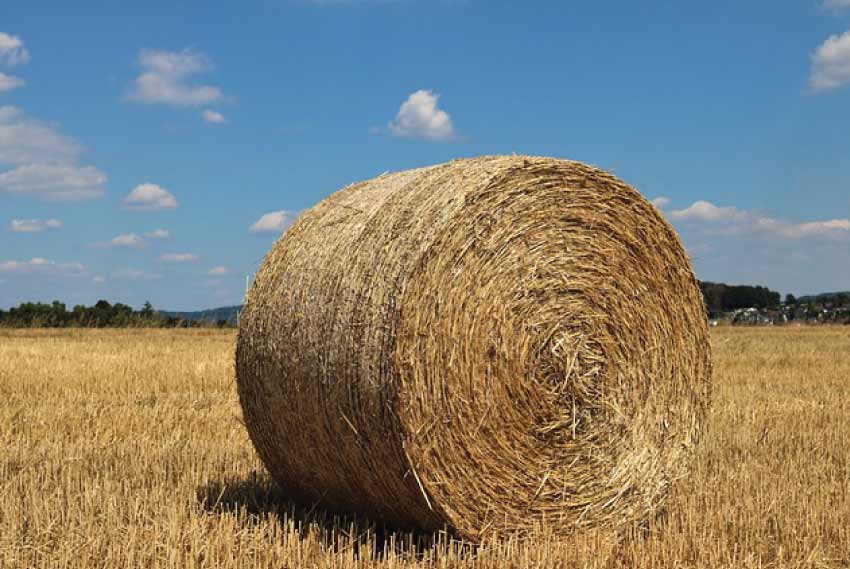
A hay bale is a compacted bundle of dried grass or other plants, typically used as animal feed, bedding, or other agricultural purposes. It is a standard method of storing and transporting large amounts of forage material. Hay bales are often cylindrical or rectangular and are bound tightly with twine or wire to maintain their shape and integrity.

In the field, hay is harvested by cutting and drying grasses or legumes, such as alfalfa or clover. Once the vegetation sufficiently dries, it is gathered into small, manageable bundles known as bales. These bales are stacked or stored for later use, such as feeding livestock during seasons when fresh grazing is limited or unavailable.

Bales of hay come in various sizes, depending on factors such as the baling equipment used and regional practices. The most common sizes are small square bales, typically weighing around 40-60 pounds (18-27 kilograms), and large round bales, ranging from several hundred to over a thousand pounds (hundreds of kilograms). The size and weight of bales may vary in different agricultural regions and depending on the intended use.

PREMIUM QUALITY HAY FOR SALE 

We offer a variety of hay options to fit your needs and budget, including Alfalfa, Bermuda Grass, Paca Verde, Teff Grass, Straw, and Sudan Grass. Our hay is barn-stored to help retain quality throughout the year. Hay can be picked up at our farm in Texas. Local delivery is available. Our website: haybalesforsale.net

The Different Types of Hay

There are several types of hay, each with its characteristics and uses. The specific type of hay ideal for a particular purpose depends on factors such as the nutritional needs of the animals, the climate, and the intended use. Here are some common types of hay:

Timothy Hay: Timothy hay is one of the most popular hay for feeding horses. It is known for its high fiber, moderate protein, and low sugar content. Timothy hay is often leafy and soft, making it palatable for horses.

Alfalfa Hay: Alfalfa hay is highly nutritious and is commonly fed to horses, cattle, and other livestock. It has a higher protein content than grass hays like Timothy and higher calcium levels. Alfalfa hay is often leafy and can be a good energy source for animals with higher nutrient requirements.

Orchard Grass Hay: Orchard grass hay is another type suitable for feeding horses, rabbits, and other small herbivores. It has a softer texture and is generally well-liked by animals. Orchard grass hay provides a balance of fiber and protein.

Bermuda Grass Hay: Bermuda grass hay is prevalent in warmer climates and is commonly fed to horses, cattle, and other livestock. It is known for its high heat and drought tolerance. Bermuda grass hay has a coarser texture than other hays but can still provide good nutrition.

Clover Hay: Clover hay is derived from clover plants and often combines different clover varieties. It is nutritious and commonly used as feed for horses, cattle, and other livestock. Clover hay has a higher protein content than some grass hays.

Mixed Grass Hay: Mixed grass hay blends different grasses, providing nutrients and flavors. It can be a good option when specific types of hay are not readily available. Mixed grass hay is used for various livestock, including horses, cattle, sheep, and goats.

These are just a few examples of hay types commonly available. The availability of specific types may vary depending on regional agricultural practices and climate conditions. It’s essential to consider the nutritional requirements of the animals and consult with local experts to determine the most suitable type of hay for specific feeding needs.

How Many Flakes are in a Bale?

The number of flakes in a bale of hay can vary depending on the size of the bale and how the hay is compressed and baled. “flake” refers to a portion of hay separated from the bale for feeding purposes.

In small square bales, typically around 40-60 pounds (18-27 kilograms), it is common to have around 15-25 flakes per bale. 

However, this can vary based on factors such as the density of the bale and the size of the flakes being taken.

Large round bales, on the other hand, are typically not divided into flakes since they are much larger and are fed by unrolling or cutting portions from the outside. 

The number of flakes or portions you can obtain from a round bale will depend on the size and thickness of the slices you make.

It’s important to note that the number of flakes in a bale is not a standardized measurement and can vary. 

It is often more helpful to consider the weight or volume of hay you want to feed your animals rather than focusing solely on the number of flakes.

Storing hay

Storing hay properly is crucial to maintain its quality and prevent spoilage. Here are some guidelines for storing hay:

Dry Storage Area: Choose a well-ventilated storage area that is dry and free from moisture. This helps prevent mold and mildew growth. A dedicated hay barn or shed is ideal, but if that’s not available, consider using a covered area with a waterproof tarp or plastic sheeting to protect the hay from rain and snow.

Elevate Hay: Keep the hay off the ground using pallets or other elevated surfaces. This helps prevent moisture absorption from the ground and allows air circulation around the bales.

Stack Bales Properly: When stacking bales, create rows with space between them to allow air to flow freely. Avoid stacking bales too high, as excessive height can lead to instability and potential collapses. Ensure that the stack is secure and won’t topple over.

Protect from Sunlight: Sunlight exposure can cause hay to lose nutritional value and fade in color. Cover hay outside with UV-resistant tarps or place it under a shade structure to minimize direct sunlight exposure.

Maintain Ventilation: Good airflow is essential to prevent the accumulation of heat and moisture. Avoid tightly packing bales together, as it restricts airflow. Leave sufficient gaps between bales and along the sides of the storage area for air to circulate.

Monitor Moisture Levels: Regularly check the moisture content of stored hay to ensure it remains within acceptable limits. High moisture levels can lead to mold growth and spontaneous combustion. Use a hay moisture meter to assess the moisture content periodically.

Rotate Stock: Practice a first-in, first-out system to use older hay before newer hay. This helps prevent older hay from sitting for extended periods, potentially losing quality or becoming a fire hazard.

Pest Control: Take precautions to deter rodents and insects from accessing the hay storage area. Use appropriate pest control methods and keep the storage area clean and free from debris that can attract pests.

By following these storage guidelines, you can help maintain your hay’s quality and nutritional value over an extended period, ensuring it remains suitable for feeding your animals.

Using hay for livestock

Hay is commonly used as a primary feed source for various livestock types, including horses, cattle, sheep, goats, and rabbits. Here are some key points to consider when using hay for livestock:

Nutritional Requirements: Different livestock species have varying nutritional needs. Ensure that the hay you provide meets the specific nutritional requirements of your animals. Factors such as protein, energy, and fiber content should be considered. Consult with a veterinarian or livestock nutritionist to determine the appropriate type and quality of hay for your animals.

Quality Assessment: Evaluate the quality of the hay before feeding it to your livestock. Look for bright green color, sweet smell, absence of mold or dust, and good leaf retention. High-quality hay should be free from weeds, foreign objects, and excessive moisture.

Feeding Methods: There are several ways to feed hay to livestock, depending on the animal’s size, feeding behavior, and nutritional needs. Options include:

Pasture Grazing: Allowing animals to graze on open pastures where hay is readily available.

Bale Feeding: Providing hay bales in feeders or racks, allowing livestock to consume the hay as needed. This method helps minimize waste and keeps the hay off the ground, reducing contamination.

Hay Net or Slow Feeder: Using hay nets or slow feeder systems can help regulate hay intake, reduce waste, and simulate grazing behavior for animals in stalls or pens.

Quantity and Frequency: Determine the appropriate amount of hay to feed based on the animal’s body weight, age, activity level, and nutritional requirements. Feeding 1-2% of the animal’s body weight in hay is generally recommended daily. Divide the total amount into multiple daily feedings, especially for animals with limited grazing access.

Supplemental Feeding: Depending on the nutritional content of the hay and the specific requirements of your livestock, you may need to supplement their diet with additional feeds, such as grain, pellets, or mineral supplements. Consult a veterinarian or livestock nutritionist to design a balanced animal diet.

Water Access: Ensure that livestock can always access clean and fresh water, especially when feeding hay. Hay intake can increase an animal’s water requirements, so monitor water availability and replenish as needed.

Storage and Quality Maintenance: As discussed earlier, store hay properly to maintain its quality over time. Protecting hay from moisture, sunlight, pests, and excessive heat will help preserve its nutritional value.

Remember that individual animals may have specific dietary needs and health considerations. It is advisable to seek guidance from a veterinarian or livestock nutritionist to develop a feeding plan tailored to your specific livestock and management practices.

Conclusion

In conclusion, hay is vital in feeding and caring for livestock. It is a valuable source of nutrition, fiber, and roughage for horses, cattle, sheep, goats, and rabbits. 

Understanding the nutritional requirements of your livestock, assessing hay quality, and implementing proper storage and feeding methods are essential for maintaining the health and well-being of your animals.

By selecting the appropriate type of hay, providing sufficient quantities based on body weight and nutritional needs, and ensuring access to clean water, you can help meet the dietary requirements of your livestock.

 Additionally, proper storage techniques, such as keeping hay dry, well-ventilated, and protected from sunlight and pests, will help maintain the quality and nutritional value of the hay over time.

Always consult a veterinarian or livestock nutritionist for specific feeding recommendations tailored to your animals’ needs and to address individual health considerations. With careful attention to hay selection, storage, and feeding practices, you can provide your livestock with a balanced and nutritious diet that supports their overall health and productivity.
Critical Thinking Skills at Work

Critical Thinking Skills at Work

Critical thinking skills are essential in the workplace, where we face a constant stream of information, problems, and decisions. Employers look for employees who can analyze information, solve problems, and make sound decisions. Developing critical thinking skills can help you become a valuable asset to any organization and advance your career.

In this blog post, we will explore the importance of critical thinking skills in the workplace, what they are, and how you can develop them. We will also provide some examples of how critical thinking skills are used in various industries and how they can benefit you in your career.

What are critical thinking skills?

Critical thinking is the ability to analyze, evaluate, and interpret information in a logical and systematic way. It involves questioning assumptions, examining evidence, and considering different perspectives to reach a well-informed conclusion. Critical thinking skills are essential for effective problem-solving, decision-making, and innovation.

There are several key elements of critical thinking, including:

  1. Analysis: The ability to break down complex information into smaller parts to understand it better.
  2. Evaluation: The ability to assess the quality and relevance of information, arguments, and evidence.
  3. Interpretation: The ability to make sense of information by understanding its context and meaning.
  4. Inference: The ability to draw conclusions based on the available information.
  5. Explanation: The ability to communicate ideas and conclusions clearly and persuasively.

Why are critical thinking skills important in the workplace?

Critical thinking skills are essential in the workplace because they enable you to make sound decisions, solve problems, and innovate. Here are some reasons why critical thinking skills are essential in the workplace:

  1. Problem-solving: Critical thinking skills are essential for effective problem-solving. By analyzing information, evaluating evidence, and considering different perspectives, you can identify the root cause of a problem and develop effective solutions.
  2. Decision-making: Critical thinking skills are also essential for effective decision-making. By evaluating the pros and cons of different options, you can make informed decisions that are in the best interests of your organization.
  3. Innovation: Critical thinking skills can also help you innovate by coming up with new and creative ideas. By questioning assumptions and thinking outside the box, you can develop innovative solutions that can help your organization stay ahead of the competition.

Examples of critical thinking skills in various industries

Critical thinking skills are used in various industries, including business, healthcare, education, and government. Here are some examples of how critical thinking skills are used in different industries:

  1. Business: In the business world, critical thinking skills are essential for effective decision-making. For example, a marketing manager may need to analyze market trends, evaluate consumer behavior, and consider different marketing strategies to develop an effective marketing campaign.
  2. Healthcare: In healthcare, critical thinking skills are essential for diagnosing and treating patients. For example, a nurse may need to evaluate a patient’s symptoms, interpret test results, and consider different treatment options to provide the best possible care.
  3. Education: In education, critical thinking skills are essential for teaching and learning. For example, a teacher may need to analyze student performance data, evaluate teaching methods, and consider different instructional strategies to improve student learning outcomes.
  4. Government: In government, critical thinking skills are essential for policymaking and problem-solving. For example, a policy analyst may need to analyze data, evaluate the effectiveness of existing policies, and consider different policy options to develop effective solutions to social problems.

How to develop critical thinking skills

Developing critical thinking skills takes time and practice, but it is a worthwhile investment in your career. Here are some tips for developing critical thinking skills:

  1. Ask questions: Asking questions is an essential part of critical thinking. Whenever you encounter new information or a problem, ask questions to gain a better understanding of the situation
Types of Duffel Bags

Types of Duffel Bags

Whether you are packing for a weekend hike or embarking on an extended expedition, there are many different types of duffel bags that you can choose from. While some of the options may be more expensive than others, you can find a bag that is perfect for your needs.

Mountain Hardwear Expedition

Whether you’re heading out on a week-long stag do or simply traveling to the local office, the Mountain Hardwear Expedition duffel Types of Duffel Bags

Whether you are packing for a weekend hike or embarking on an extended expedition, there are many different types of duffel bags that you can choose from. While some of the options may be more expensive than others, you can find a bag that is perfect for your needs.

Mountain Hardwear Expedition

Whether you’re heading out on a week-long stag do or simply traveling to the local office, the Mountain Hardwear Expedition duffel bag has got you covered. With a heavy-duty Tarp LT material and dual-thickness bottom, this bag is built to last. The daisy chains on the shoulder straps are strong enough to withstand the rigors of travel while the internal compression system can be used to organize your gear.

While the Mountain Hardwear Expedition duffel bag may not be for everyone, it’s sure to be a hit with adventure seekers of all stripes. The duffel bag is made for the outdoors, and the reinforced oversized grab handles make for easy handling. It also features two external secure zip end cap pockets, one of which is see-through.

The Mountain Hardwear expedition duffel isn’t just about cramming your belongings into it, and the company does provide customers with a handy warranty service. The company also has a useful list of links and information for international buyers. The aforementioned list contains a comprehensive product line that includes the aforementioned Expedition duffel bag, as well as the aptly named Ultralight, and the aptly named Ultralite. The latter is the sexiest of the three bags, and comes in a whopping 4 sizes. The smallest Ultralite is the most petite of the bunch, and is a mere 6.4 lbs. The largest Ultralight weighs in at a hair over 10 pounds.


Cotopaxi’s Allpa

Whether you are an outdoor enthusiast or just a regular consumer of outdoor gear, you’ll appreciate the new Cotopaxi Allpa duffel bag. This 35-liter pack is a great choice for travelers who want to carry all of their luggage onboard. It’s durable, sturdy, and has plenty of compartments. You’ll also find that it has a sleek design that makes it look as though it’s just a standard backpack.

The Allpa backpack comes in a variety of colors, including black and pink, but it’s the black-on-black colorway that has been the most popular. The pack is made of 1000-denier polyester and TPU-coated fabric. These fabrics are weather-resistant and breathable for long-term use.

The main compartment has a full-wrap zipper. It’s also got three mesh pockets. It’s got a rain cover that can be easily attached. It even has a water bottle attachment. It’s also got a stowable hip belt. The bag has a lot of features, but it’s not designed for the business traveler.

The Allpa bag has a cool look. It’s got a clamshell design, but it’s also got three pockets, which is impressive. It’s also got a padded laptop compartment. The pack also has a sternum buckle and soft, yet firm tuckaway harness system. It’s made from a synthetic polyester shell coated with thermoplastic polyurethane.

The backpack also has a bucket-like pocket that is located a bit further back for fluffy items. It’s got a laptop sleeve and a key clip. It’s also got internal compression straps that allow you to adjust the weight distribution. The bag is also very easy to move around.

YETI Panga

YETI Panga is a waterproof duffel bag with a lot of versatility. It’s a great way to keep your gear dry on an off-grid adventure or travel trip. You can get the bag in three sizes: 50, 75 and 100 liters.

The bag is a little heavier than other zippered submersible bags, but that’s not a problem for its use on horseback or other occasional use adventures. It also offers plenty of carrying options, including a strap that lets you use it on one shoulder. It also has a water bottle pocket, and a shoe compartment. The main section of the bag has nine pockets. The duffel is available in a matte finish, and a metallic finish is also available.

The Panga’s waterproof construction is unique among water-sports-specific gear. It features a thick shell, webbing with metal buckles, and a zipper that’s nearly as long as the entire duffel.

The duffel is made of polyester material, which is lightweight and scratch-resistant. It also features an EVA molded bottom that provides a durable, waterproof landing pad. The duffel also has two easy-access mesh pockets.

YETI also offers a three-year warranty on the Panga line. The zipper is also waterproof, and the bag features a U-Dock on the ends to keep your gear dry. The bag is a top pick in our testing.

The YETI Panga is not the cheapest bag on the market, but it does have a very good price point. However, it isn’t a very useful bag for day-to-day travel.

SealLine WideMouth

Designed to keep your gear dry, the SealLine WideMouth duffel bag features waterproof materials and a roll-top design. It also has a pocket on the exterior that’s great for storing small items. The interior is lined with waterproof fabrics, too, and there are D-rings for carrying straps and car tie-downs.

This waterproof duffel offers a variety of other features, as well, including a durable PU-coated fabric construction, RF-welded seams, and a roll-top closure. It also has a side pocket and a carrying handle. It’s available in 40- and 80-liter sizes, and comes in a variety of colors. It’s also designed for paddle sports and water-based adventures.

Compared to the YETI Panga, the SealLine WideMouth is more affordable and more lightweight. It’s also got a more rugged fabric, though, and is more resistant to abrasion. It also has a fully-waterproof zipper system, so you won’t worry about leaks.

The WideMouth’s wider mouth opening makes it easy to navigate through the contents. The duffel’s roll-top design also allows for no-hassle packing, but it doesn’t offer the same waterproof protection as the YETI.

The WideMouth is made from a 600 denier polyester fabric, which is strong enough to hold up to the elements. It’s also a lighter-weight, nylon build, which isn’t quite as thick as the Panga. The duffel weighs less than the Panga, too, which is great for a day trip or a weekend.

NRS High Roll Duffel Dry Bag

Whether you’re on the hunt for a new duffel bag or are simply looking for a reliable storage solution, the NRS High Roll Duffel is the way to go. It’s a watertight bag, so you can be confident that your gear is safe and sound. Featuring a waterproof zipper, a nifty sleeve, and a hefty 21 oz of TobaTex, you can rest assured that you’ll be able to carry all of your gear without the risk of drenching it.

In addition to the high grade, you can also get your hands on this bad boy in three sizes. The large, medium and small variants have an array of features to keep you organized. The largest is a good fit for a weekend’s worth of gear, while the medium and small models are better suited to a week or two’s worth of supplies. The NRS High Roll Duffel isn’t a cheap bag, but it’s a quality product that will last for years to come. The best part is that it’s the kind of bag you’ll be proud to show off to your friends. It’s the newest addition to the NRS line of travel bags, and it’s definitely the star of the show.

Base Camp Voyager

Taking inspiration from the original Base Camp Duffel, The North Face introduced the Base Camp Voyager. This new version is not only a lighter weight, but also features a slew of internal and external organizational tools. These include an adjustable divider, a padded laptop sleeve, and an external secure-zip pocket. Regardless of whether you’re looking to pack for a weekend getaway or a weeklong backpacking expedition, the Base Camp Voyager is the bag to buy.

The North Face has crafted a duffel bag that has all the features of a traditional bag, but offers better value. The base of the bag is made from 100% recycled material, so you can feel good about your purchase. The top of the bag is a zippered compartment that allows you to organize your belongings, and there are eleven attachment loops to secure items.

The Base Camp Voyager duffel has a few other gizmos, including a key clip and a small external secure-zip pocket. The padded laptop sleeve has a secure-zip feature, and you can store your iPad in the side pocket while still keeping your hands free.

The Base Camp Voyager duffel may not be the sexiest or most feature rich, but it’s certainly one of the most impressive bags on the market. It’s a perfect size for a carry on at the airport, and the internal organization is a nice bonus.