
The main types of duffel bags are traditional cylindrical duffels, small gym bags, weekenders, travel duffels, rolling duffels, backpack duffels, waterproof duffels, tactical and outdoor duffels, large expedition duffels, and garment duffels. They differ in shape, capacity, material, and how you carry them, so the best choice depends on where you’re going and what you’re packing.
A duffel looks simple: a soft bag with a zipper and handles. But a compact gym bag and a 100-liter expedition hauler are very different tools. This guide compares each style, explains how to pick a size, and shows what US airlines actually require for carry-on bags.
Key takeaways
- There are about 10 common types of duffel bags, from small gym bags to wheeled and waterproof models.
- Capacity and dimensions vary by brand and model. Always check the listed liters and inches.
- American Airlines and Delta both cap standard carry-ons at 22 x 14 x 9 inches, including handles and wheels.
- Airline rules differ by carrier, fare, and aircraft, so check your airline’s current policy before you fly.
- Strong zippers, reinforced seams, and a padded strap matter more than extra pockets.
In this guide
Types of Duffel Bags at a Glance
Use this table to compare the types of duffel bags quickly. On a phone, scroll the table sideways to see every column.
| Bag type | Best use | Key features | Potential drawbacks |
|---|---|---|---|
| Traditional cylindrical | Bulky soft items, sports gear | Barrel shape, end or top opening, simple design | Items at the bottom are hard to reach |
| Gym and workout | Daily workouts | Compact, shoe or wet pocket on many models | Too small for trips |
| Weekender | 1–3 night trips | Structured look, wide opening, often a sleeve for rolling luggage | Heavier materials like leather or canvas add weight |
| Travel | Flights and longer trips | Carry-on or checked sizes, more pockets | Overpacking can exceed airline limits |
| Rolling (wheeled) | Airports, heavy loads on pavement | Wheels, telescoping handle | Heavier when empty; wheels count toward size |
| Backpack duffel | Walking, stairs, mixed transit | Convertible shoulder straps | Less support than a true backpack |
| Waterproof or water-resistant | Boating, rain, beach | Coated fabric, roll-top or sealed zipper | Fewer pockets; can trap moisture inside |
| Tactical and outdoor | Hunting, camping, range gear | Heavy fabric, webbing, many compartments | Bulky and heavy for everyday travel |
| Expedition and gear | Trips needing lots of gear, team sports | Very large capacity, tough base, lash points | Usually needs checking; heavy when full |
| Garment duffel | Suits and dresses, business trips, weddings | Fold-out garment section plus duffel space | Less room for bulky items |
How Duffel Bags Differ
Before comparing the types of duffel bags one by one, it helps to know the features that separate them.
- Shape: Classic duffels are cylinders. Many modern ones are rectangular with a flat base, which packs and stands up better.
- Capacity: Duffels are usually sold by volume in liters. Luggage maker Eagle Creek notes that travel duffels range from about 40 liters to as much as 120. Gym bags are often smaller. Two bags with the same liter rating can still have different dimensions.
- Materials: Common options include nylon, polyester, canvas, leather, and coated tarpaulin. Coated fabrics resist water better; canvas and leather look classic but weigh more.
- Carrying options: Grab handles, a shoulder strap, backpack straps, wheels, or a mix.
- Organization: Some duffels are one open space. Others add end pockets, shoe compartments, or interior dividers.
- Durability: Fabric thickness, stitching, zipper quality, and a reinforced base decide how long a bag lasts.
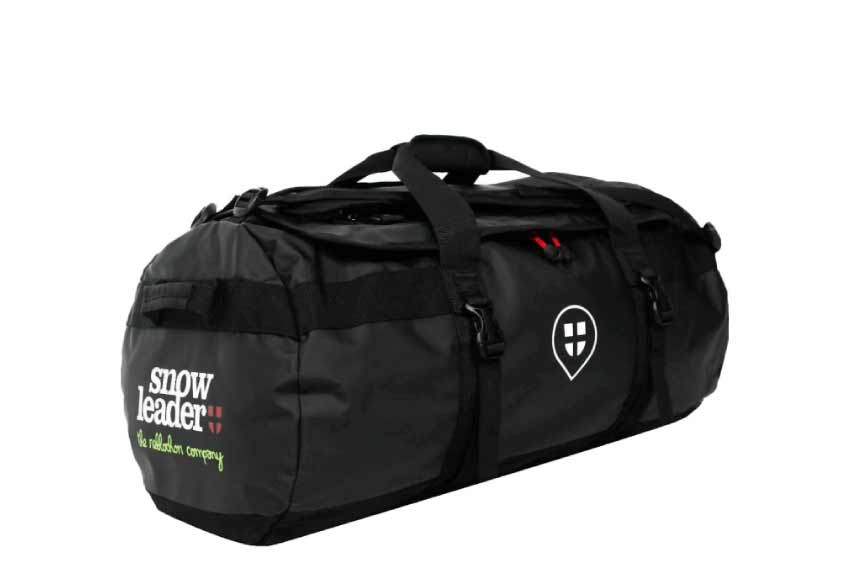
The 10 Main Types of Duffel Bags Explained
Here’s what each style does well, and where it falls short. Features vary a lot between brands, so treat these as general descriptions rather than rules every model follows.
1. Traditional cylindrical duffel bags
The original barrel-shaped design opens at the top or one end and has few or no pockets. It swallows bulky, soft items like sleeping bags, towels, and team uniforms. The trade-off is organization: whatever you packed first ends up at the bottom.
2. Small gym and workout duffel bags
Gym duffels are compact enough for a locker. Many add a ventilated shoe pocket or a lined pocket for damp clothes, which keeps sweaty gear away from clean items. They’re ideal for daily use but usually too small for anything beyond an overnight stay.
3. Weekender duffel bags
A weekender is a mid-size duffel built for a few nights away. It often has a flatter, more structured shape, a wide zip opening, and sometimes a sleeve that slides over a rolling suitcase handle. Leather and waxed-canvas weekenders look polished but are heavier than nylon versions.
4. Travel duffel bags
Travel duffels come in carry-on and checked sizes. Compared with a basic duffel, they tend to have more pockets, tougher fabric, and better straps. Because they’re soft-sided, it’s easy to overstuff one past an airline’s size limit, so measure it packed.
5. Rolling duffel bags with wheels
Wheeled duffels combine a duffel’s flexible body with wheels and a pull handle, which takes the strain off your shoulder in airports. Wheels and frames add empty weight, and airlines count wheels and handles in carry-on measurements. They’re less useful on sand, snow, or rough trails.
6. Backpack duffel bags with convertible straps
Backpack duffels have straps that let you wear the bag on your back, then tuck the straps away. They’re handy for train stations, stairs, and walking between gates. Most offer less padding and support than a dedicated travel backpack, so they’re best for moderate loads.
7. Waterproof or water-resistant duffel bags
These use coated fabrics, welded seams, and roll-top closures or water-resistant zippers. “Water-resistant” and “waterproof” aren’t the same, so read the maker’s description carefully before trusting a bag on a boat or in heavy rain. Let gear dry before storing it inside, since a sealed bag can trap moisture.
8. Tactical and outdoor duffel bags
Tactical duffels use heavy fabric, webbing for attaching extra pouches, and several compartments for sorting gear. Hunters, campers, and range-goers like the organization. For a city break, they’re usually more bag, and more weight, than you need.
9. Large expedition and gear duffel bags
Expedition duffels sit at the top of the size range, often near the 100-liter mark or above. They have tough bases, lash points, and backpack or haul straps for moving heavy loads short distances. Most must be checked, and a full one can quickly reach airline weight limits.
10. Garment duffel bags and other specialized designs
A garment duffel adds a fold-out section that keeps a suit or dress flatter, alongside regular duffel space. Other specialized types include sports gear bags with long compartments, and packable duffels that fold into a small pouch when empty.
Pet Care Tip: A duffel can be a great grab-and-go bag for your dog’s travel kit: food, collapsible bowls, leash, poop bags, and records. But a regular duffel is never a safe pet carrier. Use a ventilated carrier made for animals, and check your airline’s separate pet policy. See our dog travel accessories guide for packing ideas.
How to Choose the Right Duffel Bag Size
Size is where most types of duffel bags differ the most. Brands list capacity in liters. As a reference point, a bag that exactly fills a 22 x 14 x 9-inch box holds about 45 liters, but soft bags rarely fill a box perfectly.
The ranges below are rough starting points, not industry standards. Capacity and dimensions vary by brand and model, and how much you need depends on how you pack.
| Use | Rough capacity | Notes |
|---|---|---|
| Gym and workouts | About 20–40 liters | Check that it fits your locker |
| Weekend (1–3 nights) | About 30–50 liters | Many can work as a carry-on if they meet the airline’s inches |
| Carry-on air travel | Often about 35–45 liters | The airline’s inches matter, not the liter rating |
| Week-long trip or camping | About 50–90 liters | Usually checked when flying |
| Expeditions and sports gear | About 90 liters and up | Watch checked-bag weight limits |
Duffel Bags and US Airline Carry-On Rules
No single duffel size is accepted by every US airline. The FAA says the maximum carry-on size for most airlines is 45 linear inches, but it also warns that some airline rules are stricter and advises checking with your airline before packing.
Here’s what two major carriers state on their carry-on pages:
- American Airlines: carry-ons cannot exceed 22 x 14 x 9 inches (56 x 36 x 23 cm), including handles and wheels. A personal item should be no larger than 18 x 14 x 8 inches. On some regional American Eagle flights, bags larger than a personal item must be valet-checked.
- Delta Air Lines: carry-ons must not exceed 45 linear inches or 22 x 14 x 9 inches, and the measurements include any handles or wheels. On Delta Connection flights with 50 seats or fewer, larger carry-ons may be gate-checked.
Rules also vary by ticket type and aircraft, and policies change, so check your airline’s current page before every trip. When you measure, include handles, wheels, straps, and end pockets, and measure the bag packed, since a soft duffel bulges. If your bag gets checked at the gate, the FAA advises removing spare batteries and lithium-battery devices to keep with you in the cabin.
Best Duffel Bag for Each Use
Matching types of duffel bags to how you’ll actually use them saves money and back strain.
- Gym: a small gym duffel with a separate shoe or wet pocket.
- Weekend trips: a weekender in the 30–50 liter range, with a trolley sleeve if you also travel with a suitcase.
- Air travel: a carry-on-size travel duffel or backpack duffel that measures within your airline’s limits when packed.
- Camping: a water-resistant or tactical duffel with a tough base that can sit on wet ground.
- Sports equipment: a large gear duffel or a traditional cylindrical bag with a wide opening.
- Longer travel: a rolling duffel or a large backpack duffel, depending on whether you’ll be on pavement or uneven ground.
Traveling with a pet? Pack their essentials in a separate small duffel so they’re easy to reach. Our pet travel accessories guide lists what to bring.
Duffel Bag Buying Checklist
Whichever of the types of duffel bags you choose, check these points before you buy.
- ☐ Zippers: large, smooth-running zippers that don’t snag at corners. Lockable pulls help for travel.
- ☐ Seams: double or reinforced stitching at handles and strap anchors, where stress is highest.
- ☐ Shoulder strap: padded, adjustable, and attached with sturdy metal or heavy-duty hardware.
- ☐ Handles: wrap-around grab handles that join together comfortably; end handles help with lifting.
- ☐ Compartments: only as many as you’ll use, such as a shoe pocket or quick-access end pocket.
- ☐ Water resistance: check whether the maker says water-resistant or waterproof, and what that covers.
- ☐ Empty weight: look for it on the label; a heavy bag eats into airline weight limits.
- ☐ Dimensions: listed inches, including wheels and handles, compared with your airline’s rules.
- ☐ Warranty: read the maker’s actual warranty terms instead of relying on “lifetime” claims in ads.
Quick test in the store: Load the bag with a few heavy items, then lift it by the shoulder strap and by the handles. Watch the seams and strap anchors. Any pulling or creaking now will get worse with use.
Types of Duffel Bags: FAQs
What are the different types of duffel bags?
Common types include traditional cylindrical, gym, weekender, travel, rolling, backpack, waterproof, tactical, expedition, and garment duffel bags. Each suits a different trip or activity.
Which duffel bag is best for air travel?
A carry-on-size travel or backpack duffel works well if it fits your airline’s limits when packed. American Airlines and Delta both list 22 x 14 x 9 inches, including handles and wheels, but rules vary by airline, fare, and aircraft.
What size duffel bag is best for a weekend trip?
For many people, a bag of roughly 30 to 50 liters covers one to three nights. Capacity varies by brand, so check the listed liters and dimensions.
Are rolling duffel bags better than traditional ones?
Not always. Rolling duffels are easier in airports and on pavement, but they weigh more when empty and are harder to use on rough ground or stairs. Traditional duffels are lighter and pack more flexibly.
What is the difference between a duffel bag and a weekender bag?
A weekender is a type of duffel bag. It’s usually mid-size, more structured, and styled for short trips, while “duffel” covers everything from small gym bags to huge expedition bags.
Can I use a duffel bag as a pet carrier?
No. A regular duffel isn’t designed for animals and may not provide safe airflow or support. Use a carrier made for pets, and check your airline’s pet policy before flying.
Final Verdict: Types of Duffel Bags
The types of duffel bags range from compact gym bags to wheeled travel duffels and 100-liter expedition haulers. Choose by trip length, how you’ll carry it, and whether it needs to meet airline limits. Check capacity and dimensions for the specific model, and always confirm your airline’s current carry-on rules before you fly.
Your next steps
- Measure your current bag packed, including handles and wheels.
- Plan your pet’s travel kit with our pet travel essentials.
- Browse more gear guides in our pet accessories section.
Share your favorite travel setup with our community on Facebook.
About the author
Written and reviewed by the Pets Store Home Editorial Team: pet owners and travelers who check every guide against trusted US sources. This article is general information. Airline baggage rules change, so always confirm your airline’s current policy before you travel.
How we checked this guide: We compared carry-on guidance from the Federal Aviation Administration with the published carry-on rules of American Airlines and Delta Air Lines, and used capacity information from luggage maker Eagle Creek. We review this article every 12 months, or sooner if airline rules change.
Last reviewed: October 2026
Sources
- Federal Aviation Administration – Baggage (accessed Oct 2026)
- American Airlines – Carry-On Bags (accessed Oct 2026)
- Delta Air Lines – Carry-On Baggage (accessed Oct 2026)
- Eagle Creek – How to Choose a Duffel Bag (accessed Oct 2026)
[…] Which foreign pets are legal in Washington State? […]