google-site-verification=ASrSFqKsKmxqlSloaozW_qZZYHGwV5yjQG-dPyX1MuY
Kangal dog price | How much is a kangal dog?

Kangal dog price | How much is a kangal dog?

Introduction to the Kangal dog breed & Kangal dog price

The Kangal is a renowned and ancient dog breed from Turkey. This breed is celebrated for its exceptional guarding and protective instincts, making it one of the world’s most formidable livestock guardian dogs. Below is an introduction to the Kangal dog breed:
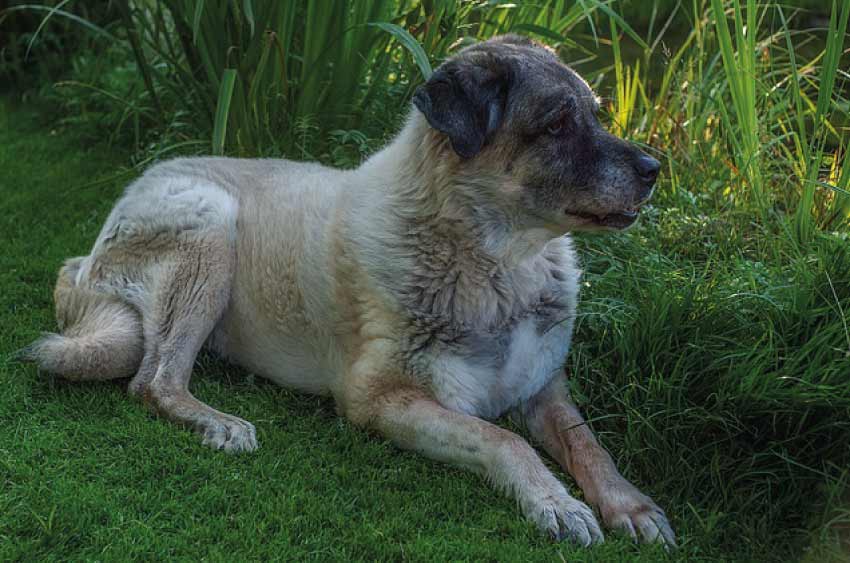
Kangal dog price

History and origin of the Kangal dog

The Kangal dog has a rich history that dates back thousands of years and is deeply rooted in the Anatolian region of Turkey.

Here’s a brief overview of the history and origin of the Kangal dog:

Ancient Beginnings: The Kangal’s origins can be traced to the Sivas region of Turkey, specifically around the town of Kangal in the Anatolian Plateau. This breed has a long and storied history, with roots dating back to ancient times. Some historians believe that the Kangal’s ancestors may have been bred by nomadic tribes over 4,000 years ago in the region.

Guardians of Livestock: The primary purpose of the Kangal breed has always been to protect livestock, mainly sheep and goats, from various predators that roamed the Anatolian wilderness. These predators included wolves, bears, jackals, and other large carnivores. The Kangal’s strength, courage, and protective instincts made it an ideal choice for this role.

Selective Breeding: Over centuries, the local shepherds and farmers in the region selectively bred these dogs for their protective qualities and ability to work independently in harsh environments. Natural selection also shaped the breed, as only the most robust and capable dogs survived to pass on their genes.

Recognition and Preservation: The Kangal breed gained recognition in Turkey, and efforts were made to preserve its unique characteristics. In the 20th century, the Turkish government took steps to protect the Kangal as a national treasure and safeguard its purity. In 1985, Turkey officially declared the Kangal as its national dog breed.

International Recognition: Kangal’s reputation as an exceptional livestock guardian dog gradually spread beyond Turkey’s borders. In the latter half of the 20th century and into the 21st century, Kangals gained popularity in various parts of the world, particularly in Europe and North America, where they were appreciated for their guarding abilities and temperament.

Conservation and Preservation: Despite their increasing popularity, breed enthusiasts and organizations have worked to maintain the breed’s original characteristics and prevent excessive crossbreeding. Kangals are recognized by various kennel clubs and breed organizations, which have established breed standards to ensure the continuation of the Kangal’s unique traits.

In summary, the Kangal dog breed has a deep-rooted history in Turkey, where it evolved over thousands of years as a reliable and courageous livestock guardian. Its origins are intertwined with the pastoral traditions of Anatolia, and it has gradually gained international recognition as a remarkable working and protective breed.

Kangal dog price

The price of a Kangal dog can vary widely depending on several factors, including the dog’s age, pedigree, health, and the breeder’s reputation. Here are some general price ranges you might expect to encounter when looking to purchase a Kangal dog:

Puppy from a Reputable Breeder: Kangal puppies from reputable breeders prioritizing health, temperament, and adherence to breed standards can range from $1,000 to $2,500 or more. Prices can be higher if the puppy comes from champion bloodlines or the breeder provides extensive health guarantees and support.

Adult Kangal: The cost of an adult Kangal, whether from a breeder or a rescue organization, can vary widely. Adult dogs are often less expensive than puppies and may be available for adoption at a lower cost.

Show Quality Kangal: If you’re interested in a Kangal for show or breeding purposes, you may find that show-quality dogs, which adhere closely to the breed standard and may have a pedigree that includes champions, can be considerably more expensive. Prices for show-quality Kangals can exceed $5,000 or more.

Rescue or Adoption: Adopting a Kangal from a rescue organization or shelter is often more affordable than purchasing from a breeder. Adoption fees typically range from $100 to $500, although this can vary depending on the organization and the dog’s age.

Imported Kangals: Some enthusiasts may choose to import Kangals from their native region in Turkey. Importing a Kangal can be expensive due to transportation, import fees, and paperwork. Prices can vary widely, but it’s not uncommon for imported Kangals to cost several thousand dollars.

It’s important to note that the initial cost of acquiring a Kangal is just one part of the financial commitment involved in dog ownership. You should also budget for ongoing expenses, including food, grooming, veterinary care, training, and other essentials to provide your Kangal a happy and healthy life.

When purchasing a Kangal, it’s crucial to do your research and choose a reputable breeder who prioritizes the health and well-being of their dogs. Avoid purchasing from puppy mills or irresponsible breeders who prioritize profit over the welfare of the dogs. A reputable breeder should be able to provide health clearances, documentation of vaccinations, and information about the dog’s lineage.


Physical attributes of the Kangal dog

The Kangal dog is known for its impressive physical attributes, contributing to its effectiveness as a livestock guardian and protector. 

Here are the key physical characteristics of the Kangal breed:

Size: Kangals are large and powerful dogs. Males typically stand between 28 to 34 inches (70 to 86 cm) at the shoulder, and females are slightly smaller. They have a robust and well-proportioned build.

Weight: Kangals are heavyset dogs, with males weighing 110 to 145 pounds (50 to 66 kg) or more, while females generally weigh slightly less.

Muscular Build: Kangals have a muscular and athletic build, contributing to their strength and agility. Their physical stature gives them the power to confront and deter potential threats.

Coat: The Kangal has a short, dense double coat that protects the harsh Anatolian climate. The coat color is typically a solid shade of cream to pale tan, with a black mask often present on the face.

Ears: Kangals have medium-sized, triangular-shaped ears set relatively high on their heads. These ears usually hang down close to the sides of their face.

Tail: The Kangal’s tail is thick and tapers to a point. It is carried low, and the tail may have a slight curve, which is more pronounced when the dog is alert or excited.

Eyes: Their eyes are medium-sized and almond-shaped, and they typically have dark brown to amber-colored eyes, which give them an alert and intelligent expression.

Muzzle: Kangals have a moderately long and powerful muzzle. The black mask often extends to cover their muzzle.

Legs and Feet: Their legs are sturdy and straight, providing stability and endurance. Kangals have well-padded feet with strong, curved claws that aid traction and digging.

Dewclaws: Kangals often have double dewclaws on their hind legs, providing stability and grip when working in challenging terrain.

Gait: Kangals have a smooth and efficient gait. They are known for their ability to cover long distances while patrolling or guarding without tiring quickly.

Overall Impression: The Kangal’s appearance conveys strength, confidence, and alertness. They are imposing and well-suited for their role as protectors of livestock and property.

These physical attributes, combined with the breed’s instincts and temperament, make the Kangal an effective guardian and protector. Their imposing size, strength, and protective nature make them well-suited for their traditional role as livestock guardians in the rugged terrain of Turkey’s Anatolian region.

Temperament and personality

The Kangal dog is known for its distinct temperament and personality traits, honed over centuries as a livestock guardian and protector. 

Here are the key characteristics that define the Kangal’s temperament and personality:

Protective: Kangals are renowned for their protective instincts. They have an innate responsibility for guarding their family, livestock, or property. This protective nature makes them excellent watchdogs and formidable protectors against potential threats.

Loyal: Kangals are fiercely loyal to their owners and the animals they protect. They form strong bonds with their human families and are known for their devotion and faithfulness.

Courageous: Kangals are courageous dogs. They are not easily intimidated by danger and will confront threats fearlessly when necessary to protect their charges.

Alert: These dogs are highly alert and vigilant. They are naturally aware of their surroundings and have a keen sense of observation. Kangals are quick to detect any unusual or potentially dangerous activity.

Independent Thinkers: Kangals possess a degree of independence and autonomy due to their long history as working dogs. This independence allows them to make decisions in the field without constant supervision.

Gentle with Family: While Kangals are fierce protectors, they are typically gentle and affectionate with their families. They are known to be good with children and can form strong bonds with their human companions.

Reserved with Strangers: Kangals tend to be reserved and cautious around strangers. This wariness is a part of their protective nature and makes them effective at assessing potential threats.

Intelligent: Kangals are intelligent dogs. They are quick learners and can understand complex commands and tasks. However, they may have an independent streak, so consistent and positive reinforcement training is essential.

Adaptable: Kangals are adaptable dogs that can thrive in various environments, from rural farms to suburban homes. They adjust to their surroundings and duties, whether guarding livestock or being a family pet.

Low Energy: Kangals are not overly active dogs. They have a relatively low energy level when compared to some other breeds. While they require daily exercise and mental stimulation, they are not hyperactive.

Prey Drive: Kangals have a strong prey drive due to their history as livestock guardians. They may chase small animals, so it’s important to supervise them around smaller pets.

Protective Bark: Kangals are known for their deep and intimidating bark, which they use to alert their owners to potential threats. Their bark alone can be a deterrent to intruders.

In summary, Kangals possess a unique blend of protective instincts, loyalty, courage, and intelligence. They make excellent working dogs in their traditional role as livestock guardians and property protectors. When properly socialized and trained, they can also be affectionate and well-behaved family pets, provided their protective instincts are respected and managed appropriately.

Proper care and training for a Kangal dog

Proper care and training are essential for raising a well-adjusted Kangal dog. 

Here are some essential guidelines for caring for and training a Kangal:

Socialization: Begin socializing your Kangal puppy early. Introduce them to various people, animals, and situations to help them become well-adjusted adults. Kangals are protective, so exposure to different experiences is crucial to prevent excessive fear or aggression toward unfamiliar people or animals.

Obedience Training: Kangals are intelligent but can be independent thinkers. Consistent and positive reinforcement-based training methods work best. Start with basic obedience commands like sit, stay, and recall. Training should be firm but never harsh, as these dogs do not respond well to heavy-handed methods.

Exercising and Mental Stimulation: While Kangals are not overly active, they still require daily exercise to stay physically and mentally healthy. Regular walks, playtime, and opportunities to explore their environment are essential. Puzzle toys and interactive games can provide mental stimulation.

Secure Fencing: Kangals have a strong prey drive and a protective instinct to guard their territory. Ensure you have a secure, high fence to prevent them from wandering and to protect them from potential dangers. Supervise them during outdoor activities.

Protection Training: If you plan to use your Kangal as a livestock guardian, consider professional training for this specific purpose. They should learn to differentiate between actual threats and everyday activities and how to respond appropriately.

Proper Nutrition: Provide a balanced, high-quality diet appropriate for your Kangal’s age, size, and activity level. Consult with your veterinarian to determine the best feeding plan.

Veterinary Care: Regular check-ups and vaccinations are crucial to maintain your Kangal’s health. Discuss a preventive healthcare plan with your veterinarian, including parasite control.

Grooming: Kangals have short coats that require minimal grooming. Brush their coat regularly to remove loose hair and dirt. Please pay attention to their ears, teeth, and nails to ensure they are clean and healthy.

Positive Reinforcement: Positive reinforcement, such as treats and praise, works best when training Kangals. They respond well to rewards and positive feedback.

Supervision: Always supervise your Kangal when interacting with other pets, significantly smaller animals. Their prey drive may lead them to chase or harm smaller pets if left unattended.

Consistency: Consistency in training and routines is critical. Kangals thrive in a stable and structured environment, so establish a consistent daily schedule.

Respect Their Protective Nature: Understand and respect your Kangal’s protective instincts. They are naturally wary of strangers, and this trait is an integral part of their temperament. It’s essential to manage and control their guarding behavior appropriately.

Positive Reinforcement for Guarding: If you intend to use your Kangal as a guardian, reinforce appropriate guarding behavior. Reward them when they alert you to a potential threat without aggression.

Provide Shelter: Kangals should have access to adequate shelter, especially in extreme weather conditions. Their short coat does not provide much insulation, so protection from heat and cold is essential.

Secure Trash and Food: Kangals can be resourceful when finding food. Keep trash cans and food storage areas secure to prevent them from scavenging.

Remember that Kangals are a unique breed with specific needs and characteristics. Early, consistent training and a loving, structured environment will help ensure your Kangal is well-behaved and content.

Health considerations for Kangal dogs

Kangal dogs are generally healthy and robust animals, but like all breeds, they can be prone to specific health issues. Responsible breeding practices, regular veterinary check-ups, and proper care can help mitigate these potential health concerns. 

Here are some health considerations for Kangal dogs:

Hip Dysplasia:  Hip dysplasia is a prevalent orthopedic problem in many large dog breeds, including Kangals. It develops when the hip joint is improperly formed, resulting in discomfort and movement issues. Getting a Kangal from a trustworthy source is crucial since ethical breeders test for hip dysplasia.

Elbow Dysplasia: Another orthopedic issue that might affect Kangals is elbow dysplasia. It involves the elbow joint’s aberrant growth, which causes arthritis and lameness. The risk of this illness can be decreased by regular exercise and maintaining a healthy weight.

Bloat (Gastric Torsion): Like other deep-chested breeds, Kangals are prone to bloat, a potentially fatal illness in which the stomach coils around itself. This might cause symptoms including an enlarged abdomen, agitation, and vomiting to appear suddenly. The danger can be decreased by eating several smaller meals throughout the day and avoiding strenuous activity right after eating.

Eye Issues: Some Kangals may be prone to eye conditions such as entropion (inward rolling of the eyelids) or ectropion (outward rolling of the eyelids). Regular eye check-ups can help detect and address these issues early.

Hypothyroidism: Hypothyroidism is a hormonal disorder that can affect Kangals. It may lead to lethargy, weight gain, and skin problems. This condition can be managed with medication prescribed by a veterinarian.

Heart Problems: Some Kangals may be susceptible to certain heart conditions, including dilated cardiomyopathy (DCM). Regular cardiac evaluations can help detect heart issues early.

Skin Conditions: Kangals have short coats but can still be prone to skin conditions, such as allergies or dermatitis. Proper grooming and a balanced diet can help maintain healthy skin and coat.

Obesity: Kangals should be kept healthy to reduce the risk of joint problems and other health issues. Proper diet and exercise are essential.

Parasites: Like all dogs, Kangals can be affected by internal and external parasites, such as fleas, ticks, and worms. Regular parasite prevention and deworming are essential.

Diet and Nutrition: A balanced and appropriate diet for your Kangal is crucial for their overall health. Consult your veterinarian to determine the best feeding plan based on your dog’s age, activity level, and specific health needs.

Exercise and Joint Care: Kangals need regular exercise, but it’s essential to avoid excessive high-impact exercise, especially during their growth phase, to protect their joints. Joint supplements may benefit some individuals, but consult your vet before adding them to their diet.

Regular Check-ups: Schedule regular veterinary check-ups for your Kangal to monitor their overall health and promptly address emerging health issues.

When considering a Kangal as a pet or working dog, choosing a responsible breeder who conducts health screenings on their breeding dogs to reduce the risk of hereditary health problems is crucial. Additionally, providing your Kangal with proper care, a balanced diet, regular exercise, and a loving environment will go a long way in maintaining their overall health and well-being. Always consult a veterinarian for specific health concerns or questions about your Kangal.
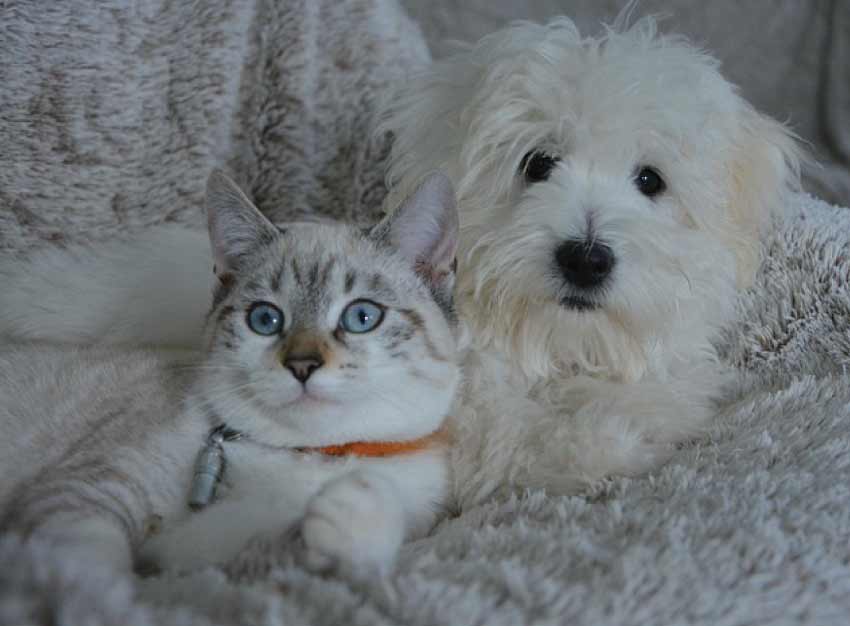
 

Can a cat get pregnant by a dog?

Can a cat get pregnant by a dog?

Introduction: Can a cat get pregnant by a dog?

Whether a cat can get pregnant by a dog is a common misconception that often generates curiosity and confusion. It’s essential to clarify that cats and dogs are two distinct species with different reproductive systems, making interspecies pregnancy biologically impossible in the traditional sense.

Cats belong to the Felidae family, while dogs are members of the Canidae family. These two families are separated by millions of years of evolutionary divergence, resulting in significant genetic and physiological differences between the two species.

For pregnancy to occur, successful reproduction typically requires mating two individuals from the same species. Within each species, the reproductive mechanisms, including the structure of the reproductive organs, the timing of fertility cycles, and the genetic compatibility, are finely tuned to ensure the propagation of their respective species.

Cats have a unique reproductive system where female cats, also known as queens, go through a heat cycle, also called estrus, during which they become fertile and receptive to mating with male cats, known as toms. Dogs have their reproductive cycle, and female dogs, called bitches, go through estrus, during which they can mate with male dogs.

Attempts at interspecies mating, such as between a cat and a dog, are improbable to result in pregnancy. Even if mating did take place, it is usually impossible for an egg to be fertilized and a healthy offspring to develop due to genetic incompatibilities between the two species.

In conclusion, due to the considerable genetic and physiological differences between the two species, the thought of a cat becoming pregnant by a dog is biologically improbable. Successful reproduction generally requires mating within the same species, and attempts at interspecies mating are unlikely to result in pregnancy. Pet owners need to understand the basics of their pets’ reproductive systems to prevent unintended pregnancies and ensure the well-being of their animals.


Exploring the possibility of crossbreeding between cats and dogs

Crossbreeding between cats and dogs is not biologically possible. Cats and dogs belong to different genera and families within the animal kingdom, and they have distinct genetic differences that prevent them from successfully mating and producing offspring together. 

Dogs belong to the Canidae family, whereas cats are Felidae members. Since these two families have evolved independently for millions of years, there are substantial genetic differences that prevent intermarriage.

Even if attempts were made to inseminate a cat with dog sperm or vice versa artificially, the genetic incompatibilities at the chromosomal and molecular levels would prevent successful fertilization and the development of a hybrid offspring.

While crossbreeding between cats and dogs is not possible, there are hybrid animals like the Savannah cat (a cross between a domestic cat and a serval, a wild African cat) and the wolfdog (a cross between a trained dog and a wolf) that have been created through selective breeding. However, these hybrids still belong to the same family and share more recent common ancestry, making them more genetically compatible than cats and dogs, which belong to entirely different families. 

These hybrid animals often come with unique challenges and are subject to legal restrictions in many places due to concerns about their behavior and care requirements.

In summary, crossbreeding between cats and dogs is not a feasible biological possibility due to their significant genetic differences, and any claims of such hybrids are likely based on misconceptions or myths.

Understanding the reproductive systems of cats and dogs

Cats and dogs have distinct reproductive systems, reflecting their species and evolutionary backgrounds. Here’s an overview of the reproductive systems of both animals:

Reproductive System of Cats:

Female Cats (Queens):

Ovulation: Cats are induced ovulators, which release eggs from their ovaries in response to mating. They do not have a regular estrous cycle like many other mammals.

Estrous Cycle: Female cats have a variable-length estrous cycle, typically ranging from a few days to a few weeks. During estrus (when fertile), they may exhibit increased vocalization and affection toward males.

Gestation: The gestation period for cats is approximately 63-65 days.

Litter Size: Litter size can vary but usually ranges from 1 to 8 kittens, with an average of 3 to 5.

Male Cats (Toms):

Testes: Male cats have two testes located in the scrotum.

Sperm Production: They produce sperm continuously once they reach sexual maturity.

Penetration and Copulation: Male cats have barbed penises that help stimulate ovulation in females during mating. Copulation is a brief and sometimes noisy process.

Reproductive System of Dogs:

Female Dogs (Bitches):

Ovulation: Dogs are also induced ovulators, releasing eggs from their ovaries in response to mating.

Estrous Cycle: Female dogs typically have a regular estrous cycle every 6-12 months, depending on the breed and individual. The process consists of four stages: proestrus, estrus, diestrus, and anestrus. The estrus phase is when they are fertile and show behavioral signs like a swollen vulva and a willingness to mate.

Gestation: The gestation period for dogs is approximately 63 days.

Litter Size: Litter size varies widely among breeds, with smaller dogs generally having fewer puppies (2-4) and larger breeds having larger litters (6-12).

Male Dogs (Dogs):

Testes: Male dogs have two testes located in the scrotum.

Sperm Production: They produce sperm continuously once they reach sexual maturity.

Penetration and Copulation: Male dogs have a non-barbed penis, and copulation can last longer than in cats.

It’s important to note that cats and dogs can reproduce if they are not spayed or neutered, which is the surgical sterilization of animals to prevent unwanted pregnancies. Responsible pet ownership often involves controlling the breeding of cats and dogs through spaying and neutering to manage population control and reduce the number of homeless animals.


Pregnancy possibilities

Pregnancy results from the successful fertilization of an egg by sperm, leading to the development of an embryo that eventually implants into the uterus and grows into a fetus. However, the specifics of pregnancy can vary among species, including cats and dogs. Let’s explore the possibilities of pregnancy in these two animals:

Cats:

Pregnancy Possibility: Female cats (queens) can become pregnant if they mate with a male cat (tom) during their fertile period, known as estrus or heat. During this time, a queen is receptive to mating, and if she mates successfully, fertilization can occur.

Estrus Cycle: Cats have a variable-length estrous cycle, and the frequency of their heat cycles depends on various factors such as age, health, and environmental conditions. Some cats can go into heat as often as every two weeks, while others may have longer intervals between cycles.

Induced Ovulation: Cats are induced ovulators, which release eggs from their ovaries in response to mating. This process is different from species with regular menstrual cycles.

Gestation Period: The gestation period for cats is approximately 63-65 days.

Dogs:

Pregnancy Possibility: Female dogs (bitches) can become pregnant if they mate with a male dog (dog) during their fertile period, which occurs during the estrus phase of their reproductive cycle.

Estrous Cycle: Dogs typically have a regular estrous cycle, and the frequency of heat cycles varies among breeds and individual dogs. Smaller dogs may cycle more frequently than larger breeds.

Induced Ovulation: Like cats, dogs are also induced ovulators, meaning they release eggs in response to mating.

Gestation Period: The gestation period for dogs is approximately 63 days, although it can vary slightly depending on the breed and individual.

It’s important to note that responsible pet ownership often involves managing the reproductive health of cats and dogs through spaying (removing the ovaries and uterus in females) and neutering (removing the testes in males) to prevent unwanted pregnancies. Spaying and neutering are commonly performed procedures to control population growth and provide various health benefits to pets.

Suppose you have concerns about the reproductive health of your cat or dog or are considering breeding.

The concept of hybridization

Hybridization, in biology and genetics, refers to breeding two individuals of different species, subspecies, or closely related populations to create offspring with a combination of characteristics from both parents. Hybrids can occur naturally in the wild or be intentionally produced through controlled breeding. Here are some critical aspects of hybridization:

Natural Hybridization: In the natural world, hybridization can occur when two species or populations with overlapping ranges interbreed. This can result in hybrid offspring with characteristics from both parent species. Natural hybridization is often more common in plants but can also occur in animals.

Artificial Hybridization: Humans can intentionally crossbreed different individuals or species to produce hybrids with specific traits or characteristics. Agriculture commonly does this to develop new plant varieties or animal breeds with desirable features.

Hybrid Vigor: In some cases, hybrid offspring may exhibit enhanced traits or fitness compared to their purebred parents. This phenomenon is known as hybrid vigor or heterosis. It can lead to hybrids being more robust, having better growth rates, or being more resistant to diseases and environmental stressors.

Hybrid Zones: In regions where two closely related species overlap in their ranges, hybrid zones can form. These are areas where hybridization occurs regularly. Hybrid zones can provide valuable insights into the process of speciation and the genetic exchange between populations.

Conservation: Hybridization can sometimes have adverse effects on conservation efforts. When endangered species hybridize with closely related, more abundant species, it can lead to genetic swamping, where the genetic identity of the endangered species is diluted. Conservationists often work to prevent such hybridization to protect the genetic integrity of endangered populations.

Interspecific and Intraspecific Hybridization: Interspecific hybridization involves breeding between two different species, while intraspecific hybridization occurs within a single species, typically between diverse populations or subspecies.

Examples: Some common examples of hybrids include mules (the offspring of a horse and a donkey), ligers (the offspring of a male lion and a female tiger), and hybrid plants like the plumcot (a cross between a plum and an apricot).

It’s important to note that hybridization can have both positive and negative ecological and genetic consequences. While it can lead to the creation of new genetic diversity and adaptive traits, it can also pose challenges to preserving species purity in conservation efforts. 

The outcomes of hybridization depend on the specific species involved, their genetics, and the ecological context in which it occurs.


Debunking common myths and misconceptions

Certainly, debunking common myths and misconceptions is essential for promoting accurate information and understanding. Here are some common myths and misconceptions in various areas, along with explanations to correct them:

Myth: We only use 10% of our brains.

Fact: This is a widespread myth. Neuroimaging studies have shown that most parts of the brain are active, and each area has specific functions. Scientific evidence does not support the idea that we only use a small fraction of our brains.

Myth: People swallow an average of eight spiders per year while sleeping.

Fact: This is a false urban legend. Spiders are not inclined to crawl into people’s mouths while they sleep. The myth likely originated as a cautionary tale to discourage people from leaving their mouths open while sleeping.

Misconception: Bats are blind.

Fact: Bats are not blind. Most species of bats have eyes and can see, although their vision may vary. Bats primarily rely on echolocation, a sophisticated sound wave system, to navigate and locate prey.

Misconception: You can “sweat out” toxins.

Fact: Sweat primarily consists of water, salt, and small amounts of other substances. While sweating helps regulate body temperature, it is not an effective mechanism for eliminating toxins from the body. The liver and kidneys are responsible for detoxification.

Myth: The Great Wall of China is visible from space.

Fact: While the Great Wall of China is an impressive human-made structure, it is not visible to the naked eye from space. Astronauts and cosmonauts have reported that it is not easy to see without telescopic lenses.

Misconception: Bulls are enraged by the color red.

Fact: Bulls are colorblind to red. During bullfighting, the movement of the matador’s cape (muleta) agitates them, not its color. The red color is used for dramatic effect but does not impact the bull’s behavior.

Myth: Lightning never strikes the same place twice.

Fact: Lightning can strike the same place multiple times. Tall structures, like skyscrapers and lightning rods, are often struck repeatedly because they provide a path of least resistance for lightning to reach the ground.

Misconception: Shaving hair makes it grow thicker and darker.

Fact: Shaving does not change the thickness or color of hair. It may appear coarser when it grows back because the tip is blunt, but it eventually tapers to its natural thickness.

Myth: People only use one side of their brain—left or right—for thinking.

Fact: Both sides of the brain are active and involved in various cognitive functions. While some parts may be more localized to one hemisphere, brain activity is highly interconnected.

Misconception: Goldfish have a three-second memory.

Fact: Goldfish have a longer memory span than commonly believed. Studies have shown that they can remember things for weeks or even months, depending on the conditions.

Debunking these myths and misconceptions helps foster a more accurate understanding of the world and promotes critical thinking. It’s essential to rely on evidence-based information and be skeptical of widely held beliefs that lack scientific support.


Dog wet the bed but not urine

Dog wet the bed but not urine

Possible causes of bed wetting in dogs

Bedwetting in dogs, also known as urinary incontinence, can have various causes. It’s essential to identify the underlying reason to address the issue adequately. Here are some common causes of bed wetting in dogs:

Age-related Changes: As dogs age, their bladder muscles may weaken, leading to incontinence. This is more common in senior dogs and is known as senile or geriatric incontinence.

Hormonal Imbalances: Hormonal fluctuations, particularly in spayed female dogs, can lead to urinary incontinence. This is often caused by a lack of estrogen, which can weaken the muscles controlling the bladder.

Urinary Tract Infections (UTIs): Infections in the urinary tract can irritate the bladder and cause involuntary urination. UTIs are more common in female dogs but can affect males as well.

Bladder Stones: Stones or crystals in the bladder can cause discomfort and lead to incontinence. The irritation can make a dog unable to control their urination.

Neurological Issues: Neurological disorders or injuries that affect the nerves controlling the bladder can result in incontinence. This can be due to conditions like spinal cord injuries or degenerative myelopathy.

Medications: Some medications or drugs can cause increased thirst and urination, leading to bed wetting. It’s essential to consult with your veterinarian if your dog is on any medications.

Anatomical Abnormalities: Certain structural issues in the urinary tract, such as congenital abnormalities or tumors, can cause incontinence.

Behavioral Causes: Anxiety, stress, or changes in routine can lead to temporary incontinence, especially in puppies or dogs undergoing behavioral changes.

Overflow Incontinence occurs when the bladder is overly full and leaks small amounts of urine. A blocked urethra, nerve damage, or other medical conditions can cause it.

Dietary Factors: Poor diet or food allergies can sometimes lead to gastrointestinal issues, including diarrhea and bed wetting.

If your dog is experiencing bed wetting, it’s essential to consult with a veterinarian. They can perform a thorough examination, run diagnostic tests, and determine the underlying cause of the incontinence. 

Depending on the diagnosis, treatment options may include medication, dietary changes, surgery (in some cases), or behavioral modification techniques. Early intervention can help manage or resolve the issue, improving your dog’s quality of life.

Medical conditions to consider

When a dog is experiencing bed wetting or urinary incontinence, several medical conditions could be responsible. Consulting with a veterinarian for a proper diagnosis and treatment is crucial. Here are some medical conditions to consider:

Urinary Tract Infection (UTI): UTIs are common in dogs and can lead to frequent urination, discomfort, and incontinence.

Bladder Stones or Crystals: The presence of stones or crystals in the bladder can cause irritation and blockage, resulting in incontinence.

Hormonal Imbalances: Conditions such as hypothyroidism or Cushing’s disease can affect hormone levels, leading to incontinence.

Neurological Disorders: Conditions like degenerative myelopathy, intervertebral disc disease, or nerve injuries can disrupt nerve signals to the bladder, causing incontinence.

Prostate Issues: In intact (non-neutered) male dogs, prostate problems, such as enlargement or infection, can lead to incontinence.

Congenital Abnormalities: Some dogs are born with structural abnormalities in the urinary tract that can cause incontinence.

Spinal Cord Disease or Injury: Damage to the spinal cord can disrupt the communication between the brain and the bladder, resulting in incontinence.

Cancer: Tumors in the urinary tract, including the bladder or urethra, can lead to incontinence.

Medication Side Effects: Some medications can cause increased thirst and urination, leading to incontinence as a side effect.

Age-Related Incontinence: Older dogs may experience incontinence due to weakened bladder muscles.

Anxiety or Stress: Behavioral factors like anxiety or stress can sometimes lead to temporary incontinence.

Dietary Sensitivities or Allergies: Certain food allergies or sensitivities can result in gastrointestinal issues, including diarrhea, which can contribute to incontinence.

To determine the specific cause of your dog’s incontinence, your veterinarian may perform various diagnostic tests, such as urinalysis, blood tests, ultrasound, x-rays, or even a neurological examination. 

Treatment options depend on the underlying condition but may include medications, dietary changes, surgery, or behavioral modifications.

Early diagnosis and appropriate treatment can help manage or resolve incontinence, improving your dog’s quality of life. It’s essential to consult with a veterinarian for a thorough evaluation and guidance on the best course of action.


Behavioral factors to address

Behavioral factors can contribute to or exacerbate urinary incontinence in dogs. While many cases of incontinence have underlying medical causes, addressing behavioral characteristics can be essential to managing the condition. 

Here are some behavioral factors to consider and ways to address them:

Anxiety and Stress:

  • Anxiety and stress can lead to incontinence in dogs. It’s essential to identify and address the source of stress, including changes in the household, new pets, or loud noises.
  • Provide your dog with a calm and secure environment, with a designated safe space where they can retreat when stressed.
  • Consider behavior modification techniques, such as desensitization and counterconditioning, to reduce anxiety triggers.

Submissive or Excitement Urination:

  • Some dogs may urinate when they are excited or when they feel submissive. This often happens when greeting people or other dogs.
  • Avoid overwhelming your dog with excitement when you come home or meet new people or pets.
  • Encourage calm greetings and avoid confrontational or intimidating postures or actions.

Marking Behavior:

  • Marking behavior can be a behavioral issue where a dog urinates small amounts to mark territory.
  • Spaying or neutering may help reduce observing behavior in intact dogs.
  • Consistent training and reinforcing appropriate elimination spots can also help.

Incomplete House Training:

  • Some dogs may have never been properly house-trained or may regress in their training.
  • Revisit basic house training methods, including consistent schedules, positive reinforcement, and crate training if necessary.
  • Reward your dog for going to the appropriate outdoor spot.

Cognitive Dysfunction:

  • Older dogs may experience cognitive dysfunction (similar to dementia in humans) and difficulty controlling their bladder.
  • Provide a structured routine and consider environmental modifications to accommodate cognitive changes.
  • Consult your veterinarian about medications or supplements that may help manage cognitive dysfunction.

Inappropriate Elimination Due to Aging:

  • As dogs age, they may have difficulty holding their bladder for extended periods.
  • Provide more frequent opportunities for your senior dog to go outside.
  • Use senior-friendly amenities, such as ramps or easy access to the outdoors.

Attention-Seeking Behavior:

  • Some dogs may urinate inappropriately to get attention or express frustration.
  • Ensure your dog receives enough mental and physical stimulation and is alert throughout the day.
  • Avoid punishing or scolding your dog for accidents, as this can increase anxiety.

Working closely with a veterinarian and possibly a professional dog trainer or behaviorist is essential to address behavioral factors contributing to incontinence. A comprehensive approach, including medical evaluation and behavior modification, can help manage or resolve the issue effectively while ensuring your dog’s well-being.

Age-related factors

Age-related factors can significantly impact a dog’s urinary and bladder control, potentially leading to incontinence. As dogs age, their bodies undergo various changes that affect their ability to hold urine and power when and where they urinate. 

Here are some age-related factors to consider:

Weakening Bladder Muscles: As dogs age, the bladder muscles can sag, making it more challenging to hold urine for extended periods. This weakening can lead to urinary incontinence, where a dog may dribble or leak urine without realizing it.

Reduced Muscle Tone: Along with bladder muscles, the muscles that control the urethra may also lose tone with age. This can result in decreased control over the release of urine.

Arthritis and Mobility Issues: Older dogs may develop arthritis or other mobility problems that make reaching the door difficult or letting you know when they need to go outside. This can lead to accidents indoors.

Cognitive Dysfunction: Cognitive dysfunction syndrome (similar to dementia in humans) is common in senior dogs. Dogs with cognitive dysfunction may forget their house training or may not recognize when they need to eliminate.

Medications: Older dogs are more likely to be on medications for various age-related health issues. Some medications can increase thirst and urine production, potentially contributing to incontinence.

Hormonal Changes: Hormonal changes associated with aging, such as decreased estrogen in spayed females, can weaken bladder control muscles and cause incontinence.

Increased Frequency of Urination: Older dogs may need to urinate more frequently, and their bladders may not hold as much urine as they did when they were younger.

Addressing Age-Related Incontinence:

Regular Vet Checkups: Regular veterinary checkups are essential for senior dogs to detect and manage age-related issues early.

Medications: Depending on the underlying cause, your veterinarian may prescribe medications to help manage incontinence. These can include hormone replacement therapy, muscle-strengthening medications, or medications to reduce urine production.

Diet and Nutrition: Feeding a senior-specific diet can help support your dog’s overall health and may include ingredients that promote urinary health.

Frequent Bathroom Breaks: Older dogs may need more frequent trips outside to relieve themselves. Be attentive to your dog’s cues and offer them more opportunities to go out.

Environmental Adaptations: Make your home senior-dog friendly by providing ramps or easy access to outdoor areas. Consider using doggie diapers or protective pads if incontinence becomes a significant issue.

Behavioral Support: Dogs with cognitive dysfunction may benefit from a structured routine and environmental enrichment. Consult your veterinarian about strategies and medications to help manage cognitive dysfunction.

Always consult with your veterinarian when dealing with age-related incontinence in your dog. They can assess the situation, recommend appropriate treatments, and help you adjust your dog’s care to ensure their comfort and quality of life in their senior years.


Steps to address the issue

Addressing urinary incontinence in dogs involves a systematic approach that considers medical and behavioral factors. Here are steps you can take to address the issue:

Consult a Veterinarian:

  • The first and most crucial step is to consult with a veterinarian. They can perform a thorough examination, run diagnostic tests, and determine the underlying cause of the incontinence. This is essential to develop an effective treatment plan.

Follow Medical Recommendations:

  • If a medical condition is identified as the cause of incontinence, follow your veterinarian’s treatment recommendations. This may include medications, surgery, dietary changes, or other medical interventions.

Maintain a Consistent Schedule:

  • Establish a consistent daily routine for your dog, including regular meal times, bathroom breaks, and exercise. Predictability can help reduce accidents.

Frequent Bathroom Breaks:

  • Take your dog outside for bathroom breaks more frequently, especially if they are older or have a medical condition that affects bladder control. Be patient and allow them plenty of time to urinate.

Use Doggie Diapers or Belly Bands:

  • Consider using doggie diapers or belly bands to manage incontinence and protect your home’s surfaces. Please make sure they are comfortable for your dog and changed regularly.

Designate a Bathroom Area:

  • Create a designated bathroom area in your yard, and encourage your dog to use that spot consistently. Use positive reinforcement, such as treats and praise, when they are eliminated in the correct area.

Behavioral Modification:

  • If behavioral factors contribute to the incontinence, work with a professional dog trainer or behaviorist to address anxiety, stress, or other behavioral issues.

Maintain Hygiene:

  • Keep your dog clean and dry. Frequent baths and grooming can help prevent skin irritation or infections caused by urine exposure.

Environmental Modifications:

  • Make your home senior or incontinence-friendly by using baby gates to restrict access to certain areas and placing protective coverings or pads on furniture or bedding.

Cognitive Dysfunction Management:

  • If cognitive dysfunction is a factor, provide mental stimulation, keep your dog active, and consider medication options recommended by your vet.

Monitor Water Intake:

  • Keep track of your dog’s water intake, especially if medications or certain health conditions necessitate monitoring their fluid intake.

Reassurance and Comfort:

  • Be patient and understanding with your dog. Incontinence can be stressful for both you and your pet. Maintain a loving and supportive environment to reduce anxiety.

Regular Vet Checkups:

  • Continue to schedule regular vet checkups to monitor your dog’s progress and adjust treatment as needed.

Remember that addressing incontinence can be a process that requires patience and ongoing care. The specific steps to address the issue depend on the underlying cause and your dog’s needs. Consult with your veterinarian and, if necessary, seek guidance from a certified dog trainer or behaviorist to develop a customized plan that best addresses your dog’s incontinence issue.


Tips for preventing bed wetting in dogs

Preventing bedwetting in dogs involves a combination of proactive measures and addressing potential underlying causes. Here are some tips to help prevent bed wetting in your dog:

Regular Veterinary Checkups:

  • Schedule routine checkups with your veterinarian to monitor your dog’s overall health, especially as they age. Early detection and management of medical conditions can prevent incontinence.

Proper House Training:

  • Ensure your dog is adequately house-trained. Use positive reinforcement techniques, such as treats and praise, to reward good behavior when they are eliminated outside.

Establish a Consistent Routine:

  • Maintain a regular daily schedule for feeding, bathroom breaks, and exercise. Dogs thrive on predictability, and a consistent routine can help prevent accidents.

Frequent Bathroom Breaks:

  • Take your dog outside for bathroom breaks more frequently, especially if they are puppies, seniors, or have a medical condition affecting bladder control.

Limit Water Intake at Night:

  • Restrict access to water in the hours leading up to bedtime, but ensure your dog has access to water during the day to stay hydrated.

Potty Breaks Before Bed:

  • Take your dog outside for a final bathroom break right before bedtime to reduce the likelihood of nighttime accidents.

Properly Sized Crate:

  • If you use a crate for house training or containment, ensure it’s appropriately sized. A box should be large enough for your dog to stand, turn around, and lie down but not so spacious that they can be eliminated in one corner and sleep in another.

Monitor Diet:

  • Feed your dog a balanced diet appropriate for their age and health needs. Discuss dietary considerations with your veterinarian, as certain foods may support urinary health.

Regular Exercise:

  • Engage your dog in routine physical and mental exercise to keep their muscles and cognitive function in good condition.

Spaying or Neutering:

  • Consider spaying or neutering your dog, as this can reduce the risk of specific hormonal-related incontinence issues, especially in females.

Medication Management:

  • If your dog is on medications that increase thirst or urination, consult your veterinarian about the timing and dosage to minimize accidents.

Behavioral Training:

  • Address anxiety, stress, or behavioral issues that may contribute to incontinence through training and behavior modification techniques.

Hygiene and Cleanliness:

  • Keep your dog clean and dry, especially if they have experienced accidents. Frequent grooming and bedding changes can help prevent skin irritation and infections.

Provide Access to Outdoor Areas:

  • Ensure your dog has easy access to outdoor areas for bathroom breaks, especially if you live in an apartment or have limited outdoor space.

Consult with a Professional: If you’re having difficulty preventing bedwetting despite following these tips, consult a veterinarian, certified dog trainer, or behaviorist for personalized guidance and solutions.

Remember that preventing bedwetting in dogs may require patience and consistency. Identifying and addressing any underlying medical issues and providing proper training and care to help your dog maintain reasonable bladder control is essential.


Conclusion: Empowering dog owners to tackle the issue

Empowering dog owners to tackle the issue of bed wetting in their pets is crucial for the well-being of both the dogs and their human companions. By understanding the possible causes and implementing effective strategies, dog owners can make a significant difference in managing or resolving this challenging problem.

Here’s a summary of the key points to empower dog owners:

Knowledge is Key: Educate yourself about the potential causes of bed wetting in dogs, both medical and behavioral. Recognizing the underlying issue is the first step in finding a solution.

Consult with a Veterinarian: Seek professional guidance from a veterinarian to diagnose the specific cause of your dog’s incontinence. Veterinary expertise is invaluable in determining the appropriate treatment plan.

Follow Medical Recommendations: If a medical condition is identified, adhere to the treatment plan prescribed by your veterinarian. Medications, dietary changes, or surgical interventions may be necessary to address the root cause.

Establish a Routine: Create a consistent daily schedule for your dog, including regular feeding times, bathroom breaks, and exercise. Routine helps reduce the likelihood of accidents.

Behavioral Training: Address any behavioral factors contributing to incontinence through positive reinforcement training, behavioral modification techniques, or consultations with professional dog trainers or behaviorists.

Proper Hygiene: Keep your dog clean and comfortable, especially if they experience accidents. Regular grooming and clean bedding are essential for their well-being.

Environmental Adaptations: Make necessary modifications to your home environment, such as using doggie diapers, installing ramps for accessibility, and creating designated bathroom areas.

Stay Patient and Supportive: Incontinence can be frustrating, but maintaining patience and a loving environment is essential for your dog’s emotional well-being.

Regular Vet Checkups: Continue scheduling regular veterinary checkups to monitor your dog’s progress and adjust the treatment plan as needed.

Educate Others: Share your knowledge and experiences with fellow dog owners and advocate for responsible pet ownership. Your insights can help others facing similar challenges.

Empowering dog owners to tackle bed wetting in their pets involves a holistic approach that combines medical care, training, and a supportive environment. By taking proactive steps and seeking professional guidance, dog owners can help improve their dog’s quality of life and strengthen their bond with their beloved canine companions.


My dog is walking really slow and looks weak

My dog is walking really slow and looks weak

Possible reasons for a dog strolling and appearing weak

There are several potential reasons why a dog might be ambling and appearing weak. It’s important to note that I’m not a veterinarian, so if you’re concerned about your dog’s health, it’s always best to consult a professional veterinarian for an accurate diagnosis and appropriate treatment. That said, here are some possible reasons for these symptoms:

Pain or Injury: Dogs can experience pain or discomfort for various reasons, such as muscle strains, joint issues, fractures, or other injuries. Pain can lead to reluctance to move quickly and a generally weaker appearance.

Arthritis: Arthritis is a common condition in older dogs. It can cause stiffness, pain, and reduced mobility, leading to slower movements and a weaker overall demeanor.

Infection or Illness: Viral or bacterial infections, as well as other illnesses, can cause lethargy, weakness, and slow movements. Conditions like Lyme disease or parvovirus can exhibit these symptoms.

Dehydration or Malnutrition: If a dog is dehydrated or not receiving adequate nutrition, it can lead to weakness, lethargy, and a lack of energy.

Heart Issues: Heart problems, such as congestive heart failure, can lead to reduced stamina, shortness of breath, and overall weakness.

Respiratory Problems: Conditions like pneumonia or other respiratory infections can make breathing difficult for a dog, resulting in slower movements and apparent weakness.

Neurological Disorders: Neurological issues, like nerve damage or certain diseases, can affect a dog’s coordination, leading to slow and unsteady movements.

Anemia: Anemia, a condition characterized by a low red blood cell count, can result in fatigue, weakness, and reduced ability to engage in physical activity.

Toxicity: Ingesting toxic substances, plants, or medications can lead to various symptoms, including weakness, lethargy, and difficulties in movement.

Chronic Conditions: Certain chronic conditions like hypothyroidism or Cushing’s disease can lead to a dog feeling weak and moving slowly.

Stress or Anxiety: Dogs experiencing high pressure or anxiety levels may exhibit behaviors like moving slowly and appearing weak.

Heat Stroke: In hot weather, dogs can suffer heat stroke, causing weakness, heavy panting, and sluggish movements.

Cancer: Some forms of cancer can cause general weakness and lethargy in dogs.

Age: As dogs age, they naturally experience a decline in energy levels, muscle tone, and overall physical ability.

Ingestion of Foreign Objects: If a dog has ingested something causing an obstruction or digestive issues, it might move slowly and seem weak.

 Your vet may need to perform diagnostic tests, physical examinations, and possibly imaging to pinpoint the issue accurately.


Signs to look for in a dog that is walking slowly and appearing weak

When your dog is walking slowly and appearing weak, observing their behavior and other physical signs is essential to help determine the underlying cause. Here are some signs to look for:

Lethargy: If your dog is unusually inactive, lacks interest in activities, and sleeps more than usual, it’s a sign of boredom.

Difficulty Standing Up: If your dog struggles to stand up from a lying or sitting position, it could indicate pain or weakness.

Unsteady Gait: If your dog’s movements seem uncoordinated or wobbly, it might be experiencing balance issues.

Reluctance to Walk or Move: If your dog hesitates to walk, avoids specific movements, or seems hesitant, it could be due to pain or discomfort.

Stiffness: Dogs with joint issues or arthritis often display stiffness, especially after rest periods.

Visible Pain: Watch for signs of pain such as whimpering, whining, panting excessively, or vocalizing when moving.

Shortness of Breath: Labored breathing or panting excessively, even with minimal activity, can suggest respiratory or cardiovascular problems.

Reduced Appetite: A decreased appetite or lack of interest in food might indicate an underlying health issue.

Changes in Behavior: If your dog seems irritable, unusually aggressive, or withdrawn, it could be due to discomfort or pain.

Changes in Posture: An arched back, hunched shoulders, or a lowered head might indicate pain or discomfort.

Swelling or Lumps: Check for any abnormal lumps, bumps, or streaming on your dog’s body, which could be indicative of various health issues.

Pale Gums: Gums that appear pale or discolored might indicate anemia or other health problems.

Temperature: A fever could indicate infection or other health concerns. The average canine body temperature is 100.5 to 102.5 degrees Fahrenheit (38 to 39.2 degrees Celsius).

Excessive Drooling: Unusual drooling could indicate nausea, dental issues, or other problems.

Changes in Urination or Defecation: Difficulty or changes in urination or bowel movements might suggest internal issues.

Changes in Weight: Rapid weight loss or gain could indicate underlying health problems.

Weakness or Collapsing: If your dog’s legs give out, it signifies significant weakness.

Eye or Nose Discharge: Unusual eye or nose discharge could indicate infection or other issues.

Vomiting or Diarrhea: Persistent vomiting or diarrhea can lead to dehydration and weakness.

Changes in Vocalization: Whining, yelping, or other unusual vocalizations could indicate pain or distress.

Remember that these signs can indicate various health issues, and it’s essential to consult a veterinarian for an accurate diagnosis. Your vet can perform a thorough examination, ask about your dog’s history, and conduct any necessary tests to determine the underlying cause of your dog’s symptoms.


Steps to take if your dog is walking slowly and looking weak

If your dog is walking slowly and looking weak, it’s essential to take prompt action to ensure their well-being. Here are the steps you should consider:

Observe: Pay close attention to your dog’s behavior and physical symptoms. Take note of any other accompanying signs, such as vomiting, diarrhea, difficulty breathing, or changes in appetite.

Ensure Safety: Ensure your dog is in a safe and comfortable environment. Avoid strenuous activities that might worsen their condition.

Contact a Veterinarian: Reach out to your veterinarian as soon as possible. Explain the symptoms you’ve observed and follow their advice. If it’s during regular business hours, call the clinic to schedule an appointment. Consider finding an emergency veterinary clinic if it’s after hours, or your vet is unavailable.

Limit Activity: Restrict your dog’s physical activity until you can consult with a vet. Avoid walks, playtime, or any activities that strain their weakened state further.

Monitor Vital Signs: Monitor your dog’s temperature, heart rate, and breathing. Abnormal readings could indicate serious issues.

Hydration: Ensure your dog has access to clean, fresh water. Dehydration can exacerbate weakness.

Isolate If Necessary: If your dog’s condition might be contagious to other pets, consider isolating them to prevent the spread of potential illnesses.

Collect Information: Be ready to provide your vet with important information about your dog’s recent history, changes in diet, medications, vaccinations, or exposure to toxins.

Keep Calm: Your dog can pick up on your emotions. Stay calm and reassuring to help reduce their stress.

Follow the Vet’s Advice: Follow their guidance carefully after consulting with the vet. They recommend immediate treatment, home care, or bringing your dog in for an examination.

Transport Safely: If the vet advises you to bring your dog in for an examination, ensure their safe transportation. Consider using a pet carrier to minimize movement if your dog is weak or in pain.

Emergency Situations: If your dog’s condition suddenly worsens, they have difficulty breathing, collapse, or experience severe pain, contact an emergency veterinarian immediately.

Remember, while it’s natural to want to help your dog at home, a professional veterinary evaluation is crucial to accurately diagnose the cause of their symptoms and provide appropriate treatment. If in doubt, always consult a veterinarian for guidance.

Preventive measures to maintain your dog’s health and vitality

Maintaining your dog’s health and vitality requires proper care, attention, and preventive measures. 

Here are some critical steps you can take to ensure your dog’s well-being:

Regular Veterinary Check-ups: Schedule routine veterinary visits for wellness exams, vaccinations, and preventive care. Regular check-ups can help catch potential health issues early and ensure your dog’s vaccinations are current.

Balanced Diet: Provide a well-balanced, age-appropriate diet that meets your dog’s nutritional needs. Consult your veterinarian for recommendations on portion sizes and types of food.

Hydration: Always keep fresh and clean water for your dog to drink. Proper hydration is crucial for overall health.

Regular Exercise: Engage your dog in regular physical activity to maintain a healthy weight and promote cardiovascular health. The type and amount of exercise will depend on your dog’s breed, age, and needs.

Mental Stimulation: Mental exercise is as important as physical exercise. Use puzzle toys, training sessions, and interactive games to stimulate your dog mentally.

Dental Care: Practice regular dental hygiene by brushing your dog’s teeth, providing dental chews, and scheduling professional dental cleanings as your vet recommends. Dental health contributes to overall well-being.

Grooming: Regular grooming sessions, including brushing, bathing, nail trimming, and ear cleaning, help prevent skin issues and keep your dog looking and feeling their best.

Parasite Prevention: Protect your dog from fleas, ticks, and internal parasites by regularly using veterinarian-approved preventive treatments.

Vaccinations: Keep your dog’s vaccinations updated according to your veterinarian’s recommendations. Vaccinations are crucial for preventing various diseases.

Spaying/Neutering: If your dog isn’t intended for breeding, consider spaying or neutering. This can prevent specific health issues and reduce the risk of reproductive cancers.

Socialization: Socialize your dog from a young age to ensure they are comfortable and well-behaved around people, other animals, and various environments.

Training: Basic obedience training helps ensure your dog’s safety and strengthens your bond. It also provides mental stimulation and prevents behavior problems.

Provide a Safe Environment: Keep your home and yard safe for your dog by removing hazards, securing toxic substances, and providing a comfortable shelter.

Maintain a Healthy Weight: Obesity can lead to various health problems in dogs. Monitor your dog’s weight and adjust their diet and exercise routine accordingly.

Stress Management: Minimize stressors in your dog’s environment and provide a safe and secure space for them to retreat to when needed.

Regular Health Checks: Check your dog’s ears, eyes, nose, paws, and coat for signs of infections, wounds, or parasites.

High-Quality Dog Bed: Provide a comfortable and supportive bed for your dog to rest. Quality sleep is essential for overall health.

Age-Appropriate Care: Adjust your dog’s care routine as they age. Older dogs may need more frequent veterinary check-ups, specialized diets, and modified exercise routines.

Cognitive Health: Engage senior dogs in activities stimulating their mind and cognitive function, such as puzzle toys or simple training exercises.

Love and Attention: Spend quality time with your dog, provide affection, and build a strong bond. A loving environment contributes to your dog’s emotional well-being.

Remember that each dog is unique, so it’s important to tailor their care to their needs, breed characteristics, and any specific health considerations. Regular communication with your veterinarian and observing your dog’s behavior can help you make informed decisions about their care.


Conclusion: The importance of addressing your dog’s health concerns promptly

Addressing your dog’s health concerns promptly is paramount for their overall well-being and quality of life. 

Like humans, dogs can experience various health issues that, if left untreated, can lead to more severe complications. Here’s why taking swift action is crucial:


Early Detection: Many health problems are easier to treat when caught in their early stages. Regular check-ups and vigilant observation allow you to see potential issues before they escalate.

Preventing Progression: Addressing health concerns promptly can prevent the progression of diseases or conditions. Swift intervention might mitigate the severity of the issue and reduce the chances of complications.

Reducing Pain and Discomfort: Dogs may not always express their pain in apparent ways. Addressing health concerns promptly ensures that your dog doesn’t suffer unnecessarily and can lead to a quicker recovery.

Lowering Treatment Costs: Treating a minor health issue is often less expensive than dealing with advanced or chronic conditions that require more extensive medical interventions.

Maintaining Quality of Life: Prompt treatment helps your dog maintain a good quality of life. Unaddressed health concerns can significantly impact their ability to enjoy daily activities.

Preventing Spread of Illness: Some health issues, such as infections, can be contagious. Addressing them promptly can prevent the spread of illness to other pets or even to you.

Preserving Longevity: By taking quick action, you increase the chances of your dog leading a longer and healthier life.

Minimizing Stress: Addressing health concerns promptly reduces stress on your dog. Chronic discomfort or illness can affect their mental and emotional well-being.

Bond Strengthening: Your dog relies on you for care and support. Taking prompt action shows your commitment to their well-being and strengthens your bond.

Peace of Mind: Knowing that you’re actively caring for your dog’s health and promptly addressing any concerns can provide swiftly addressing any concerns can give peace of mind as a responsible pet owner.

In conclusion, your dog’s health is a top priority. Regular veterinary care, vigilant observation, and quick action when health concerns arise can ensure your beloved pet lives a happy, healthy, and fulfilling life.


Dog Nail Bent Sideways Bleeding

Dog Nail Bent Sideways Bleeding

The issue of a dog nail bent sideways.

A dog nail bending sideways can be a concerning issue that may lead to discomfort, pain, and potential complications if not addressed promptly. This condition is often called a “sideways nail” and can occur for various reasons. Let’s explore some possible causes, symptoms, and steps to address this problem:

Causes of Sideways Dog Nails:

Genetics: Some dogs are more prone to having nails that grow in irregular shapes due to their genetic makeup.

Injury: Trauma to the nail, such as accidentally catching it on a surface or getting it caught in something, can lead to the staple growing abnormally.

Nail Trimming Errors: Improper nail trimming can cause the nail to split or crack, leading to sideways growth.

Infection or Disease: Certain fungal infections or underlying health conditions can affect the nail’s growth and structure.

Symptoms of a Sideways Nail:

Visible Deformity: The most obvious sign is a nail that grows at an angle, either curving to the side or splitting.

Discomfort or Pain: Your dog may show pain or discomfort when walking or using the affected paw. Limping or avoiding putting weight on the foot are common indications.

Inflammation or Infection: A sideways nail can cause irritation and inflammation, potentially leading to infection if dirt and bacteria get trapped under the nail.

Addressing a Sideways Nail:

Visit the Veterinarian: If you notice that your dog’s nail is growing sideways, it’s essential to consult your veterinarian. They can accurately diagnose the issue and recommend the appropriate treatment.

Trimming and Maintenance: In some cases, the sideways growth can be corrected by carefully trimming the nail to encourage proper growth. A professional groomer or veterinarian should do this to avoid causing further harm.

Medication: If there’s an infection or inflammation, your veterinarian might prescribe antibiotics or other drugs to address the issue.

Possible Removal: In severe cases where the nail is causing significant discomfort or infection, your veterinarian might recommend partial or complete removal of the affected nail under anesthesia.

Prevention: Regular nail trimming and proper maintenance can help prevent the recurrence of sideways nails. Ensure that your dog’s nails are trimmed correctly and not allowed to become overly long.

It’s essential to address a sideways nail promptly to prevent further complications and ensure your dog’s comfort. If you’re unsure how to proceed or if you notice any signs of discomfort, contact your veterinarian for guidance. They can provide professional advice tailored to your dog’s specific situation.


Causes of a dog nail bending sideways

A dog’s nail bending sideways, also known as a “sideways nail,” can occur for several reasons. This condition can be uncomfortable or painful for the dog and may require attention. Here are some common causes of a dog nail bending sideways:

Genetics: Some dog breeds are more prone to nail abnormalities due to their genetics. A dog with naturally weak or brittle nails might be more likely to bend or break.

Injury: Trauma to the nail, such as catching it on a hard surface or getting it caught in something, can lead to a nail bending or growing in an irregular shape.

Nail Trimming Errors: Improper nail trimming, such as cutting the nail too short or at an angle, can cause the nail to weaken and bend as it grows.

Fungal Infection: Fungal infections, like onychomycosis, can affect the structure and growth of a dog’s nails. This could result in nails growing abnormally, including bending sideways.

Tumors or Growths: Sometimes, growths or tumors around the nail bed can impact how a nail grows, causing it to bend or deform.

Underlying Health Conditions: Certain medical conditions like metabolic disorders or hormonal imbalances can affect nail growth and quality, potentially leading to abnormal growth patterns.

Inflammation or Infection: If a nail bed becomes inflamed or infected, it can disrupt average nail growth and cause bending or deformities.

Chronic Pressure: Consistent pressure on the nail, such as from an ill-fitting or tight-fitting collar or harness, can lead to the nail bending over time.

Age and Wear: As dogs age, their nails become more brittle and prone to bending or breaking.

Managing Sideways Nails:

If your dog’s nail is bending sideways, addressing the issue promptly is essential to prevent discomfort, pain, and potential complications. Here are some steps you can take:

Consult a Veterinarian: If you suspect a nail issue, consult your veterinarian. They can diagnose the cause of the problem and recommend appropriate treatment.

Professional Trimming: If the nail is bent due to improper trimming, have a professional groomer or veterinarian trim the pin correctly.

Treatment for Underlying Issues: If an infection, injury, or underlying health condition is causing the nail to bend, your veterinarian will provide treatment options.

Regular Nail Maintenance: Properly trim your dog’s nails to prevent further bending and discomfort. Regular maintenance can help avoid nails becoming overly long or prone to damage.

Provide Comfort: If the nail bending is causing pain or discomfort, your veterinarian may suggest pain relief or anti-inflammatory medication.

Remember, each dog’s situation is unique, so it’s essential to consult a veterinarian for proper diagnosis and guidance on managing a dog nail that’s bending sideways.


Steps to take if you notice a dog nail bent sideways

If your dog’s nail is bent sideways, it’s essential to take prompt action to address the issue and ensure your dog’s comfort and well-being. Here are the steps you should consider taking:

Examine the Nail: Gently examine the bent nail to assess the severity of the issue. Check for signs of bleeding, inflammation, or infection around the nail.

Limit Activity: If the bent nail is causing your dog discomfort, limit its activity to prevent further strain on the affected nail.

Contact Your Veterinarian: Reach out to your veterinarian as soon as possible. Describe the issue and any symptoms you’ve observed. Your veterinarian will guide the next steps based on the severity of the situation.

Follow the Veterinarian’s Advice: Your veterinarian may recommend various options depending on the condition of the nail. These could include:

  • Trimming the Nail: If the nail is not severely damaged, your veterinarian might trim the nail to remove the bent portion and alleviate discomfort.
  • Pain Management: If your dog is experiencing pain, your veterinarian may suggest pain relief medication to keep them comfortable.
  • Antibiotics or Antiseptics: If there’s any sign of infection or inflammation, your veterinarian might prescribe antibiotics or recommend using antiseptic solutions to prevent disease.
  • Nail Removal: In extreme cases where the nail is severely damaged, your veterinarian might recommend partial or complete nail removal to prevent further complications.

Nail Care: Follow your veterinarian’s instructions for nail care. If the nail is partially removed, you must keep the area clean and apply any prescribed ointments.

Preventive Measures: Ensure your dog’s nails are regularly trimmed to an appropriate length to prevent future issues. If you need more time to cut them, consider having a professional groomer or veterinarian handle it.

Observe for Changes: Keep a close eye on the affected nail as it heals. Watch for signs of infection, such as increased redness, swelling, discharge, or your dog’s behavior indicating ongoing discomfort.

Comfort and Distraction: While your dog is recovering, provide comfort and distraction to keep their mind off the discomfort. Engage in activities they enjoy that don’t put additional strain on the affected paw.

Remember that every situation is unique, and the best course of action depends on your dog’s condition. Consulting your veterinarian is crucial to ensure proper diagnosis and appropriate treatment. Early intervention can help prevent further complications and ensure your dog’s comfort and recovery.

Prevention and care tips for dog nail health

Maintaining your dog’s nail health is essential for their well-being and comfort. Here are some prevention and care tips to ensure your dog’s nails stay healthy:

Prevention Tips:

Regular Nail Trimming: Trim your dog’s nails regularly to prevent them from becoming too long. The trimming frequency depends on your dog’s activity level and how quickly their nails grow. On average, every 2-4 weeks is a good guideline.

Start Early: Introduce your puppy to nail trimming from a young age to help them get used to it. This will make nail care less stressful for both you and your dog.

Use Proper Tools: Use high-quality dog nail clippers or grinders designed for your dog’s size. There are different types of clippers, including scissor-style and guillotine-style. Find the one that works best for you and your dog.

Know the Quick: Be aware of the quick, sensitive part of the nail that contains blood vessels and nerves. Cutting into the quick can cause bleeding and pain. Trim small portions at a time and stop if you see a pinkish area inside the nail.

Positive Association: Make nail trimming a positive experience by rewarding your dog with treats, praise, and petting. Associating nail care with positive things can help reduce anxiety.

Exercise and Outdoor Activities: Regular and outdoor activities on varied surfaces can naturally help wear down your dog’s nails and reduce the need for frequent trimming.

Care Tips:

Regular Inspection: Regularly inspect your dog’s nails for any signs of overgrowth, cracks, splits, or abnormalities. Catching issues early can prevent them from worsening.

Proper Technique: Learn the appropriate technique for nail trimming. Consider having a professional groomer or veterinarian demonstrate if you need more clarification.

Nail Grinding: Some dogs tolerate nail grinders better than clippers. Nail grinders file down the nails gradually, which can reduce the risk of cutting them quickly.

Moisturize Paw Pads: Keeping your dog’s paw pads moisturized can help prevent dryness and cracking, which could affect how nails interact with the ground.

Healthy Diet: A balanced diet rich in essential nutrients can improve nail health. Consult your veterinarian for dietary recommendations.

Regular Vet Visits: Ask your veterinarian to examine your dog’s nails during routine vet check-ups. They can provide advice on nail care and check for any underlying issues.

Avoid Concrete Wear: While some pavement walking can help naturally file nails, excessive walking on hard surfaces like concrete can cause nails to wear unevenly.

Use Paw Balm: Paw balm can help moisturize the paw pads and nails, preventing excessive drying and cracking.

Remember that every dog is unique, so adapt these tips to your dog’s needs and preferences. If you need clarification on nail care or notice any issues, consult your veterinarian or a professional groomer for guidance. Taking proactive steps can contribute to your dog’s overall comfort and health.


Cat Bites Neck of Other cat

Cat Bites Neck of Other cat

Understanding the potential reasons for the cat-biting incident

Cat Bites Neck of Other cat


A cat-biting incident can be caused by various factors, ranging from territorial instincts and defensive behaviors to fear, play aggression, or health issues. 

 Here are some common reasons for cat-biting incidents:

Fear or Stress: Cats can bite when they feel threatened or stressed. If a cat is cornered, frightened, or exposed to a new or unfamiliar environment, it might resort to biting as a defense mechanism to protect itself.

Play Aggression: Play aggression is common in cats, especially in kittens. They may bite during play because they haven’t learned to inhibit their bite strength. This behavior can be mistaken for aggression when it’s the cat’s way of engaging in interactive play.

Overstimulation: Cats can become overstimulated during petting or interaction. They might enjoy the attention initially but then become overwhelmed, leading to biting or swatting to communicate that they’ve had enough.

Redirected Aggression: Sometimes, a cat can become agitated by something outside (e.g., another cat or wildlife) and redirect its aggression onto a person who happens to be nearby. This can result in seemingly unprovoked biting.

Pain or Discomfort: Cats in pain or discomfort may bite due to being touched in sensitive areas. It’s their way of saying they’re hurting and want to be left alone.

Protective Maternal Behavior: A mother cat may bite if she feels her kittens are threatened, even if the perceived threat is a human getting too close to the kittens.

Medical Issues: Health problems, such as dental issues or infections, can make a cat more prone to aggression due to discomfort or pain. It’s important to rule out any underlying medical causes.

Socialization and Early Experience: Kittens who weren’t adequately socialized during their early weeks may have difficulty understanding appropriate interactions with humans. This can lead to fear-based or aggressive behavior.

Territorial Behavior: If a cat perceives someone or something as encroaching on its territory, it might bite as a defensive response to protect its space.

Warning Signals Ignored: Cats give subtle warning signals before biting, such as hissing, growling, flattening their ears, or swatting. If these signals are ignored, a bite might be the next step.

Understanding the specific circumstances and triggers led to the biting incident. Consulting a veterinarian or a professional animal behaviorist is a good idea for a snarky cat. They can help assess the situation, identify the underlying causes, and guide how to address and manage the behavior.

Steps to take after a cat bite

A cat bite might result in infection or other consequences, so it should be treated seriously. Here are the steps you should follow if a cat bit you:

Wash the Wound: Properly wash the wound with soap and warm water as soon as possible. Cleaning up the damage lowers the possibility of infection. Flush the area gently to get rid of any debris.

Control Bleeding: If the bite has resulted in bleeding, halt it by gently applying pressure with a clean towel or sterile gauze. Bleeding can be lessened by elevating the injured area.

Apply an Antiseptic: To prevent infection, apply an antiseptic ointment or solution to the wound after cleaning and drying it. Ask a medical expert for advice on appropriate antiseptics.

Get Medical Attention: It’s a good idea to get medical attention, regardless of how severe the bite was, especially if:

  • It has a vast, deep, or pierced wound.
  • The skin has been damaged by taste.
  • The hands, feet, face, or joints were bitten since these areas are more vulnerable to infection.
  • The appearance of redness, swelling, pain, or infection symptoms.

Watch for Infection Signs:

Look for signs of infection, such as swelling, fever, growing redness, warmth, or pus from the incision. Make an immediate trip to the hospital if you have any of these symptoms.

Inform About the Incident: Consider notifying your local animal control or health authorities if the cat bite happened in a public area or involved a stray or strange cat. Even though rabies is very uncommon in domestic cats, identifying and controlling potential rabies exposure is vital.

Recognize the behavior of cats: Consider the events that led to the bite. By recognizing the cause of the cat’s taste, you can prevent future occurrences of this kind. The cat appeared stressed, terrified, overstimulated, or in danger.

Think About Your Cat’s Health: If the cat that bit you was a stray or a pet, consider its health. If you can, keep an eye out for the cat showing any symptoms of illness or unusual behavior. Contact animal control or a nearby shelter if the cat is unknown and acting oddly.

Follow-Up: If you visit a doctor, take any antibiotics recommended and care for your wounds according to the doctor’s instructions. Attend all required follow-up appointments to guarantee proper healing.

Avoid Recurring Incidents: Learn about cat behavior, body language, and stress symptoms to avoid future cat bites. Avoid upsetting or frightening cats by using gentle and appropriate communication.

Consult a healthcare expert if you are worried about being exposed to rabies; they can advise you based on your area’s circumstances and the rabies risk.


Importance of seeking veterinary care

Seeking veterinary care for your cat is essential for maintaining their health and well-being. Regular veterinary visits, preventive maintenance, and prompt attention to health issues can significantly affect your cat’s quality of life. Here are some reasons highlighting the importance of seeking veterinary care for your feline companion:

Preventive Care: Regular check-ups and preventive care can catch potential health issues early, providing timely intervention. Vaccinations, parasite prevention, dental cleanings, and wellness exams are all part of preventative care that can help keep your cat healthy and detect any problems before they become severe.

Early Detection of Diseases: Cats are masters at hiding signs of illness or discomfort. Regular veterinary visits help identify underlying health problems that might not be apparent to you. Detecting and addressing diseases early can lead to more successful treatment outcomes.

Tailored Healthcare: Veterinarians provide individualized care based on your cat’s needs, age, breed, and lifestyle. They can recommend the proper diet, exercise routine, and healthcare measures to keep your cat in optimal condition.

Vaccinations: Vaccinations are crucial for preventing infectious diseases that can be life-threatening for cats. Your veterinarian can create a vaccination schedule tailored to your cat’s risk factors and health status.

Parasite Control: Fleas, ticks, worms, and other parasites can affect your cat’s health. Regular veterinary care includes parasite prevention and treatment to protect your cat from these pests.

Dental Health: Dental issues are common in cats and can lead to pain, infection, and other health problems. Regular dental check-ups and cleanings can prevent diseases and promote good oral health.

Senior Care: As cats age, their healthcare needs change. Senior cats may require more frequent check-ups to monitor for age-related conditions like kidney disease, arthritis, and dental problems.

Behavior and Well-Being: Veterinarians can guide you in managing behavioral issues and promoting your cat’s mental well-being. They can help you understand your cat’s behavior and offer solutions to common problems.

Emergency Care: In case of accidents or sudden health emergencies, having a veterinarian you can trust is invaluable. Quick access to professional care can make a critical difference in emergencies.

Expert Advice: Veterinarians have extensive knowledge and experience in animal health. They can answer your questions, provide guidance on care, and address concerns related to nutrition, behavior, and general well-being.

Legal and Ethical Responsibility: As a responsible pet owner, you must provide proper healthcare for your cat. Neglecting veterinary care could lead to avoidable suffering for your pet.

In summary, seeking veterinary care is crucial for ensuring your cat’s health, preventing diseases, and addressing any issues. Regular check-ups and open communication with your veterinarian can help you provide your feline companion with the best possible care and a long, happy, and healthy life.

Preventive measures to avoid cat bites and aggression

Preventing cat bites and aggression involves understanding your cat’s behavior, providing proper socialization, creating a safe environment, and using positive training techniques. Here are some preventive measures to help you avoid cat bites and aggression:

Socialization: Socialize kittens from a young age by exposing them to various people, environments, and experiences. Proper socialization helps them become well-adjusted and less likely to react aggressively when faced with new situations.

Respect Personal Space: Cats value their personal space. Avoid overwhelming your cat with excessive handling, especially if it shows discomfort or stress. Allow your cat to initiate interactions.

Learn Cat Body Language: Understanding cat body language can help you interpret their feelings. Recognize signs of fear, stress, or aggression, such as hissing, growling, flattening ears, or a bushy tail. Give your cat space when these signs are present.

Positive Reinforcement Training: Use positive reinforcement techniques to encourage good behavior. Reward your cat with treats, praise, or play for behaviors you want to promote. Avoid punishment, which can increase fear and aggression.

Play and Enrichment: Engage your cat in interactive play using toys that mimic prey movements. Regular play sessions help release excess energy and reduce aggressive tendencies.

Scratching Posts and Toys: Provide scratching posts and toys to help cats redirect their energy and instincts. Scratching posts also allow them to mark territory without resorting to aggression.

Handling Techniques: Handle your cat gently and respectfully. Avoid rough play or forcing interactions. If you need to handle your cat for grooming or medical reasons, gradually introduce them to these experiences and reward them for cooperating.

Slow Introduction to New Pets: If introducing a new pet to your household, do so gradually and under controlled circumstances. Follow proper introduction protocols to minimize stress and potential aggression.

Maintain Consistency: Cats thrive on routine and familiarity. Minimize changes in their environment that could cause stress or anxiety, which might lead to aggressive behaviors.

Provide Escape Routes: Ensure your cat has places to retreat to when overwhelmed. Cat trees, shelves, or hiding spots can provide security.

Neuter/Spay: Neutering or spaying your cat can reduce hormonal-driven behaviors, such as territorial aggression in intact males.

Consult a Professional: Consult a veterinarian or a certified animal behaviorist if you’re dealing with aggression issues. They can provide tailored advice and behavior modification strategies.

Avoid Overstimulation: Learn your cat’s tolerance for petting and handling. Stop petting if your cat shows signs of Overstimulation, such as twitching tail or ears, to prevent them from becoming agitated.

Use Caution with Strays and Unfamiliar Cats: Approach unfamiliar cats cautiously and allow them to initiate contact. Avoid picking up or handling strays or feral cats, as they might react defensively.

By understanding your cat’s needs, providing appropriate outlets for their natural behaviors, and promoting positive interactions, you can create a harmonious and safe environment that reduces the risk of cat bites and aggression.