
google-site-verification=ASrSFqKsKmxqlSloaozW_qZZYHGwV5yjQG-dPyX1MuY
Dog with abs

Dog with abs

Dog with abs

“Dogs with abs” typically refers to dogs with well-defined abdominal muscles. Just like in humans, a dog’s abdominal muscles can become more visible if they are in good physical condition and have a healthy level of body fat. 

However, it’s important to note that the appearance of abdominal muscles can vary widely among individual dogs based on breed, genetics, diet, and exercise.

Regular exercise, a balanced diet, and proper care are essential for maintaining a dog’s overall health and physical fitness. 

It’s recommended to consult with a veterinarian before making any significant changes to your dog’s diet or exercise routine to ensure that it’s appropriate for its needs and health status.

Introduction: The fascination with “dog with abs.”

The fascination with a “dog with abs” seems to arise from the desire to see our canine companions in peak physical condition, akin to how humans aim for a toned and muscular physique. The image of a dog with well-defined abdominal muscles conjures thoughts of health, strength, and vitality. This fascination often stems from a combination of factors, including the admiration of a dog’s natural athleticism, the connection between a fit dog and an active lifestyle, and the aesthetic appeal of a well-muscled physique.

In a society increasingly focused on fitness and wellness, the idea of a “dog with abs” may capture our imagination as a representation of the ultimate embodiment of canine health. This fascination is similar to our interest in elite athletes or bodybuilders, who showcase the pinnacle of human physical capabilities. 

However, it’s crucial to approach this fascination with a balanced perspective, recognizing that dogs, like humans, have varying body types and individual needs.

While striving to keep our dogs physically active, strong, and healthy is commendable, it’s important to prioritize their overall well-being and happiness above achieving a specific visual aesthetic. Dogs provide unconditional love, companionship, and loyalty; their value extends beyond physical appearance. As responsible dog owners, we can best show our appreciation by providing proper care, engaging in enjoyable activities, and nurturing our unique bond with these wonderful animals.

Explain what it means for a dog to have abs.

When people refer to a “dog with abs,” they metaphorically use human fitness terminology to describe a dog’s well-defined abdominal muscles. Just like in humans, a dog’s abdominal muscles can become more visible and pronounced if the dog is in good physical condition and has a healthy body composition.

In the context of dogs, having “abs” typically means that the muscles in their abdominal area are well-developed and can be visibly seen beneath the skin. These muscles are responsible for core strength, stability, and overall physical balance. When a dog has strong and well-defined abdominal muscles, it can suggest that they are in good shape and have engaged in activities that challenge and strengthen these muscles.

However, it’s important to note that a dog’s natural body shape, genetics, breed, and overall fitness level significantly determine whether its abdominal muscles are visible. Some breeds naturally have more prominent musculature, while others may not show defined abs as prominently due to their body structure or genetics.

The focus should always be on keeping your dog healthy, active, and happy rather than specifically aiming to achieve visible abdominal muscles. Regular exercise, a balanced diet, and attentive care contribute to your dog’s overall well-being, regardless of whether its abs are visibly defined.

Understanding the concept of “dog with abs.”

The concept of a “dog with abs” is an analogy that draws a comparison between the muscular definition of a human’s abdominal muscles (often referred to as “abs”) and the muscular development of a dog’s body. Just as humans with well-defined abdominal muscles are seen as physically fit and in good shape, the idea of a “dog with abs” suggests a dog with well-developed and visible muscles in the abdominal area, indicating good physical condition.

However, it’s important to approach this concept with nuance and consider the differences between humans and dogs. While the term is catchy and relatable, dogs and humans have distinct anatomies, body compositions, and physiological characteristics. Not all dogs will exhibit the same level of muscle definition, and factors such as breed, genetics, diet, and exercise play a significant role in a dog’s appearance.

The fascination with a “dog with abs” often stems from a desire to see dogs in optimal health and fitness, akin to how humans strive for physical wellness. It underscores the admiration for a dog’s natural athleticism and the connection between a fit dog and an active lifestyle. However, it’s important to prioritize a dog’s overall health, well-being, and happiness over any specific physical appearance.

In summary, the concept of a “dog with abs” is a metaphorical expression that reflects the desire to see dogs in good physical shape. Still, it should be understood within the context of each dog’s unique attributes and overall care requirements.

The importance of a healthy lifestyle for dogs

Maintaining a healthy lifestyle is crucial for dogs, just like humans. A healthy lifestyle directly contributes to a dog’s overall well-being, longevity, and quality of life. Here are several key reasons why a healthy lifestyle is important for dogs:

Physical Health: Regular exercise and a balanced diet are essential for a dog’s physical health. Adequate exercise helps maintain a healthy weight, supports cardiovascular health, strengthens muscles, and promotes joint flexibility.

Prevent Obesity: Just like in humans, obesity in dogs can lead to a range of health issues, including joint problems, diabetes, heart disease, and decreased lifespan. A healthy lifestyle helps prevent obesity and its associated complications.

Mental Stimulation: Engaging in physical activities and mental challenges keeps a dog’s mind active. Boredom can lead to behavioral issues, so mental stimulation through activities and interactive toys is vital.

Prevent Behavioral Problems: Regular exercise helps release excess energy, reducing the likelihood of behavioral problems like excessive barking, digging, or chewing.

Socialization: Engaging in activities and outings with other dogs and people promotes healthy socialization, reducing the risk of fear or aggression toward unfamiliar situations.

Strong Immune System: Proper nutrition and exercise contribute to a dog’s immune system strength, helping them fend off illnesses and recover more quickly when they get sick.

Joint Health: Keeping muscles strong and maintaining a healthy weight reduces strain on joints, promoting joint health and minimizing the risk of conditions like arthritis.

Heart Health: Regular cardiovascular exercise improves blood circulation and heart health, reducing the risk of heart-related issues.

Bonding and Trust: Engaging in activities together, like walking or playing, strengthens the bond between a dog and its owner, promoting trust and companionship.

Prevent Boredom: A healthy lifestyle with varied activities prevents dogs from becoming bored, which can lead to destructive behaviors as they seek entertainment.

Longevity: Dogs that lead healthy lives are more likely to live longer, happier lives, giving you more years of companionship.

Quality of Life: A healthy lifestyle enhances a dog’s overall quality of life. They have more energy, vitality, and enjoyment of daily activities.

Remember that each dog is unique, with varying exercise needs and dietary requirements based on breed, age, and health conditions. Consulting with a veterinarian is essential to create a tailored plan that ensures your dog’s health and happiness. A healthy lifestyle involves proper nutrition, exercise, mental stimulation, check-ups, and love and attention.

Responsible dog ownership and body image

Responsible dog ownership concerns meeting your dog’s physical, emotional, and social needs. At the same time, body image should take a backseat to your pet’s overall health and well-being. Here’s how responsible dog ownership relates to the concept of body image:

Health First: Responsible dog ownership prioritizes a dog’s health and happiness over any specific physical appearance. A dog’s well-being should be the primary concern, and decisions about their care should be guided by their overall health requirements.

Proper Nutrition: A balanced and appropriate diet is crucial for your dog’s health. A responsible owner ensures their dog receives the right nutrients and portion sizes, focusing on maintaining a healthy weight and muscle tone.

Regular Exercise: Engaging your dog in regular exercise is essential for their physical and mental health. Tailor activities to your dog’s breed, age, and energy level. The goal is to keep your dog fit and active rather than aiming for a particular body image.

Mental Stimulation: Responsible dog ownership includes providing mental stimulation through training, enrichment activities, and social interactions. Mental well-being contributes to overall health and happiness.

Preventing Health Issues: Taking preventative measures like regular veterinary check-ups, vaccinations, and parasite control helps ensure your dog’s long-term health and reduces the risk of serious health issues.

Avoiding Harmful Practices: Responsible dog owners avoid practices that could harm their dog’s health, such as extreme dieting, excessive exercise, or supplements without veterinary guidance.

Bonding and Companionship: Focusing on your dog’s well-being and spending quality time together strengthens the bond between you and your pet, enhancing their emotional health.

Individual Variation: Dogs, like humans, come in various shapes and sizes. Each dog’s body is unique, influenced by genetics, breed characteristics, and individual traits. It’s important not to project human body image ideals onto dogs.

Acceptance and Love: Responsible dog ownership is about accepting and loving your dog for who they are. Embrace your dog’s natural physique and characteristics without trying to conform them to human appearance standards.

In summary, responsible dog ownership involves nurturing your dog’s health, happiness, and overall quality of life. It’s essential to avoid projecting human body image ideals onto your dog and instead focus on providing proper care, a balanced lifestyle, and a loving environment. You demonstrate true responsibility and compassion as a dog owner by prioritizing your dog’s well-being.

The dangers of promoting unrealistic body standards for animals

Promoting unrealistic body standards for animals can have detrimental effects on their physical and mental well-being, as well as on our perception of their natural beauty and worth. Here are some dangers associated with promoting unrealistic body standards for animals:

Health Risks: Encouraging animals to conform to unrealistic body standards can lead to unhealthy practices such as extreme dieting, overexercising, or potentially harmful supplements. This can result in serious health issues and compromised well-being.

Physical Strain: Pushing animals to achieve unnatural body shapes can lead to physical strain, discomfort, and pain. Dogs, for example, have diverse body types based on their breeds, and trying to conform them to a single standard can lead to musculoskeletal problems.

Mental Stress: Animals constantly subjected to efforts to change their appearance may experience stress, anxiety, and reduced quality of life. This can negatively impact their behavior, temperament, and overall happiness.

Reduced Diversity: Every animal is unique, and promoting unrealistic body standards may devalue the diverse beauty of different breeds and individual characteristics. This can lead to a narrow perception of what’s “desirable.”

Misguided Priorities: Focusing solely on appearance detracts from the importance of nurturing a pet’s health, well-being, and happiness. Its physical appearance does not solely determine an animal’s worth.

Unrealistic Expectations: Unrealistic body standards can lead to dissatisfaction among pet owners who try to mold their animals into something they’re not naturally meant to be. This can create frustration and disappointment.

Unhealthy Practices: Trying to attain an unrealistic body standard for animals can encourage the use of quick fixes, unproven methods, or even potentially dangerous interventions that comprise an animal’s health.

Negative Impact on Caregivers: Owners who constantly focus on an animal’s appearance might overlook their genuine needs and characteristics. This can hinder the formation of a deep and meaningful bond with the animal.

Distorted Perception: Unhealthy body image standards for animals can distort our perception of what a healthy and happy animal should look like. This can lead to an unhealthy focus on aesthetics over genuine well-being.

Educational Implications: Promoting unrealistic body standards may misinform the public about what is truly important for animals. This can hinder efforts to educate people about proper care and responsible ownership.

In conclusion, it’s important to appreciate animals’ natural diversity and prioritize their health, happiness, and well-being over conforming to unrealistic body standards. Responsible pet ownership involves understanding and nurturing each animal’s unique qualities and needs. Promoting a positive and holistic approach to animal care is essential for fostering strong bonds and ensuring our animal companions’ best possible quality of life.

Muscular dog breeds

There are several dog breeds known for their muscular build and strength. These breeds are often bred for tasks such as working, guarding, or pulling. Remember that individual dogs within a breed can vary in muscle definition and overall physique. Some muscular dog breeds include:

American Pit Bull Terrier: Known for their strength and agility, these dogs have well-defined muscles and were historically used in various working roles.

American Bulldog: These dogs have a strong, athletic build with powerful muscles, making them excellent working and guarding dogs.

Rottweiler: Rottweilers are known for their strength and endurance. They have a muscular body and were originally bred as herding and guarding dogs.

Boxer: Boxers are medium-sized dogs with well-muscled bodies. They are playful and energetic, often used as working and companion animals.

Bull Terrier: Bull Terriers are distinctive for their egg-shaped head and muscular body. They were initially bred for dogfighting but have since become popular companion animals.

Doberman Pinscher: These dogs are known for their sleek, muscular bodies. They were originally bred as guard dogs and are known for their loyalty and intelligence.

Mastiff: Different types of mastiffs, such as the English Mastiff and the Bullmastiff, have strong, massive bodies with prominent muscles. They were bred as guardian and protection dogs.

Staffordshire Bull Terrier: Similar in appearance to the American Pit Bull Terrier, Staffordshire Bull Terriers have a muscular build and were historically used for bull-baiting and later as companion animals.

Cane Corso: Cane Corsos have a powerful physique and were originally bred for guarding and hunting. They are known for their loyalty and protective nature.

German Shepherd: While not as bulky as some other breeds, German Shepherds are known for their strong muscles and agility. They are versatile working dogs often used in various roles, including police, military, and service work.

Remember that genetics, diet, exercise, and overall care play a significant role in a dog’s muscle development. If you’re interested in a specific breed, it’s important to research thoroughly and understand their needs, temperament, and characteristics to ensure they’re a good fit for your lifestyle.

How to get your dog abs?

Like humans, developing visible abdominal muscles (often called “abs”) in dogs requires a combination of factors, including exercise, diet, and genetics. While some breeds naturally have more defined musculature, not all dogs will develop prominent abdominal muscles, and that’s perfectly normal.

If you’re interested in helping your dog achieve better muscle definition, here are some general guidelines to consider:

Consult a Veterinarian: Before making any significant changes to your dog’s exercise routine or diet, consult your veterinarian. They can assess your dog’s health, age, breed, and individual needs to provide appropriate advice.

Exercise: Regular physical activity is crucial for building muscle in dogs. Engage your dog in regular exercises such as brisk walks, runs, play sessions, and interactive games like fetch. Incorporate activities that engage their core muscles, such as agility training or swimming, as these can help improve abdominal strength.

Strength Training: Certain activities can help target your dog’s abdominal muscles. Include activities that encourage them to engage their core, such as balancing on unstable surfaces (like a balance disc or stability ball) for short periods or teaching them tricks that require muscle engagement, like “sit pretty” or “up.”

Proper Diet: A balanced and appropriate diet is essential for muscle development. High-quality dog food that provides the necessary nutrients, including protein, will support muscle growth and overall health. Consult your vet for the right diet for your dog’s specific needs.

Portion Control: While protein is important, overfeeding can lead to excessive weight gain rather than muscle development. Monitor your dog’s portion sizes to ensure they maintain a healthy weight.

Consistency: Just like with human fitness, consistency is key. Regular exercise and a balanced diet should be maintained over time to see noticeable results.

Positive Reinforcement: When engaging your dog in exercises or activities that target their core, use positive reinforcement techniques like treats and praise to encourage their participation.

Rest and Recovery: Dogs, like humans, need adequate rest and recovery time to allow their muscles to heal and grow. Avoid overexertion and provide plenty of water during and after exercise.

Genetics: Remember that genetics significantly affect a dog’s overall physique. Some breeds are naturally more prone to having visible muscles than others.

Prioritizing your dog’s overall health and well-being is more important than achieving a specific aesthetic goal. Focus on providing a well-rounded and active lifestyle, and your dog will naturally develop their muscles to the best of their genetic potential. Always consult your veterinarian before making major changes to your dog’s routine.

The benefits of having a muscular dog

Having a muscular dog can come with several benefits, but it’s important to note that a dog’s overall health and well-being should always be the primary consideration. Here are some potential benefits of having a muscular dog:

Physical Strength and Capabilities: Muscular dogs are often more physically capable and excel in various activities such as agility, sports, and working roles. Their strength can make them suitable for tasks like pulling, protection work, or even search and rescue missions.

Versatility: Many muscular breeds are versatile and can excel in multiple roles. For example, breeds like German Shepherds and Belgian Malinois are known for their strength and agility, which makes them suitable for police, military, search and rescue, and service work.

Protection and Security: Some muscular breeds are natural protectors and can serve as excellent guard dogs. Their physical presence and strength can be a deterrent to potential intruders.

Exercise Partners: A muscular dog can be a great exercise companion if you’re active. They can join you on hikes, runs, and other outdoor activities, helping you stay motivated and engaged in regular exercise.

Bonding and Training: Engaging in physical activities and training with your dog can strengthen your bond and communication. Muscular breeds often thrive with mental and physical stimulation, making training sessions enjoyable and rewarding.

Confidence: Owning a muscular dog can provide a sense of confidence and security, knowing that your dog has the physical ability to protect you and your property if needed.

Participation in Dog Sports: Muscular dogs often excel in various dog sports like agility, weight pulling, dock diving, and more. These activities can give you and your dog mental stimulation and a sense of accomplishment.

Companionship: Beyond their physical abilities, muscular dogs can be loyal, affectionate companions. Their strength and presence can provide a sense of comfort and reassurance.

Aesthetics: Some people appreciate the aesthetics of a well-muscled dog. Muscular dogs can have a visually impressive appearance that appeals to those who enjoy a certain breed’s physique.

It’s important to remember that while there are benefits to having a muscular dog, these traits are not the only factors to consider when choosing a dog breed. Each breed has unique characteristics, energy levels, and care requirements. Before getting a dog, thoroughly research the breed, consider your lifestyle and capabilities, and ensure that the breed’s characteristics align with your expectations and abilities. Additionally, prioritize the dog’s health, well-being, and overall happiness above any specific physical attributes.

How to train your dog to have abs?

Training a dog to have visible abdominal muscles, often called “abs,” is not a common or recommended practice. Dogs should be trained and cared for with their overall health, well-being, and happiness as the primary focus. A dog’s physical appearance, including muscle definition, should come naturally through proper exercise, diet, and genetics.

Instead of focusing on training a dog for a specific aesthetic, consider these general guidelines for keeping your dog healthy and physically active:

Regular Exercise: Engage your dog in exercise tailored to its breed, age, and energy level. Activities like brisk walks, runs, play sessions, and interactive games can help maintain overall fitness and strength.

Variety of Activities: Include various physical activities to engage different muscle groups. Activities such as agility training, fetch, swimming, and hiking can help develop a balanced physique.

Balanced Diet: Provide a balanced and appropriate diet for your dog’s age, size, and activity level. High-quality dog food that provides the necessary nutrients, including protein, supports overall health and muscle maintenance.

Strength and Core Exercises: Engage your dog in activities that naturally encourage muscle engagement and development, such as balance exercises, uphill walking or running, and interactive toys that encourage movement.

Positive Reinforcement Training: Use positive reinforcement to teach your dog new commands and tricks. This not only strengthens your bond but also provides mental stimulation.

Adequate Rest and Recovery: Dogs need rest and recovery time to allow their muscles to heal and grow. Avoid overexertion and ensure your dog has a comfortable place to rest.

Regular Veterinary Care: Regular check-ups with a veterinarian are essential to monitor your dog’s overall health and address any concerns.

Genetics: Remember that genetics play a significant role in a dog’s muscle development and overall appearance. Some breeds naturally have more defined musculature than others.

Focus on Health and Happiness: Instead of striving for a specific aesthetic, focus on your dog’s health, happiness, and overall well-being. Providing mental and physical enrichment, a balanced diet, regular exercise, and love will improve your dog’s quality of life.

Conclusion

In conclusion, focusing on your dog’s overall health, well-being, and happiness should be the primary goal, rather than trying to achieve a specific aesthetic such as visible abdominal muscles. Dogs come in various shapes, sizes, and appearances, and their genetics and needs should be respected.

While some breeds naturally have more defined musculature, providing your dog with proper exercise, a balanced diet, and regular veterinary care to maintain their overall fitness is important. Engaging in activities that cater to their natural abilities and instincts can help them lead a fulfilling and active life.

Remember that a strong bond with your dog, positive training methods, and meeting their mental and physical needs are far more valuable than focusing on specific physical attributes. Prioritizing their health, happiness, and the special companionship they provide will create a rewarding relationship that goes beyond appearance.

Do Leopard Geckos have teeth?

Do Leopard Geckos have teeth?

Introduction to Leopard Geckos

Leopard geckos (Eublepharis macularius) are small reptiles native to the arid regions of Afghanistan, Pakistan, and parts of India. They are among the most popular pet reptiles due to their docile nature, striking appearance, and relatively easy care requirements. Leopard geckos have become a favorite choice for reptile enthusiasts and beginners alike.

Here are some key aspects to know about leopard geckos:

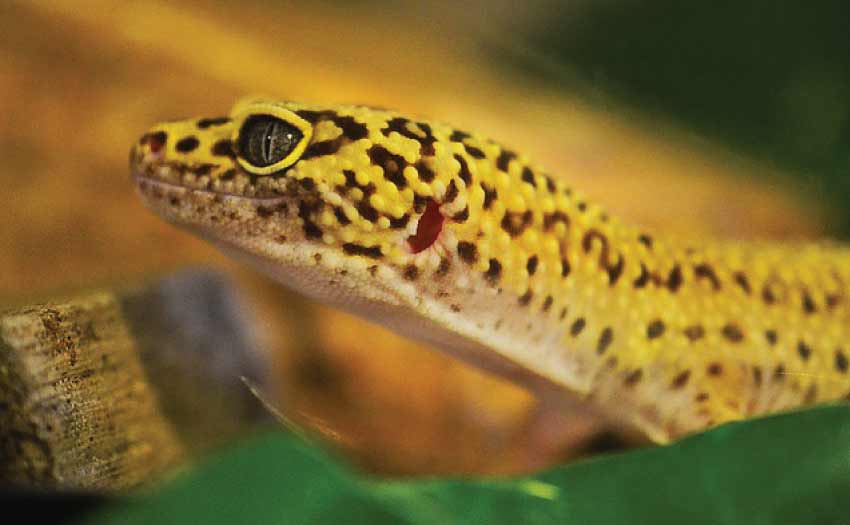
Physical Appearance: Leopard geckos have a distinct appearance with their stout bodies, large triangular heads, and long, thick tail. They grow to 8 to 10 inches on average, with males somewhat outweighing females. They have thin, rough scales covering their skin, and their colors can range from white to yellow, orange, and brown. One of their defining features is their iconic leopard-like spots, which are present on their bodies and tail.

Nocturnal Behavior: Because they are typically nocturnal animals, leopard geckos are most active at night. Although they have excellent night vision, they must navigate using their keen hearing and senses of smell. During the day, they hide and rest in cool, dark places like crevices or caves.

Habitat: In the wild, leopard geckos inhabit rocky desert and grassland regions. As pets, they require a suitable enclosure that mimics their natural environment. A 20-gallon tank is generally recommended for a single adult gecko, with additional space for multiple geckos or breeding pairs. The tank should include a substrate like a reptile carpet, paper towels, a non-adhesive shelf liner, hiding spots, climbing structures, and a shallow water dish.

Temperature and Lighting: Leopard geckos are ectothermic, meaning they rely on external heat sources to regulate their body temperature. A temperature gradient within their enclosure is crucial, with a warm side maintained at around 88-92°F (31-33°C) and a more relaxed side around 75-80°F (24-27°C). This can be achieved using an under-tank heating pad, heat tape, and a thermostat for temperature control. While they do not require UVB lighting, providing a low-intensity UVB bulb can benefit their overall well-being.

Feeding: Leopard geckos are insectivores whose diet mainly consists of various live insects. Suitable food options include crickets, mealworms, waxworms, and dubia roaches. It’s essential to provide appropriately sized prey items no more comprehensive than the width of the gecko’s head to prevent choking. A calcium and vitamin D3 supplement should be dusted onto the insects before feeding, ensuring proper nutrition and preventing metabolic bone disease.

Temperament and Handling: Leopard geckos are known for their calm and docile nature. With regular and gentle handling, they can become accustomed to human interaction. It’s essential to handle them with care, supporting their body and tail to avoid injury. It’s advisable to wash hands before handling to remove scents that might confuse or stress the gecko.

Breeding: Leopard geckos are known to breed readily in captivity. If planning to produce, it’s crucial to research and understand the steps and considerations involved in successful breeding, including appropriate temperature cycles, mating behaviors, and egg incubation conditions.

Leopard geckos make fascinating and relatively low-maintenance pets. However, responsible ownership involves providing suitable habitats, proper nutrition, and regular veterinary care to ensure their health and well-being.


Anatomy of a Leopard Gecko

Here’s an overview of the anatomy of a leopard gecko:

Head:

Snout: The snout of a leopard gecko is pointed and houses the nostrils.

Eyes: Leopard geckos have large, lidless eyes with vertical pupils, allowing them excellent night vision.

Ears: They have small ear openings on the sides of their head.

Mouth: Leopard geckos have wide mouths with small teeth for grasping and chewing food.

Body:

Skin: The skin of a leopard gecko is covered in small, bumpy scales. It helps them retain moisture and provides some protection.

Limbs: They have four short, sturdy legs with five clawed toes on each foot, used for walking, climbing, and grasping prey.

Tail: Leopard geckos have a thick, fleshy tail that stores fat reserves. As mentioned earlier, they can drop their seats as a defense mechanism, and it will regenerate over time.

Internal Organs:

Digestive System: Leopard geckos have a relatively short digestive tract adapted for processing a diet of insects.

Respiratory System: They have a pair of lungs for breathing air.

Cardiovascular System: Leopard geckos have a four-chambered heart that pumps oxygenated blood throughout their body.

Reproductive System: Males have hemipenes, paired reproductive organs, while females have ovaries and a reproductive tract for producing and laying eggs.


Senses:

Vision: Leopard geckos have well-developed eyesight, particularly in low-light conditions, due to their nocturnal nature.

Hearing: They can detect sounds and vibrations through their ears, although they have relatively limited hearing compared to their vision.

Smell and Taste: Leopard geckos use their sense of smell and taste to locate food and assess their environment.

Leopard geckos have a compact and efficient anatomy that allows them to thrive in their natural habitat and adapt to captive environments. Understanding their anatomy helps reptile keepers provide appropriate care and recognize any signs of potential health issues.

Description of the teeth structure in Leopard Geckos

Like other reptiles, Leopard geckos have specialized teeth adapted to their specific dietary needs. Their teeth design enables them to capture and consume their prey efficiently. Here’s a description of the teeth structure in leopard geckos:

Teeth Types: Leopard geckos have two main types of teeth: incisors and maxillary teeth.

Incisors: Leopard geckos possess a row of sharp, pointed incisor teeth at the front of their upper and lower jaws. These teeth are used for grasping and holding onto prey items.

Maxillary Teeth: Behind the incisors, leopard geckos have multiple rows of smaller, recurved teeth known as maxillary teeth. These teeth are used for tearing and crushing the prey into manageable pieces.

Tooth Replacement: Like many reptiles, leopard geckos can continuously replace their teeth throughout their lives. This process, known as polyphyodont dentition, ensures they always have functional teeth. When a tooth is lost or damaged, a replacement tooth develops and moves forward to take its place.

Tooth Attachment: Leopard geckos have acrodont dentition, meaning their teeth are fused to the top of their jawbones rather than rooted in sockets like mammals. The teeth are attached directly to the bone, making them less likely to fall out during feeding or handling.

Tooth Adaptations: Leopard geckos’ teeth are well-adapted for capturing and consuming small prey items. The sharp incisors allow them to grasp the prey firmly. At the same time, the recurved maxillary teeth aid in tearing apart the prey’s exoskeleton and breaking it into smaller pieces that can be swallowed.

It’s important to note that leopard geckos do not chew their food like mammals do. Instead, they typically swallow their prey whole or in smaller pieces. Providing appropriately sized prey items that match the gecko’s mouth and teeth structure is essential to ensure they can consume their food quickly.

Understanding the teeth structure of leopard geckos helps us appreciate their unique adaptations for their natural diet and provides insights into their feeding behavior and care requirements as captive pets.

Do Leopard Geckos Have Teeth?

Yes, leopard geckos do have teeth. Like other reptiles, they possess teeth specialized for capturing and consuming their prey. These teeth are an essential part of their feeding and digestive process.

Types of Teeth in Leopard Geckos

Leopard geckos have two main types of teeth: incisors and maxillary teeth.

Incisors: Leopard geckos have sharp, pointed incisor teeth at the front of their upper and lower jaws. These teeth are used for grasping and holding onto prey items. The incisors are positioned at the front of the mouth and aid in the initial capture of the prey.

Maxillary Teeth: Behind the incisors, leopard geckos have multiple rows of smaller, recurved teeth called maxillary teeth. These teeth are positioned along the upper and lower jaws and are used for tearing and crushing the prey into manageable pieces. The recurved shape of the maxillary teeth helps grip and tear apart the prey’s exoskeleton or flesh.

Combining the incisors and maxillary teeth allows leopard geckos to capture, manipulate, and consume their prey efficiently. It’s worth noting that leopard geckos do not chew their food like mammals. Instead, they typically swallow their prey whole or in smaller pieces.

The teeth of leopard geckos continuously grow and are replaced throughout their lives. This ensures that they always have functional teeth for hunting and feeding.

Dental Care for Leopard Geckos

Dental care is essential for leopard geckos’ overall health and well-being. While their teeth naturally wear down through feeding and chewing, there are a few things you can do to support their dental health:

Appropriate Diet: A balanced diet is crucial for maintaining dental health in leopard geckos. Feeding various appropriately sized live insects helps promote natural chewing and jaw exercise. Avoid feeding prey that is too large, as it may cause dental trauma. Additionally, dusting the insects with calcium and vitamin D3 supplements helps prevent nutritional deficiencies that can impact dental health.

Clean Water: Provide a shallow dish of fresh, clean water for your leopard gecko. Regularly change the water to ensure it remains free of debris and contamination. Keeping the water clean helps prevent oral infections and promotes overall oral hygiene.

Monitoring Chewing Behavior: Observe your leopard gecko while it eats to ensure normal chewing behavior. Healthy teeth should wear down naturally through regular feeding and chewing. It could indicate dental issues if you notice any difficulties or changes in chewing behavior, such as reduced appetite, dropping food, or pawing at the mouth. Consult a reptile veterinarian if you have concerns about your gecko’s dental health.

Regular Veterinary Check-ups: It’s important to schedule regular veterinary check-ups for your leopard gecko. A reptile veterinarian can assess the overall health of your gecko, including their dental condition. They can identify dental abnormalities, such as overgrown or misaligned teeth, and provide appropriate treatment.

It’s worth noting that leopard geckos’ teeth are continuously replaced throughout their lives. However, dental issues can occur in some cases, such as overgrowth, malocclusion, or infection. These conditions may require professional intervention and treatment from a reptile veterinarian. Regular dental care, a balanced diet, and proper hygiene can help maintain good dental health in leopard geckos.

Dealing with Dental Problems

Dealing with dental problems in leopard geckos requires proper identification, intervention, and veterinary care. If you suspect your leopard gecko is experiencing dental issues, it’s essential to consult a reptile veterinarian who can provide an accurate diagnosis and appropriate treatment. Here are some common dental problems in leopard geckos and potential approaches to address them:

Overgrown Teeth: Overgrown teeth occur when the teeth do not wear down properly through normal chewing and use. This can result in misalignment, discomfort, or difficulty eating. If necessary, a reptile veterinarian can trim or file down the overgrown teeth under sedation to restore proper alignment and function.

Malocclusion: Malocclusion refers to misalignment of the upper and lower jaws, leading to problems with bite and tooth contact. Malocclusion can cause pain, difficulty eating, and potentially injure mouth tissues. Treatment options may include tooth trimming, orthodontic devices, or extraction of affected teeth in severe cases. A reptile veterinarian will determine the most appropriate course of action.

Dental Infections: Dental infections can occur due to trauma, abscesses, or bacterial/fungal overgrowth in the oral cavity. Signs of dental diseases may include swelling, redness, discharge, or a foul odor from the mouth. Treatment typically involves:

  • Addressing the underlying cause, such as draining abscesses.
  • Providing antibiotics or antifungal medication.
  • Maintaining oral hygiene.

Tooth Loss or Injury: In cases where a leopard gecko loses a tooth or experiences dental trauma, veterinary intervention may be necessary. Depending on the severity, treatment options may include:

  • Managing pain.
  • Providing antibiotics to prevent infection.
  • Ensuring proper healing of oral tissues.

Remember, it is essential to seek professional help from a reptile veterinarian experienced in treating dental problems in leopard geckos. They can perform a thorough examination, provide an accurate diagnosis, and recommend appropriate treatment options based on the specific condition of your gecko. Regular veterinary check-ups and proactive dental care can help prevent or identify dental problems early, ensuring the best possible outcome for your leopard gecko’s oral health.

Conclusion

Leopard geckos are fascinating reptiles and popular pets known for their unique appearance, docile nature, and low maintenance requirements. Understanding their teeth structure and dental care needs is essential for providing proper care. Leopard geckos have incisors and maxillary teeth, which allow them to capture, tear, and consume their prey. Dental care for leopard geckos involves:

  • Providing a balanced diet.
  • Monitoring chewing behavior.
  • Maintaining clean water.
  • Scheduling regular veterinary check-ups.

If dental problems arise, such as overgrown teeth, malocclusion, dental infections, or tooth loss/injury, it is crucial to seek veterinary care from a reptile veterinarian. They can diagnose the issue and recommend appropriate treatment options, including tooth trimming, orthodontic devices, antibiotics, or other interventions as necessary.

By ensuring proper dental care and addressing any dental issues promptly, you can help maintain your leopard gecko’s oral health, contribute to their overall well-being, and enjoy a fulfilling relationship with your pet for years to come.

Conclusion

Leopard geckos are fascinating reptiles and popular pets known for their unique appearance, docile nature, and low maintenance requirements. Understanding their teeth structure and dental care needs is essential for providing proper care. Leopard geckos have incisors and maxillary teeth, which allow them to capture, tear, and consume their prey. Dental care for leopard geckos involves:

  • Providing a balanced diet.
  • Monitoring chewing behavior.
  • Maintaining clean water.
  • Scheduling regular veterinary check-ups.

If dental problems arise, such as overgrown teeth, malocclusion, dental infections, or tooth loss/injury, it is crucial to seek veterinary care from a reptile veterinarian. They can diagnose the issue and recommend appropriate treatment options, including tooth trimming, orthodontic devices, antibiotics, or other interventions as necessary.

By ensuring proper dental care and addressing any dental issues promptly, you can help maintain your leopard gecko’s oral health, contribute to their overall well-being, and enjoy a fulfilling relationship with your pet for years to come.

Can horses eat asparagus?

Can horses eat asparagus?

What are the Benefits of Asparagus for Horses?

Asparagus is not commonly included in a horse’s diet due to its relatively high sugar content and potential for digestive upset. While asparagus does contain some beneficial nutrients, it is not typically recommended as a regular part of a horse’s feeding regimen.

Horses are herbivores and have evolved to consume primarily grasses and other plant material. Their digestive systems are designed to break down and extract nutrients from fibrous plant matter efficiently.

 Asparagus, conversely, is a non-grass vegetable with higher levels of certain sugars and compounds that horses may not easily digest. Feeding asparagus to horses in large quantities can lead to gastrointestinal upset and colic.

It is important to prioritize a horse’s nutritional needs by providing a balanced diet of high-quality forage, such as hay or pasture. These sources of fiber and nutrients are better suited for a horse’s digestive system. 

Suppose you have concerns about your horse’s diet or are considering introducing new foods. In that case, it is best to consult a veterinarian or an equine nutritionist who can provide expert guidance tailored to your horse’s needs.

Can Horses Eat Asparagus?

While asparagus is not toxic to horses, it is not recommended or commonly included in their diet. Horses are herbivores with a digestive system adapted to efficiently process fibrous plant material, primarily grasses, and forage. 

Asparagus is a non-grass vegetable with higher levels of certain sugars and compounds that horses may not easily digest.

Feeding large quantities of asparagus to horses can lead to digestive upset and colic. It is important to prioritize a horse’s nutritional needs by providing a balanced diet of high-quality forage, such as hay or pasture. These sources of fiber and nutrients are better suited for a horse’s digestive system.

If you have specific concerns about your horse’s diet or are considering introducing new foods, it is always best to consult a veterinarian or an equine nutritionist. They can provide expert guidance tailored to your horse’s needs and help meet their dietary requirements.


How to Prepare Asparagus for Horses?

While asparagus is not a commonly recommended food for horses, if you still want to feed it to your horse, here are some general guidelines on how to prepare asparagus:

Select fresh asparagus: Choose fresh asparagus that is firm and vibrant in color. Avoid any wilted or discolored stalks.

Wash thoroughly: Rinse the asparagus under cold water to remove dirt or debris. Trim off the tough ends of the stalks.

Steam or boil: Asparagus can be cooked before feeding it to your horse. You can steam it or boil it in water until it becomes tender. Avoid using any seasonings or additives.

Cool it down: After cooking, allow the asparagus to cool down to room temperature before offering it to your horse. Hot or warm foods can be unpalatable and potentially cause discomfort.

Cut into smaller pieces: Slice the asparagus into smaller, manageable pieces for your horse. This can make it easier for them to eat and digest.

Offer as a treat: Introduce the cooked and cooled asparagus as an occasional treat rather than a regular part of your horse’s diet. Monitor your horse’s reaction and overall well-being after consuming asparagus.

Remember that individual horses can have varying reactions to new foods, and some horses may not tolerate asparagus well. 

Suppose you have concerns or questions about introducing asparagus or other food into your horse’s diet. In that case, it is best to consult a veterinarian or an equine nutritionist for personalized advice.

Common Side Effects of Asparagus for Horses

Asparagus is not commonly included in a horse’s diet, and feeding it to horses may have potential side effects. Here are some common side effects that horses may experience when consuming asparagus:

Digestive upset: Asparagus contains certain sugars and compounds that may be difficult for horses to digest. This can lead to gastrointestinal upset, including diarrhea, colic, or gas.

Decreased appetite: Introducing new foods like asparagus can sometimes cause a decrease in appetite in horses. If given unfamiliar foods, they may be less interested in their regular feed or forage.

Nutritional imbalances: Asparagus does contain certain nutrients, but it is not a complete or balanced source of nutrition for horses. Feeding too much asparagus without considering the overall diet can result in nutritional imbalances or deficiencies.

Allergic reactions: In rare cases, horses may be allergic to specific foods, including asparagus. Symptoms of allergies can vary but may include skin irritation, hives, itching, or respiratory distress.

It is important to remember that horses have unique digestive systems and dietary requirements. Introducing new foods, particularly those not part of their natural diet, should be done cautiously and in consultation with a veterinarian or an equine nutritionist. 

They can provide specific guidance based on your horse’s needs and help you make informed decisions about their diet.

Conclusion

In conclusion, while asparagus is not toxic to horses, it is not recommended or commonly included in their diet. Horses are herbivores with a digestive system adapted for processing fibrous plant material, primarily grasses, and forage. Asparagus is a non-grass vegetable that contains sugars and compounds that horses may not easily digest. Feeding asparagus in large quantities can lead to digestive upset, decreased appetite, and nutritional imbalances.

It is best to prioritize a horse’s nutritional needs by providing a balanced diet of high-quality forage. If you have concerns or questions about your horse’s diet, it is advisable to consult with a veterinarian or an equine nutritionist for personalized advice.

Are Dog Backpacks Comfortable for Dogs?

Are Dog Backpacks Comfortable for Dogs?

What are dog backpacks?

Dog backpacks, also known as doggie backpacks or dog carrier backpacks, are specially designed bags or backpacks that allow dog owners to carry their small to medium-sized dogs comfortably and securely while on the go. Dog backpacks typically feature sturdy construction with padded compartments and straps to ensure the dog’s safety and comfort. These backpacks often have a mesh or ventilated design that allows proper airflow and ventilation for the dog.

Dog backpacks serve several purposes. They provide a convenient way to transport small dogs during outdoor activities such as hiking, biking, or traveling. A bag lets you keep your dog close while freeing up your hands instead of leaving them at home or carrying them in your arms. It’s a practical solution for pet owners who want to bring their dogs along but must move other items or have their hands available for activities.

Additionally, dog backpacks can be beneficial for dogs themselves. It can also serve as a form of exercise for dogs, as the added weight of the backpack can make their walks more challenging and engaging.

It’s vital to remember that not all dogs can use dog backpacks. Usually, they are made for small to medium-sized dogs who are easily carried. More extensive or heavy dogs may not be suitable for backpacks, and it’s essential to consider their size, weight, and physical condition before using a dog backpack. Always consult your veterinarian and follow the manufacturer’s guidelines when using a dog backpack.

How to choose a comfortable backpack for your dog

Here are some essential guidelines to follow:

Size and Weight Capacity: Ensure the backpack fits your dog’s size and weight. Measure your dog’s length, girth, and weight to determine the correct size. Be mindful of weight restrictions to prevent straining your dog.

Quality and Durability: Look for a backpack made from high-quality, durable materials that can withstand regular use. Check for solid stitching, reinforced seams, and sturdy zippers. Ventilation and Breathability: Opt for a backpack with adequate ventilation and airflow. Look for mesh panels or breathable materials that prevent your dog from overheating. Proper ventilation ensures your dog’s comfort during long trips or warm weather.

Padding and Support: The backpack should have sufficient padding in crucial areas, such as the back, straps, and bottom. Adjustable straps allow you to customize the fit and provide additional support.

Security and Safety Features: Ensure the backpack has secure closures, such as zippers, buckles, or straps, to keep your dog safely contained. Check for interior clips or ropes that can attach to your dog’s harness or collar, preventing them from accidentally jumping out. Reflective accents or bright colors can enhance visibility, especially during low-light conditions.

Comfort Features for the Handler: Consider features that enhance your comfort as the handler. Some backpacks may have additional storage compartments for your belongings.

Reviews and Recommendations: Read reviews from other dog owners who have used the backpack you’re considering. Additionally, seek recommendations from veterinarians or experienced dog owners for trusted brands or specific models.

Observing your dog’s behavior and comfort level when using the backpack is essential. Introduce the backpack gradually, allowing your dog to adjust to the new experience. 

Observe these steps to utilize a dog backpack correctly:

Describe the Backpack Before using the bag, let your dog get accustomed to it. Let your dog inspect the bag after setting it down on the ground. You may also build positive associations by rewarding your dog when they show interest in the rucksack with treats or praise.

Adjust the Straps: Adjust the Backpack’s straps to be more comfortable. Your dog should be able to move freely while still being pleasantly snug in the rucksack. Ensure the bag is positioned equally and securely on your dog’s back.

Gradual Induction: To start, put the empty Backpack briefly on your dog within your house. This enables your dog to become used to the feeling of the rucksack being worn. During this initial phase, keep an eye on how at ease they are and how they behave.

Once your dog is secure wearing the empty Backpack, gradually add some lightweight. Start with little objects like soft toys or tiny water bottles. To maintain equilibrium, distribute the weight equally on both sides of the rucksack.

Supervised Walks:

  1. Wear the rucksack while taking your dog on short strolls.
  2. Keep an eye on your dog’s behavior and level of comfort.
  3. As your dog becomes more accustomed to wearing the rucksack, start with shorter distances and gradually increase the duration.

Weight Distribution: To preserve balance and avoid pain, spread the weight of the things in the Backpack evenly on both sides. Place heavy or unbalanced objects that would strain your dog’s back out of the way.

Watch Your Dog: While wearing the rucksack, watch their actions, demeanor, and energy level. Removing the bag when your dog exhibits signs of anxiety, discomfort, or exhaustion will allow you to evaluate the situation.

Take Breaks: During extended strolls or hikes, stop frequently to let your dog rest and drink water. Take the rucksack off so that your dog may unwind. By doing this, excessive sweating and weariness are avoided.

Gradual Increase: You can gradually increase the weight and length of walks as your dog becomes more accustomed to and at ease wearing the rucksack. This enables your dog to slowly gain strength and stamina.

Care and Hydration:

  1. Ensure your dog drinks plenty of water during outdoor activities.
  2. Pack water and a collapsible bowl in your bag for regular water breaks.
  3. Check your dog’s paws frequently for any inflammation or discomfort.

Keep in mind that not all dogs can wear backpacks. See your veterinarian if you are still determining whether a rucksack is appropriate for your dog’s size or condition.


Conclusion

In conclusion, dog backpacks are specially designed bags allowing owners to comfortably and securely carry small to medium-sized dogs. These backpacks provide a convenient way to transport dogs during outdoor activities while keeping the owner’s hands-free. They come in various sizes, offer features like ventilation and padding for comfort, and prioritize the safety and well-being of the dog.

When choosing a dog backpack, it’s essential to consider factors such as size and weight capacity, quality and durability, ventilation and breathability, padding, and support, security and safety features, and comfort features for the handler. Reading reviews and seeking recommendations can also help you select a reliable and suitable brand.

Using a dog backpack involves:

  • Gradually introduce it to your dog
  • Adjusting the straps for a proper fit
  • Adding progressively weight
  • Taking supervised walks
  • Monitoring your dog’s comfort and behavior
  • Ensuring breaks and hydration during more extended activities

It’s crucial to prioritize your dog’s comfort and well-being and consult a veterinarian if needed.

Overall, dog backpacks provide a practical solution for dog owners who want to bring their dogs along on outdoor adventures while ensuring the owner’s comfort, safety, and convenience.


Eight Benefits of Owning a Pet?

Eight Benefits of Owning a Pet?

Pets bring immeasurable joy, offer companionship, and improve well-being in a world filled with stress and challenges. Whether it’s a dog’s wagging tail, the cat’s soothing purr, or a small rodent’s playful antics, pets touch our hearts and enrich our lives in countless ways. Their unconditional love and unwavering devotion teach us valuable lessons about compassion, forgiveness, and the power of genuine connection.

As per American Pet Products Association (APPA) National Pet Owners Survey, around 70% of American households have a pet, demonstrating the widespread recognition of their benefits.

From emotional support to physical and mental health benefits such as reduced stress, improved cardiovascular health, increased physical activity, and decreased feelings of loneliness, pets play a vital role in improving our overall well-being.

With that said, let’s explore the diverse and profound benefits of owning a pet.


  1. Emotional Support

Owning a pet can provide profound emotional support, especially for individuals with mental health conditions like PTSD, depression, and anxiety. Emotional support animals offer unwavering companionship, unconditional love, and non-judgmental presence that significantly improve their owners’ well-being. They provide comfort during distress, alleviate loneliness, and can even assist in managing PTSD symptoms.

According to a 2021 survey by the National Alliance on Mental Illness (NAMI), almost half of adults (46.1%) reported anxiety or depression in California, with a considerable portion (21.9%) unable to access counseling due to limited mental health professionals. Hence, the need for Emotional Support Animals (ESAs) becomes crucial.

Moreover, federal laws in the state protect ESAs, only if the owner has acquired an Emotional Support Animal Certification in California from a licensed healthcare professional. ESA owners can present this certificate to their landlords or when traveling to avoid inconvenience.

Besides, there are different online platforms through which you can determine your ESA eligibility. These platforms also connect with mental health experts, who evaluate your mental health before issuing an ESA certificate. Upon approval, you are issued an ESA certificate, which protects your rights to keep an ESA.


  1. Increased Physical Activity

Owning an active pet, like a dog, has remarkable benefits, including increased physical activity and a healthier lifestyle. Regular exercise and playtime with pets encourage owners to engage in activities that promote fitness and well-being.

Walking, running, and playing with a dog promote body movement, which improves overall health and helps weight management. You get to spend time outdoors, enjoy fresh and maintain a daily moderate-intensity exercise routine.

Furthermore, interactive play sessions with pets, such as fetch or games, stimulate mental and physical activity and strengthens the bond between owner and pet.


  1. Stress Relief

Pets play a significant role in relieving stress amidst the demands of modern life. Activities like petting and playing with them have a profound impact on reducing stress and promoting relaxation.

When we interact with our pets through gentle strokes or playful engagement, our bodies release endorphins, known as “feel-good” hormones, inducing a sense of well-being, calmness, and happiness that counteracts the adverse effects of stress and anxiety.

Additionally, interacting with pets can effectively decrease cortisol levels, a hormone closely linked to stress.


  1. Enhanced Immune System

Growing up alongside pets, particularly during childhood, has been linked to a strengthened immune system.

Pets bring a range of microorganisms, including bacteria and allergens, into the household. These exposures stimulate the immune system, enabling it to respond more effectively to potential threats, thus reducing the likelihood of developing allergies and asthma later in life.

Numerous studies indicate that children raised in pet-inclusive households have a lower risk of allergic conditions like eczema, hay fever, and asthma. Exposure to pet dander at a young age can promote immune tolerance.


  1. Improved Cardiovascular Health

Much research has revealed that pet ownership is linked to improved cardiovascular health, followed by balanced blood pressure and reduced cholesterol levels.  

Interacting and playing with pets has a calming effect that regulates blood pressure and promotes cardiovascular well-being.


  1. Companionship for the Elderly

Pets provide companionship to older adults, addressing the loneliness and isolation that often come with aging.

Pet ownership can alleviate the feeling of isolation in older adults due to reduced or limited social circle by offering a loyal and loving companion. Seniors also find solace in talking to their pets, and sharing thoughts and emotions, as pets are excellent listeners.

Pets may provide seniors with a sense of purpose and routine. Caring for pets adds meaning to their lives and keeps them engaged and active.

In care facilities or assisted living communities, ESAs are often brought in to provide companionship and emotional support to seniors.


  1. Help Children Develop a Sense of Responsibility

Caring for a pet involves feeding, grooming, and creating a nurturing environment. Taking on these tasks helps children develop a sense of responsibility and comprehend the consequences of their actions on the well-being of their pets.

Owning a pet also fosters empathy and compassion. Daily interactions with pets teach children to recognize and respond to their needs, developing an understanding of other’s emotions.


  1. Opportunity to Socialize

Pets can be a wonderful source for socializing for their owners. Pet owners may join pet clubs and attend events like pet shows, animal welfare fundraisers, and charity walks. These events allow pet owners to socialize with others who share their passion for animals. Going for a walk with pets in the neighborhood can lead to interactions with other people enjoying the outdoors with their pets. Regular visits to the same places with pets can become a routine to meet and catch up. Hence, pets can easily build connections between people who share similar interests without making any effort.  


Conclusion

Owning a pet has numerous physical, emotional, mental, and social benefits that profoundly impact our lives. They also teach essential values like responsibility, empathy, and compassion, shaping our character.

Additionally, pets act as social catalysts, sparking conversations and creating social opportunities. Their unconditional love and loyalty are invaluable, providing joy, happiness, and a sense of belonging.

So, embrace the opportunity to bring a furry friend into your life today, and you will undoubtedly discover a world filled with love, laughter, and immeasurable happiness.

Feeding American Bully Food Chart

Feeding American Bully Food Chart

Introduction to the American Bully Diet

Are you looking for the best way to keep your American Bully healthy and happy? Look no further than their diet! Feeding your furry friend a nutritious and well-balanced diet is crucial for their overall health and well-being. 

But with so many options out there, it can be overwhelming to know where to start. In this blog post, we’ll guide you through everything you need to know about feeding an American Bully, from recommended food types and portions, to common health problems that can be improved by a proper diet. So let’s dig in and get started on making sure your pup is eating right!

Types of food

Feeding your American Bully with the right amount of food is important to maintain their health and well-being.

 However, it’s important to consider when you feed them as well as how much. Setting up a regular feeding plan can aid in controlling their digestion and avoiding overeating. 

The ideal feeding routine for an American Bully is greatly influenced by their age and degree of activity. Compared to adult dogs, puppies need more frequent feedings since they need to regularly eat to power their developing bodies. Puppies often need to be fed three to four times daily until they are six months old.


Once your American Bully reaches adulthood, they can transition to two meals a day – one in the morning and one in the evening. This will give them enough sustenance throughout the day without overloading their digestive system.

It’s important to note that while consistency is key, there are exceptions where adjustments may be necessary based on individual needs or circumstances. 

For instance, if your dog has an active lifestyle or experiences a growth spurt, it may require extra meals or snacks throughout the day.

In addition to establishing a consistent feeding schedule, it’s crucial to provide fresh water at all times so that your dog stays hydrated. 

By following these guidelines and adjusting as needed for your individual pet’s needs, you’ll ensure that your beloved American Bully stays healthy and happy for years to come!

How Much Food Should an American Bully Eat?

When it comes to feeding your American Bully, it’s important to ensure that you’re providing them with the right amount of food. 

Overfeeding can lead to obesity and a host of health problems while underfeeding can leave your dog malnourished.

The amount of food your American Bully needs will depend on several factors, including their age, weight, and activity level. 

Puppies require more frequent feedings throughout the day than adult dogs do. As they grow older and become less active, they may need fewer calories overall.

To determine how much food your American Bully needs each day, start by consulting the feeding guidelines on the packaging of their chosen kibble or wet food. 

These guidelines are typically based on weight and provide a good starting point for determining portion sizes.

However, keep in mind that these guidelines are just that – guidelines. It’s important to monitor your dog’s weight regularly and adjust its portions as needed. 

If you notice that your American Bully is becoming overweight or losing too much weight despite following the recommended portion sizes, consult with your veterinarian about adjusting their diet.

Remember: proper nutrition is key to keeping your American Bully healthy and happy!


Common Health Problems in American Bulldogs and How Diet Can Help

American Bulldogs are prone to several health problems, including obesity, hip dysplasia, and allergies. Fortunately, diet can play a significant role in managing these issues.

Obesity is a common problem among American Bulldogs that can lead to numerous other health concerns. 

To prevent obesity, it’s essential to feed your dog the appropriate portions of high-quality food and avoid feeding them table scraps or treats too frequently.

Hip dysplasia is another prevalent issue in American Bulldogs due to its large size. Choosing foods with glucosamine and chondroitin can support joint health and help prevent this condition from developing or worsening.

Allergies can also be problematic for American Bulldogs as they’re susceptible to skin conditions caused by dietary intolerances. 

Switching to an elimination diet may be necessary if your dog is experiencing symptoms such as itching, rashes, or gastrointestinal issues.

It’s important always to consult with your veterinarian before making any changes in your pet’s diet since they know what is best for them. 

With proper care and attention paid to their dietary needs; you can ensure that your American Bulldog lives a long happy life free from most illnesses associated with bad diets.


Making Your Own American Bully Dog Food

As an American Bully owner, you may prefer to make your own dog food rather than rely on commercial brands. 

This way, you can control the ingredients and ensure that your furry friend gets all the necessary nutrients they need.

Making homemade dog food doesn’t have to be complicated or time-consuming. You can use a variety of ingredients such as lean meats, vegetables like carrots and green beans, healthy grains like quinoa or brown rice, and added supplements such as fish oil or probiotics.

It’s important to note that not all human foods are safe for dogs. Some common household staples like onions, garlic, grapes, chocolate, and avocado are toxic to dogs and should never be included in home-cooked meals.

When preparing homemade dog food for your American Bully it is essential to consult with a veterinary nutritionist who can provide guidance on ingredient balance based on your pet’s unique needs.

Be sure to also keep portions under control when making homemade meals for your pup as overfeeding can lead to weight gain which could cause health issues later down the road.

 Overall though if done correctly this method of feeding ensures optimal nutrition while giving both you and Fido complete peace of mind!


American Bully breed and their dietary needs

The American Bully is a muscular and energetic breed that requires proper nutrition to maintain its overall health and well-being. 

These dogs have specific dietary needs that should be taken into consideration when choosing food for them.

One of the most important things to consider when feeding an American Bully is their high activity levels. 

These dogs require a diet rich in protein, which supports muscle growth and repair. It’s recommended to choose a dog food with at least 25% protein content.

Fat is another essential nutrient for American Bullies, as it provides them with energy throughout the day. 

However, it’s important not to overfeed your dog with fat-rich foods, as this can lead to obesity and other health problems.

Carbohydrates are also necessary for providing energy to an American Bully, but they shouldn’t make up more than 50% of their daily caloric intake. 

Whole grains like brown rice or quinoa are great sources of healthy carbs that will keep your dog energized without causing weight gain.

Another factor to consider when feeding an American Bully is any potential allergies or sensitivities they may have. 

This breed is prone to certain food intolerances like wheat or corn, so it’s best to stick with grain-free options if you suspect your dog has such issues.

Choosing the right food for your American Bully can help ensure they live a long and healthy life full of energy and vitality.


Factors to consider when choosing food for your American Bully

Choosing the right food for your American Bully is crucial to keep them healthy and happy. The first thing to consider when selecting dog food is their breed, age, weight, and activity level. American Bullies are active dogs that require a high-protein diet to maintain their muscle mass.

It’s important to read the ingredient list on the label carefully. Avoid dog food with artificial preservatives, colors, and flavors. 

Instead, look for products that use natural ingredients like meat as the primary source of protein.

Another factor to consider is your budget. High-quality dog foods can be pricey but are worth it in terms of health benefits. However, you don’t have to break the bank if you find quality commercial kibble or canned wet foods at an affordable price.

Additionally, take note of any allergies or intolerances that your American Bully may have towards certain ingredients such as grains like wheat and corn or even chicken protein.

Consult with your veterinarian regarding dietary restrictions due to medical conditions such as obesity or kidney disease before making any changes in your diet plan.


Feeding guidelines and recommended portions based on age and weight

Feeding your American Bully the right amount of food is crucial for their health and well-being. To determine the correct portion size, you need to consider their age, weight, activity level, and overall health.

Puppies up to six months old, they should be fed 3-4 small meals a day. As they grow older, you can decrease the number of feedings gradually until they are eating twice a day at around eight months old.

When it comes to portion sizes, it’s important not to overfeed your American Bully as obesity can lead to serious health issues such as joint problems and heart disease.

 A good rule of thumb is one cup of food per 30 pounds of body weight per meal.

However, every dog is unique so it’s best to consult with your vet for personalized feeding recommendations based on your pet’s specific needs.

It’s also worth noting that if you’re feeding your American Bully homemade food or raw food diet, you will need to adjust portions accordingly as these types of diets tend to have more calories than commercial dog food.

Remember that proper nutrition plays a significant role in keeping your furry friend healthy and happy. 

By following the recommended feeding guidelines based on age and weight coupled with regular exercise and check-ups from the vet will ensure that your American Bully lives a long life.


Nutritional requirements for American Bullies, including protein, fat, and carbohydrates

Nutrition is a crucial aspect of maintaining the health and well-being of any dog, including American Bullies. 

When it comes to their diet, there are specific nutritional requirements that must be met to ensure they stay healthy and happy.

Protein is an essential nutrient for American Bully dogs. It helps maintain muscle mass, supports the immune system, repairs tissue damage, and ensures proper growth in puppies. 

A high-quality protein source like chicken or turkey should make up at least 25-30% of your Bully’s daily diet.

Healthy fats are also necessary for your American Bully’s nutrition. They help provide energy and support healthy skin and coats. 

Omega-3 fatty acids found in fish oil can improve joint health as well as cognitive function in older dogs.

Carbohydrates provide energy but should be limited when feeding an American Bully since they have a low-carb requirement compared to other breeds. 

Whole grains such as brown rice or quinoa offer slow-release carbs which can help stabilize blood sugar levels throughout the day without causing spikes.

When choosing food for your American Bully always look at labels to ensure they meet AAFCO standards regarding adequate nutrients like vitamins E & C, chondroitin & glucosamine for joints plus minerals such as calcium & phosphorus helping bone development.

Providing a balanced diet with protein from quality sources such as meat mixed with good fat sources will keep the bully physically active while supporting brain development alongside critical organs’ functions through carbohydrates from whole fruits or grains conducive according to age group sizes specified by manufacturers complying with AAFCO guidelines on ingredients used containing all necessary nutrients needed by this breed’s dietary needs!


Common food allergies and intolerances in American Bullies and how to avoid them

American Bullies, like all dogs, can suffer from food allergies and intolerances. These conditions can cause a range of symptoms, including skin irritation, digestive problems, and respiratory issues.

Common allergens in dog food include beef, chicken, pork, dairy products, wheat gluten, corn, and soy. If your American Bully shows signs of an allergy or intolerance to any of these ingredients it is recommended to avoid them entirely.

Instead of feeding commercial dog food containing potential allergens or irritants consider switching to hypoallergenic dog foods that use novel protein sources such as bison or duck – this reduces the risk of triggering an allergic reaction.

Feeding homemade meals may also help eliminate common pet allergens found in manufactured kibble. However, always ensure you are meeting your pet’s nutritional needs with guidance from a qualified veterinarian.

It’s important to note that some dogs may have multiple sensitivities so be sure to introduce new foods slowly while monitoring for adverse reactions so you can identify what triggers their reaction before making changes to their diet.

If your American Bully is diagnosed with an allergy by their vet then they may need medication support along with dietary adjustments; however by identifying early on what causes the problem you’ll find it easier to avoid repeat occurrences in the future!


Tips for transitioning your American Bully to a new diet

Transitioning your American Bully to a new diet can be a daunting task, but it’s important for their health and well-being. Here are some tips to make the process smoother:

Introduce new food gradually: Start by mixing a small amount of the new food with their current food and slowly increase the ratio over several days or weeks.

Monitor their reactions: Keep an eye on your American Bully’s behavior, appetite, and stool during the transition period. If you notice any adverse reactions, such as vomiting or diarrhea, consult with your veterinarian.

Stick to recommended portions: Make sure you follow feeding guidelines based on age and weight when transitioning to avoid overfeeding or underfeeding your dog.

Keep mealtime consistent: Maintain regular mealtimes throughout the transition process to prevent digestive upset.

Be patient: Remember that every dog is different and may take longer to adjust than others; give them time and support during this period of change.

By following these tips, you can help ensure that your American Bully adjusts well to their new diet without unnecessary stress or discomfort.


Importance of monitoring your American Bully’s weight and adjusting their diet as needed

It is essential to monitor your American Bully’s weight and adjust their diet as needed. Obesity in dogs can lead to several health issues, including joint problems, respiratory issues, and heart disease.

To keep your American Bully at a healthy weight, it is crucial to measure their food portions accurately. Overfeeding them or giving them too many treats can quickly cause weight gain. Ensure you are following the recommended feeding guidelines based on your dog’s age and weight.

Additionally, regular exercise is vital for maintaining a healthy weight in American Bullies. Make sure they get enough physical activity each day by taking them for walks or playing with them outside.

If you notice that your American Bully has gained or lost an unusual amount of weight, consult with a veterinarian. They may recommend adjusting their diet or increasing their exercise routine accordingly.

By monitoring your American Bully’s weight regularly and making necessary adjustments to their diet and exercise regimen, you can help ensure they stay healthy and happy for years to come.

Conclusion

In summary, the American Bully is a unique breed that requires a balanced diet to maintain its health and energy levels. 

As pet owners, it’s our responsibility to ensure that we provide them with the best possible nutrition. 

With this feeding chart and guidelines, you can make informed decisions about what food to give your American Bully based on their age, weight, and nutritional requirements.

Remember that every dog is different, so it’s important to monitor your American Bully’s weight regularly and adjust their diet as necessary. 

If you notice any signs of allergies or intolerances, consult with your veterinarian immediately.

Ultimately, by providing your American Bully with healthy meals tailored to their needs, you’ll see them thrive both physically and emotionally. 

So go ahead and try out some new recipes or switch up their kibble – your furry friend will thank you for it!