
Cool Pets to Have in California and Pets That Are Illegal (2026 Guide)
What are cool pets to have in California? Bearded dragons, leopard geckos, ball pythons, corn snakes, chinchillas, pet rats, guinea pigs, hamsters, rabbits and most parrots are legal to keep without a state permit. California bans ferrets, gerbils, hedgehogs, sugar gliders, Quaker parakeets, monkeys and wild cats as pets under Title 14, Section 671 of its wildlife rules.
California bans several animals that many other states allow as pets, including ferrets and hedgehogs. This guide lists cool pets to have in California, explains the pets that are illegal in California, and shows how the state’s restricted species law works, so you can choose an unusual pet without risking a fine or losing the animal.
Key takeaways
- California Code of Regulations Title 14, Section 671 makes it unlawful to import, transport or possess listed animals without a state permit.
- Ferrets, gerbils, hedgehogs, sugar gliders and Quaker parakeets are on the restricted list.
- Domestic hamsters, rats, mice, guinea pigs, chinchillas and rabbits are specifically exempt.
- Most common pet lizards and nonvenomous snakes are not on the list; the Gila monster is the only lizard named.
- CDFW restricted species permits cover uses like exhibiting, research and breeding, not keeping a pet.
- City and county rules can add limits, so check locally too.
In this guide
Cool Pets to Have in California: Quick Legal Check
Use this table for a fast answer on popular pets. It is based on the text of 14 CCR § 671, the regulation that lists restricted animals in California.
| Animal | Legal as a pet in California? | What § 671 says |
|---|---|---|
| Bearded dragon, leopard gecko | Yes | Not listed; only the Gila monster is a restricted lizard |
| Ball python, corn snake | Yes | Not listed; venomous families are restricted |
| Chinchilla, guinea pig | Yes | Domesticated races are not restricted |
| Golden and dwarf hamsters, pet rats and mice | Yes | Named as not restricted |
| Domestic rabbit | Yes | Domesticated rabbits and hares are not restricted |
| Ferret | No | Family Mustelidae restricted |
| Gerbil | No | Rodents restricted unless exempted; gerbils are not exempt |
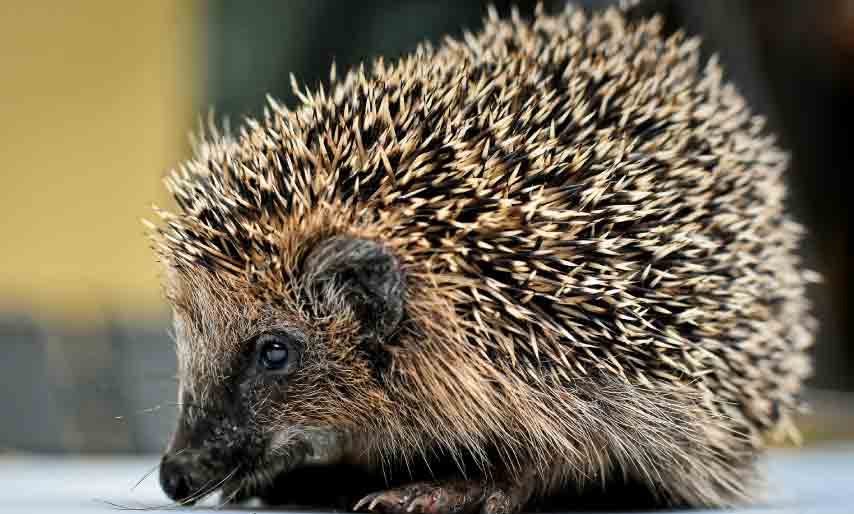
| Hedgehog | No | Order Insectivora, all species restricted |
| Sugar glider | No | Order Marsupialia, all species restricted |
| Quaker (monk) parakeet | No | Named as restricted |
| Monkey or other primate | No | Order Primates restricted |
Source: Cal. Code Regs. Tit. 14, § 671, via Cornell Law School’s Legal Information Institute (accessed October 2026). This is general information, not legal advice.

How California’s Exotic Pet Law Works
The key rule is Title 14, Section 671 of the California Code of Regulations. It says it is unlawful to import, transport or possess the live animals it lists “except under permit issued by the department,” meaning the California Department of Fish and Wildlife (CDFW). Each listed animal is tagged either “W” (a welfare concern) or “D” (detrimental, meaning a threat to native wildlife, agriculture or public safety). Knowing this rule is the first step to choosing cool pets to have in California.
Permits exist, but not for ordinary pet owners. The CDFW Restricted Species page lists permit types for animal care, breeding, exhibiting, research, shelters and similar uses. Pet keeping is not one of them, and animal care permits only cover animals someone already owned in California before January 1992.
What happens if you keep a banned pet?
According to Shouse Law Group, a California criminal defense firm, keeping an illegal animal is a misdemeanor that can bring up to six months in jail and a fine of $500 to $10,000. The animal is usually seized, and the owner may have to pay care and transport costs.
Enforcement is real. In December 2025, the Ventura County District Attorney announced that a Frazier Park sanctuary must pay $50,435 after CDFW found 15 restricted animals kept without a valid permit.
10 Cool Pets to Have in California Legally
These cool pets to have in California are either exempt or not listed under § 671. Always confirm with your city or county before buying, since local rules can be stricter.
- Bearded dragon: A day-active lizard that many keepers find calm and easy to handle. Not listed under § 671.
- Leopard gecko: Small, quiet and suited to a modest tank. Not listed.
- Ball python: A docile, nonvenomous snake. Only venomous families and a few named species are restricted.
- Corn snake: A colorful, nonvenomous snake that is widely bred in captivity. Not listed.
- Chinchilla: Domesticated chinchillas of the species Chinchilla laniger are specifically exempt.
- Pet rats: Domesticated rats and mice are named as not restricted.
- Guinea pigs: Domesticated guinea pigs (Cavia porcellus) are exempt.
- Golden or dwarf hamsters: Domesticated golden hamsters and dwarf hamsters of the genus Phodopus are exempt.
- Parrots such as cockatiels and budgies: Among parrots, the regulation names only the Quaker parakeet as restricted.
- Aquarium fish such as bettas: Common tropical fish are not listed, though piranhas and snakeheads are.
Matching cool pets to have in California to your lifestyle
- Small apartment: A leopard gecko or a pair of pet rats needs little floor space.
- Family with children: Guinea pigs are social and usually tolerate gentle handling with supervision.
- Evening schedule: Chinchillas are often most active in the evening, which can suit people who work days.
- Hands-on reptile fan: A bearded dragon or corn snake offers daily interaction once tamed.
Whichever you pick, plan for the full lifespan. Many cool pets to have in California, such as ball pythons and parrots, can live for decades with good care.
For more ideas, see our list of small exotic pets that are easy to own. Many national lists of the best exotic pets include hedgehogs and sugar gliders, which are banned here, so use this page as your state check.
Pets That Are Illegal in California
Below are the pets that are illegal in California under § 671, grouped by type. “W” means listed for welfare reasons and “D” means listed as detrimental.
| Group | Restricted examples | Listing |
|---|---|---|
| Small mammals | Ferrets, gerbils, hedgehogs, squirrels, prairie dogs | D |
| Marsupials | Sugar gliders, wallabies, kangaroos | W |
| Primates and sloths | Monkeys, apes, lemurs, sloths | W |
| Carnivores | Wild cats such as servals, foxes, wolves and F1 wolf hybrids, skunks | W |
| Raccoon family | Raccoons, coatis, kinkajous | D |
| Birds | Quaker parakeets, hawks, owls, crows, many starlings and mynahs | D |
| Reptiles | Alligators and crocodiles, cobras and vipers, Gila monsters, snapping turtles | D |
| Amphibians | African clawed frogs, coqui frogs, nonnative Ambystoma salamanders | D |
| Fish | Piranhas, snakeheads | D |
Source: 14 CCR § 671. Some families include exceptions or mixed W/D listings; read the full text or ask CDFW about a specific species.
Why ferrets, gerbils and hedgehogs are banned
These three surprise many new Californians. Shouse Law Group explains that CDFW is concerned escaped or abandoned ferrets could form feral populations that threaten native wildlife. It adds that CDFW sees hedgehogs and gerbils as a potential threat to native fish and wildlife, an unwanted source of predation and a possible disease carrier. All three are listed as detrimental (D) in § 671.
What about axolotls?
Axolotls (Ambystoma mexicanum) belong to the tiger salamander group. Section 671 lists the nonnative tiger salamander group of the genus Ambystoma as detrimental, so treat axolotls as restricted in California unless CDFW tells you otherwise.
What about Bengal and Savannah cats?
Section 671 restricts wild cats, including servals, but says domestic cats “and hybrids of domestic cats are not restricted.” Under that wording, domestic-cat hybrids such as Bengals are not restricted by § 671. Some city and county codes treat early-generation hybrids differently, so check local rules before buying an F1 or F2 Savannah.
How to Choose Cool Pets to Have in California
Legal does not always mean easy. Before you pick from the list of cool pets to have in California, check three things:
- State law: Is the species exempt or unlisted under § 671?
- Local rules: Does your city, county, HOA or lease limit reptiles, birds or rodents?
- Care needs: Can you meet its diet, heat, lighting and space needs, and find an exotic-animal vet nearby?
Reptiles, for example, need correct heat and UV lighting, and chinchillas need dust baths and cool rooms. If you are looking at other states too, our guide to exotic pets that are legal in Washington State shows how rules differ.
Pet Care Tip: Before you buy any exotic pet, call a local exotic-animal vet and ask whether they treat that species. If no vet nearby does, choose a different pet.
When to call a vet right away: Contact an exotic-animal vet if your pet stops eating, struggles to breathe, has a swollen belly or eyes, cannot move normally, or has a bite or wound. Reptiles that stay limp or cold need prompt care. If your vet is closed, call a 24/7 emergency animal hospital and ask whether it treats exotic pets.
7 questions to ask before buying an exotic pet in California
- Is this species exempt or unlisted under 14 CCR § 671?
- Does my city or county allow it?
- Does my lease or HOA allow it?
- Is there an exotic-animal vet near me?
- How long does it live, and can I commit for that time?
- What heat, light and space does it need?
- Was it captive-bred by a reputable source?
Example Scenario (illustrative)
Maya in Sacramento wants a hedgehog after seeing one online. She checks § 671 and learns hedgehogs are restricted. She compares legal options, finds an exotic vet who treats reptiles and adopts a leopard gecko from a local rescue instead.
| Myth | Fact |
|---|---|
| “If a pet store sells it, it’s legal.” | Animals bought out of state or online can still be restricted in California. |
| “I can get a permit for my pet ferret.” | CDFW permit types do not include keeping a pet. |
| “All rodents are fine.” | Gerbils, squirrels and prairie dogs are restricted; only listed domestic rodents are exempt. |
| “All parrots are banned.” | Among parrots, only the Quaker parakeet is named. |
What most owners get wrong
Many people assume a pet that was legal in their old state stays legal after a move. It does not. If you are relocating to California with a ferret, hedgehog or sugar glider, plan for rehoming before you arrive.
Cool Pets to Have in California: FAQs
Are ferrets illegal in California?
Yes. The ferret’s family, Mustelidae, is restricted under 14 CCR § 671, and CDFW permits do not cover pet ownership.
Are hedgehogs legal in California?
No. All species in the order that includes hedgehogs are restricted as detrimental.
Are sugar gliders legal in California?
No. All marsupials, including sugar gliders, are restricted.
Can you have a monkey in California?
Not as a pet. All primates except humans are restricted.
Are chinchillas legal in California?
Yes. Domesticated chinchillas of the species Chinchilla laniger are specifically exempt.
Are bearded dragons legal in California?
Yes. They are not listed; the Gila monster is the only lizard named in § 671.
What is the penalty for an illegal pet in California?
Shouse Law Group says it is a misdemeanor with up to six months in jail and a $500 to $10,000 fine, plus likely seizure of the animal.
Final Verdict: Cool Pets to Have in California
The best cool pets to have in California include bearded dragons, leopard geckos, ball pythons, chinchillas, rats and most parrots. Ferrets, gerbils, hedgehogs, sugar gliders, Quaker parakeets and monkeys are banned. Check § 671 and local rules first, then choose a pet you can care for long term.
Your next steps
- Look up your chosen species in 14 CCR § 671.
- Check your city or county animal code.
- Browse more care guides in our reptile section.
Share your California pet questions on our Pets Store Home Facebook page.
About the author: Written and reviewed by the Pets Store Home Editorial Team, pet owners who check every guide against trusted sources. This guide is general information, not legal advice. Laws change, so confirm with CDFW and your local authorities.
How we checked this guide: Restricted and exempt species come from the text of 14 CCR § 671. Permit types come from CDFW’s Restricted Species page.
Penalty ranges come from Shouse Law Group, and the enforcement example comes from the Ventura County District Attorney. This guide was fully rewritten in October 2026. We review it every 12 months.
Last reviewed: October 2026.
Sources (accessed October 29, 2026)
[…] Which foreign pets are legal in Washington State? […]