
A pitbull mix with labrador retriever, often called a Labrabull, is a cross between a Labrador Retriever and a pit bull–type dog. Most are medium-to-large, short-coated, muscular, and energetic, often weighing somewhere between about 30 and 80 pounds. With daily exercise, reward-based training, and early socialization, many make loyal, affectionate family companions.
Because it’s a mix, there’s no breed standard, and two puppies from the same litter can look and act quite differently. This guide covers what to expect from a Labrador mix with a pitbull: appearance, size, temperament, exercise and training, food and grooming, health, lifespan, cost, and where to adopt one.
Key takeaways
- A Labrabull blends Labrador Retriever and pit bull–type traits, so looks and personality vary from dog to dog.
- Expect a strong, athletic, high-energy dog that needs daily exercise and mental work.
- The AVMA says a dog’s breed alone can’t predict whether it will bite; socialization, training, and supervision matter more.
- Watch for joint problems such as hip dysplasia, and keep your dog lean.
- Shelters and rescues are a great place to look for a lab and pit mix.
In this guide
What Is a Pitbull Mix with Labrador Retriever?
A pitbull mix with labrador retriever has one parent (or ancestor) that’s a Labrador Retriever and another that’s a pit bull–type dog. “Pit bull” isn’t one breed. It’s a loose label for several bully breeds and their mixes, including the American Pit Bull Terrier, which is recognized by the United Kennel Club (UKC), and the American Staffordshire Terrier, which is recognized by the American Kennel Club (AKC).
Labels can be misleading, too. The ASPCA notes that research has found a significant gap between visual breed identification and DNA results, especially for mixed-breed dogs. A shelter dog labeled a “lab mix” may have pit bull–type ancestry, and the reverse is also true. A dog DNA test can give you a better idea, but it won’t predict personality.
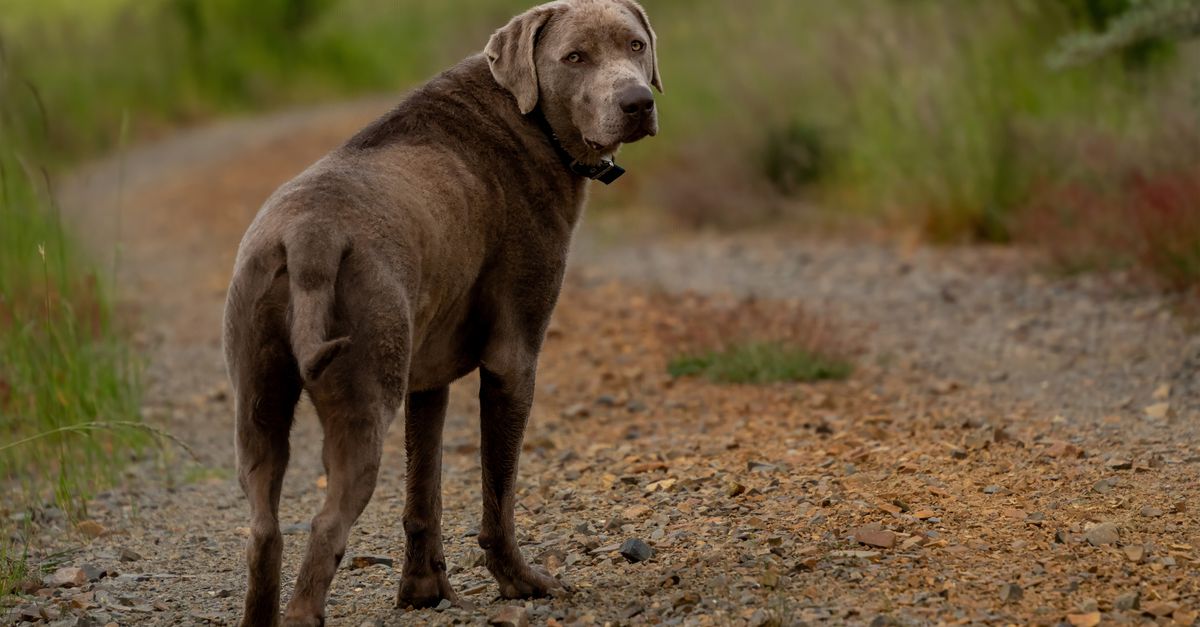
Labrabull Appearance
A Labrabull can lean toward either parent. Common features include:
- Head: a broad skull, sometimes with the wider cheeks of a pit bull–type dog or the softer look of a Lab
- Body: usually muscular and athletic
- Coat: short and smooth or short and dense; the UKC describes the Lab’s coat as a short, dense, water-repellent double coat and the American Pit Bull Terrier’s as glossy, smooth, and close
- Colors: can include black, yellow, chocolate, brown, gray, white, brindle, or a mix; the UKC lists solid black, yellow, and chocolate for Labs and accepts any color except merle for the American Pit Bull Terrier
- Ears and tail: drop or rose-shaped ears, and a medium-length tail
Size and Weight
Size depends on which parent a dog takes after, so it’s best to look at both breed standards. The UKC breed standards give these ranges:
| Breed (adult) | Height at shoulder | Weight |
|---|---|---|
| Labrador Retriever, male | 22½–24½ in (57–62 cm) | 65–80 lb (29–36 kg) |
| Labrador Retriever, female | 21½–23½ in (55–60 cm) | 55–70 lb (25–32 kg) |
| American Pit Bull Terrier, male | 18–21 in (46–53 cm) | 35–60 lb (16–27 kg) |
| American Pit Bull Terrier, female | 17–20 in (43–51 cm) | 30–50 lb (14–23 kg) |
So a mixed lab and pitbull usually lands somewhere between these ranges, roughly 17 to 24½ inches tall and about 30 to 80 pounds, though individual dogs can fall outside them. Males are often bigger than females. Ask your vet to help you judge a healthy weight by body condition rather than a number on the scale.
Temperament: Is a Pitbull Mix with Labrador Retriever a Good Family Dog?
Many can be. The AKC describes Labrador Retrievers as friendly, outgoing, and high-spirited, and the UKC standard describes the American Pit Bull Terrier as eager to please, enthusiastic, extremely friendly even with strangers, and known for being good with children. A well-raised Labrabull often blends that affection with plenty of energy.
Still, no breed or mix comes with a guaranteed temperament. The AVMA’s policy on dog bites says it’s inappropriate to predict a dog’s tendency toward aggression based solely on its breed, and that any dog has the potential to bite depending on the situation. The ASPCA points to individual factors such as early experience, socialization, training, supervision, and whether a dog is spayed or neutered.
A few traits to plan for if you’re bringing home a pitbull mix with labrador retriever:
- Strength and enthusiasm: a bouncy, muscular dog can knock over small kids by accident, so teach calm greetings early.
- Other dogs: the UKC standard notes that some level of dog aggression is common in the American Pit Bull Terrier. Introduce your Labrabull to other dogs slowly and supervise play.
- Not a guard dog: the UKC says the American Pit Bull Terrier is a poor choice for guarding because it tends to be so friendly with strangers.
- Supervision with kids: as with any dog, never leave a young child alone with your Labrabull.
If you have another dog at home, our guide to managing dog-on-dog aggression covers safe introductions and warning signs.
Exercise and Training Needs
A pitbull mixed with a lab is usually an active dog. The AKC notes that Labs are high-energy dogs that do best with active families, and the UKC describes the American Pit Bull Terrier as powerful and agile. Plan for daily activity such as:
- Brisk walks or jogs once your vet says your dog’s joints are mature enough
- Fetch, tug, and flirt-pole games
- Swimming, if your dog enjoys it
- Food puzzles and sniff walks for mental exercise
- Dog sports such as agility, dock diving, or nose work
A bored Labrabull may chew, dig, or jump. For brain games, see our guide to dog puzzle feeders and enrichment toys.
Training tips
Training a pitbull mix with labrador retriever should start early. The UKC standard says this powerful breed needs careful socialization and obedience training, and it warns that the American Pit Bull Terrier is a skilled climber, so secure fencing matters. Use reward-based methods: the American Veterinary Society of Animal Behavior’s humane training statement finds no evidence that aversive methods work better and links them to fear and anxiety.
- Start socialization early, with calm exposure to people, dogs, sounds, and places.
- Teach loose-leash walking before your dog is full-grown and strong.
- Practice “sit,” “stay,” “leave it,” and a reliable recall.
- Keep sessions short and fun, and reward with food, toys, or praise.
- Consider a group class or an AKC Canine Good Citizen program.
Leash pulling is a common challenge for strong dogs; our guide on how to stop a dog from pulling on the leash can help.
Food and Grooming
Feeding a Labrabull
Feed your mixed lab and pitbull a complete and balanced dog food suited to your dog’s age, size, and activity level, and ask your vet how much to feed. For puppies, Cornell’s Riney Canine Health Center recommends diets formulated for large-breed growth and warns against giving growing puppies calcium or vitamin D supplements, because overfeeding and rapid growth can worsen hip dysplasia in at-risk dogs.
Weight control matters for adults too. A study of Labrador Retrievers published in Veterinary Record found that keeping lean body mass and limiting body fat was linked to living longer than average. Measure meals, count treats, and see our tips to help your dog lose weight if needed.
Grooming
Grooming a pitbull mix with labrador retriever is fairly simple:
- Brushing: weekly brushing helps manage shedding; dogs with a Lab-type double coat may need more during seasonal sheds.
- Baths: as needed, using a dog shampoo.
- Nails: trim regularly so they don’t click on the floor.
- Ears: check weekly, especially after swimming, for redness, odor, or discharge.
- Teeth: brush with dog toothpaste and keep up with vet dental checkups.
Common Health Issues in a Pitbull Mix with Labrador Retriever
Mixed-breed dogs can inherit health problems from either side. These are worth discussing with your vet:
- Hip dysplasia: Cornell lists Labradors among the medium and large breeds where this inherited joint problem is common. Signs include stiffness, “bunny-hopping,” trouble getting up, and reluctance to jump.
- Obesity: extra weight strains joints and is linked to shorter lives in Labs.
- Exercise-induced collapse (EIC): the University of Minnesota’s Canine Genetics Lab describes EIC as an inherited condition first identified in Labradors, causing weakness or collapse after intense exercise with excitement. A DNA test is available; ask your vet if it makes sense for your dog.
- Skin and ear problems: itching, redness, or ear infections can have many causes, including allergies, so see your vet rather than guessing.
When to call your vet
Contact your veterinarian if your dog limps, collapses or wobbles during exercise, gains or loses weight suddenly, scratches constantly, or seems in pain. For collapse or trouble breathing, go to a 24/7 emergency animal hospital. Never give your dog human pain medicine; ask your vet about safe options.
Labrabull Lifespan
There’s no large study on the lifespan of this specific mix, so be wary of exact numbers. In the Veterinary Record study of 39 Labradors, the typical lifespan was about 12 years, and nearly 90% of the dogs reached or exceeded it. A pitbull mix with labrador retriever that stays lean, active, and up to date on vet care has the best chance of a long, healthy life.
Regular checkups, vaccines, parasite prevention, dental care, and a healthy weight are the biggest factors you can control.
How Much Does a Labrabull Cost?
The purchase or adoption price is only the start. The ASPCA’s 2021 cost estimates for a dog give a useful picture of the ongoing expense:
| Expense | ASPCA estimate |
|---|---|
| Food (per year) | $300 |
| Routine medical care (per year) | $225 |
| Preventive medication, such as heartworm and flea/tick (per year) | $185 |
| Health insurance (per year) | $516 |
| Spay/neuter (one time) | $300 |
| Total annual cost | $1,391 |
| First-year total | $3,221 |
Figures are ASPCA estimates from 2021; costs are likely higher today and vary by region. A large, active dog may eat more than average.
Budget extra for training classes, a sturdy leash and harness, chew-proof toys, and emergency vet bills. Also check your lease and homeowners or renters insurance, since some landlords and insurers restrict pit bull–type dogs. The ASPCA opposes breed-specific laws, but some cities and counties still have them, so check your local rules.
Adoption Options for a Labrador Mix with a Pitbull
Shelters and rescues across the US are a good place to look for a pitbull mixed with a lab. To get started:
- Search local animal shelters and humane societies.
- Look for Labrador and pit bull–type rescue groups in your state.
- Ask about adult dogs with known temperaments, especially if you have kids or other pets.
- Meet the dog more than once, and bring family members and, if allowed, your current dog.
- Ask what the adoption fee includes, such as vaccines, microchipping, or spay/neuter surgery.
The ASPCA’s adoption tips recommend giving a new dog time and space in its first few days. For help settling in, see our guide to crate training an adult rescue dog.
Example Scenario (illustrative)
Alicia in Texas adopts Bruno, a 2-year-old pitbull mix with labrador retriever ancestry, from a county shelter. He’s friendly but pulls hard on the leash and gets overexcited around other dogs. Alicia books a vet checkup, starts a reward-based group class, and swaps one daily walk for fetch and a food puzzle. Within a few months, Bruno walks more calmly and greets visitors with four paws on the floor.
Pitbull Mix with Labrador Retriever: FAQs
What is a lab and pitbull mix called?
It’s often called a Labrabull, Pitador, or simply a lab-pit mix. These are nicknames, not breeds recognized by the AKC or UKC.
How big does a Labrabull get?
Most fall between their parents’ sizes, roughly 17 to 24½ inches tall and about 30 to 80 pounds, but individual dogs vary.
Are Labrabulls good with kids?
Many are affectionate family dogs when well socialized and trained. Their strength and energy mean you should always supervise young children and teach calm greetings.
Are lab-pit mixes aggressive?
Not by default. The AVMA says breed alone can’t predict a dog’s tendency to bite; socialization, training, and supervision matter more. Some may be selective with other dogs.
How much exercise does a Labrabull need?
Most need daily physical activity plus mental exercise, such as walks, fetch, swimming, and food puzzles. Ask your vet what suits your dog’s age and joints.
How long do Labrabulls live?
There’s no reliable lifespan data for this mix. Labradors in one study typically lived about 12 years, and staying lean was linked to a longer life.
Do Labrabulls shed a lot?
They usually have short coats that shed moderately. Dogs with a Lab-type double coat may shed more seasonally, so weekly brushing helps.
Final Verdict: Is a Pitbull Mix with Labrador Retriever Right for You?
A pitbull mix with labrador retriever can be a loving, playful companion for an active home. Choose an individual dog whose temperament fits your family, commit to daily exercise and reward-based training, keep your dog lean, and see your vet regularly. Adoption is a great place to find your Labrabull.
Your next steps
- Visit local shelters and rescues and ask about lab and pit mixes with known temperaments.
- Prepare for training with our guide to dog dominance myths vs science.
- Explore more breed and care guides in our dog care section.
Do you share your home with a Labrabull? Share photos and tips with other dog parents on our Facebook page.
About the author
Written and reviewed by the Pets Store Home Editorial Team: pet owners and animal lovers who check every guide against trusted US veterinary and animal-welfare sources. This article is general information, not a substitute for professional veterinary advice. Always talk to your veterinarian about your own pet’s health.
How we checked this guide: We used the AVMA, ASPCA, American Kennel Club (AKC), United Kennel Club (UKC) breed standards, Cornell University’s Riney Canine Health Center, the University of Minnesota Canine Genetics Lab, the American Veterinary Society of Animal Behavior, and a peer-reviewed Veterinary Record study. We review this article every 12 months, or sooner if guidance changes.
Last reviewed: October 2026
Sources
- AVMA – Policy on Dog Bites (accessed Oct 2026)
- ASPCA – Position Statement on Breed-Specific Legislation (accessed Oct 2026)
- ASPCA – Cutting Pet Care Costs (accessed Oct 2026)
- ASPCA – Adoption Tips (accessed Oct 2026)
- American Kennel Club – Labrador Retriever (accessed Oct 2026)
- American Kennel Club – Best Family Dogs (accessed Oct 2026)
- United Kennel Club – Labrador Retriever Breed Standard (PDF) (accessed Oct 2026)
- United Kennel Club – American Pit Bull Terrier Breed Standard (PDF) (accessed Oct 2026)
- Cornell Riney Canine Health Center – Canine Hip Dysplasia (accessed Oct 2026)
- University of Minnesota Canine Genetics Lab – Exercise-Induced Collapse (accessed Oct 2026)
- AVSAB – Humane Dog Training Position Statement (2021) (accessed Oct 2026)
- Adams VJ et al. – Evidence of longer life; a cohort of 39 Labrador retrievers, Veterinary Record (accessed Oct 2026)
[…] Which foreign pets are legal in Washington State? […]