
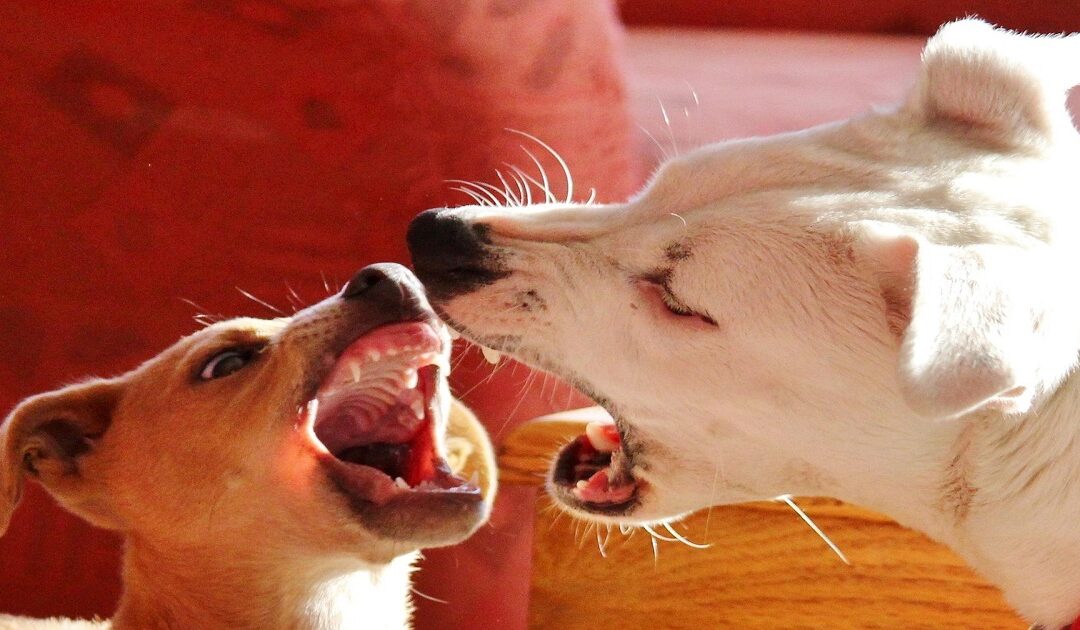
Your usually calm dog is suddenly clingy, restless, marking the carpet, and strangely popular with every male dog in the neighborhood — and you’re left wondering if something’s wrong. It’s not. This is dog in heat behavior, a completely normal (if disruptive) part of an unspayed female dog’s reproductive cycle. Understanding what’s actually happening hormonally, stage by stage, makes the next three to four weeks far less confusing — and helps you keep her safe, comfortable, and accident-free until it passes.
⚡ Quick Answer
A dog in heat typically shows restlessness, clinginess, frequent urination or marking, mood swings, and swelling with discharge, driven by hormonal changes across the roughly 3-4 week estrus cycle. Behavior shifts follow four distinct stages, each with different signs and different care needs. Keep her leashed and away from intact male dogs during this time to prevent an unplanned pregnancy, and contact your vet promptly if you notice foul-smelling discharge or lethargy after the cycle ends.
Key Takeaways
- A dog’s heat cycle has four stages — proestrus, estrus, diestrus, and anestrus — each with its own behavior pattern.
- Most behavioral changes (restlessness, clinginess, marking, mood shifts) occur during proestrus and estrus.
- Female dogs can become pregnant during their very first heat cycle, even though breeding that young isn’t recommended.
- A serious complication called pyometra (a uterine infection) can occur after estrus — foul discharge or lethargy needs urgent vet attention.
- Spaying eliminates heat cycles entirely and is worth discussing with your vet if you don’t plan to breed.
Table of Contents
- What Is a Dog’s Heat Cycle?
- Why Trust This Guide
- Behavior by Stage
- When It’s More Than Normal Heat
- Real Case Study
- How to Manage a Dog in Heat
- Common Mistakes
- Checklists
- FAQ
🐾 Why Trust This Guide
This guide was researched and written by the Pets Store Home editorial team against veterinary-reviewed sources, including PetMD, The Kennel Club, and preventive veterinary care resources. It reflects current, accurate understanding of canine reproductive behavior — not guesswork. This article is for general education and is not a substitute for veterinary advice; always consult your vet about your dog’s individual heat cycle or reproductive health.
What Is a Dog’s Heat Cycle?
A dog’s heat cycle, or “season,” is the reproductive phase during which an unspayed female becomes fertile and capable of becoming pregnant. It happens roughly every six months, starting anywhere from six to twelve months of age depending on breed and size, and lasts around three to four weeks in total. The hormonal shifts driving this cycle are also what cause the behavior changes owners notice.
Behavior by Stage
Knowing which stage your dog is in helps you understand what’s normal and what to watch for.
🔴 Stage 1: Proestrus (Days 1-9, approx.)
The first visible signs: a swollen vulva and light bleeding or pink discharge. Behaviorally, expect increased clinginess, restlessness, and mild irritability toward other pets. Male dogs will show interest, but she isn’t yet receptive to mating.
🟠 Stage 2: Estrus (Days 9-14, approx.)
The fertile window. Discharge lightens in color, and she becomes receptive to mating — flagging her tail to the side when approached. This is the highest-risk period for unplanned pregnancy, so extra vigilance matters most here.
🟡 Stage 3: Diestrus (Days 14-60, approx.)
Hormone levels drop and physical signs fade. Some dogs show a temporary period of low energy or mild moodiness as her body returns to normal. If she’s not pregnant, this stage transitions into rest.
🟢 Stage 4: Anestrus (Rest Period, ~4-5 months)
A quiet, hormonally inactive phase with no heat-related behavior at all — business as usual until the next cycle begins roughly six months after the last one started.
Pet Care Tip: Keep a simple calendar note of when bleeding starts each cycle — most dogs settle into a fairly predictable six-month rhythm, which makes planning around future heats much easier.
When It’s More Than Normal Heat
Most heat-related changes are uncomfortable but not dangerous. One exception matters: pyometra, a potentially life-threatening uterine infection that can develop in the weeks after estrus. Watch for foul-smelling discharge, lethargy, loss of appetite, or a swollen abdomen after the bleeding has stopped — these need immediate veterinary attention, not a wait-and-see approach.
Real Case Study: Mistaking Heat for Illness
Example Scenario: A first-time owner of an eight-month-old Labrador noticed her dog suddenly urinating in small amounts around the house, pacing at night, and seeming unusually needy. Assuming a urinary tract infection, she booked an urgent vet visit. The exam revealed a swollen vulva and early pink discharge — her dog’s first heat cycle had begun, and the frequent urination was scent-marking, a completely normal proestrus behavior. The vet walked her through what to expect over the coming weeks and discussed spaying once the cycle finished, since the owner didn’t plan to breed. Knowing the signs in advance would have saved an unnecessary emergency visit — exactly why recognizing heat-stage behavior matters.
How to Manage a Dog in Heat
- Keep her leashed on every walk. Even a normally obedient dog may try to roam or attract attention during estrus.
- Avoid dog parks and off-leash areas entirely. Intact male dogs can detect her scent from a distance and may become fixated or aggressive with each other.
- Secure your yard. Check fences and gates for gaps she — or a determined male dog — could get through.
- Use doggy diapers if needed. These manage discharge and protect furniture and floors during the bloodier proestrus days.
- Offer a calm, comfortable space. Some dogs appreciate a quiet retreat during the more restless or moody days of the cycle.
- Watch appetite and energy. Both increases and decreases are common and usually temporary — persistent changes are worth a vet call.
- Talk to your vet about spaying. If you don’t plan to breed, spaying eliminates future heat cycles and reduces certain health risks.
Pet Care Tip: Never leave a dog in heat unsupervised in the garden, even briefly — male dogs have been known to travel surprising distances when they detect a female in estrus nearby.
Common Mistakes Owners Make
- Assuming behavior changes mean illness. Why it happens: restlessness and appetite shifts look concerning. Consequence: unnecessary stress or vet visits. Fix: learn the normal proestrus and estrus signs in advance.
- Letting her off-leash “just this once.” Why it happens: she seems fine in the moment. Consequence: unplanned pregnancy can happen in seconds. Fix: leash and supervise without exception during heat.
- Ignoring discharge after the cycle ends. Why it happens: assuming the heat is simply over. Consequence: missing early pyometra symptoms, which can become an emergency fast. Fix: monitor for a few weeks after bleeding stops and call your vet with any concerns.
- Punishing marking or restlessness. Why it happens: it looks like a behavior problem. Consequence: adds stress during an already uncomfortable time. Fix: manage the environment (diapers, supervised access) rather than correcting hormone-driven behavior.
- Breeding on the first heat without guidance. Why it happens: she’s technically fertile. Consequence: breeding too young carries real health risks for a still-developing dog. Fix: discuss timing and health screening with your vet before ever considering breeding.
Practical Checklists
Heat-Cycle Supplies Checklist
- ☐ Doggy diapers or washable belly bands
- ☐ A sturdy leash for every outdoor trip
- ☐ Extra bedding or washable covers for furniture
- ☐ A calm, quiet retreat space at home
When-to-Call-the-Vet Checklist
- ☐ Foul-smelling discharge after bleeding has stopped
- ☐ Lethargy, vomiting, or loss of appetite post-heat
- ☐ A visibly swollen or bloated abdomen
- ☐ Heat cycle lasting well beyond four weeks
Heat Cycle Stages at a Glance
| Stage | Approx. Duration | Key Behavior |
|---|---|---|
| Proestrus | ~9 days | Clingy, restless, not yet receptive |
| Estrus | ~5-9 days | Fertile, receptive to mating — highest risk |
| Diestrus | Several weeks | Hormones settle, signs fade |
| Anestrus | ~4-5 months | Resting phase, no heat behavior |
Frequently Asked Questions
How often do dogs go into heat?
Most female dogs cycle roughly every six months, though this can vary by breed and individual dog, with some larger breeds cycling less frequently.
Can a dog get pregnant during her very first heat?
Yes, first-heat pregnancies are possible, though breeding that young generally isn’t recommended since the dog’s body is still developing.
Do male dogs go into heat too?
No, male dogs don’t have an estrus cycle. Intact males can breed year-round and will often show strong interest whenever they detect a female in heat nearby.
Is it normal for a dog in heat to seem more aggressive?
Mild irritability or reduced tolerance for other pets is common during proestrus and estrus, driven by hormonal shifts — it’s usually temporary and resolves once the cycle passes.
When is the best time to spay to avoid future heat cycles?
This depends on breed, size, and individual health factors, so it’s best discussed directly with your vet — they can advise on timing that balances heat-cycle prevention with your dog’s overall development.
Sources & References
- PetMD — Dog in Heat: Timeline, Duration, Symptoms, and Care
- The Kennel Club — Your Dog’s Seasons
- Preventive Vet — Delaying a Spay: Dog Behavior While in Heat
- Four Paws — Dogs in Heat: Frequently Asked Questions
- ASPCA and RSPCA — spay/neuter and reproductive health guidance
About the Author
Written and reviewed by the Pets Store Home editorial team — pet owners and animal lovers who research every guide against trusted animal-welfare and veterinary sources. Our content is for general educational purposes and is not a substitute for professional veterinary advice; always consult your vet for concerns specific to your pet.
Last reviewed: September 2026
Sources: PetMD, The Kennel Club, Preventive Vet, Four Paws, ASPCA, RSPCA
Final Thoughts
A dog in heat can feel like a lot to manage, especially the first time around, but the behavior changes are almost always normal, temporary, and predictable once you know the stages. Keep her safe and supervised, watch for the warning signs that need a vet’s attention, and talk to your vet about spaying if breeding isn’t in your plans. With a little preparation, you and your dog can get through each cycle calmly.
[…] Which foreign pets are legal in Washington State? […]