
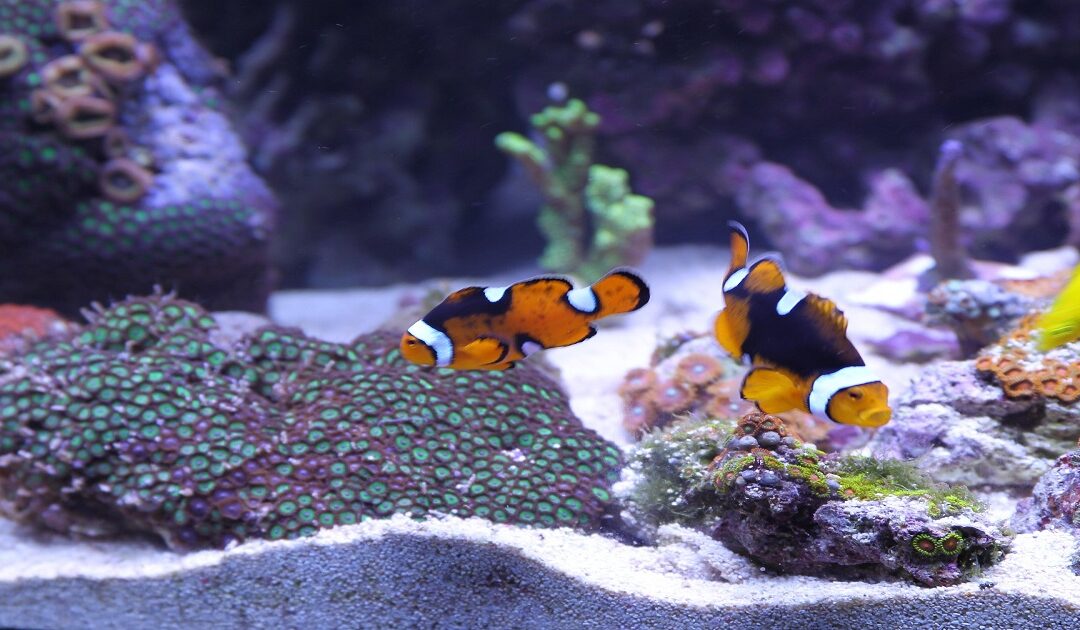
Your tank looked perfectly peaceful for weeks — and now one fish is relentlessly chasing another, fins are getting nipped, and you’re wondering if you’ve somehow ruined a good thing. Fish aggression in tank setups is one of the most common issues aquarium keepers run into, and the encouraging news is that it’s almost always traceable to an identifiable cause: territory, resources, breeding instinct, or simply the wrong species mix. Once you know which one you’re dealing with, restoring peace is usually far more manageable than it feels in the moment. Here’s how to read what’s actually happening in your tank, and what genuinely works to fix it.
⚡ Quick Answer
Fish aggression is usually driven by territorial instinct, competition over food or space, breeding behavior, or incompatible species being kept together. Not every chase is a fight — some schooling behavior and mating displays look aggressive but are perfectly normal. True aggression typically involves biting, ramming, and one fish trying to escape while the other pursues. Adding hiding spots, breaking up sightlines, adjusting group sizes, and researching compatibility before stocking solve most cases; persistent, injury-causing aggression usually means separating the aggressor.
Key Takeaways
- Aggression is a normal fish behavior used to defend territory and resources — the goal is managing it, not eliminating it entirely.
- Not all chasing is fighting — schooling behavior and mating displays can look aggressive but are harmless.
- Species like tiger barbs become more aggressive in small groups and calmer in larger ones — sometimes the fix is adding more fish, not removing them.
- Visual barriers (plants, decor, driftwood) reduce aggression by letting stressed fish escape a bully’s sightline.
- Persistent, injury-causing aggression that doesn’t respond to environmental changes usually requires separating the aggressor.
Table of Contents
- Normal Behavior vs. Real Aggression
- Why Trust This Guide
- Common Causes of Fish Aggression
- Don’t Overlook Water Quality
- Real Case Study
- Step-by-Step Fixes
- Common Mistakes
- Checklists
- FAQ
🐾 Why Trust This Guide
This guide was researched and written by the Pets Store Home editorial team against established aquarist and fishkeeping sources. See our full Editorial Standards. This article is educational — always research individual species compatibility before stocking a tank, since needs vary significantly between species.
Normal Behavior vs. Real Aggression
Not every fast chase in your tank is a fight. Schooling species like danios and certain tetras engage in social chasing that looks dramatic but is harmless. Mating behavior — shimmying, dancing, or two fish cleaning a flat surface together — can also resemble aggression at a glance. True aggression involves biting, ramming, and one fish clearly trying to escape while the other pursues relentlessly; if a fish looks genuinely terrified, hides constantly, or stops eating, that’s the real signal to act.
Common Causes of Fish Aggression
🔵 Territorial Aggression
Many species naturally defend a patch of the tank, especially cichlids and bettas. In a confined aquarium, this instinct can cause real conflict since there’s nowhere for a defeated fish to retreat to like there would be in the wild.
🟠 Resource Competition
Competition for food, especially with fast eaters dominating slower species, or general overcrowding leading to scarcity-driven conflict. Feeding at multiple spots and varying food type often resolves this quickly.
🔴 Breeding & Mating Behavior
Fish of the same sex, especially males, will often fight to defend territory and drive off competition during breeding conditions. This can escalate seriously between equally matched, equally aggressive individuals.
🟣 Species Incompatibility & Group Size
Mixing species that simply aren’t suited to living together, or keeping naturally social schooling fish (like tiger barbs) in too small a group — which paradoxically increases aggression toward tank mates.
Pet Care Tip: Before adding any new fish, research that specific species’ compatibility and minimum group size — a five-minute check can prevent weeks of tank conflict down the line.
Don’t Overlook Water Quality
Sudden, out-of-character aggression in a previously calm tank is often a sign of poor water conditions rather than a genuine behavioral shift. Test ammonia, nitrite, nitrate, and pH levels — stress from declining water quality can make even peaceful species noticeably more irritable, and fixing the water often resolves the aggression on its own.
Real Case Study: Solved by Adding More Fish, Not Fewer
Example Scenario: A hobbyist kept four tiger barbs in a 20-gallon tank alongside a small group of peaceful tetras. Within days, the barbs were relentlessly nipping the tetras’ fins, and the owner assumed tiger barbs were simply too aggressive a species for a community tank. Before rehoming them, a fellow aquarist suggested the opposite of the intuitive fix: instead of removing the barbs, add more. The owner increased the tiger barb group to eight, giving them enough of their own kind to school and chase within their own group. The fin-nipping toward the tetras dropped dramatically within a week — the barbs redirected their natural chasing instinct toward each other instead. The lesson: for social schooling species, an undersized group is often the real trigger, and the fix isn’t always removal — sometimes it’s addition.
Common Mistakes Owners Make
- Assuming all chasing is a fight. Why it happens: fast movement looks alarming. Consequence: unnecessary intervention on normal schooling or mating behavior. Fix: watch for biting, ramming, and fleeing before acting.
- Not researching compatibility before stocking. Why it happens: choosing fish by appearance alone. Consequence: mixing species that were never suited to living together. Fix: check species-specific compatibility before every new addition.
- Removing a social species instead of adding more. Why it happens: it seems logical to remove the aggressor. Consequence: doesn’t fix schooling species kept in too-small groups. Fix: research minimum group size before assuming removal is the answer.
- Ignoring water quality as a cause. Why it happens: aggression seems purely behavioral. Consequence: missing an easy, foundational fix. Fix: test water parameters whenever aggression appears suddenly.
- Waiting too long to separate a severe bully. Why it happens: hoping the fish will adjust. Consequence: serious injury or death to the targeted fish. Fix: separate promptly if a fish is being relentlessly targeted and injured.
Step-by-Step Fixes
- Confirm it’s real aggression first. Rule out normal schooling or mating behavior before making any changes.
- Test your water parameters. Rule out poor water quality as an underlying stressor.
- Add visual barriers. Tall plants, driftwood, and rock piles let a stressed fish disappear from a bully’s line of sight.
- Rearrange decor. Moving or adding decorations breaks up established territories, especially helpful when introducing new fish.
- Adjust group sizes. Research whether your aggressive species needs a larger group (like tiger barbs) rather than fewer individuals.
- Feed in multiple spots. Reduce food-based competition by spreading feeding across the tank and varying food types.
- Separate the aggressor if needed. If injuries continue despite environmental changes, move the bully — or the targeted fish, if injuries are severe — to a separate tank.
Pet Care Tip: When introducing new fish, rearrange the existing decor at the same time — this removes the established territorial advantage of your current fish, so the newcomer isn’t the only one without a claimed space.
Practical Checklists
Before Adding New Fish Checklist
- ☐ Researched species compatibility with existing tank mates
- ☐ Checked minimum group size requirements for schooling species
- ☐ Confirmed adequate tank size for the number and size of fish
- ☐ Rearranged decor to remove established territorial advantage
When Aggression Appears Checklist
- ☐ Confirmed it’s genuine aggression, not schooling/mating behavior
- ☐ Tested water parameters
- ☐ Added visual barriers and hiding spots
- ☐ Reviewed feeding routine and spots
- ☐ Monitoring for injury requiring separation
Cause Quick Comparison
| Cause | Sign | Best First Step |
|---|---|---|
| Territorial | Guarding a specific tank corner | Add visual barriers/decor |
| Resource competition | Chasing others from food | Feed in multiple spots |
| Breeding/mating | Same-sex conflict, dancing/shimmying | Separate breeding pairs from group |
| Incompatibility/group size | Fin-nipping, undersized schooling group | Research species needs; adjust group size |
Frequently Asked Questions
Will fin damage from aggression heal?
Usually yes — as long as the base of the fin isn’t damaged and water quality is kept clean, fins typically grow back within a few weeks, and stress-coat products can help support the process.
Can two male bettas ever share a tank peacefully?
No, even in a large tank male bettas will eventually locate each other, and the ongoing stress of knowing a rival is present can weaken their health even without direct physical fighting.
Is it normal for new fish to get chased at first?
Some initial chasing while territories resettle is common, but it should calm down within a few days; ongoing, injury-causing pursuit is not normal and needs intervention.
How do I know which fish to separate if aggression continues?
Most hobbyists remove the fish receiving the most damage to protect it, though if injuries are severe, protecting the victim takes priority regardless of which fish “started it.”
Can overstocking alone cause aggression?
Yes, too many fish for the available space and territory increases competition and stress significantly, so reviewing your stocking levels is worth doing even if you can’t identify one specific troublemaker.
Sources & References
- Chewy — Aquarium Fish Aggression
- Charterhouse Aquatics — Help! My Fish Are Fighting
- Choosing and Keeping Tropical Fish — Dealing with Bullying Between Fish
- AlgaeBarn — Dealing With Aggressive Tank Mates
- Established aquarist and fishkeeping community resources on species compatibility and stocking
About the Author & Editorial Process
This guide was researched and written by the Pets Store Home editorial team — pet owners and researchers who verify every claim against trusted sources before publishing.
This content is for general educational purposes. Always research individual species needs and compatibility before stocking your aquarium.
Last reviewed: September 2026 | Read our Editorial Standards
Final Thoughts
Fish aggression can feel alarming when it shows up out of nowhere, but it’s rarely random — territory, resources, breeding instinct, or the wrong group size are almost always behind it. Start by confirming it’s genuine aggression, check your water, and work through the environmental fixes before assuming you need to rehome anyone. Most tanks find their balance again once the real cause is addressed.
[…] Which foreign pets are legal in Washington State? […]