
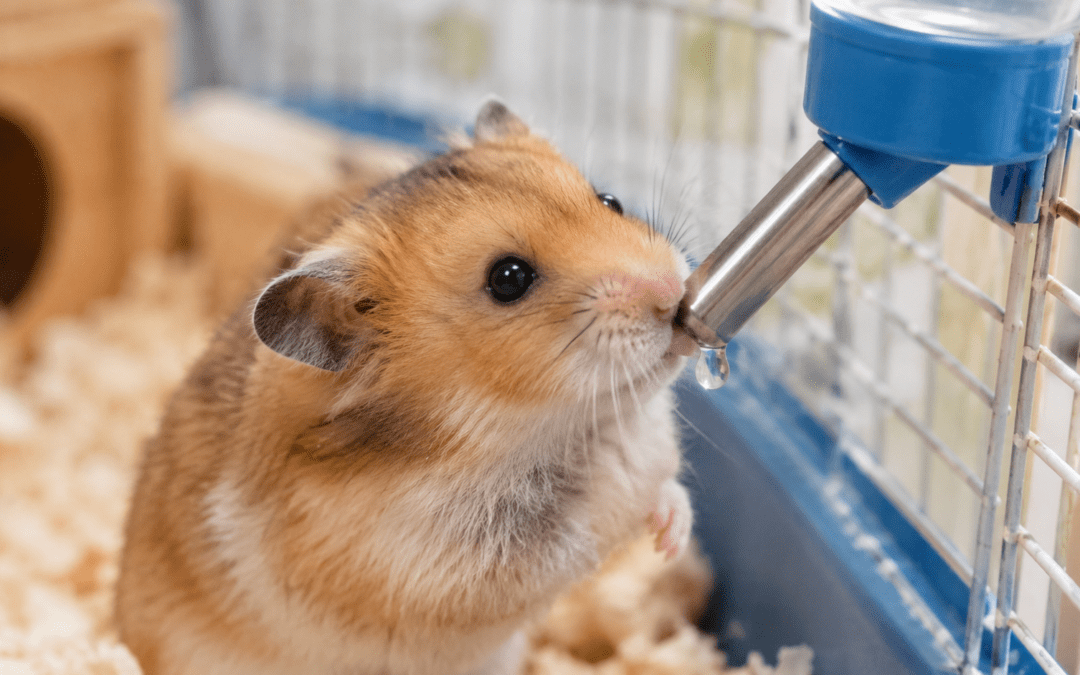
How long can a hamster go without water? There’s no safe or reliable number of hours or days, and no hamster should ever be left without water to find out. Hamsters need fresh, clean drinking water available at all times. The Merck Veterinary Manual states plainly that fresh water must always be available, and a hamster’s small body means problems can become serious quickly.
If you’re asking because your hamster’s water bottle stopped working, or you’re planning a trip, you’re in the right place. This guide explains why constant access matters, common reasons a hamster isn’t getting water, how to check a bottle, signs of dehydration or illness, and what to do next.
Important: never test how long your hamster can go without water
Any figure you see online describes survival, not safety. A hamster might survive a short gap, but that doesn’t make it acceptable, and the effects depend on the individual animal, its health, and conditions such as temperature. If your hamster has been without water, restore access now and call a veterinarian familiar with hamsters if you’re unsure how long it lasted.
Key takeaways
- There’s no safe universal time a hamster can go without water; it needs constant access.
- Refill the bottle with fresh water every day and check the sipper actually works.
- Vegetables add a little moisture but never replace drinking water.
- Lethargy, not eating, weight loss, or diarrhea need prompt veterinary advice.
- When you travel, arrange daily checks; don’t rely on a bottle alone.
In this guide
- How long can a hamster go without water?
- Why hamsters need constant water
- What happens when a hamster can’t drink
- Why your hamster may not be drinking
- How to check a water bottle or dish
- Signs of dehydration or illness
- What to do if your hamster has been without water
- Leaving a hamster alone while traveling
- When to contact a veterinarian
- FAQs
How Long Can a Hamster Go Without Water Safely?
The honest answer is that no length of time without water is safe. None of the veterinary sources we checked gives a “safe” number of hours or days, and survival estimates you may see online are not care advice. A hamster that survives a period without water may still become dehydrated or unwell, and some hamsters, such as young, older, or sick ones, may be affected sooner.
So instead of asking how long can a hamster go without water, ask whether your hamster can reach working water right now. That’s the question that keeps a hamster healthy.
Why Hamsters Need Constant Access to Fresh Water
Water is a basic daily need. The University of California, Davis veterinary school advises that a hamster’s bottle should be filled with fresh water every day. Even federal rules for facilities regulated under the Animal Welfare Act require that hamsters be given drinkable (potable) water daily unless their food meets their water needs. Those rules are a minimum for licensed facilities; at home, aim for water that’s available all the time.
How much water does a hamster need? It varies with the hamster’s size, age, diet, health, and environment, so there’s no one figure to aim for. The practical goal is simpler: a clean, working water source your hamster can reach whenever it’s thirsty.
What Happens When a Hamster Can’t Drink?
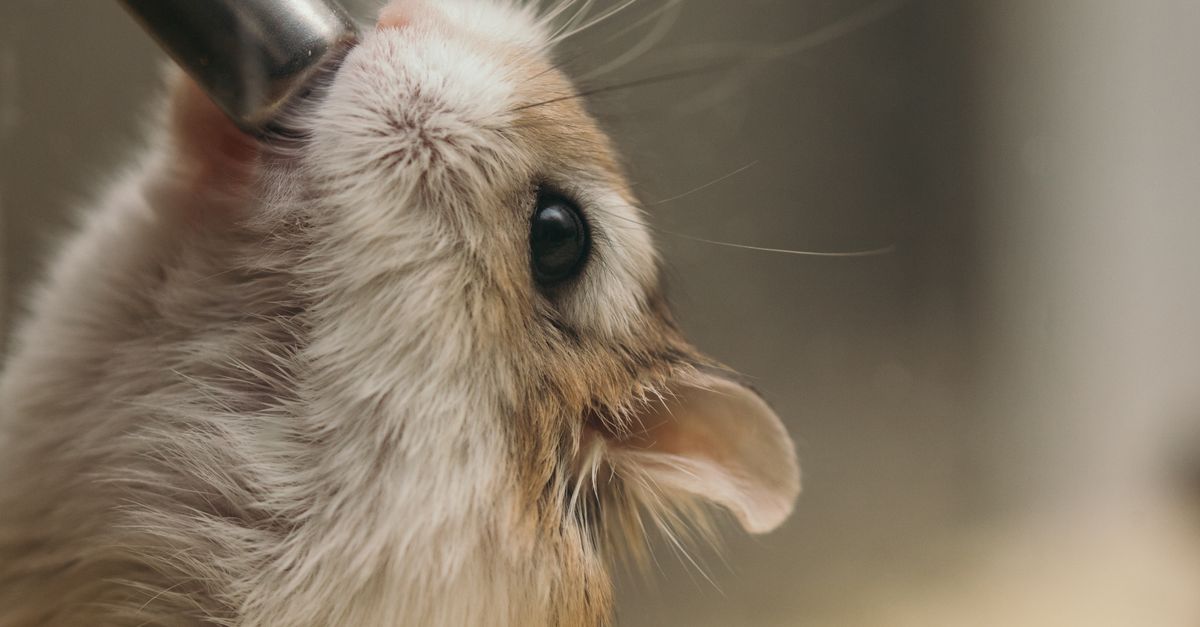
Without water, a hamster can become dehydrated. Because hamsters are small, dehydration and illness can become serious fast. The Merck Veterinary Manual notes that diarrhea and other illnesses can quickly cause dehydration, which may need fluids or other treatment from a veterinarian.
Hamster dehydration doesn’t follow a set timetable. How quickly a hamster is affected depends on its age, health, diet, and surroundings. That’s another reason the question of how long can a hamster go without water has no safe answer.
Why Your Hamster May Not Be Drinking
If you notice your hamster not drinking water, start by checking the water supply. Common problems include:
- An empty bottle or dish
- A blocked sipper tube or stuck ball valve: UC Davis advises checking the stopper for leaks, hair, air bubbles, and mineral deposit plugs.
- A leaking or broken bottle that drips out water but delivers none when your hamster licks it
- A bottle placed too high or otherwise hard to reach
- A dirty or contaminated container
- A dish that has tipped over or filled with bedding
- Illness, or a change in your hamster’s usual drinking habits
Seeing your hamster drink rarely doesn’t automatically mean it’s dehydrated; hamsters are often active at night, so you may simply miss it. Still, check the water source right away. If the supply is working but your hamster’s drinking, eating, or behavior has changed, call your vet.
How to Check a Hamster’s Water Bottle or Dish
A hamster water bottle not working can leave your pet without water even when the bottle looks full, and that’s often when owners start wondering how long can a hamster go without water. Use this routine as part of your daily hamster care tips:
- Refill daily: empty the old water and refill with fresh, clean water every day, as UC Davis recommends.
- Test the sipper: gently tap or press the ball at the tip with a clean finger. A few drops should come out. If none do, the tube may be blocked or the valve stuck.
- Look for problems: check for leaks, air bubbles, hair, mineral buildup, or bedding pushed against the spout.
- Check the height: the spout should sit where your hamster can reach it comfortably while standing on the cage floor.
- Use the right materials: the Merck Veterinary Manual’s veterinary edition notes that Syrian hamsters can bite through glass water tubes and recommends stainless steel sipper tubes placed near the cage floor.
- Clean regularly: UC Davis suggests cleaning bottles and dishes thoroughly once a week with soapy water followed by a bleach solution, then rinsing until no bleach remains. Merck’s owner guide suggests cleaning water containers often, usually daily. Follow your vet’s and the manufacturer’s advice.
| Problem | How to spot it | What to do |
|---|---|---|
| Blocked sipper | No drops when you press the ball | Clean or replace the tube; offer water another way meanwhile |
| Leaking bottle | Wet bedding below; water level drops fast | Replace the bottle or seal; change wet bedding |
| Air lock | Large bubble trapped near the spout | Refill fully and reseat the cap |
| Mineral buildup | White crust on the tube | Clean thoroughly or replace |
| Spout too high | Hamster stretches or can’t reach | Lower it to a comfortable height |
| Dish tipped or buried | Empty dish, wet or dirty bedding | Use a heavy, stable dish placed on a flat surface |
Pet Care Tip: A second water source can be a useful backup if a bottle fails. UC Davis notes that a sipper bottle or a water bowl can be used. If you add a dish, choose a heavy, shallow one that won’t tip over or soak the bedding, and check both sources every day.
Signs of Dehydration or Illness in Hamsters
Signs of dehydration in hamsters overlap with signs of many other illnesses, so watch for any change from your hamster’s normal behavior. The Merck Veterinary Manual lists signs of illness that include low energy or inactivity, loss of appetite or weight, a hunched back or abnormal walk, scruffy fur, diarrhea, and trouble breathing. Notice changes in your hamster’s drinking water habits too. Watch especially for:
- Unusual tiredness or less activity than normal
- Eating less or not eating
- Weight loss
- Sunken-looking eyes or a generally unwell appearance
- Diarrhea, especially if it continues or comes with weakness
- Abnormal breathing, trouble moving, or collapse
These signs don’t prove dehydration; they can point to other serious problems. Diarrhea in hamsters, often called “wet tail,” needs urgent attention. UC Davis warns that wet tail can be fatal if not treated right away, and that death may occur as early as 24 hours after symptoms appear. Don’t wait to see if your hamster improves.
Emergency signs
Collapse, severe weakness, difficulty breathing, or other signs of critical illness need emergency veterinary care. Contact a veterinarian experienced with hamsters or exotic companion mammals right away.
What to Do If Your Hamster Has Been Without Water
Finding an empty or broken bottle can leave you wondering how long can a hamster go without water. If you discover the water supply has failed, follow these steps calmly:
- Restore clean drinking water immediately. Refill or replace the bottle, or provide a stable, shallow dish.
- Check that it works and is within easy reach. Test the sipper and confirm the spout height.
- Watch your hamster closely. Note its behavior, appetite, activity, droppings, and general condition.
- Call your vet for advice if your hamster may have been without water for an unknown or long period.
- Get prompt veterinary care if your hamster seems weak, unusually inactive, has stopped eating, has sunken-looking eyes, has diarrhea, or otherwise seems unwell.
Don’t force water into your hamster’s mouth with a syringe or dropper unless your veterinarian has shown you how and told you to do it. Liquid given the wrong way can be inhaled or cause injury. Also avoid human medicines, homemade electrolyte drinks, or other home treatments; the Merck Veterinary Manual notes dehydrated hamsters may need fluids from a veterinarian.
Can vegetables replace drinking water?
No. Fresh vegetables may add a little moisture, but they don’t replace a dependable supply of drinking water. VCA recommends a pelleted hamster diet with small amounts of fresh or frozen vegetables, and UC Davis cautions that hamsters can’t tolerate high-sugar foods such as fruits. Keep fresh foods as small extras, and keep water available at all times.
Can You Leave a Hamster Alone While Traveling?
If you’re planning a trip, you may also be wondering how long can a hamster go without water. It’s not safe to leave a hamster unattended without someone confirming it has working water. A bottle can leak, jam, or get blocked by bedding at any time, and food hoarding doesn’t remove the need for drinking water. The Merck Veterinary Manual notes that hamsters often store food in their cheek pouches or hide it in the cage, but stored food is not a water supply.
Rather than relying on extra food and water for a set number of days, arrange care:
- Ask a responsible person to check your hamster every day.
- Show them how to test the sipper and refill the bottle.
- Leave your vet’s number and the nearest emergency hospital that treats hamsters.
- Ask them to confirm the enclosure is secure and the temperature is comfortable.
Pet-sitter daily checklist
- Is there fresh water in the bottle or dish?
- Does the sipper release drops when pressed?
- Is the hamster active at its usual times and eating?
- Are droppings normal, with no wet or dirty fur around the tail?
- Is the bedding dry under the water bottle?
When to Contact a Veterinarian
The Merck Veterinary Manual advises taking your hamster to a veterinarian if it looks or acts differently from normal. Call your vet promptly if your hamster stops eating or drinking, loses weight, has diarrhea, or seems weak or less active, and seek emergency care for collapse or breathing trouble.
Find a clinic with hamster experience before you need one. Merck suggests looking for a practice that treats hamsters and offers emergency care, and points owners to the Association of Exotic Mammal Veterinarians. VCA also recommends having a new hamster examined within 48 to 72 hours of purchase by a veterinarian familiar with hamsters, with annual checkups after that.
Example Scenario (illustrative)
Aiden in Illinois notices the bedding under his Syrian hamster’s bottle is soaked and the bottle is half empty. He presses the sipper and nothing comes out; the bottle has been leaking instead of delivering water. Unsure how long the problem has lasted, he sets up a fresh bottle and a heavy shallow dish, then calls his exotic vet, who asks him to watch his hamster’s eating and activity and bring it in if anything seems off.
How Long Can a Hamster Go Without Water? FAQs
How long can a hamster go without water?
There’s no safe or guaranteed length of time. Hamsters need fresh water available at all times, and no owner should test how long a hamster can manage without it. If water has run out, restore it right away and call your vet if you’re concerned.
Can a hamster become dehydrated overnight?
It’s possible. Hamsters are small, and illness or a lack of water can become serious quickly. Check that the water supply is working every day, including before bed.
How often should I change my hamster’s water?
Every day. UC Davis recommends filling the bottle with fresh water daily and cleaning bottles and dishes thoroughly at least weekly.
Why is my hamster not drinking from its water bottle?
The bottle may be empty, blocked, leaking, air-locked, or too high to reach. You may also simply miss it drinking at night. If the bottle works but your hamster’s habits have changed, call your vet.
How do I know if my hamster’s water bottle is blocked?
Press the ball at the tip of the sipper with a clean finger. If no drops come out, it may be blocked or stuck. Also check for air bubbles, hair, and mineral buildup.
Can a hamster get enough water from vegetables?
No. Vegetables add a little moisture, but they can’t replace drinking water. Offer small amounts of vegetables as part of a pelleted diet, and keep fresh water available at all times.
What should I do if my hamster has been without water?
Restore clean water immediately, make sure it’s working and easy to reach, and watch your hamster closely. Call a vet familiar with hamsters if the gap may have been long or your hamster seems unwell. Don’t force water with a syringe unless your vet directs it.
Can I leave my hamster alone for a weekend?
It’s safer not to. Arrange for someone to check your hamster daily, confirm the water bottle works, and watch for signs of illness. Extra food and water don’t guarantee your hamster will be safe.
When should I take a dehydrated hamster to the vet?
Right away if it seems weak, inactive, isn’t eating, has sunken-looking eyes, has diarrhea, or is breathing abnormally. Collapse or severe weakness is an emergency.
Final Verdict: How Long Can a Hamster Go Without Water?
How long can a hamster go without water? No amount of time is safe, so the right goal is never finding out. Keep fresh water available at all times, refill and test the bottle daily, use a stable backup if needed, arrange daily checks when you travel, and call a vet familiar with hamsters if your pet seems unwell.
Your next steps
- Test your hamster’s water bottle today by pressing the sipper.
- Learn more about hamster behavior in our guide to why hamsters bite cage bars.
- Read about seasonal changes in our guide on when hamsters hibernate, and browse our hamster care section.
Share your hamster care questions with our community on Facebook.
About the author
Written and reviewed by the Pets Store Home Editorial Team: pet owners and animal lovers who check every guide against trusted US veterinary and animal-welfare sources. This article is general information, not a substitute for professional veterinary advice. Always talk to your veterinarian about your own pet’s health.
How we checked this guide: We used the Merck Veterinary Manual (owner and veterinary editions), the UC Davis School of Veterinary Medicine, VCA Animal Hospitals, and the USDA Animal Welfare Act regulations (9 CFR 3.30). We review this article every 12 months, or sooner if guidance changes.
Last reviewed: October 2026
Sources
- Merck Veterinary Manual – Providing a Home for a Hamster (accessed Oct 2026)
- Merck Veterinary Manual – Routine Health Care of Hamsters (accessed Oct 2026)
- Merck Veterinary Manual – Hamsters (veterinary edition) (accessed Oct 2026)
- UC Davis School of Veterinary Medicine – Hamster Care (accessed Oct 2026)
- VCA Animal Hospitals – Owning a Pet Hamster (accessed Oct 2026)
- USDA Animal Welfare Regulations – 9 CFR 3.30, Watering (guinea pigs and hamsters) (accessed Oct 2026)
[…] Which foreign pets are legal in Washington State? […]