
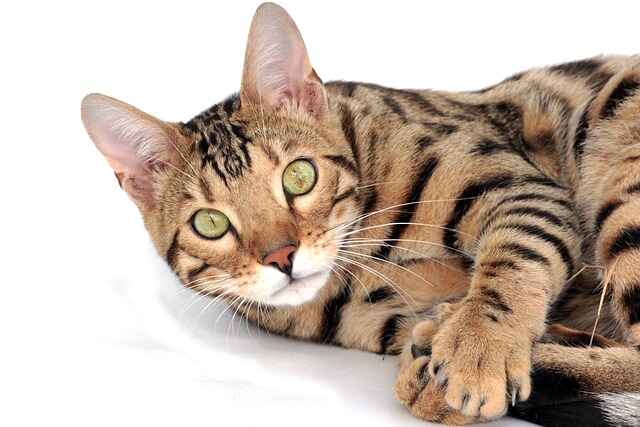
Quick answer: Most pet-quality Bengal kittens from a reputable breeder cost between $1,500 and $3,000 in 2026. Show-quality kittens, rare colors like silver or charcoal, and early-generation cats (F1 through F3, closer to their wild Asian Leopard Cat ancestor) can run anywhere from $3,500 well into five figures. Anything advertised far below $1,500 is worth treating with suspicion rather than excitement.
Key Takeaways
- Typical pet-quality Bengal kittens run $1,500-$3,000 from a reputable, health-tested breeder.
- Show-quality kittens, rare colors, and early generations (F1-F3) can cost $3,500 to well over $10,000.
- The purchase price is only a fraction of lifetime cost; food, litter, vet care, and enrichment typically add $1,500-$2,500 per year.
- Prices well under $1,000 are a red flag for scams, unregistered backyard breeding, or misidentified domestic tabbies rather than a genuine bargain.
- Generation (F1 through SBT), coat pattern, color, breeder reputation, and region all move the price significantly.
Why Trust This Guide
This guide draws on current 2026 pricing data from established Bengal breed resources and cattery pricing guides, cross-referenced against TICA (The International Cat Association) generation classifications. Prices in the exotic and hybrid cat market shift with demand and regional breeder availability, so treat the ranges here as a realistic starting point for research rather than a fixed quote, and always confirm current pricing directly with breeders in your area.
What Determines a Bengal Kitten’s Price?
Bengal pricing isn’t arbitrary. Breeders factor in several concrete variables, and understanding them helps explain why one Bengal kitten might cost $1,800 while another from the same litter costs $4,000.
Generation. This is the single biggest price driver. Bengals are hybrids, originally created by crossing an Asian Leopard Cat (ALC) with a domestic cat. F1 kittens are the direct offspring of that cross and are roughly 50% wild ancestry. F2 kittens (an F1 female bred to a domestic male) are about 25% wild, F3 is around 12.5%, and F4 and beyond are classified as SBT, or Studbook Tradition, meaning TICA recognizes them as fully domesticated show and pet cats. The vast majority of pet Bengal kittens sold as household companions are F4 or later. Early-generation cats (F1-F3) are rarer, harder to breed, sometimes have unpredictable temperaments, males are frequently sterile through several generations, and in many states or countries their ownership is legally restricted or requires special permits. All of this pushes F1 prices into the $5,000-$20,000+ range, with F2 and F3 landing somewhere in between and SBT generations settling into the more familiar $1,500-$3,000 pet-quality range.
Coat pattern and color. Bengals are best known for two coat patterns: rosetted (spotted, resembling a wild leopard or jaguar) and marbled (swirled, more like a marble countertop). Rosetted cats, especially with well-defined, high-contrast rosettes, tend to command a premium since that’s the signature “wild” look most buyers seek. Standard brown/black coloring is the most common and typically the most affordable. Rarer colors like snow (several sub-varieties exist), silver, charcoal, and blue are less common in litters and are priced accordingly higher, sometimes doubling the cost of a standard brown Bengal of the same generation and quality.
Show quality versus pet quality. Breeders typically evaluate each kitten in a litter against breed standards for coat clarity, body structure, head shape, and overall type. Kittens that meet a high bar for these traits are sold as “show quality” and priced higher, often $3,500-$6,000 or more, while kittens with minor cosmetic deviations from the standard, still perfectly healthy and typical Bengals, are sold as “pet quality” at the more accessible $1,500-$3,000 range. The health and temperament of pet-quality kittens is not inferior; the difference is almost entirely cosmetic and relevant mainly to breeders or show competitors.
Breeder reputation and health testing. Reputable breeders test for genetic conditions common in the breed, such as hypertrophic cardiomyopathy (HCM) and progressive retinal atrophy (PRA), provide vaccinations and vet checks before sale, and register kittens with TICA or another recognized registry. This testing and paperwork cost the breeder money and time, which is reflected in the purchase price. A price that seems too good to be true is very often exactly that.
Region and local demand. Bengal availability and pricing vary by geographic area. Major metro areas with more disposable income and fewer local breeders can see higher average prices, while regions with several established Bengal catteries may have more competitive pricing.
Typical Price Ranges at a Glance
- Pet-quality SBT kitten (standard brown, F4+): $1,500-$3,000
- Show-quality or rare color (silver, charcoal, snow): $3,500-$6,000
- Early generation (F2-F3): Often $4,000-$8,000, sometimes higher depending on color and quality
- F1 (direct ALC hybrid): Commonly $5,000-$20,000 or more, with restricted availability and legal ownership rules in many areas
- Rescue or rehoming Bengal: Adoption fees typically range from $75-$300 through a shelter or breed-specific rescue, dramatically less than buying from a breeder
These figures reflect the US market in 2026 and can shift with breeder location, litter availability, and demand, so use them as a planning baseline rather than an exact quote.
Red Flags: When a “Deal” Isn’t Actually a Deal
Because Bengals are expensive to breed responsibly, genuine reputable breeders rarely list kittens far below $1,500. If you come across a Bengal kitten advertised for a few hundred dollars, be cautious. Common explanations include: the cat is not actually a purebred Bengal but a domestic shorthair with a spotted coat being marketed as one; the breeder is cutting corners on genetic health testing, vaccinations, or registration; the operation is an unlicensed backyard breeder with poor breeding practices and no health guarantees; or, in the worst cases, it’s an outright scam where no kitten exists at all, common with online-only sellers who ask for payment before any in-person or video verification.
Legitimate breeders will typically let you visit in person (or do a live video call at minimum), show you the kitten with its mother and littermates, provide health records and registration paperwork, and answer detailed questions about the cat’s lineage and generation without hesitation. Hesitation, pressure to pay quickly, or refusal to provide documentation are all signs to walk away.
Ongoing Costs Beyond the Purchase Price
The sticker price of the kitten is just the entry cost. Bengals are an active, intelligent breed that need mental stimulation, and their ongoing care adds up over a typical 12-16 year lifespan. Realistic annual costs include: premium cat food suited to an active breed (Bengals often do well on higher-protein diets), routine vet visits and vaccinations, litter, flea and parasite prevention, pet insurance if you choose to carry it, and enrichment items like cat trees, puzzle feeders, and interactive toys, since bored Bengals are prone to destructive behavior. Altogether, most owners budget $1,500-$2,500 per year for a Bengal’s ongoing care, which over a full lifespan can add up to $20,000-$40,000 or more beyond the initial purchase price. Anyone budgeting for a Bengal should plan for this total cost of ownership rather than just the upfront kitten price.
Should You Consider Adoption Instead?
Purebred Bengals do occasionally end up in shelters or breed-specific rescues, often because an owner underestimated how active and demanding the breed can be. Adoption fees through a shelter or rescue organization are typically $75-$300, a fraction of breeder pricing, and usually include spay/neuter, initial vaccinations, and sometimes a health screening. The tradeoff is that you won’t have the same certainty about lineage, generation, or health history that a breeder relationship provides, and you may need patience waiting for a Bengal specifically to become available, since they’re less common in general shelter populations than mixed breeds. Breed-specific rescue groups are usually the more reliable route if adoption is your priority, since they specialize in placing Bengals and similar breeds and can offer more background on a given cat’s temperament and needs.
Questions to Ask Any Breeder Before Buying
Before committing to a purchase, it’s worth asking direct questions: What generation is this kitten (F1 through SBT)? Has the breeding line been tested for HCM and PRA? Can I see health clearances for the parents? Is the kitten registered with TICA or another recognized body, and will I receive that paperwork? What is the return or rehoming policy if circumstances change? Can I meet the kitten’s mother? A breeder who answers these questions readily and transparently is generally a stronger sign of legitimacy than the price tag itself.
How Bengal Pricing Compares to Other Purebred Cats
For context, Bengals sit in a similar price bracket to other popular purebred cats. If you’re comparing options, it’s worth also looking into how much a Persian cat typically costs, since Persians occupy a comparable mid-to-upper price range among purebred options, though without the generation-based pricing swings unique to Bengals. Buyers cross-shopping breeds should compare not just purchase price but temperament and care demands, since an active breed like the Bengal has very different day-to-day needs than a calmer, lower-energy breed.
A Note on Reproduction and Mixed Litters
Because Bengals are a hybrid breed with a documented wild ancestor, questions sometimes come up about cross-species breeding more broadly and what is or isn’t biologically possible. If you’re curious about the mechanics of feline reproduction and where common myths come from, this explainer on cat reproductive biology and common pregnancy myths covers the basics clearly and debunks some persistent misconceptions.
Physical Traits Worth Knowing Before You Buy
Beyond price, prospective owners should understand a few Bengal-specific physical traits. Bengals are a muscular, athletic breed, often larger and more solidly built than the average domestic shorthair, and they retain a notably wild appearance even many generations removed from their ALC ancestor. Some Bengals, like many cats, can develop tail abnormalities; if you’re researching a kitten and notice something unusual about its tail, this guide on kinked tails in cats explains the common causes and when it’s worth a vet visit versus when it’s simply a harmless quirk.
How to Find and Vet a Reputable Bengal Breeder
Finding the right breeder takes more effort than a quick search, but it’s the step that most affects whether you end up with a healthy, well-socialized kitten and a fair price. Start with breeders registered with TICA, since that registry maintains breed standards and requires certain record-keeping. A cattery’s website or social media presence isn’t proof of legitimacy on its own, but it can help you see the conditions kittens are raised in, how litters are described, and whether health testing results are shared openly rather than vaguely referenced.
Once you’ve identified a few candidates, ask to visit in person if you’re local, or request a live video call if the breeder is farther away. A responsible breeder will happily show you the kitten’s living space, introduce you to the mother, and answer questions about temperament, generation, and lineage without becoming defensive. Expect a written contract that covers health guarantees, spay/neuter requirements (many breeders sell pet-quality kittens on a spay/neuter contract to protect their breeding lines), and a return or rehoming clause if your circumstances change. Reputable breeders also tend to have a waiting list rather than kittens available immediately on demand, since responsible breeding programs plan litters carefully rather than breeding continuously to meet demand.
Payment Structures and Deposits
Most breeders require a non-refundable deposit, often $200-$500, to hold a specific kitten from a litter, with the balance due at pickup or before the kitten goes home, typically around 12-14 weeks of age once it’s fully vaccinated and weaned. Some breeders offer payment plans for higher-priced kittens, particularly for show-quality or early-generation cats, though this varies by cattery and isn’t universal. Be wary of any breeder asking for full payment upfront, sight unseen, with no contract, no health documentation, and no ability to verify the kitten exists, a common pattern in online scams targeting Bengal buyers specifically because of the breed’s high price point and desirability.
Insurance and Budgeting for an Active Breed
Given the breed’s overall cost and its athletic, high-energy temperament, some new owners choose to carry pet insurance to help offset unexpected vet bills, particularly given the HCM risk noted earlier. Policies vary widely in cost and coverage, but budgeting for either insurance premiums or a dedicated emergency savings fund is a reasonable part of total ownership planning, on top of the routine annual costs already covered above. Because Bengals are intelligent and physically demanding cats, many owners also find that investing in enrichment early, cat trees, window perches, puzzle feeders, and regular play sessions, actually reduces long-term costs by preventing destructive behavior and the vet visits or property damage that can follow from an under-stimulated Bengal.
Bottom Line
Budget $1,500-$3,000 for a pet-quality SBT Bengal kitten from a reputable, health-tested breeder, and expect to pay considerably more for show quality, rare colors, or early generations closer to the breed’s wild ancestry. Factor in $1,500-$2,500 per year in ongoing costs on top of the purchase price, and treat any listing priced dramatically below market as a red flag rather than a lucky find. If the price tag feels out of reach, breed-specific rescue and adoption is a legitimate, far more affordable path to bringing a Bengal into your home.
FAQ: Bengal Kitten Pricing
What is the average price of a Bengal kitten?
Most pet-quality Bengal kittens from reputable breeders cost $1,500-$3,000 in 2026, with show-quality or rare-color kittens running higher.
Why are some Bengal kittens so much more expensive than others?
Generation (how many breedings removed from the original Asian Leopard Cat hybrid), coat pattern and color rarity, show quality versus pet quality, and breeder health testing all significantly affect price.
What does F1, F2, or SBT mean for a Bengal cat?
These labels indicate generational distance from the original Asian Leopard Cat cross. F1 is a direct hybrid (about 50% wild ancestry), F2 and F3 are progressively less wild, and F4 onward are SBT, fully domesticated and TICA-recognized as standard pet and show cats.
Is it legal to own an F1 or F2 Bengal cat?
Ownership rules vary significantly by state and country, and early-generation Bengals are restricted or banned in some jurisdictions. Always check local exotic and hybrid animal ownership laws before purchasing an F1-F3 Bengal.
Why should I be suspicious of a cheap Bengal kitten?
Responsible breeding, health testing, and registration cost money, so genuine Bengals rarely sell for a few hundred dollars. Very low prices usually indicate a misidentified non-Bengal cat, an unlicensed breeder, or a scam.
How much does it cost to own a Bengal cat over its lifetime?
Beyond the purchase price, expect $1,500-$2,500 annually in food, litter, vet care, and enrichment, which can total $20,000-$40,000 or more over a typical 12-16 year lifespan.
Can I adopt a Bengal cat instead of buying one?
Yes. Breed-specific rescues and shelters occasionally have Bengals available, typically for $75-$300 in adoption fees, though availability and certainty about lineage will be more limited than buying from a breeder.
What health issues should I ask a Bengal breeder about?
Ask specifically about testing for hypertrophic cardiomyopathy (HCM) and progressive retinal atrophy (PRA), both known concerns in the breed, along with general vaccination and vet check records.
[…] Which foreign pets are legal in Washington State? […]