
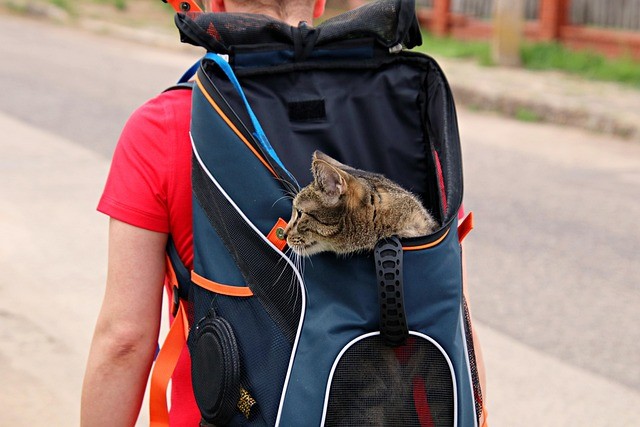
For most cats, the carrier only comes out right before something unpleasant happens: a car ride, a vet visit, a stressful trip. It’s no wonder so many cats bolt at the first sight of it. But a carrier doesn’t have to mean panic. With the right approach, most cats can learn to walk into their carrier calmly, or at least tolerate it without a full-blown struggle, which makes every future vet visit and trip considerably less stressful for both cat and owner.
This guide covers how to choose a carrier cats actually tolerate better, how to build a positive association with it well before it’s needed, and what to do on the day of an actual trip to keep stress as low as possible.
Quick Answer: Get a cat used to its carrier by leaving it out year-round as a familiar object, feeding meals near and eventually inside it, and gradually practicing closed-door confinement and short carries before ever needing it for a real trip. Most cats improve within two to three weeks of consistent, low-pressure practice.
Key Takeaways
- Leaving the carrier out permanently, rather than storing it away, is the single most effective change most owners can make.
- Top-loading carriers or carriers with removable tops are generally less stressful for cats and easier for vet exams.
- Build comfort gradually: exploration, feeding near then inside, brief closed-door practice, then short carries.
- Covering the carrier and keeping it level during transport reduces visual stress on actual trip days.
- Cats with a strong negative history may take six to eight weeks or longer of patient, gradual work.
Why Trust This Guide?
This guide is written and researched by the Pets Store Home editorial team. We cross-check our cat behavior guidance against established veterinary and feline behavior sources, and this article is reviewed periodically to keep it accurate and current. It’s intended as general information; a veterinary behaviorist can help if a cat’s carrier anxiety is severe or prevents necessary veterinary care.
Why Cats Fear the Carrier
Cats build associations quickly, and if the carrier only appears immediately before a stressful car ride or an uncomfortable vet exam, it doesn’t take many repetitions for a cat to learn that carrier equals bad things happening. Beyond the learned association, the carrier itself can feel inherently threatening to a cat: it’s an enclosed space with limited visibility, it moves unpredictably when carried, and it’s often stored out of sight most of the year, making its sudden appearance itself a signal that something unusual is about to happen.
Choosing a Carrier Cats Tolerate Better
Top-loading carriers allow a cat to be lowered in from above rather than pushed through a small front opening, which is considerably less stressful for many cats and also makes vet exams easier, since some carriers allow the top half to be removed entirely, letting a cat stay in the bottom half during the exam itself.
Carriers with removable tops offer this same benefit and are increasingly common; ask about this feature specifically when shopping for a new carrier.
Size matters. A carrier should be large enough for a cat to stand, turn around, and lie down comfortably, but not so large that the cat feels exposed and lacks a sense of secure enclosure once inside.
Hard-sided vs soft-sided carriers each have advantages; hard-sided carriers are easier to clean and more secure for anxious cats prone to pushing at the sides, while soft-sided carriers are lighter and can be more comfortable to carry, though a truly determined cat may be able to scratch through the fabric.
Making the Carrier Part of Everyday Life
The single most effective change most owners can make is leaving the carrier out permanently in a room the cat spends time in, rather than storing it away and only bringing it out for trips. Add a soft blanket or bed inside, and let the cat investigate and use it on its own terms, with no expectation of going anywhere. Over time, many cats begin using an always-available carrier as a regular napping or hiding spot, which fundamentally changes the association from something threatening to something familiar and safe.
Step-by-Step: Building a Positive Carrier Association
Step 1: Leave the carrier out with the door open (or removed). Let the cat explore at its own pace over several days to weeks, with no pressure to enter.
Step 2: Make the inside appealing. Place a familiar-smelling blanket, favorite toy, or occasional treats inside to encourage voluntary exploration.
Step 3: Feed meals near, then inside, the carrier. Start with the food bowl just outside the carrier, then gradually move it closer and eventually just inside the doorway over a series of days.
Step 4: Practice brief, door-open confinement. Once a cat is comfortable eating inside the carrier, practice closing the door for just a few seconds while the cat is calm, then opening it again, gradually building duration over many short sessions.
Step 5: Practice carrying the closed carrier briefly. Pick up the carrier with the cat inside and walk a few steps around the room, then set it down and open it, rewarding calm behavior throughout.
Step 6: Practice short car rides with no destination. Once carrying is tolerated well, a few short, uneventful car rides that end back at home (rather than always at the vet) help decouple car travel from stressful outcomes.
Using Treats and Calm Praise Throughout
Reward generously at every stage: for approaching the carrier, for eating near it, for stepping inside, and for tolerating the door closing. High-value treats reserved specifically for carrier practice help build a strong, specific positive association tied to this particular training.
Pheromone Products and Calming Aids
Synthetic feline facial pheromone sprays, applied to the inside of the carrier about fifteen minutes before use, can help reduce stress for some cats, and pheromone diffusers used in the room where the carrier lives may support the broader desensitization process. These aren’t a substitute for the gradual training approach, but they can meaningfully take the edge off for anxious cats.
Making Vet Trips Themselves Less Stressful
Beyond carrier training, a few habits reduce overall trip stress: covering the carrier with a light towel during transport to reduce visual stimulation, keeping the carrier still and level rather than swinging it while walking, choosing a “fear free” certified veterinary clinic if one is available locally, and asking the clinic about direct-to-exam-room scheduling to minimize time spent in a stressful waiting room around other animals.
What to Do If a Cat Refuses to Enter
For cats that won’t approach the carrier even with encouragement, try tipping the carrier vertically with the door facing up, and gently, calmly lowering the cat in from above rather than trying to push it through a horizontal opening, which many cats resist more strongly. A thick towel wrapped snugly around the body (sometimes called a “cat burrito”) can also help calm and safely maneuver a highly resistant cat during a genuine emergency, though this shouldn’t replace the longer-term desensitization work for routine trips.
Multi-Cat Households and Carrier Training
In homes with more than one cat, train each cat with its own individual carrier and its own practice sessions, since cats can pick up on each other’s stress, and a negative carrier experience with one cat can inadvertently affect how a housemate perceives the process. If cats need to travel together, only combine them in a single carrier once each is independently comfortable with carrier confinement.
What to Pack Alongside the Carrier
For longer trips or appointments where a cat might need to wait, packing a few extras alongside the carrier itself helps manage stress: a familiar-smelling small blanket to line the bottom, a few high-value treats for the waiting room, and a lightweight cover (even a large towel works) to drape over the carrier in busy or loud waiting areas, reducing visual stimulation from other animals and unfamiliar people passing by.
Introducing a New Carrier to an Already-Trained Cat
If an old, familiar carrier is being replaced, don’t assume the positive association will transfer automatically to a new one. Run through an abbreviated version of the same desensitization steps, feeding near and then inside the new carrier, before relying on it for an actual trip, since even carrier-savvy cats can be wary of a completely unfamiliar object at first.
How Long Carrier Training Typically Takes
Cats with mild carrier aversion often show meaningful improvement within two to three weeks of consistent, positive exposure. Cats with a strong negative history, particularly those who’ve had frightening past experiences, may take six to eight weeks or longer of patient, gradual work. As with most behavior training, consistency across many short sessions produces better results than occasional long ones.
Carrier Training for Kittens
Introducing carrier association during kittenhood, well before it’s ever needed for a real trip, tends to prevent the fear response from developing in the first place. Kittens that regularly explore and rest in an always-available carrier from a young age often grow into adult cats with little to no carrier anxiety at all, making this one of the more valuable early investments in a kitten’s long-term comfort with routine veterinary care.
Airline-Approved vs Standard Carriers
For cats that travel by air, airline-approved carriers meet specific size and ventilation requirements set by individual carriers, and it’s worth checking the exact dimensions allowed under the seat of the specific airline being used well before travel, since requirements vary. For cats that only travel by car or to local appointments, a standard, well-ventilated carrier without airline certification works perfectly well and often offers more interior room for the same overall footprint.
Carrier Training for Senior or Medically Anxious Cats
Older cats, or cats with a history of chronic illness requiring frequent vet visits, sometimes develop particularly strong negative carrier associations simply due to the sheer number of past stressful trips. For these cats, the gradual desensitization process described above still applies, but often needs to move even more slowly, with smaller steps and longer periods at each stage before advancing. Extra patience here pays off, since these are often the cats who need the most frequent veterinary care going forward, making a calmer carrier experience especially valuable long term.
Choosing a Carrier Based on Cat Personality
Confident, curious cats often adapt fastest to carriers with more visibility, like mesh-sided soft carriers that let them see out and stay oriented to their surroundings. More anxious or easily overwhelmed cats often do better with a more enclosed, den-like hard carrier that limits visual stimulation and feels more like a secure hiding spot. There’s no single best carrier type for every cat; matching the carrier’s openness to the individual cat’s temperament can meaningfully improve tolerance.
Cleaning and Maintaining the Carrier
A carrier that smells like a previous stressful event, from anxiety-related urination or vomiting during past trips, can undermine training on its own. Thoroughly cleaning the carrier after any accident, and periodically refreshing bedding inside even without an obvious accident, helps ensure the carrier’s scent profile stays associated with comfort rather than past stress.
Signs a Cat’s Carrier Anxiety Needs Professional Support
If a cat shows extreme, prolonged panic (heavy panting, drooling, complete refusal to calm down even well after a trip ends) despite consistent gradual training, or if carrier-related stress is severe enough to prevent necessary veterinary care altogether, a veterinary behaviorist can offer additional strategies, including in some cases short-term anti-anxiety medication prescribed specifically to support travel, alongside the behavioral training.
Carrier Placement and Household Location
Where the carrier lives day to day matters almost as much as the training itself. A quiet corner of a room the cat already frequents, away from loud appliances, foot traffic, or a resident dog’s usual path, gives a cat the confidence to investigate at its own pace. Avoid placing it near the litter box or food and water, since cats generally prefer these areas kept separate, and a carrier associated with either can pick up unwanted negative or overly casual associations that work against the calm, secure feeling you’re trying to build.
Carrier Training Alongside Other Behavioral Work
For cats already working through unrelated anxiety, such as noise sensitivity or a recent house move, it’s often more effective to let carrier training settle in on its own rather than layering it on top of an already stressful adjustment period. Starting carrier desensitization during a calmer stretch, once other stressors have eased, tends to produce faster, more reliable progress than trying to tackle everything simultaneously.
What to Expect Immediately After a Trip
Once home, resist the urge to immediately let a stressed cat out of the carrier into a busy household. Set the carrier down in a quiet room, open the door, and let the cat emerge and decompress on its own timeline rather than pulling it out. Offering a favorite treat once it’s out, and giving it space to retreat somewhere familiar, helps close out the trip on a calmer note, which supports the broader positive-association work over time.
Common Mistakes That Undermine Carrier Training
Only bringing the carrier out immediately before a stressful trip, rather than keeping it available year-round, is the single most common setback. Chasing a cat around the house to force it into the carrier at the last minute reinforces exactly the fear response the training is meant to prevent. And skipping the gradual steps entirely, going straight from an unfamiliar carrier to a car ride, sets a cat up to associate the carrier with panic rather than safety from the very first real-world use.
Involving the Whole Household in Carrier Training
If multiple people handle the cat day to day, make sure everyone follows the same approach: leaving the carrier accessible, rewarding calm investigation, and never using it as a way to trap or startle the cat for unrelated reasons like grooming or medicating. A cat that occasionally gets scooped up and shoved into the carrier by one household member, even rarely, can undo weeks of careful positive-association work built by everyone else.
Related Reading
Frequently Asked Questions
Should I leave the carrier out all the time?
Yes, this is one of the most effective changes you can make. A carrier that’s always available and non-threatening becomes a familiar part of the environment rather than a signal that something stressful is about to happen.
What if my cat hisses or scratches when I try to put it in the carrier?
This is a sign the training needs to move more slowly. Back up to an earlier step, like feeding near the carrier, and rebuild positive associations before attempting confinement again.
Are soft carriers or hard carriers better?
Both work well for most cats. Hard-sided, top-loading carriers tend to be easier for anxious or resistant cats and for vet exams, while soft carriers are lighter and easier to store.
How far in advance should I start carrier training before a planned trip?
Ideally several weeks, though even a few days of focused positive association work is better than none if time is limited.
Can pheromone sprays alone fix carrier anxiety?
They can help reduce stress but work best alongside gradual positive-association training rather than as a standalone fix.
Is it normal for an older cat to still be scared of the carrier?
Yes, especially if the carrier has mostly been associated with stressful trips throughout its life. Older cats can still improve with consistent, patient retraining.
A Note on Patience
Carrier training rarely feels dramatic while it’s happening; progress shows up as small, easy-to-miss improvements rather than a single breakthrough moment. Trusting the gradual process, even when a cat still seems wary after several weeks, tends to pay off with a noticeably calmer cat by the time the next trip actually arrives.
Final Thoughts
A cat’s fear of the carrier is almost always learned through repeated association with stressful trips, which means it can also be unlearned through the opposite: repeated, low-pressure, positive exposure. Leaving the carrier out as a normal part of the home, building comfort gradually through feeding and short practice sessions, and making actual trips as calm as possible all add up over time. Most cats, even those with a long history of carrier fear, show real improvement with a few weeks of consistent, patient practice.
[…] Which foreign pets are legal in Washington State? […]