
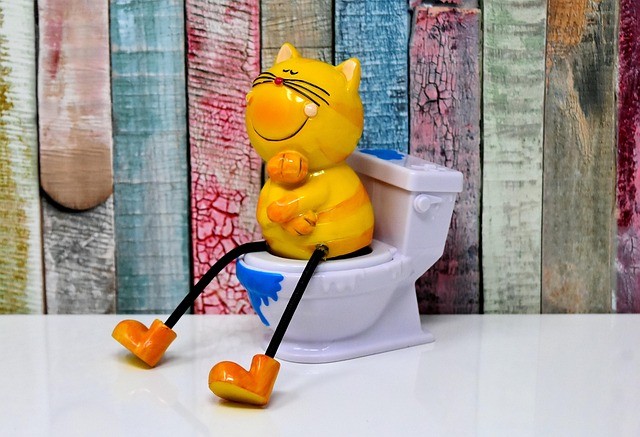
Compared to potty training a puppy, litter training a kitten is usually refreshingly simple, kittens have a strong natural instinct to dig and bury their waste, so most of the “training” is really just setting up the right conditions and getting out of the way. That said, a few common mistakes can turn an easy process into a frustrating one. Here’s a clear, step-by-step approach to getting it right from day one.
Quick Answer: Litter train a kitten by placing them in a low-sided litter box with unscented litter shortly after meals, naps, and play, choosing a quiet, accessible location, and letting their natural digging instinct take over. Most kittens pick up the basics within a few days to two weeks, especially if they learned from their mother, with consistency and a clean, appropriately sized box being the biggest factors in success.
Key Takeaways
- Kittens have a strong natural instinct to dig and bury waste, which makes litter training easier than most other pet training.
- Placing a kitten in the box after meals, naps, and play sessions builds the habit quickly.
- Unscented, fine-grain litter and a low-sided box are generally the easiest starting point for young kittens.
- The general rule of thumb is one litter box per cat, plus one extra, spread across accessible locations.
- Sudden litter box avoidance in an already-trained cat is often a sign of a medical issue or stress, not defiance.
Why Trust This Guide?
This guide is written and researched by the Pets Store Home editorial team. We cross-check our cat behavior guidance against established veterinary and animal-behavior sources, and this article is reviewed periodically to keep it accurate and current. It’s intended as general guidance; consult your vet if litter box issues persist despite consistent training, since this can sometimes signal an underlying health problem.
Why Litter Training Is Usually Easy
Unlike puppies, who need to learn an entirely new behavior, kittens are biologically wired to dig and bury their waste from a very young age, often starting to copy this behavior from their mother by three to four weeks old. This instinct means litter training is less about teaching a new skill and more about providing the right setup and removing obstacles that might discourage a kitten from using the box. Kittens who were raised with their mother and littermates for at least the first several weeks often arrive already litter-trained or very close to it, having learned by observation before they even come home with you.
Choosing the Right Litter Box
For young kittens, a low-sided box is essential, since a tall, adult-sized box can be physically difficult for a small kitten to climb into, which sometimes leads them to go elsewhere out of simple physical frustration. Look for a box with sides low enough that your kitten can step in easily, roughly no taller than their leg length. Size matters too: while it might seem logical to buy a large box that will last as your kitten grows, an oversized box can feel overwhelming or insecure to a very young kitten. Many owners start with a smaller box and upgrade to a standard adult-sized one once the kitten is a few months old and confidently using it.
Choosing the Right Litter Type
Unscented, fine-grain clumping litter is generally the easiest starting point for kittens, since it closely resembles the texture of natural soil that triggers their digging instinct, and unscented formulas avoid overwhelming a kitten’s sensitive nose. Avoid clumping litter for very young kittens (under about 8 weeks) who might ingest it while grooming, since it can cause digestive blockages; a non-clumping or kitten-specific litter is safer for that early stage. Steer clear of scented litters, crystal litters, or anything with a strong texture change early on, since kittens can be surprisingly particular, and an unfamiliar texture is one of the most common reasons a kitten avoids the box entirely.
Step-by-Step Litter Training Method
- Set up the box first, in a quiet, accessible location, before your kitten even arrives home if possible.
- Show your kitten the box as soon as they arrive, placing them gently inside so they can investigate the texture.
- Place your kitten in the box after key moments: waking from a nap, finishing a meal, and after energetic play, since these are the times kittens are most likely to need to go.
- Let them dig and explore without interference; avoid holding their paws or forcing digging motions, which can create negative associations.
- Praise calmly after a successful use, without being so enthusiastic that you startle or interrupt them.
- Keep the box scrupulously clean, scooping at least once daily, since cats are notably particular about a clean bathroom space.
- Repeat consistently for the first week or two until the habit is firmly established.
Placement and Number of Litter Boxes
Where you put the litter box matters almost as much as the box itself. Choose a quiet, low-traffic area away from food and water bowls, since cats instinctively avoid eliminating near where they eat. Avoid loud or high-traffic spots like next to a washing machine or in a busy hallway, since a startling noise during use can create lasting box aversion. The general guideline is one litter box per cat, plus one additional box, so a single kitten ideally has access to two boxes, especially in a larger home or multi-level living space. Boxes should be easily accessible; if you live in a multi-story house, having a box on each level reduces the chance of an accident happening simply because the box was too far away.
Signs Your Kitten Needs the Litter Box
Watch for sniffing around the floor, circling in one spot, scratching at the floor or carpet, or a sudden pause during play, all common pre-elimination behaviors. Kittens often need to go shortly after eating or waking from sleep, so treat those windows as good opportunities for a gentle reminder trip to the box even without obvious signals. Over the first couple of weeks, most owners get to know their kitten’s individual cues well enough to redirect them to the box before an accident happens.
Common Litter Training Mistakes
- Using a box that’s too large or too tall for a small kitten to comfortably access.
- Switching litter types too often, which can confuse or deter a kitten who’s still building the habit.
- Not scooping frequently enough; cats are far more likely to avoid a dirty box than most owners expect.
- Placing the box in a loud or high-traffic area, which can make a kitten feel unsafe using it.
- Punishing accidents after the fact, which doesn’t teach the right behavior and can create fear or anxiety around the box.
- Having too few boxes in a multi-cat household, leading to territorial avoidance.
Handling Accidents Outside the Box
Accidents during the training period are normal and don’t necessarily mean training has failed. Clean any accident thoroughly with an enzymatic cleaner made for pet messes, since regular household cleaners can leave behind scent traces that draw a kitten back to the same spot. Never punish a kitten for an accident, especially after the fact, since they won’t connect a reaction minutes later to the incident itself, and it can create fear or anxiety that makes future accidents more likely, not less. If accidents happen repeatedly in the same spot, consider temporarily placing a litter box there, then gradually moving it toward your preferred permanent location over a week or two.
Multi-Cat Household Considerations
Introducing a kitten into a home with existing cats adds a layer of complexity to litter training, since cats can be territorial about resources, including litter boxes. Provide separate boxes rather than expecting a new kitten to immediately share with an established resident cat, and keep them in different locations rather than lined up side by side, which can still feel like a single contested resource to some cats. Watch for signs of resource guarding, like one cat blocking access to the box or lingering near it, and add additional boxes if you notice this happening. Giving the new kitten their own space and box during the initial adjustment period, before slowly increasing access to shared areas, often smooths this transition considerably.
Transitioning Litter Types or Locations
If you need to switch litter brands or move the box’s location later on, do it gradually rather than all at once. For litter changes, mix a small amount of the new litter in with the old, increasing the ratio over a week or two. For location changes, move the box a short distance, a foot or two, every day or two rather than relocating it across the house in one move. Cats generally adapt better to gradual changes, and rushing either transition is one of the more common reasons an already-litter-trained cat suddenly starts having accidents.
When to See a Vet
If a kitten who was previously doing well suddenly starts avoiding the litter box, it’s worth ruling out a medical cause before assuming it’s purely behavioral. Urinary tract infections, bladder stones, and constipation can all make litter box use painful, leading a cat to associate the box itself with discomfort and avoid it. Straining, crying out while trying to eliminate, blood in urine, or very frequent small attempts to urinate all warrant a prompt vet visit, since some urinary issues, particularly in male cats, can become emergencies quickly. If there’s no obvious medical cause, a vet or cat behaviorist can also help identify stress-related triggers behind litter box avoidance.
What Age to Start Litter Training
Kittens typically start showing interest in digging behavior around three to four weeks old, often first copying their mother. Most kittens go home with a new owner around 8-12 weeks, by which point many are already using a litter box independently, having learned by observation before adoption. If you’re caring for a kitten younger than four weeks, they generally aren’t ready for a litter box at all and instead need help eliminating through gentle stimulation, a technique typically used for very young orphaned kittens under veterinary or experienced foster guidance, since their mother would normally handle this.
Litter Box Types: Open, Covered, and Self-Cleaning
Open, low-sided trays are generally the best starting point for kittens, offering easy access and an unobstructed view of their surroundings, which can feel safer to a small, still-cautious kitten. Covered boxes can help contain odor and litter scatter but sometimes make a kitten feel trapped or anxious, especially early on, and can also trap odors in a way that discourages some cats from entering. Self-cleaning boxes, while convenient for owners, are generally best introduced only after a kitten is confidently litter trained in a standard box, since the automated mechanism’s noise and movement can startle a young or new kitten and create lasting aversion to the box.
Training Kittens Without a Mother’s Guidance
Orphaned or very early-weaned kittens who didn’t get to observe their mother’s litter box habits sometimes need a bit more hands-on guidance. Gently place them in the box after meals and naps, and if needed, take their paw and make a light digging motion in the litter to demonstrate the behavior, though most kittens pick this up quickly once placed in the box repeatedly. Patience matters more here than with kittens who had maternal guidance, since these kittens are learning the behavior somewhat from scratch rather than reinforcing an instinct they’ve already seen modeled. Consistency in placement timing tends to make the biggest difference for this group.
Litter Box Maintenance Schedule
Consistent cleaning is one of the biggest factors in long-term litter box success, not just during initial training. Scoop clumps and solid waste at least once a day, ideally twice for multi-cat households or particularly fastidious cats. Do a full litter change and box wash with mild, unscented soap every one to two weeks for clumping litter, or every few days for non-clumping litter, which doesn’t control odor as effectively between full changes. Replace the box itself every year or so, since plastic can absorb odors over time even with regular cleaning, and a box that smells faintly of ammonia even after scooping is often a sign it’s due for replacement. A well-maintained box remains one of the simplest, most effective ways to prevent litter box avoidance long after initial training is complete.
How Much Litter to Use
Litter depth matters more than many new owners expect. Aim for roughly two to three inches of litter, enough for a kitten to dig and cover waste comfortably, but not so much that it feels unstable underfoot or spills over the sides during digging. Too little litter makes it hard for a kitten to bury waste effectively, which some cats find distressing enough to avoid the box afterward, while too much can waste litter and make the box feel awkward to move around in. Check depth every time you scoop, topping up as needed, and adjust based on your specific kitten’s digging style, since some cats dig enthusiastically and displace more litter than others.
Frequently Asked Questions
How long does litter training usually take?
Most kittens pick up the basics within a few days to two weeks, especially if they learned from their mother beforehand. A kitten separated from their mother very early may take a bit longer.
Do I need to show my kitten the litter box more than once?
Usually not for the box itself, but reinforcing the habit by placing them in the box after meals, naps, and play for the first week or two helps the routine stick faster.
Should I use litter box liners?
Liners are optional and some cats dislike the texture or the way claws catch on them while digging. If you use one, watch for signs your kitten is avoiding the box, which may mean it’s better to skip liners entirely.
Is it normal for a kitten to play in the litter?
Some exploratory digging and pawing is normal, especially early on. Persistent playing without eliminating usually resolves as the kitten matures and the novelty wears off.
Can I train a kitten to use a specific type of litter later, like crystal litter?
Yes, but introduce any new litter type gradually by mixing it with the current litter over a week or two, rather than switching abruptly.
Related Reading
Final Thoughts
Litter training a kitten is usually one of the more straightforward parts of bringing a new cat home, since their natural instincts do most of the work for you. Focus on the basics, a clean, accessible, appropriately sized box with unscented litter in a quiet spot, and most kittens settle into the habit within a couple of weeks. If problems do come up, especially after your kitten was previously doing well, treat it as a signal to check for stress, environmental changes, or a possible medical issue rather than a training failure.
How quickly and easily a kitten takes to training often ties back to breed intelligence and temperament. Our guide to Bengal cat behavior looks at one especially trainable, high-energy breed in detail.
[…] Which foreign pets are legal in Washington State? […]