
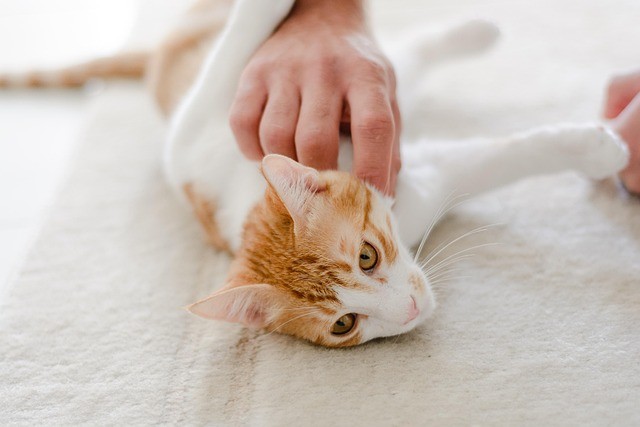
A cat that bites or scratches during what seemed like a friendly petting session, or who lashes out seemingly without warning, can leave owners confused and a little wary of their own pet. Unlike dogs, cats communicate discomfort through a series of subtle body language cues before biting or scratching, and once you learn to read those signals, the behavior usually becomes much more predictable and manageable.
This guide covers the most common reasons cats bite or scratch people, how to recognize the warning signs before it happens, and a practical plan for reducing the behavior, whether it’s happening during play, petting, or as a response to overstimulation.
Quick Answer: Reduce cat biting and scratching by learning to read early warning signs like tail flicking and ear rotation, ending petting sessions before overstimulation occurs, redirecting play biting onto appropriate toys rather than hands, and ruling out pain as a cause for any sudden change in behavior. Never punish physically, since this increases fear and can worsen aggression.
Key Takeaways
- Most cat biting falls into a few recognizable categories: overstimulation, play aggression, fear, and pain-related irritability.
- Cats give clear warning signals, such as tail flicking, flattened ears, and skin rippling, before biting; learning to spot these prevents most incidents.
- Redirecting play biting onto toys from kittenhood prevents the habit of biting hands from forming in the first place.
- A sudden change in a previously tolerant cat’s behavior often points to pain or illness and warrants a veterinary check.
- Physical punishment increases fear and defensive aggression rather than resolving the underlying cause.
Why Trust This Guide?
This guide is written and researched by the Pets Store Home editorial team. We cross-check our cat behavior guidance against established veterinary and feline behavior sources, and this article is reviewed periodically to keep it accurate and current. It’s intended as general information; a veterinarian should always be consulted first for any sudden behavior change, since pain is a common and easily overlooked cause.
The Main Types of Cat Biting and Scratching
Petting-induced overstimulation is one of the most common triggers, where a cat enjoys affection initially but becomes uncomfortable with prolonged or repetitive touch, eventually biting or swatting to communicate “that’s enough.” Play aggression, especially common in kittens and young cats, involves biting or scratching hands and feet during play, often because the cat was never taught to redirect that energy onto appropriate toys. Fear-based aggression happens when a cat feels cornered, startled, or threatened, and it’s a defensive rather than offensive response. Pain-related aggression occurs when touching a specific area, or even general handling, causes discomfort due to an underlying medical issue, and it can appear suddenly in a cat with no prior history of biting.
Reading the Warning Signs Before a Bite
Cats rarely bite completely without warning, even though it can feel that way to an owner who isn’t yet fluent in feline body language. A tail that begins to flick, twitch, or thump against the floor is often one of the earliest signs of rising irritation. Ears rotating sideways or flattening back against the head signal discomfort or defensiveness. Skin rippling along the back, dilated pupils, and a sudden stiffening of the body are also common pre-bite signals. Learning to recognize these cues and stopping the interaction before they escalate is the single most effective tool for reducing bites and scratches.
Step-by-Step: Reducing Overstimulation Biting
Step 1: Learn your cat’s individual tolerance threshold. Pay attention to how long a typical petting session lasts before early warning signs appear, since this varies significantly between individual cats.
Step 2: End sessions proactively, before signals appear. Stop petting a few seconds before the point where warning signs typically start, ending the interaction on a positive note rather than waiting for a bite to signal it’s over.
Step 3: Focus attention on preferred areas. Most cats tolerate petting around the head, cheeks, and base of the ears better than the belly, base of the tail, or lower back; adjusting where you pet can extend a cat’s comfortable window.
Step 4: Let the cat initiate contact more often. Cats that get to choose when and how contact happens, rather than being picked up or petted unpredictably, often show fewer overstimulation incidents over time.
Step 5: Reward calm tolerance. Offer a treat or favored activity after a cat sits calmly through a short, appropriately-timed petting session, building a positive association with gentle handling.
Redirecting Play Aggression
Kittens and young cats that weren’t taught early on to direct their play energy onto toys, rather than hands and feet, often develop a habit of biting during play that can persist into adulthood. The fix starts with never using hands or feet as play objects, even in fun, since this directly teaches a cat that human skin is an acceptable target. Wand toys, which keep hands at a safe distance while still allowing interactive play, are particularly useful for redirecting this energy. If a cat bites during a play session, calmly withdrawing attention and ending the game immediately, rather than pulling away dramatically (which can look like more exciting prey movement), teaches that biting ends the fun rather than escalating it.
Fear-Based Biting and Scratching
A cat that bites or scratches out of fear is trying to create distance from something perceived as threatening, whether that’s a loud noise, an unfamiliar person, a vet visit, or being cornered with no escape route. The most effective response is to avoid forcing interaction and instead let the cat retreat to a safe space, giving them control over when they re-approach. Building positive associations with previously frightening situations, using treats and a slow, patient pace, gradually reduces the fear response over time. Never punish a fear-based bite, since this confirms the cat’s belief that the situation was genuinely dangerous.
Pain as a Hidden Cause
Any sudden change in a previously tolerant cat’s biting or scratching behavior deserves a veterinary check before anything else, since pain is a surprisingly common and easily missed cause. Dental disease, arthritis, urinary tract issues, and internal pain can all make a cat reactive to touch, particularly in areas near the affected region. Senior cats showing new irritability around handling should be evaluated for arthritis specifically, since cats are notoriously good at masking pain and irritability during handling is sometimes the clearest visible sign something is wrong.
Petting-Intolerant Cats: A Distinct Pattern
Some cats show a consistent, individual pattern of low tolerance for petting throughout their lives, independent of any specific trigger, sometimes described as “petting-induced aggression.” These cats often do best with shorter, more frequent positive interactions rather than longer sessions, and owners can usually learn their specific tolerance window fairly precisely with observation. This pattern isn’t something to “fix” so much as something to work around by adjusting handling style to match the individual cat’s preferences.
Multi-Cat Households
Redirected aggression, where a cat becomes agitated by something they can’t reach, such as another animal seen through a window, and then bites or scratches a nearby person or cat instead, is a distinct pattern worth recognizing separately from the categories above. In multi-cat homes, it’s also worth observing whether biting toward people happens more often after tension between cats, since inter-cat stress can spill over into handling-related irritability. Reducing triggers for redirected aggression, such as blocking window views of outdoor cats, can meaningfully reduce this specific pattern.
Common Mistakes That Make Things Worse
Physical punishment, including tapping a cat’s nose or scruffing them as a correction, tends to increase fear and defensive aggression rather than resolving the underlying cause, and can damage trust in ways that take a long time to rebuild. Continuing to pet past the point where warning signs appear, hoping the cat will just tolerate it, reliably leads to more bites rather than fewer. Using hands as play toys, even briefly or “just with kittens,” undermines redirection training and reinforces exactly the habit you’re trying to prevent.
When to Involve a Veterinarian or Behaviorist
Any sudden onset of biting or scratching in a previously calm cat should prompt a veterinary visit first, to rule out pain or illness as an underlying cause. For cases where medical causes are ruled out and the behavior continues despite consistent management, a certified feline behavior consultant can help build a more individualized plan, particularly for fear-based aggression or complex multi-cat household dynamics.
Handling and Restraint-Related Biting
Some cats bite specifically in response to being picked up, held, or restrained in ways they find uncomfortable, particularly cats that weren’t handled much as kittens or who have had negative past experiences with restraint, such as stressful vet visits. Building tolerance gradually, through short, positive handling sessions paired with treats and always ending before discomfort appears, can meaningfully improve a cat’s comfort with being held over time. For cats that need regular handling, such as for medication or grooming, practicing calm, brief handling regularly when nothing stressful is happening builds a more resilient baseline than only handling them during actually stressful events.
Products and Tools That Can Help
Interactive wand toys are one of the most useful tools for redirecting play energy safely, since they let a cat fully engage in stalking, chasing, and pouncing behavior at a safe distance from hands. Puzzle feeders and food-dispensing toys can help provide an outlet for a cat’s hunting instinct in a structured way, which may reduce excess predatory energy directed at hands during other interactions. A consistent stash of high-value treats, used specifically for rewarding calm tolerance during petting or handling, helps build positive associations more quickly than treats used inconsistently across many different contexts.
Tracking Patterns Over Time
Keeping a simple record of when biting or scratching incidents happen, noting the time of day, what preceded it, and how the cat’s body language looked beforehand, often reveals patterns that aren’t obvious in the moment. Some cats show clear time-of-day patterns tied to natural activity cycles, becoming more bite-prone during typically active dawn and dusk hours. Identifying these patterns allows an owner to plan calmer, shorter interactions during naturally higher-energy periods and reserve longer petting sessions for times when a cat is more settled.
When Multiple Cats Are Involved
In multi-cat households, tension between cats can sometimes surface as biting or scratching directed at people, particularly if a person intervenes in or is caught in the middle of cat-to-cat conflict. Addressing underlying tension between cats directly, through adequate resources (multiple feeding stations, litter boxes, and resting spots) and gradual reintroduction techniques where needed, often reduces this spillover aggression toward people as a secondary benefit.
Age and Life Stage Considerations
Kittens naturally have higher energy and a stronger drive to practice hunting behaviors through play, which is why consistent redirection during this stage matters so much for preventing lifelong habits. Adult cats generally show more stable, individually consistent tolerance patterns, making it easier for an owner to learn and work within a specific cat’s preferences over time. Senior cats deserve particular attention to pain as a cause of new irritability, since age-related conditions like arthritis or dental disease become considerably more common and can quietly change a previously tolerant cat’s response to handling.
Building Trust After a Bite Incident
A single bite doesn’t mean a cat is permanently dangerous or that the relationship is damaged beyond repair; it usually just means a boundary was crossed and needs to be better respected going forward. Taking a short break from petting sessions, then rebuilding gradually with very brief, low-pressure interactions focused on the cat’s preferred areas and clear signs of comfort, helps rebuild trust on both sides. Avoiding a rushed return to the exact same interaction that led to the bite, without first identifying and adjusting for what triggered it, reduces the risk of a repeat incident.
Common Questions About Declawing and Alternatives
Declawing is not an appropriate response to scratching-related concerns and is now considered an outdated, welfare-compromising procedure by most veterinary organizations, since it involves amputating part of the toe rather than simply removing the claw. Regular nail trims, consistent access to appropriate scratching surfaces, and soft nail caps are all humane, effective alternatives for managing scratching without resorting to a painful surgical procedure that can also increase biting as a compensatory defense mechanism once clawing is no longer an option.
Tracking Progress Over Time
Keeping brief notes on biting or scratching incidents, including what preceded them and how quickly warning signs appeared, helps clarify whether management changes are working or need adjustment. A gradually lengthening tolerance window for petting, or fewer incidents overall even with occasional off days, is the pattern to look for rather than expecting complete elimination immediately. This kind of tracking is especially useful when introducing new handling routines, since it makes it easier to spot which specific changes are making the biggest difference.
Related Reading
Frequently Asked Questions
Why does my cat bite me after I’ve been petting them and they seemed happy?
This is typically overstimulation; even cats that enjoy petting have a tolerance threshold, and biting or swatting is how they signal that threshold has been reached.
Is it normal for kittens to bite during play?
Yes, but it should always be redirected onto toys rather than hands from the start, since habits formed in kittenhood tend to persist into adulthood if not addressed early.
Should I scruff or tap my cat’s nose when they bite?
No, physical correction tends to increase fear and defensive aggression rather than teaching the behavior you actually want.
My older cat suddenly started biting when I pet them. What changed?
A sudden change like this is a strong signal to schedule a veterinary visit, since pain from dental disease, arthritis, or other conditions is a common and often overlooked cause.
How can I tell the difference between play biting and real aggression?
Play biting usually comes with relaxed body language, no vocalization, and often happens during an active game; fear or pain-related biting tends to come with flattened ears, dilated pupils, and clear tension beforehand.
Will my cat grow out of biting on their own?
Some play-based biting does improve with maturity, but consistent redirection speeds up the process considerably and prevents the habit from becoming entrenched.
Final Thoughts
Cat biting and scratching almost always makes sense once you understand the specific trigger behind it, whether that’s overstimulation, redirected play energy, fear, or an underlying medical issue. Learning to read early warning signs, redirecting play onto appropriate toys, and ruling out pain for any sudden change in behavior address the vast majority of cases without ever needing physical correction, which tends to make things worse rather than better.
[…] Which foreign pets are legal in Washington State? […]