
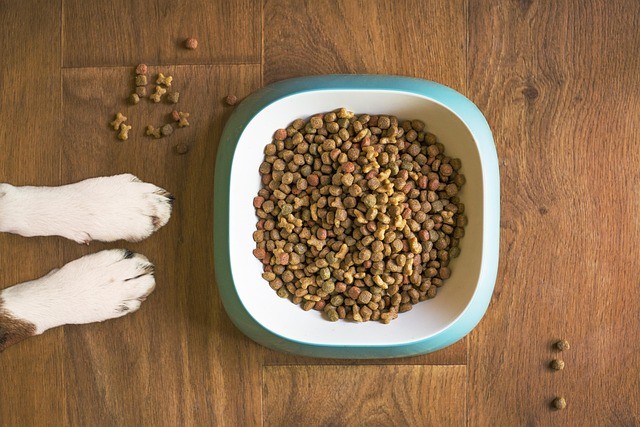
A dog that freezes, growls, or snaps when someone approaches their food bowl, a favourite toy, or a resting spot isn’t being dominant or spiteful, they’re showing resource guarding, a natural protective response rooted in the instinct to keep hold of something valuable. It’s one of the more concerning behaviors owners encounter because it involves warning signals and sometimes aggression, but it’s also one of the more predictable and trainable behaviors when addressed early and calmly.
This guide explains what resource guarding actually looks like, why dogs do it, and a structured, force-free approach to reducing it, along with guidance on when the behavior needs professional support rather than a home training plan.
Quick Answer: Reduce resource guarding by teaching a dog that people approaching their food, toys, or space predicts good things rather than loss, using a gradual trade-up and counter-conditioning approach rather than confrontation. Never punish growling, since it’s a valuable warning signal. Severe cases, especially with children in the home, need a professional trainer or behaviorist.
Key Takeaways
- Resource guarding is a normal, instinct-driven behavior, not a sign of dominance, spite, or a fundamentally aggressive dog.
- Growling and stiffening are communication, not the problem itself; punishing these warnings can remove them and make bites more sudden and less predictable.
- Counter-conditioning, teaching a dog that a person’s approach predicts something better rather than loss, is the core evidence-based technique.
- Management, such as feeding separately in multi-dog homes, prevents incidents while training is underway.
- Guarding around children, or guarding that includes biting, needs professional support rather than a purely self-directed plan.
Why Trust This Guide?
This guide is written and researched by the Pets Store Home editorial team. We cross-check our dog behavior guidance against established veterinary and force-free training sources, and this article is reviewed periodically to keep it accurate and current. It’s intended as general information; a certified trainer or veterinary behaviorist should be consulted directly for cases involving bites or households with young children.
What Resource Guarding Actually Looks Like
Resource guarding exists on a spectrum. Mild guarding might involve a dog eating faster, angling their body over a bowl, or giving a hard stare when someone walks past during a meal. Moderate guarding often includes a low growl, freezing, or lip-lifting when someone reaches toward the item. Severe guarding can involve snapping or biting with little warning, particularly if earlier warning signals have previously been punished and suppressed. Recognizing where a dog’s current behavior sits on this spectrum helps determine whether a home training plan is appropriate or whether professional support should come first.
Why Dogs Guard Resources
Guarding is rooted in a basic survival instinct: valuable resources, whether food, toys, resting spots, or even people, are worth protecting, and this instinct doesn’t disappear just because a dog lives in a safe, well-fed home. Some dogs are simply more prone to guarding due to genetics or early life experience, particularly dogs that experienced food scarcity as puppies, such as many former strays or dogs from overcrowded shelter environments. Learned experience also plays a role: a dog that has previously had a bone or toy taken away abruptly, without anything positive replacing it, may generalize that people approaching valuable items means loss is coming, which reinforces guarding over time.
Why Punishing Growling Backfires
Growling is one of the clearest, most useful signals a dog can give, communicating discomfort before escalating further. Punishing a dog for growling, whether through yelling, a physical correction, or forcibly taking the item away, doesn’t address the underlying discomfort; it simply teaches the dog that warning signals lead to punishment. Over time, this can suppress the growl while leaving the underlying anxiety intact, producing a dog that skips the warning stage entirely and moves straight to snapping or biting. This is one of the most important principles in resource guarding work: address the emotional response behind the behavior rather than punishing the communication itself.
Step-by-Step: Counter-Conditioning Around Food
Step 1: Establish a safe starting distance. Stand far enough from the bowl during a meal that the dog shows no stiffening, freezing, or other guarding signs, even if that distance is across the room initially.
Step 2: Toss a high-value treat toward the bowl and step back. From that safe distance, toss something better than the current food (like a small piece of chicken) toward the bowl, then retreat immediately, so the dog learns your approach predicts an addition, not a threat.
Step 3: Repeat until relaxed, then decrease distance gradually. Once a dog shows visible relaxation or even anticipation at this distance over several sessions, move slightly closer and repeat the same toss-and-retreat pattern, always watching for stress signals before progressing further.
Step 4: Progress to walking past and dropping a treat. Once close-distance tossing is reliably relaxed, practice walking past the bowl and dropping a treat into it without stopping or reaching toward the dog, continuing to build the association that your presence near the bowl adds value.
Step 5: Build toward brief, calm proximity. Over many sessions, work toward being able to stand calmly near the bowl while the dog eats, always without ever removing the bowl or the food during this phase of training.
Step 6: Only practice retrieval once guarding is fully resolved. Actually taking the bowl away should be trained separately and much later, using a clear “trade” cue paired with a better reward, and only once the dog shows no guarding signals at all during the approach-based work above.
Applying the Same Principles to Toys and Chews
Toy and chew guarding responds to the same counter-conditioning logic as food guarding: approaching a dog with a toy should predict good things, not loss. Practicing a reliable “trade” cue, offering a higher-value item in exchange for the guarded one and immediately giving the original item back afterward at least some of the time, teaches a dog that giving something up doesn’t always mean losing it permanently. Avoid grabbing toys directly from a dog’s mouth during training, since this directly reinforces the fear that triggers guarding in the first place.
Guarding of Spaces, Beds, and People
Some dogs guard locations, such as a bed, a crate, or a favorite spot on the sofa, rather than physical objects, and a smaller number guard a specific person, showing stiffness or growling when another pet or person approaches someone they’re attached to. Space and person guarding often respond well to teaching a strong “off” or “place” cue paired with generous rewards for calmly vacating a guarded spot on request, alongside the same counter-conditioning principle of making approach predict good things rather than eviction.
Multi-Dog Households
In homes with more than one dog, resource guarding between dogs is common and often best managed through separation during high-value activities rather than attempting to train it away entirely. Feeding dogs in separate rooms or crates, picking up high-value chews when they’re not actively supervised, and giving each dog their own designated resting space all reduce the number of opportunities for conflict. Management in multi-dog homes is often more practical and effective long-term than trying to teach dogs to fully share, particularly for items like bones or long-lasting chews.
Resource Guarding and Children
Households with young children need a more cautious approach, since children are less able to read subtle warning signals and more likely to approach a dog’s food or toys unpredictably. Strict management, such as feeding the dog in a separate, child-free space and never allowing a young child near the dog during meals or high-value chew time, is essential regardless of how far training has progressed. Any resource guarding around children, even mild guarding, is a strong reason to bring in a certified professional trainer or veterinary behaviorist rather than relying solely on a self-directed plan.
Rescue Dogs and Resource Guarding
Dogs with a history of food insecurity, such as strays or dogs from overcrowded shelters, often show more pronounced resource guarding, at least initially, and this typically improves with time, consistent access to food, and the counter-conditioning approach described above. Rushing a newly adopted dog’s food or toy access, or testing whether they’ll guard by deliberately approaching during meals, tends to increase anxiety rather than build trust. Patience and a predictable routine, more than any single technique, tend to produce the best results with rescue dogs during the first few months in a new home.
Common Mistakes That Make Guarding Worse
Testing a dog’s guarding by repeatedly taking food or toys away “to show them who’s boss” is one of the most common and most damaging mistakes, since it directly reinforces the fear driving the behavior rather than resolving it. Punishing growls or stiffening, as discussed above, removes an important warning system rather than addressing the underlying issue. Rushing the distance-reduction steps in counter-conditioning, moving closer before a dog is consistently relaxed at the current distance, can also trigger a stress response that sets training back.
When to Bring in a Professional
Any case involving an actual bite, a household with young children, or a dog that shows guarding across many different contexts (food, toys, space, and people) benefits from professional guidance rather than a purely home-based plan. A certified behavior consultant or veterinary behaviorist can assess severity accurately, rule out contributing medical factors like pain, and build a structured, individualized plan that accounts for a specific household’s layout and family members.
Reading Body Language Before It Escalates
Learning to recognize the early, subtle signs of discomfort, rather than waiting for a growl or snap, makes it much easier to intervene calmly and prevent escalation. Early signals often include a sudden stillness or freezing over the item, a hard, fixed stare rather than a relaxed glance, fast or exaggerated chewing, a lowered head positioned protectively over the object, or a stiff, tense body posture. Recognizing these cues as genuine communication, rather than dismissing them as unimportant, gives an owner the chance to create distance and avoid reinforcing anxiety before it builds toward a more overt warning.
Products and Tools That Can Help
A slow feeder bowl can help dogs that guard partly out of fast, anxious eating, by naturally extending mealtime and reducing the frenzied pace that sometimes accompanies guarding behavior. Feeding stations or crates used specifically at mealtimes give each dog in a multi-dog household a predictable, undisturbed space, removing the opportunity for conflict entirely rather than relying on trained tolerance. A “trade” cue paired with consistently high-value treats, kept specifically for this purpose and not used in other training contexts, helps keep the association between the cue and something genuinely rewarding.
How Long Progress Typically Takes
Mild guarding, especially when caught early and addressed with consistent counter-conditioning, often shows real improvement within a few weeks. Moderate cases, particularly those involving an established pattern of stiffening or growling, more commonly take one to three months of regular, structured practice. Severe cases, especially those involving a bite history, should be guided by a professional and can take considerably longer, since trust needs to be rebuilt gradually and safety has to remain the priority throughout the process rather than rushing toward a faster resolution.
Tracking Progress Over Time
Keeping a simple log of training sessions, noting the distance used, the dog’s body language, and any signs of stress, makes it much easier to see whether progress is actually happening rather than relying on general impressions. A pattern of increasing comfort at closer distances over time, even with occasional off days, is the trend to look for. If a log shows no improvement over several weeks of consistent practice, or shows signs of regression, it’s a good signal to bring in a professional trainer rather than continuing the same approach indefinitely.
Common Triggers Beyond Food and Toys
Some dogs extend guarding behavior to less obvious triggers, such as a specific type of container, a favorite blanket, or even certain rooms in the house. Cataloguing exactly which items or locations trigger guarding, rather than assuming it’s limited to food and toys, helps build a more complete and effective training plan. In some cases, what looks like guarding of an unusual object is actually generalized anxiety about being approached while resting or occupied, which points toward a broader counter-conditioning approach around approach and proximity in general, not just around specific items.
Puppies and Early Prevention
Teaching a puppy from the start that hands approaching their bowl or toys predict good things, such as an added treat rather than removal, builds a strong foundation that can prevent guarding from developing in the first place. Practicing gentle, positive “trade” games during puppyhood, always ensuring the puppy gets something equally or more valuable in return, establishes trust well before any real guarding tendency has a chance to take hold. Avoiding the outdated advice to repeatedly take a puppy’s food away “to teach them to accept it” is important, since this approach tends to create the very anxiety it’s meant to prevent.
Working With Veterinary Behaviorists vs. Trainers
For most mild to moderate cases, a certified professional dog trainer with specific experience in resource guarding and force-free methods is an appropriate first point of contact. For severe cases, cases with a bite history, or situations where anxiety medication might support the training process, a veterinary behaviorist, who can also assess and treat any underlying medical or neurological contributors, is often the more appropriate choice. Either professional should use positive, science-based methods rather than dominance-based or confrontational techniques, which research consistently shows tend to worsen aggression rather than resolve it.
Related Reading
Frequently Asked Questions
Is resource guarding a sign my dog thinks they’re “alpha”?
No, modern behavioral science doesn’t support the dominance-hierarchy explanation; guarding is an anxiety-driven protective response, not an attempt to assert status.
Should I take things away from my dog to show them I’m in charge?
No, this typically worsens guarding by confirming the dog’s fear that approach means loss, rather than building trust.
Is it normal for puppies to guard food?
Mild guarding sometimes appears in puppies and often responds well to early counter-conditioning; addressing it gently now can prevent it from becoming more entrenched later.
My dog only guards from other dogs, not people. Do I still need to worry?
It’s still worth managing carefully, particularly at mealtimes and with high-value chews, even if the risk to humans is lower.
How long does counter-conditioning usually take?
Mild cases can improve within a few weeks; moderate to severe cases often take several months of consistent, gradual work.
Can resource guarding come back after it’s resolved?
It can resurface under stress, illness, or a change in routine, so occasional refresher sessions and continued calm handling around valuable items help maintain progress.
Final Thoughts
Resource guarding is a normal, understandable response rather than a character flaw, and it responds well to patient, structured counter-conditioning that teaches a dog your approach predicts good things rather than loss. Respecting growls as valuable communication, managing risk carefully around children, and bringing in professional support for bite cases all give a guarding dog the best possible path toward feeling secure with people near their valued resources.
[…] Which foreign pets are legal in Washington State? […]