
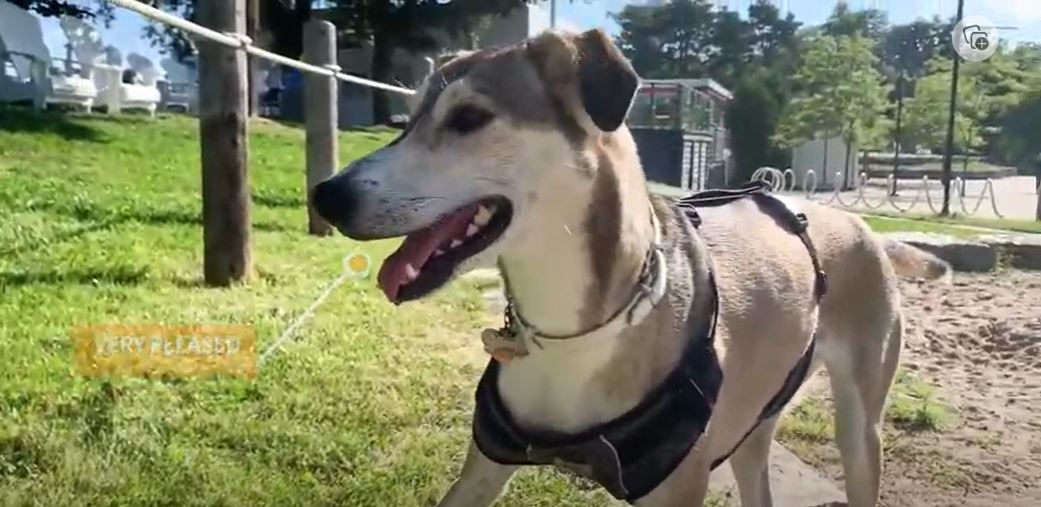
Quick Answer: A Greyhound Husky mix (often called a “Grey Sky”) is a medium-to-large crossbreed that typically stands 20-26 inches at the shoulder and weighs 40-70 pounds, combining the Greyhound’s lean build and burst speed with the Husky’s stamina, thick double coat, and high prey drive. They need daily vigorous exercise, are prone to bloat, osteosarcoma, hip dysplasia, and eye disease, and do best with an experienced, active owner.
Key Takeaways
- A Grey Sky is not a recognized breed but a first-generation cross between a purebred Greyhound and a purebred Siberian Husky, so individual dogs vary widely.
- Expect a lean, athletic 40-70 lb dog, 20-26 inches at the shoulder, often with a Husky-style double coat over a Greyhound frame.
- These dogs inherit sprint speed from the Greyhound and endurance from the Husky, so daily exercise needs are high and non-negotiable.
- High prey drive is common from both parent breeds – fenced yards and secure leashes matter more than usual.
- Health screening should cover both sighthound issues (bloat, osteosarcoma, anesthesia sensitivity) and Husky issues (hip dysplasia, progressive retinal atrophy, juvenile cataracts, hypothyroidism).
Why Trust This Guide?
This guide is researched and written by the Pets Store Home editorial team, drawing on veterinary breed resources and established health data for the Greyhound and Siberian Husky parent breeds. It’s intended as general information; consult a veterinarian or a reputable breed-specific rescue for advice tailored to your individual dog.
What Exactly Is a Greyhound Husky Mix?
A Greyhound Husky mix, sometimes nicknamed a “Grey Sky” or “Houndsky,” is a crossbreed produced by pairing a purebred Greyhound with a purebred Siberian Husky. It is not a recognized breed with a breed standard, a registry, or a documented history the way the Greyhound and Husky themselves have. Instead, it belongs to the newer wave of intentional and accidental crossbreeds that has grown alongside the broader designer-dog trend.
Because there is no standard to breed toward, no two Grey Skys are guaranteed to look or act alike. A litter from the same two parents can produce puppies that lean visibly toward one parent breed or the other, and even siblings can differ in coat type, build, and temperament. Anyone considering this mix should think of it less as “ordering” a predictable dog and more as adopting an individual whose traits will become clear as they mature.
The two parent breeds bring very different histories to the cross. The Greyhound is one of the oldest identifiable dog breeds, developed over thousands of years for coursing and racing on sight, prized for explosive speed over short distances. The Siberian Husky was developed by the Chukchi people of northeastern Asia as an endurance sled dog built to pull light loads over long distances in extreme cold. Put simply: one parent breed is a sprinter, the other is a marathoner, and a Grey Sky often ends up needing outlets for both.
Size and Physical Appearance
Most Greyhound Husky mixes land in the medium-to-large range, typically standing 20 to 26 inches at the shoulder and weighing between 40 and 70 pounds at maturity, though individual dogs can fall outside this range depending on which parent they favor more. Females tend to run toward the smaller end and males toward the larger end, mirroring the size gap seen in both parent breeds.
Body shape is usually a blend: the deep chest and long legs of a Greyhound combined with the sturdier, more muscular frame of a Husky, so most Grey Skys look a bit less narrow through the waist than a purebred Greyhound. Ears can go either way – some pups end up with the small, semi-folded “rose” ears of a Greyhound, while others develop the fully erect, triangular ears typical of a Husky.
Coat is one of the most variable traits in this cross. Some Grey Skys inherit the Greyhound’s short, single-layer coat, while others grow the Husky’s thick double coat with a soft undercoat and coarser guard hairs. Coat color and pattern can include black, white, gray, brindle, and the striking blue or heterochromatic (two different colored) eyes that Huskies are known for, though brown eyes are just as common.
Temperament and Personality
Temperament in any crossbred dog depends on genetics, early socialization, and individual personality, but a few tendencies show up often enough to be worth planning around. Greyhounds are typically quiet, gentle, and surprisingly low-key indoors despite their speed, often described as “45-mph couch potatoes.” Huskies are more vocal, mischievous, independent-minded, and notorious for testing boundaries. A Grey Sky frequently lands somewhere between the two: affectionate and calm at home, but alert, strong-willed, and quick to bolt after anything that moves outdoors.
Prey drive deserves particular attention with this mix. Both parent breeds were bred with strong instincts to chase – the Greyhound to run down game by sight, the Husky to pursue small animals across open terrain. That combination means many Grey Skys are not reliably safe off-leash around cats, rabbits, or other small pets, and a securely fenced yard (ideally 5-6 feet, since both parent breeds can jump or dig) is close to a requirement rather than a nice-to-have.
Early, consistent socialization matters a great deal. Huskies can be willful and easily bored, while Greyhounds can be sensitive and slow to warm up to strangers. Puppy classes, varied exposure to people and environments, and reward-based training started young go a long way toward producing a well-adjusted adult dog rather than one that is anxious or difficult to manage.
Exercise Needs: Sprint Meets Endurance
This is one area where owners are frequently caught off guard. A Grey Sky typically needs somewhere between 60 and 90 minutes of physical activity a day, split between different types of exertion. Greyhound genetics call for short, intense bursts of speed – think sprinting in a securely fenced field or structured lure-coursing activity. Husky genetics call for sustained, longer-distance movement – brisk walks, jogging, hiking, or (for experienced owners) light mushing or bikejoring.
Mental stimulation matters just as much as physical exercise. Both parent breeds are intelligent and can become destructive or vocal when understimulated. Puzzle feeders, scent games, and structured training sessions help burn mental energy on days when full exercise isn’t possible, though they are a supplement to physical activity rather than a replacement for it.
Climate is worth thinking through case by case. A Grey Sky with a thin, Greyhound-type coat and low body fat will need a jacket in cold weather and should not be left outside for extended periods below freezing. A Grey Sky with a thicker Husky-type double coat will tolerate cold well but can overheat in hot, humid climates and needs shade, water, and exercise scheduled for cooler parts of the day.
Training Tips for a Grey Sky
Positive, reward-based training works best with this mix, since both parent breeds can shut down or become stubborn in response to harsh corrections. Keep training sessions short and varied – 5 to 10 minutes at a time is often more productive than one long session, especially with a dog carrying Husky independence.
Recall training is worth prioritizing early and reinforcing for life. Given the prey drive and speed both parent breeds contribute, a Grey Sky that slips a leash or gate can be extremely difficult to catch. Many owners keep these dogs on a leash or in a securely fenced area at all times outdoors rather than relying on off-leash recall, even after extensive training.
Crate training and a predictable daily routine can help manage the Husky side’s tendency toward boredom-driven chewing, digging, or escape attempts. A tired Grey Sky – physically and mentally – is generally a much easier dog to live with than an understimulated one.
Health Concerns to Watch For
A crossbred dog can inherit health risks from either parent breed, so it’s worth understanding what runs in both the Greyhound and the Siberian Husky lines.
From the Greyhound side, the most serious concern is bloat (gastric dilatation-volvulus, or GDV), a life-threatening emergency in which the stomach fills with gas and twists on itself, cutting off blood flow. Deep-chested dogs like Greyhounds are especially prone to it, and symptoms – restlessness, unproductive retching, a visibly distended abdomen, and drooling – require immediate emergency veterinary care. Greyhounds are also disproportionately prone to osteosarcoma, an aggressive bone cancer that typically shows up as limb swelling or lameness in middle-aged to older dogs. A less obvious but important issue is anesthesia sensitivity: Greyhounds have unusually low body fat and a different liver enzyme profile than most breeds, which affects how they metabolize certain anesthetic drugs. Any vet performing surgery or a dental cleaning on a Grey Sky should be told about the Greyhound heritage so they can adjust the anesthesia protocol accordingly.
From the Husky side, hip dysplasia is the most commonly flagged concern – a malformation of the hip joint that can lead to arthritis and mobility problems over time, and one reason many breeders and vets recommend hip screening (such as OFA evaluation) before breeding. Huskies are also prone to a cluster of inherited eye conditions, including progressive retinal atrophy (PRA), a degenerative retinal disease that causes gradual vision loss starting with night blindness, and juvenile cataracts, which can appear anywhere from a few months to several years of age and may require surgery if they significantly affect vision.
Hypothyroidism shows up in both parent breeds and is worth watching for in a Grey Sky as well – symptoms include unexplained weight gain, lethargy, a dull or thinning coat, and skin problems. It’s easily diagnosed with bloodwork and manageable with a daily thyroid supplement once identified.
None of this means a Grey Sky is guaranteed to develop any of these conditions – crossbreeding often introduces genetic diversity that can reduce the risk of some inherited problems compared to either purebred parent. But knowing the risk profile helps an owner recognize early symptoms and ask the right questions at annual vet visits.
Coat, Shedding, and Grooming
Grooming needs depend heavily on which parent’s coat a given dog inherits. A Grey Sky with a Husky-type double coat will shed heavily, especially during seasonal “blowing coat” periods in spring and fall, and benefits from brushing two to three times a week (daily during heavy shedding) with an undercoat rake or slicker brush. A dog that inherits the Greyhound’s short, single coat needs far less brushing – once a week is usually enough – but may need a coat or sweater in cold weather since it lacks the Husky’s insulating undercoat.
Beyond coat care, routine maintenance is fairly standard for a dog this size: nails trimmed every few weeks, ears checked regularly for wax buildup or odor, and teeth brushed several times a week to prevent dental disease. Because Greyhounds are known for thin, easily nicked skin, owners of Grey Skys with more sighthound-type skin should be gentle when brushing and quick to treat any cuts or scrapes.
Is a Greyhound Husky Mix Right for Your Household?
This mix tends to suit active, experienced dog owners who can commit to well over an hour of varied daily exercise, secure fencing, and ongoing training and socialization. Apartment living is possible but challenging – it can work if an owner is genuinely committed to multiple long outings a day, but a Grey Sky left alone in a small space with minimal activity is likely to become destructive, vocal, or anxious.
Households with cats, rabbits, or other small pets should think carefully and introduce any Grey Sky slowly and under supervision, given the prey drive both parent breeds contribute. With proper socialization from puppyhood, many do fine with kids and other dogs, but the combination of high energy and strong chase instinct means young children should always be supervised around this mix, as with any large, energetic breed.
First-time dog owners can succeed with a Grey Sky, but they should go in with realistic expectations about the exercise commitment, the potential for stubbornness, and the importance of secure containment – this is not a low-maintenance breed pairing.
Cost and Where to Find One
Because the Grey Sky is a crossbreed rather than a recognized breed, pricing varies widely and there is no standardized registry price. Intentional breeders offering this specific cross typically charge somewhere in the $400-$1,200 range depending on location and lineage, though prices can run higher if either parent has a notable pedigree.
Adoption is often the more accessible and responsible route. Greyhound-specific rescues occasionally take in mixes, and general shelters and breed-mix rescue groups sometimes have Husky-crosses available for a few hundred dollars in adoption fees, which typically include spay/neuter, vaccinations, and a basic health check. Adopting an adult dog also has a practical advantage with this particular cross: you can see the dog’s actual size, coat type, and temperament rather than guessing from a puppy.
Frequently Asked Questions
Are Greyhound Husky mixes good family dogs?
They can be, especially with early socialization, but their high prey drive, strong exercise needs, and tendency to chase mean they suit active families more than sedentary ones, and young children should be supervised around them.
How much exercise does a Grey Sky need?
Most need 60-90 minutes of exercise daily, ideally combining short bursts of sprinting with longer endurance activity like brisk walking, jogging, or hiking.
Do Greyhound Husky mixes shed a lot?
It depends on which parent’s coat they inherit. Dogs with a Husky-type double coat shed heavily, especially during seasonal coat blows, while dogs with a Greyhound-type single coat shed much less but need cold-weather protection.
What health problems are common in this mix?
Watch for bloat (GDV) and osteosarcoma from the Greyhound side, hip dysplasia and inherited eye conditions like progressive retinal atrophy from the Husky side, and hypothyroidism, which can appear in either parent line.
Can a Greyhound Husky mix live in an apartment?
It’s possible but difficult. This mix does best with a securely fenced yard and multiple vigorous outings a day; apartment living only works if an owner can consistently meet those exercise needs elsewhere.
If your household already leans toward high-energy Northern breeds, it’s worth learning about coat and color genetics in the agouti Siberian Husky, or comparing notes with another big, wolf-influenced cross in our guide to the Wolf German Shepherd Husky mix. And since striking blue or partial eye color is common in Husky-descended dogs, our guide on wall eye in dogs explains what causes it and when it needs veterinary attention.
[…] Which foreign pets are legal in Washington State? […]