
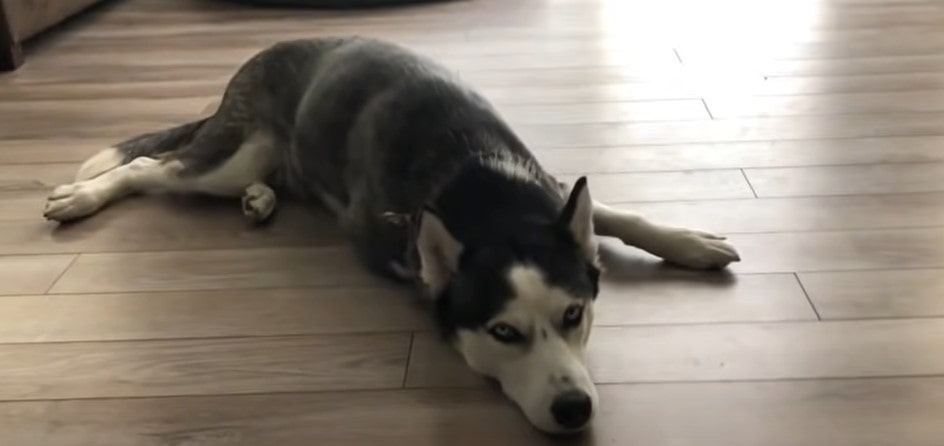
Agouti Siberian Husky: Essential Coat Color and Buyer’s Guide (2026)
What is an agouti Siberian Husky? It is a purebred Siberian Husky whose coat carries the agouti pattern: each hair is banded in light and dark shades, giving a grizzled, wolf-like look. Agouti is an accepted color in the breed standard. It does not change the dog’s size, temperament or health.
Agouti coats are often described as less common than the classic black-and-white or gray-and-white husky, and sellers like to call them rare. Before you pay extra for one, it helps to know how the color is inherited, how to tell it apart from gray, and which health checks matter far more than coat shade.
Key takeaways
- An agouti Siberian Husky has banded hairs of light and dark pigment, often with a dark face.
- The breed standard lists agouti among allowed colors and gives no preference to any color.
- The pattern comes from the agouti (A locus) gene and can be hidden by dominant black.
- Recommended health tests are hips, eyes, SPS1 and SHPN1, whatever the coat color.
- Huskies shed heavily, need daily exercise and a secure fence, and struggle in hot weather.
In this guide
Agouti Siberian Husky: The Short Answer
An agouti Siberian Husky is not a separate breed or a wolf mix. It is one of six color groups named in the Siberian Husky breed standard published by the Siberian Husky Club of America: black, gray, agouti, sable, red and white. The standard adds that no preference should be given to any allowable color, marking or pattern. Here is how agouti compares with the colors it is most often confused with:
| Color | Typical look | How to spot it |
|---|---|---|
| Agouti | Grizzled mix of black, gray, tan or cream | Single hairs show several bands of color; face often darker |
| Gray | Silver, wolf gray or dark gray with white | Cleaner gray tone, usually a lighter face mask |
| Sable | Red-brown coat with dark-tipped hairs | Warm reddish base rather than gray |
| Black and white | Solid black top with white points | Even black hairs with no banding |
Descriptions are general guides; coats vary, and a coat-color DNA test is the most reliable way to confirm the genetics.
Because the banding shows best close up, many agouti dogs look simply “dark gray” in photos. Ask to see the coat in daylight and part the fur to look at single hairs.
Pet Care Tip: Ask the breeder for photos of each parent as adults, not just as puppies. A husky’s coat can shift in shade as the adult coat comes in, so the parents give you a better preview.

The Genetics Behind the Agouti Coat
Every agouti Siberian Husky owes its coat to the agouti gene, also called the A locus or ASIP. The UC Davis Veterinary Genetics Laboratory describes the agouti pattern as a base coat of banded hairs of yellow and black. Older lab reports called the same variant “aw,” or wild sable.
UC Davis lists the A locus variants in order, with each one usually winning over those after it:
| Variant (old name) | Coat it produces |
|---|---|
| Dominant or shaded yellow (ay) | Yellow to red, with few or some black-tipped hairs |
| Agouti (aw) | Banded hairs of yellow and black |
| Black saddle or black back (at) | Dark back with tan on cheeks, eyebrows and undersides |
| Recessive black (a) | All-black base coat |
Source: UC Davis Veterinary Genetics Laboratory, Agouti (A Locus). The lab notes some codominance within the series.
Two more points explain why agouti puppies can surprise owners:
- Dominant black can hide it. UC Davis notes that agouti-series patterns only show when dominant black (the K locus) is absent. A dog can carry agouti without showing it.
- Agouti is not simply “recessive.” Some websites say both parents must be agouti. In the UC Davis order, agouti outranks black-and-tan and recessive black, though it sits below the yellow variants. So a puppy needs at least one agouti copy and no yellow copy, with no dominant black masking the pattern.
Can two non-agouti parents have agouti puppies?
Sometimes, yes. If two sable parents each carry one hidden agouti copy, some puppies may inherit two agouti copies and show the pattern. The same can happen when dominant black masks the gene in a parent. A coat-color DNA test on the parents is the clearest way to know the odds.
Reading an agouti Siberian Husky DNA result
Coat-color reports list two A locus copies, one from each parent. Using the UC Davis order, here is what common results usually mean when no dominant black is present:
| A locus result | Likely coat |
|---|---|
| aw/aw | Agouti |
| aw/at or aw/a | Agouti, carrying a tan-point or recessive black copy |
| ay/aw | Sable or yellow, carrying one hidden agouti copy |
| at/at or at/a | Tan-point type pattern, no agouti |
Since early 2022, UC Davis reports use newer names, so a result may read ASIP-AG rather than aw. Ask the lab or your vet if a report is unclear.
Our guide to dog DNA test kits explains which kits report coat-color genes, not just breed mix. The same gene also creates tan points in other breeds, as our tri color American Bully guide shows.
Pet Care Tip: If a seller promises an agouti Siberian Husky from a litter that has not been born yet, ask for the parents’ A locus DNA results. Without them, the coat is a guess.
Size, Temperament and Daily Care
An agouti Siberian Husky is built and behaves like any other husky. The breed standard sets these sizes:
| Trait | Males | Females |
|---|---|---|
| Height at the withers | 21–23.5 in (53–60 cm) | 20–22 in (51–56 cm) |
| Weight | 45–60 lbs (20–27 kg) | 35–50 lbs (16–23 kg) |
| Life span | About 11–13 years | |
Sources: Siberian Husky breed standard (SHCA) for height and weight; VCA Animal Hospitals for life span.
The standard describes the breed’s temperament as friendly and gentle, but also alert and outgoing. Many huskies enjoy company, human or canine, and do not like long hours alone.
Huskies were bred to run, and it shows. VCA Animal Hospitals says the breed needs daily exercise, such as a long walk or, better, a long jog. VCA also warns that a husky may roam for miles if it gets the chance and may not come when called, so a well-fenced yard is essential. Keep your dog leashed in unfenced areas.
Coat care for an agouti Siberian Husky
VCA rates husky shedding as above average and suggests brushing once or twice a week, more during seasonal sheds. An undercoat rake can help when the coat “blows.” Regular brushing also stops a matted undercoat from dulling the look of the banded agouti hairs.
Huskies and hot weather
VCA notes the breed becomes overheated fairly easily. In the Southern states, or during summer heat waves anywhere, walk your husky at dawn or after dark, give shade and fresh water, and keep the dog indoors with air conditioning on the hottest days.
Health: What Matters More Than Color
No health problem is linked to the agouti pattern itself. What matters is the parents’ screening. The AKC lists the national breed club’s recommended tests for the Siberian Husky: a hip evaluation, an ophthalmologist eye evaluation, and DNA tests for SPS1 and SHPN1.
- SPS1 (shaking puppy syndrome type 1). The Siberian Husky Club of America describes a fatal nervous system disease with tremors and trouble walking that appear at around 2 weeks of age.
- SHPN1 (polyneuropathy type 1). The SHCA says signs such as weakness and loss of coordination, mainly in the hind legs, usually appear before 2 years of age. Both conditions are recessive, so carrier parents can look healthy.
- Zinc-responsive dermatosis. VCA says the most common type is seen in Siberian Huskies and Alaskan Malamutes, with crusting and scaling around the eyes and mouth. Only a vet should diagnose and treat it.
When to call a vet: Tremors or wobbly walking in a young puppy, cloudy or red eyes, crusty skin around the face, or heavy panting that does not settle in heat needs a veterinarian. For collapse or heatstroke signs, go to a 24/7 emergency animal hospital right away.
Agouti Siberian Husky Puppies: Buying Safely
Because the breed standard gives no preference to any color, there is no breed-standard reason to pay more for an agouti Siberian Husky. Prices vary by breeder, pedigree and region, but the money is better spent on health testing than on coat shade. If you want a husky-type dog and are open to mixes, our guides to the Greyhound Husky mix and the German Shepherd Husky mix cover two popular options.
Rare-color listings also attract scammers. The AKC’s puppy scam guide warns about email-only sellers, wire transfer or gift card payments, prices far below normal and pressure to pay fast. The AKC suggests paying by credit card or another method with buyer protection.
Before you pay a deposit: 7 questions to ask
- Can I see hip and eye results for both parents?
- Have both parents been DNA tested for SPS1 and SHPN1?
- Do you have A locus coat-color results showing agouti in the parents?
- Can I meet the mother, in person or on a live video call?
- How much exercise and what fencing do you expect a buyer to have?
- Which registry are the puppies registered with?
- Will you take the dog back at any age if I can no longer keep it?
Example Scenario (illustrative)
Tessa in Minneapolis finds an online ad for an “ultra-rare agouti Siberian Husky” priced well above the breeder’s other puppies. She asks for SPS1 and SHPN1 results and the parents’ coat DNA. The seller has none. Tessa joins a waiting list with a breeder who shares hip, eye and DNA results for every litter, and picks the puppy whose energy level suits her family, whatever its coat turns out to be.
| Common mistake | Why it matters | Better approach |
|---|---|---|
| Paying a “rare color” premium | The standard gives no color preference | Pay for health testing, not shade |
| Assuming agouti means part wolf | It is a normal husky color | Ask for registration papers |
| Skipping DNA health tests | SPS1 and SHPN1 carriers look healthy | Ask for results on both parents |
| Underestimating exercise | Bored huskies may dig, chew or escape | Plan daily runs and a secure fence |
What most owners get wrong
Many buyers choose a husky for its coat or eye color and only later discover the energy, shedding and escape skills that come with every husky. The best agouti Siberian Husky for you is a health-tested puppy whose needs match your yard, schedule and climate. Color is the bonus, not the plan.
Agouti Siberian Husky FAQs
Is an agouti Siberian Husky rare?
Agouti is less common than black-and-white or gray-and-white, but it is a recognized breed color, not a separate type. Rarity alone does not make a puppy healthier or better.
Is an agouti husky part wolf?
No. Agouti is a coat pattern caused by the agouti gene. A husky with this coat from registered parents is purebred, just with a wolf-like color.
Can agouti huskies show in conformation events?
Yes. The breed standard lists agouti among allowable colors and says no preference should be given to any color.
How can I tell agouti from gray?
Look at single hairs: agouti hairs show several bands of light and dark color, and the face is often darker. A coat-color DNA test confirms it.
Do agouti huskies have different health problems?
No health problem is linked to the agouti pattern. Ask for hip and eye results and SPS1 and SHPN1 DNA tests on both parents.
How long do Siberian Huskies live?
VCA Animal Hospitals gives a life span of about 11 to 13 years for the breed.
Final Verdict: Is an Agouti Siberian Husky Right for You?
An agouti Siberian Husky is a standard husky in a striking, wolf-like coat. Choose it for the breed, not the color: insist on hip, eye, SPS1 and SHPN1 results, avoid “rare color” price premiums, and be ready for daily exercise, heavy shedding and a secure fence. Do that, and the agouti coat is simply a beautiful extra.
Your next steps
- Check your yard fencing and daily schedule against a husky’s exercise needs.
- Read our DNA test kit guide if you want to confirm a coat color.
- Explore more breed guides in our Dogs section.
Share your husky’s coat photos with other pet parents on our Pets Store Home Facebook page.
About the author: Written and reviewed by the Pets Store Home Editorial Team, a group of pet owners and animal lovers who check every guide against trusted US veterinary and animal-welfare sources. This article is general information, not a substitute for professional veterinary advice. Always talk to your veterinarian about your own pet’s health.
How we checked this guide: Breed colors, size and temperament come from the Siberian Husky breed standard published by the Siberian Husky Club of America. Coat genetics come from the UC Davis Veterinary Genetics Laboratory. Recommended health tests come from the AKC and SHCA, and care and health notes from VCA Animal Hospitals. We review this article every 12 months, or sooner if guidance changes.
Last reviewed: October 2026. Sources: SHCA, UC Davis VGL, AKC, VCA.
Sources (accessed October 22, 2026)
- Siberian Husky Club of America: Siberian Husky Standard
- UC Davis Veterinary Genetics Laboratory: Agouti (A Locus)
- American Kennel Club: Working Group Health Testing Requirements
- Siberian Husky Club of America: Shaking Puppy Syndrome, Type 1 (SPS1)
- Siberian Husky Club of America: Siberian Husky Polyneuropathy, Type 1 (SHPN1)
- VCA Animal Hospitals: Siberian Husky
- VCA Animal Hospitals: Zinc-Responsive Dermatosis in Dogs
- American Kennel Club: How to Spot a Puppy Scam
[…] Which foreign pets are legal in Washington State? […]