
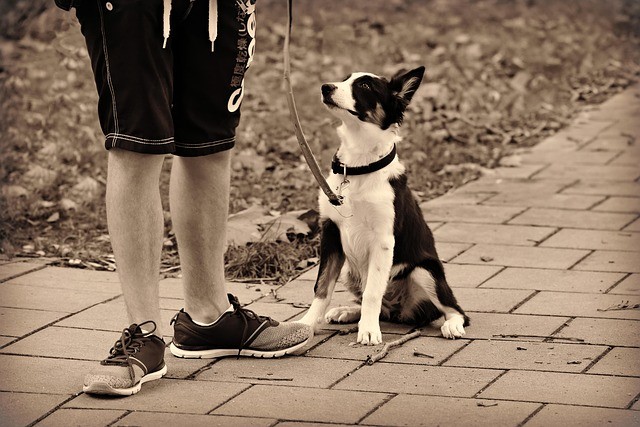
A dog that lunges toward passing cars, bikes, joggers, or skateboards isn’t misbehaving out of stubbornness, they’re acting on a deeply rooted prey drive response to fast-moving objects. It’s one of the more dangerous behavior problems owners face, since it involves genuine safety risk to the dog, the person or vehicle being chased, and anyone nearby, which makes a structured training approach especially important.
This guide explains why dogs chase moving objects, how to manage the behavior safely while training is underway, and a step-by-step desensitization plan for reducing the chase response on walks and in the yard.
Quick Answer: Stop a dog from chasing cars, bikes, and joggers by managing exposure with distance and a secure leash or fence during training, teaching a strong “leave it” and recall cue, and gradually desensitizing the dog to moving triggers at a distance where they can stay calm. Never allow off-leash access near roads until the behavior is fully resolved.
Key Takeaways
- Chasing fast-moving objects is rooted in genuine prey drive instinct, not defiance or poor training.
- Safety management, including secure leashes, fencing, and avoiding known trigger-heavy routes, is essential while training is in progress.
- Desensitization works by starting at a distance where a dog stays under threshold and gradually decreasing that distance over time.
- A rock-solid recall and “leave it” cue give an owner practical tools to interrupt a chase attempt in real time.
- Certain breeds with strong herding or sighthound instincts often need a longer, more structured training timeline.
Why Trust This Guide?
This guide is written and researched by the Pets Store Home editorial team. We cross-check our dog behavior guidance against established veterinary and force-free training sources, and this article is reviewed periodically to keep it accurate and current. It’s intended as general information; a certified trainer can provide tailored, hands-on support for dogs with a strong, persistent chase drive.
Why Dogs Chase Cars, Bikes, and Joggers
The instinct to chase fast-moving objects is rooted in predatory sequence behavior, an evolutionary chain that includes orienting, stalking, chasing, and in some cases grabbing or biting. Cars, bikes, and joggers all trigger the early stages of this sequence because of their speed and movement pattern, even though a dog has no intention of actually “catching prey” in the way the instinct originally evolved for. Breeds developed for herding, coursing, or high-speed prey pursuit, such as many herding breeds and sighthounds, often show a stronger version of this response, though any dog can develop the habit, particularly if chasing has previously been rehearsed and self-reinforced by the thrill of the chase itself.
Why This Behavior Is Especially High-Risk
Unlike many behavior problems that are primarily inconvenient, chasing vehicles and bikes carries genuine physical danger. A dog can be struck by a car, collide with a cyclist, or cause a rider to crash while swerving to avoid them. There’s also legal and liability risk if a dog causes an accident or injures someone during a chase attempt. Because of this elevated risk, safety management should always take priority over training speed; it’s far better to progress slowly and safely than to allow supervised or off-leash exposure before the behavior is reliably under control.
Step-by-Step: Building Calm Around Moving Triggers
Step 1: Identify the specific triggers and threshold distance. Note which specific triggers (cars, bikes, joggers, skateboards) provoke the strongest reaction, and find the distance at which a dog notices the trigger but can still respond to cues and take treats.
Step 2: Practice at threshold distance with high-value rewards. At that safe distance, mark and reward calm behavior every time a trigger passes, building a positive association between the trigger’s appearance and something good happening.
Step 3: Teach and reinforce “leave it” separately. Practice “leave it” in low-distraction settings first, then gradually introduce it during real trigger exposure at a safe distance, rewarding heavily for disengaging.
Step 4: Build a rock-solid recall as a backup tool. Invest separately in a strong, well-reinforced recall cue, since this becomes a critical safety net if a dog does start to react before training is fully complete.
Step 5: Gradually decrease distance across many sessions. Once a dog is reliably calm and responsive at the current distance across several sessions, move slightly closer and repeat, always watching for early signs of arousal before progressing further.
Step 6: Practice in a variety of locations and trigger types. Generalize training across different streets, trigger speeds, and times of day, since a dog that’s calm around one specific bike on one specific street may still react strongly to a jogger somewhere new.
Equipment That Supports Safe Training
A well-fitted front-clip harness or head halter gives more physical control during the training period than a standard collar, reducing the risk of a dog slipping free during a strong lunge. A sturdy, appropriately sized leash, never a retractable lead, is essential for managing sudden movement safely. For yard-based triggers, a secure, dog-proof fence line prevents a dog from reaching the street entirely, which is often the most reliable safety measure available while training progresses.
Managing the Behavior at the Fence Line
Dogs that chase and bark at passing cars, cyclists, or pedestrians from behind a yard fence are rehearsing the same underlying prey response, even without physical contact, and this practice can strengthen the behavior over time. Reducing visual access to the street, through solid fencing, privacy screening, or supervised yard time instead of unsupervised access, removes the opportunity to rehearse the behavior. Redirecting a dog’s attention with a high-value activity before they notice a trigger, when possible, is more effective than trying to interrupt an already-escalated reaction after the fact.
Breed Tendencies and Realistic Expectations
Herding breeds often show chasing behavior directed at movement and speed specifically, sometimes including nipping at heels, which relates to instincts originally selected for controlling livestock. Sighthounds and other breeds developed for pursuit can have an especially strong, fast-triggering chase response due to their historical role in hunting fast-moving prey by sight. These breed tendencies don’t mean the behavior can’t be managed, but they do mean training often takes longer and management, such as secure fencing and leash use in trigger-heavy areas, may remain a permanent part of the routine rather than a temporary training phase.
Puppies and Early Prevention
Puppies that are exposed calmly and gradually to moving vehicles, bikes, and joggers from a young age, always at a distance where they remain relaxed, are less likely to develop a strong chase habit later. Avoiding situations where a puppy gets to actually chase a bike or jogger, even briefly, prevents the self-reinforcing thrill of the chase from taking hold in the first place. Early leash manners and a foundational “leave it” cue, taught well before a strong prey response has a chance to develop, make later management considerably easier.
Common Mistakes That Slow Down Training
Allowing a dog off-leash in areas with car, bike, or jogger traffic before the behavior is fully resolved is one of the most common and most dangerous mistakes, since a single successful chase can reinforce the behavior significantly. Punishing a dog after an already-triggered chase attempt doesn’t address the underlying instinct and can create anxiety around the very triggers you’re trying to desensitize. Progressing too quickly through the distance-reduction steps, before a dog is reliably calm at the current level, often triggers a setback rather than genuine progress.
Combining Exercise and Mental Stimulation
Dogs with a strong prey drive often benefit from having that instinct channeled into an appropriate outlet, such as structured flirt pole play, scent work, or lure coursing where available, rather than trying to eliminate the underlying drive entirely. A dog that gets regular opportunities to chase appropriate, safe targets during dedicated play sessions may show a somewhat reduced urge to chase inappropriate targets like cars and bikes, though this works best as a complement to direct training rather than a replacement for it.
How Long Training Typically Takes
Mild cases, particularly in dogs without a strong breed-driven prey instinct, often show meaningful improvement within a few weeks of consistent threshold-distance training. Dogs with a stronger instinctual drive, or an established history of successfully chasing triggers in the past, often need several months of structured work, and some level of ongoing management may remain necessary long-term regardless of training progress. Judging success by increased reliability and reduced intensity of reaction, rather than expecting the instinct to disappear completely, sets realistic and sustainable expectations.
Choosing Safer Walking Routes During Training
While training is underway, deliberately choosing quieter routes with less vehicle, bike, and jogger traffic reduces the number of uncontrolled exposures a dog experiences, giving structured training sessions more influence over the overall pattern than chance encounters. Walking at less busy times of day, such as earlier mornings or during typically quieter midday hours, can also reduce unplanned trigger exposure. This isn’t a permanent solution, but it meaningfully speeds up training by preventing a dog from repeatedly rehearsing the unwanted chase response in situations outside of structured practice.
Working With a Professional Trainer
Dogs with a particularly strong or long-established chase response often benefit from working with a certified trainer experienced in prey-drive-related behaviors, since they can assess triggers accurately and adjust the pace of training based on real-time observation of a dog’s body language. A trainer can also help identify subtle early warning signs specific to an individual dog that an owner might miss, allowing intervention before a full chase response begins. This is particularly worth considering for working and herding breeds with a strong instinctual foundation for this behavior.
Tracking Progress Over Time
Keeping a simple log of training sessions, noting the trigger type, distance, and how calmly the dog responded, helps clarify whether progress is happening consistently or whether a particular trigger type needs more focused work. A pattern of gradually decreasing reactivity at closer distances, even with occasional setbacks after a particularly fast or unexpected trigger, is the sign to look for. If a log shows no improvement over several weeks of consistent practice, it’s a strong signal to bring in professional support rather than continuing the same approach.
Managing Multi-Dog Households
In homes with more than one dog, it’s worth observing whether the chase response is more intense when multiple dogs react together, since group arousal can escalate faster than an individual dog’s response alone. Training sessions are often more effective when conducted with one dog at a time initially, before gradually reintroducing group walks once each dog individually shows reliable calm behavior around triggers.
Age and Onset Considerations
Chasing behavior often becomes more pronounced during adolescence, roughly between six months and two years of age depending on breed, as a dog’s confidence and physical capability increase alongside their instinctual drives. This makes adolescence a particularly important window for consistent training, since habits rehearsed and reinforced during this period can become considerably more entrenched by adulthood. Older dogs that suddenly begin chasing after years of no interest deserve a veterinary check, since changes in vision, hearing, or cognitive function can sometimes alter how a dog perceives and reacts to moving stimuli.
The Role of Genetics vs. Environment
While breed background influences the strength of a dog’s prey drive, environment and rehearsal history matter enormously in how that instinct actually manifests day to day. A dog from a strong herding line raised in a calm, well-managed environment with early intervention may show a much milder chase response than a dog from a less predisposed background that’s had repeated opportunities to successfully chase and “catch” a trigger. This is encouraging news for owners of high-drive breeds: genetics set a tendency, but consistent management and training meaningfully shape the final outcome.
Combining Training With Everyday Management
Long-term success usually comes from blending active training sessions with sensible everyday habits, such as consistently using a secure leash near roads, keeping gates and fences well maintained, and staying alert to trigger-heavy areas even after a dog has shown good progress. Treating management as a permanent part of dog ownership, rather than a temporary phase to be dropped once training feels complete, keeps both the dog and the public safe over the long run, particularly for breeds with a persistently strong instinctual drive.
Recognizing Early Arousal Before It Escalates
Learning to spot the earliest signs a dog is beginning to fixate on a trigger, such as a sudden stillness, ears pricking forward, or a shift in body weight toward the target, gives an owner a chance to redirect attention before the chase sequence fully begins. Intervening at this early stage, with a cheerful cue and a high-value reward for disengaging, is far more effective than trying to interrupt a dog once they’ve already committed to a lunge or full chase attempt.
Related Reading
Frequently Asked Questions
Is chasing cars and bikes just a training problem, or is it instinct?
It’s rooted in genuine predatory instinct, which is why it often needs a structured desensitization approach rather than simple obedience commands alone.
Can this behavior ever be fully eliminated?
Many dogs show major improvement, but some level of management, such as secure fencing and leash use in trigger areas, often remains part of the long-term routine, especially for breeds with strong prey drive.
Is it safe to let my dog off-leash once they seem better?
Off-leash access near roads should only be considered once the behavior is reliably resolved across many different situations and trigger types, given the serious safety risk involved.
My dog only chases bikes, not cars. Why the difference?
Bikes and joggers move at a speed and rhythm that often triggers prey drive more readily than cars, which are typically faster but less visually “chaseable” in a dog’s perception.
Should I use a shock or citronella collar to stop this?
These tools carry real risk of increasing fear and anxiety around the trigger rather than resolving the underlying drive, and a force-free desensitization approach is generally recommended instead.
Will more exercise alone fix the problem?
Exercise helps overall calmness but doesn’t address the specific instinctual trigger; it works best alongside, not instead of, targeted desensitization training.
Final Thoughts
Chasing cars, bikes, and joggers is a genuine safety issue rooted in instinct rather than a simple training oversight, which is why management and gradual desensitization both matter from day one. Building a strong “leave it” and recall cue, working at a safe distance, and never allowing unsupervised exposure before training is complete give dogs with this instinct the best chance at a safer, calmer relationship with the moving world around them.
[…] Which foreign pets are legal in Washington State? […]