
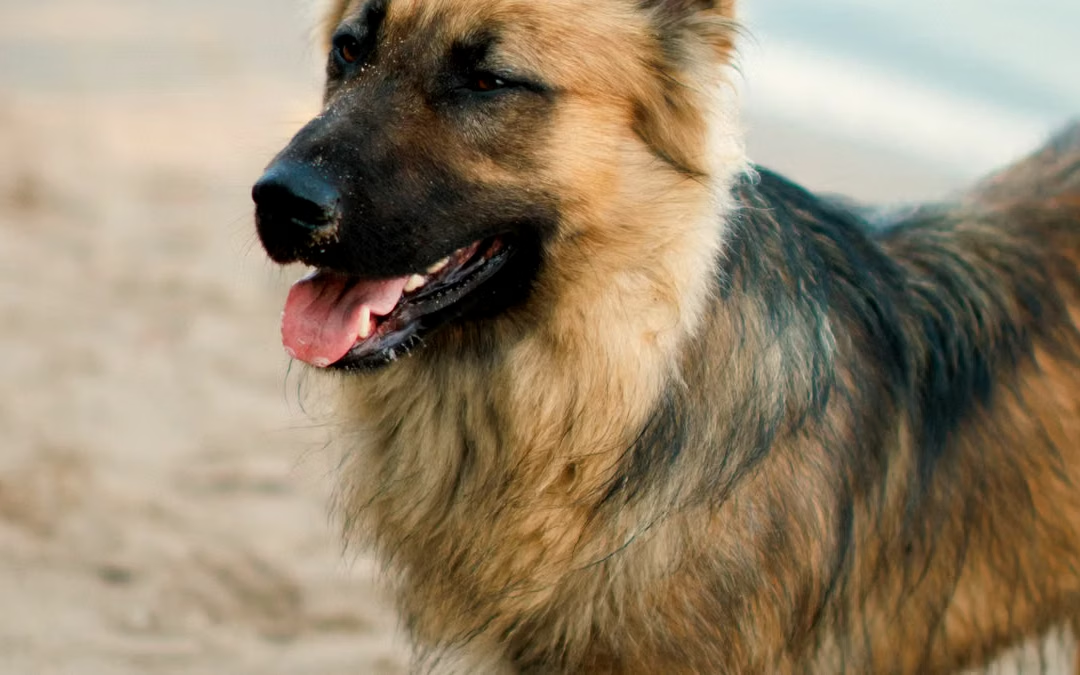
German Shepherd Corgi Mix (Corman Shepherd): Size, Temperament, Health and Care (2026)
What is a German Shepherd Corgi mix? It is a cross between a German Shepherd and a Welsh Corgi, often called a Corman Shepherd. With one parent a 50 to 90 pound working dog and the other a short-legged herder under 40 pounds, size varies widely. Expect a smart, loyal, active dog that sheds a lot.
In our experience, the German Shepherd Corgi mix often looks like a German Shepherd on short legs, and that blend of a large and a small breed is exactly why no two puppies are quite alike. This guide uses the AKC parent-breed data to explain likely size, temperament, exercise, grooming, health risks and how to choose a puppy responsibly. Every figure links to its source.
Key takeaways
- A Corman Shepherd crosses a German Shepherd with a Pembroke or Cardigan Welsh Corgi.
- It is a mixed breed, so there is no official size standard.
- Both parents are herding dogs with double coats that shed heavily at times.
- Both parents can carry hip and elbow dysplasia and degenerative myelopathy (AKC).
- Plan for daily exercise, brushing and early, reward-based training.
In this guide
What Is a German Shepherd Corgi Mix?
A German Shepherd Corgi mix has one German Shepherd parent and one Welsh Corgi parent, usually a Pembroke. Hepper‘s mixed-breed guide calls it the Corman Shepherd. Because it is a mix, no kennel club sets a standard for it, so the best guide to any puppy is its two parents. The AKC German Shepherd page and the AKC Pembroke Welsh Corgi page give the parent facts used throughout this article.
Two Herding Breeds in One Dog
Both parents were bred to work livestock. The AKC calls the German Shepherd dogkind’s finest all-purpose worker, a large, agile, muscular dog of noble character and high intelligence. It describes the Pembroke as a strong, athletic, lively little herder that is affectionate without being needy. In our experience, the mix often inherits that herding drive, including a habit of following or nudging people.
Corgi Shepherd Mix Names
You may see this cross listed as a Corman Shepherd, Corgi German Shepherd mix, corgi shepherd mix or German Shepherd Corgi puppies. As general advice, ask a seller which Corgi breed was used, since the Pembroke and Cardigan differ slightly in size and lifespan.

German Shepherd Corgi Mix Size and Appearance
Size is the hardest trait to predict in this cross, because the parents are so different. The table compares the AKC figures for each parent breed.
| Trait | German Shepherd | Pembroke Welsh Corgi | Cardigan Welsh Corgi |
|---|---|---|---|
| Height | 22 to 26 inches | 10 to 12 inches | 10.5 to 12.5 inches |
| Weight | 50 to 90 pounds | Up to 30 pounds | 25 to 38 pounds |
| Life expectancy | 12 to 14 years | 12 to 13 years | 12 to 15 years |
| Coat | Medium double coat | Thick, weatherproof double coat | Not covered in our sources |
Source: AKC breed pages. Ranges combine male and female figures.
How Big Does a Corman Shepherd Get?
Hepper’s guide gives a range of 12 to 15 inches and 20 to 70 pounds, and notes the spread is wide because it is hard to tell which parent a puppy will take after. As general advice, most adults land somewhere between the two parents, so ask for both parents’ weights and treat any single number as an estimate.

Coat and Colors
The AKC describes the German Shepherd’s medium-length double coat as dense and harsh outside with a softer undercoat, and the Pembroke’s as a thick, weatherproof double coat. In our experience, many German Shepherd Corgi mixes have Shepherd-style black and tan or sable coloring, upright ears and a longer body, but coat color and pattern vary.
Body Shape
The AKC says the Pembroke has short but powerful legs and a deep chest. In our experience, when a puppy inherits short Corgi legs with a longer Shepherd body, the result is a long-backed dog, which matters for back health, as covered in the health section.
German Shepherd Corgi Mix Temperament
The AKC calls the German Shepherd loyal, confident, courageous and steady, and describes the Pembroke as one of the most agreeable small housedogs. Hepper describes the mix as intelligent, friendly, playful, courageous and alert, and warns it can be sensitive and prone to separation anxiety. In our experience, a well-socialized Corman Shepherd bonds closely with its family and makes an alert watchdog.
Is a German Shepherd Corgi Mix Good With Kids?
As general advice, a well-socialized adult can do well with respectful children, but herding instincts may lead to chasing or nipping at running kids. Supervise play, teach children not to run from the dog, and give the dog a quiet place to rest. Hepper notes the mix is not the best choice for a first-time owner.

Training a Corgi German Shepherd Mix
The AKC says early socialization and puppy classes are vital for the German Shepherd, and recommends gently exposing Pembroke puppies to many people, places and situations between 7 weeks and 4 months. Both breed pages recommend positive, reward-based training. The American Veterinary Society of Animal Behavior (AVSAB) says puppy classes can begin at 7 to 8 weeks, after first vaccines.
Handling Herding Behavior
The AKC notes that Pembrokes often have a mind of their own but are willing, highly intelligent partners. As general advice, redirect nipping and heel-chasing to a toy, teach a solid “leave it” and give the dog a job such as fetch or scent games. Our guide on how to stop a dog from pulling on the leash helps with strong herders on walks.
Living With a Corman Shepherd: Exercise and Grooming
The AKC calls the German Shepherd a very active breed that needs lots of exercise, and warns an under-exercised dog may develop unwanted behaviors. It says Pembrokes need moderate daily exercise and do well on long walks or slow jogs, but their short legs cannot keep up with a bicycle. As general advice, match activity to your dog’s legs: walks, fetch and puzzle toys rather than long runs for short-legged mixes.

Shedding and Brushing
Expect a lot of hair. The AKC says German Shepherds shed more heavily once or twice a year, and that Pembrokes shed a fair amount daily and more in late spring and early summer. It suggests brushing a German Shepherd every few days and giving a Pembroke a daily once-over with a comb and slicker brush. Hepper also advises daily brushing for the mix.
| Care task | How often | Source |
|---|---|---|
| Brushing | Daily during heavy shedding; at least every few days | AKC, Hepper |
| Exercise | Daily; moderate to high depending on build | AKC |
| Ears | Check weekly | General advice |
| Weight checks | Monthly, as general advice | General advice |
As general advice, keep your dog lean, since extra weight adds strain to a long back and joints; Cornell also lists a healthy weight among ways to manage DM. See our guide on how to help your dog lose weight if needed.
German Shepherd Corgi Mix Health and Lifespan
Both AKC breed pages list overlapping health concerns. The parents’ AKC life expectancies range from 12 to 15 years. As general advice, a similar span is a reasonable expectation, but no source sets an official lifespan for the mix.
| Condition | Parent breed | Source |
|---|---|---|
| Hip and elbow dysplasia | Both | AKC |
| Degenerative myelopathy | Both | AKC |
| Bloat (GDV) | German Shepherd | AKC, VCA |
| Eye disorders | Pembroke | AKC |
| Cardiac issues | Pembroke | AKC |
| von Willebrand’s disease | Pembroke | AKC |
| Back (disc) problems | Long-backed, short-legged dogs | Illinois Vet Med |
Back Health in a Long Body
Veterinary Medicine at Illinois links Type I intervertebral disc disease to breeds with a long back and short legs. Signs range from neck or back pain to being unable to walk, and a paralyzed dog that has lost pain sensation is an emergency. It advises discouraging at-risk dogs from jumping on and off furniture.
Degenerative Myelopathy
The Cornell University College of Veterinary Medicine describes degenerative myelopathy as an inherited spinal cord disease, similar to ALS in people, with no cure. Signs usually start around 8 years or older with hind-leg weakness and incoordination. Cornell notes Pembrokes carry a genetic modifier linked to earlier onset, and a SOD1 DNA test shows a dog’s risk, not a diagnosis. Physical therapy, a healthy weight and ramps can help.
Bloat Warning Signs
The AKC says German Shepherds can experience bloat, a sudden, life-threatening swelling of the abdomen. VCA Animal Hospitals lists restlessness, heavy drooling and retching without bringing anything up as signs, and calls it an emergency.
German Shepherd Corgi Puppies and Breeders
The AKC lists hip and elbow evaluations and a temperament test as recommended for German Shepherds, and hip and eye evaluations for Pembrokes. You can look up results on the Orthopedic Foundation for Animals (OFA) website. An AKC article by Randa Kriss suggests asking about the health guarantee and whether the breeder will take the dog back. As general advice, also check shelters, where these mixes often appear as “Shepherd mix” or “Corgi mix.”
Not sure what a rescue is made of? A dog DNA test can help. For similar herding crosses, read our guides to the blue heeler and Corgi mix and the blue heeler German Shepherd mix.
Pet Care Tip: Our suggestion is to use ramps or steps for sofas, beds and car rides from puppyhood. In our experience, it is far easier to build the habit early than to retrain a long-backed adult.
When to call a vet right away: As general advice, go to your vet or a 24/7 emergency animal hospital if your dog retches without bringing anything up, has a swollen belly, suddenly cannot walk, drags its back legs or cries when its back is touched.
7 questions to ask a breeder or rescue
- Which Corgi breed is the parent: Pembroke or Cardigan?
- How tall and heavy are both parents?
- Can I see hip and elbow results for both parents?
- Have the parents been DNA-tested for degenerative myelopathy?
- Has any related dog had back problems?
- How does the dog react to strangers and children?
- Will you take the dog back at any age?
Example Scenario (illustrative)
Jake in Phoenix adopted a 35-pound Corman Shepherd that nipped at his kids’ heels. He added two daily walks, a fetch session and a “leave it” cue, and gave the kids a toy to toss instead of running. Within weeks the herding nips stopped.
| Myth | Fact |
|---|---|
| “Short legs mean low energy.” | The AKC says Pembrokes love activity and need daily exercise. |
| “Mixes never inherit breed problems.” | Both parent breeds can pass on hip dysplasia and DM, per the AKC. |
| “Short coats barely shed.” | The AKC says both parent breeds shed, heavily at certain times of year. |
| “Harsh corrections stop herding.” | In our experience, rewards and redirection work better than harsh corrections. |
What most owners get wrong
In our experience, many owners pick the puppy for its cute Corgi legs and underestimate the German Shepherd brain. This mix needs a job, daily training and plenty of brushing, not just cuddles.
German Shepherd Corgi Mix FAQs
What is a German Shepherd Corgi mix called?
Most often a Corman Shepherd, the name Hepper’s guide uses.
How big does a German Shepherd Corgi mix get?
Hepper gives 12 to 15 inches and 20 to 70 pounds; size depends on the parents.
How long does a Corman Shepherd live?
No official figure exists; the AKC lists 12 to 15 years across the parent breeds.
Do German Shepherd Corgi mixes shed?
Yes. The AKC says both parent breeds shed, more heavily at certain times of year.
Are Corman Shepherds good family dogs?
They can be loyal and alert, but need socialization and supervision with young kids.
Is a German Shepherd Corgi mix good for first-time owners?
Hepper says it is not the best choice for first-time owners.
What health problems do Corman Shepherds have?
Parent risks include hip and elbow dysplasia, degenerative myelopathy, bloat and back problems.
Final Verdict: Is a German Shepherd Corgi Mix Right for You?
A German Shepherd Corgi mix packs a clever, loyal herding dog into a body that may be anything from medium to large. It suits active owners who can offer daily exercise, steady reward-based training and lots of brushing. Choose health-tested parents, protect its back, and this Corman Shepherd can be a devoted companion for many years.
Your next steps
- Meet both parents, or an adult mix, before you commit.
- Ask for hip, elbow and DM results.
- Book a puppy class and buy a ramp for the sofa and car.
Share your Corman Shepherd on the Pets Store Home Facebook page, read our red heeler guide for another herding breed, and find more breed guides in our Dogs section.
About the author: Written and reviewed by the Pets Store Home Editorial Team, pet owners who check every guide against trusted sources.
How we checked this guide: Parent size, temperament, exercise, grooming, health and recommended tests come from the AKC German Shepherd, Pembroke and Cardigan Welsh Corgi pages. The mix’s name, size range and temperament notes come from Hepper’s breed guide. Back-disease details come from Veterinary Medicine at Illinois, degenerative myelopathy from Cornell’s College of Veterinary Medicine, bloat signs from VCA Animal Hospitals, breeder questions from the AKC, and socialization timing from AVSAB.
No kennel club sets a standard for this mix, so we show parent figures and say where sources are limited. This guide was written in November 2026 and is reviewed every 12 months.
Last reviewed: November 2026.
Sources (accessed November 9, 2026)
- AKC: German Shepherd Dog
- AKC: Pembroke Welsh Corgi
- AKC: Cardigan Welsh Corgi
- Hepper: German Shepherd Corgi Mix
- Illinois Veterinary Medicine: Intervertebral Disc Disease in Dogs
- VCA Animal Hospitals: Bloat (GDV) in Dogs
- AKC: Questions to Ask Your Potential Breeder
- Cornell University College of Veterinary Medicine: Degenerative Myelopathy
- Orthopedic Foundation for Animals
- AVMA News: Behavior society supports early puppy socialization
[…] Which foreign pets are legal in Washington State? […]