
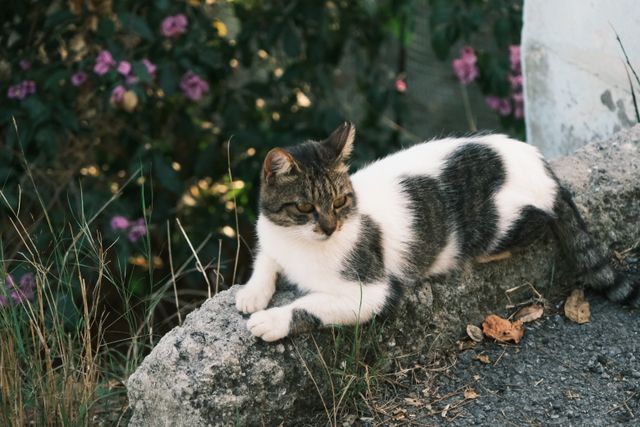
Are roses toxic to cats? No. True roses (Rosa species) are listed as non-toxic to cats by the ASPCA, so a nibbled petal is rarely an emergency. The bigger dangers are sharp thorns, pesticides, flower food and the other flowers that often share a bouquet with roses, especially lilies.
Maybe your cat chewed a stem from a Valentine’s bouquet, or you are planning a rose bed in a yard your cat explores. Either way, you want a clear answer before you panic. If you keep asking yourself are roses toxic to cats, this guide covers what the science says, why thorns and chemicals matter more than the plant itself, which “roses” are not roses at all, and exactly what to do if your cat eats one.
Key takeaways
- The ASPCA lists true roses as non-toxic to cats, dogs and horses.
- Thorns can cut the mouth and paws, and swallowed thorns may cause internal injury.
- Pesticides, flower food and vase water can be toxic, according to PetMD.
- Several plants with “rose” in their name, such as the Christmas rose, are toxic.
- Lilies in a mixed bouquet are a true emergency for cats.
In this guide
Are Roses Toxic to Cats? The Short Answer
The ASPCA plant database lists the rose (Rosa species, family Rosaceae) as non-toxic to cats. PetMD (Barri J. Morrison, DVM; reviewed by Veronica Higgs, DVM) agrees that roses are not toxic. Still, any plant material can upset a cat’s stomach, so a cat that eats a lot of petals or leaves may vomit or have loose stools for a short time.
So if you searched “are roses toxic cats” in a hurry after finding a chewed bloom, take a breath. The plant is not the main worry. What came with it, or what is growing near it, usually is.
| Part or item | Risk to cats | Why |
|---|---|---|
| Rose petals and leaves | Low | Non-toxic per the ASPCA; mild stomach upset is possible |
| Thorns | Moderate | Cuts, wounds, possible abscess or internal injury (PetMD) |
| Pesticides on stems | High | PetMD calls many of these highly toxic to cats |
| Flower food and vase water | Moderate to high | May contain chemicals that harm cats (PetMD) |
| Lilies in the same bouquet | Emergency | Can cause kidney failure (FDA, ASPCA) |
Are Roses Poisonous to Cats? What Experts Say
Are roses poisonous to cats in any form? Not the true rose. The ASPCA’s listing covers dogs, cats and horses, and it names no toxic principle for the plant. That puts roses in the same broad family as apples, which belong to Rosaceae too. If you are curious about that fruit, our guide to whether cats can eat apples explains which parts to avoid.
Many people use “toxic” and “bad” as if they meant the same thing. Calling roses toxic to cats is not accurate, but that does not mean a rose is a snack. Are roses bad for cats in practical terms? They can be, for reasons that have nothing to do with the petals: thorns, chemicals and the plants they are mixed with. So when someone asks are roses toxic to cats, the fair answer is “no, but handle them with care.”
Why a non-toxic plant can still cause problems
Cats are meat eaters, so a large helping of leaves or petals can sit badly in their stomachs. PetMD notes that eating rose plant material can lead to vomiting, diarrhea and decreased appetite. These signs are usually mild and short-lived, but they deserve attention if they continue.
Pet Care Tip: Some cats chew plants out of boredom. A pot of cat grass or a few new play sessions can steer your cat away from your rose arrangement.
The Real Risk: Rose Thorns
Thorns cause more trouble than petals, which is why the full answer to “are roses toxic to cats?” comes with a warning about stems. According to PetMD, thorns can puncture the mouth, gums, tongue and paws. Those small wounds can become infected and may form an abscess. A cat that chews and swallows thorns can also suffer internal injury, and PetMD notes that bleeding is possible depending on how many were eaten.
Signs that may point to a thorn injury include:
- Mouth signs: pawing at the face, drooling, dropping food or refusing to eat.
- Paw signs: limping, licking one foot or a swollen toe.
- Internal signs: vomiting, belly pain, lethargy or blood in vomit or stool.
Thornless varieties and stems stripped of thorns lower the risk. Florists often strip thorns from cut stems, but run your fingers along each one, because a few may be left near the bloom.
Pesticides, Flower Food and Vase Water
Cut flowers and garden roses are often treated. PetMD describes many pesticides as highly toxic to cats and lists signs such as drooling, tremors, seizures and trouble breathing. In severe cases, PetMD warns, poisoning can lead to coma or death. The packet of flower food that comes with a bouquet, and the vase water it is mixed into, may also be toxic. Even when the answer to are roses toxic to cats is no, the chemicals on them can still cause harm.
Are Roses Toxic to Cats When “Rose” Is Only a Name?
Several plants carry “rose” in their common name but belong to other families. PetMD lists these as toxic to cats, and the ASPCA lists the Christmas rose as toxic too. Labeling every plant called a rose as safe is risky, and so is calling roses poisonous to cats across the board. The answer to are roses toxic to cats depends on which plant you mean, and the table below helps you tell them apart.
| Common name | Scientific name | Toxic to cats? | Source |
|---|---|---|---|
| Rose (true rose) | Rosa species | No | ASPCA |
| Rose of Sharon | Hibiscus syriacus | No | ASPCA |
| Christmas, Easter or Lenten rose | Helleborus niger | Yes | ASPCA |
| Desert rose | Adenium obesum | Yes | PetMD |
| Primrose | Primula vulgaris | Yes | PetMD |
| Rosebay (oleander, azalea) | Nerium oleander, Rhododendron species | Yes | PetMD |
| Moss rose | Portulaca oleracea | Yes | PetMD |
The ASPCA lists bufadienolides and glycosides among the toxic principles of the Christmas rose, with signs that include drooling, abdominal pain, diarrhea, colic and depression. If you are not sure what your cat chewed, take a photo of the plant or its label to your vet.
Pet Care Tip: Check plant tags at the garden center for the scientific name. “Rosa” on the label means a true rose.
Are Roses Toxic to Cats in Bouquets? The Lily Danger
Mixed bouquets often pair roses with lilies, and that is where a cat can get into serious trouble. The FDA warns that the entire lily plant is toxic to cats, including the water in the vase. Licking a few pollen grains off its fur can lead to kidney failure, and the FDA says a cat can die in less than three days.
The ASPCA names true lilies (Lilium species such as Easter, Asiatic, Oriental and stargazer lilies) and daylilies (Hemerocallis species) as the dangerous types. It adds that the outcome is often fatal if treatment is delayed by more than 18 hours. Peruvian lilies are not considered life-threatening, but lily of the valley carries a heart risk.
When to call the vet: If your cat may have touched or chewed any part of a lily, including pollen or vase water, call your vet or a pet poison line right away. Do not wait for symptoms.
Symptoms and What to Do If Your Cat Eats a Rose
Wondering “is roses toxic to cats” while your cat is still chewing? Stay calm and work through these steps:
- Remove the plant and any fallen petals, leaves or thorns.
- Check the mouth and paws for cuts or stuck thorns.
- Identify the plant and check for lilies or other flowers in the bouquet.
- Note any sprays or flower food that may have been used.
- Watch for signs such as vomiting, diarrhea, drooling or not eating.
- Call for help if thorns were swallowed, chemicals were involved or signs persist.
PetMD advises contacting a vet if signs last longer than 24 to 48 hours or if your cat swallowed thorns. You can also call the ASPCA Animal Poison Control Center at (888) 426-4435 or the Pet Poison Helpline at (855) 764-7661; a fee may apply. The VCA Animal Hospitals guide lists further plant poisoning signs to watch for. If vomiting is the main sign, our guide on why cats vomit explains when it needs a vet visit.
How to Keep Roses Safely in a Cat Home
Rose safety checklist
- Strip the thorns from cut stems before arranging them.
- Remove lilies from any mixed bouquet before it comes inside.
- Skip the flower food packet, or keep the vase where your cat cannot drink from it.
- Use a heavy, stable vase in a room your cat cannot reach.
- Choose pet-safe garden products and keep your cat off freshly treated beds.
- Sweep up fallen petals and leaves every day.
Once you know the answer to are roses toxic to cats, you can enjoy them at home with a few simple habits. Roses can also be a gentle way to remember a pet. Our list of memorial plants for pets includes roses among the pet-safe choices for a garden tribute.
Common Mistakes Cat Owners Make With Roses
Most problems behind the question are roses toxic to cats come from a few avoidable slips.
| Mistake | Why it happens | Effect on the cat | How to avoid it |
|---|---|---|---|
| Assuming every “rose” is safe | Shared common names | Exposure to a toxic plant | Check the scientific name |
| Leaving lilies in a bouquet | Lilies look harmless | Risk of kidney failure | Remove lilies before display |
| Ignoring the thorns | Florists remove most | Mouth or paw injuries | Strip every stem yourself |
| Leaving vase water open | Cats like fresh water | Chemical exposure | Cover or relocate the vase |
Example Scenario (illustrative)
Delia in Raleigh, North Carolina, receives a bouquet of roses and stargazer lilies for her birthday. Her tabby, Juniper, jumps on the table to sniff it. Delia already knows the answer to are roses toxic to cats is no, but lilies are another story. She moves the vase, pulls out every lily, washes Juniper’s face and paws to remove any pollen, and calls her vet. They advise an exam to be safe. Delia keeps the roses, strips the thorns and sets the vase in a closed room.
Are Roses Toxic to Cats? FAQs
Are rose petals safe for cats?
Yes. The ASPCA lists roses (Rosa species) as non-toxic to cats. Eating petals may still cause mild vomiting or diarrhea, and petals sprayed with pesticides can be dangerous.
Can rose thorns hurt my cat?
Yes. PetMD warns that thorns can injure the mouth, tongue and paws, cause wounds that may become infected or abscessed, and, if chewed and swallowed, cause internal injury.
Are roses bad for cats if they come in a bouquet?
The roses themselves are not toxic, but bouquets often include lilies, which the FDA and ASPCA say can cause kidney failure in cats. Flower food and treated stems are another risk.
Is Christmas rose toxic to cats?
Yes. The Christmas rose, also called Easter or Lenten rose (Helleborus niger), is not a true rose. The ASPCA lists it as toxic to cats, with signs such as drooling, abdominal pain and diarrhea.
Is rose vase water safe for cats?
Not always. PetMD says vase water may be toxic because of flower food and chemicals, and the FDA warns that water from a vase holding lilies is dangerous to cats.
What should I do if my cat ate a rose?
Remove what is left, check the mouth for thorns and watch for vomiting or diarrhea. Call your vet or a pet poison line if your cat swallowed thorns, the roses were treated, or signs last more than a day.
Final Verdict
Are roses toxic to cats? No, true roses are non-toxic, and a few chewed petals usually cause no more than a mild upset stomach. The real hazards are thorns, pesticides, flower food and any lilies in the bouquet. Strip the thorns, remove lilies, keep vases out of reach and call your vet if your cat swallows thorns or shows signs that persist.
Your next steps
- Browse more cat health guides in our cats section.
- Check what is safe in your cat’s bowl at our Pet Food Center.
- Save the poison control numbers above in your phone today.
Share your pet-safe garden ideas on our Facebook page.
About the author
Written and reviewed by the Pets Store Home Editorial Team: pet owners and animal lovers who check every guide against trusted US veterinary and animal-welfare sources. This article is general information, not a substitute for professional veterinary advice. Always talk to your veterinarian about your own pet’s health.
How we checked this guide: we used the ASPCA plant database and lily guidance, PetMD (Barri J. Morrison, DVM; reviewed by Veronica Higgs, DVM), the FDA Center for Veterinary Medicine and VCA Animal Hospitals. We review this article every 12 months, or sooner if guidance changes.
Last reviewed: November 2026
Sources
- ASPCA – Rose (Toxic and Non-Toxic Plants) (accessed November 2026)
- ASPCA – Easter Rose (Toxic and Non-Toxic Plants) (accessed November 2026)
- PetMD – Are Roses Toxic to Cats? (Barri J. Morrison, DVM; reviewed by Veronica Higgs, DVM) (accessed November 2026)
- ASPCA – Which Lilies Are Toxic to Pets? (accessed November 2026)
- FDA – Lovely Lilies and Curious Cats: A Dangerous Combination (accessed November 2026)
- VCA Animal Hospitals – Plants That Are Toxic to Cats (accessed November 2026)
[…] Which foreign pets are legal in Washington State? […]