
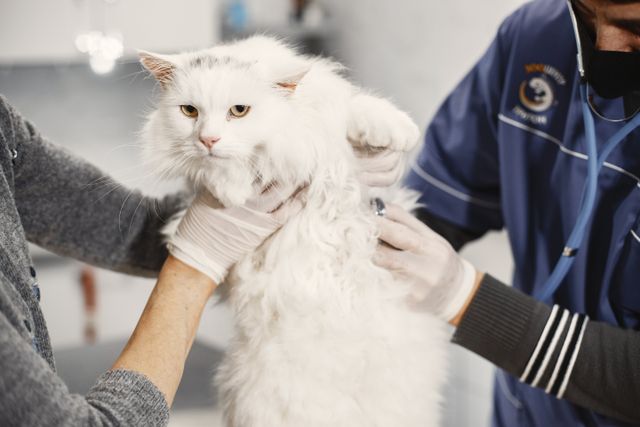
Why Is My Cat Vomiting? Causes, What to Do and When to Call the Vet
Last reviewed: October 2026. Checked against PDSA, Cats Protection, Blue Cross, International Cat Care and other veterinary guidance. How we research our guides.
You’ve just found a puddle of sick on the carpet, and your cat is wandering off as if nothing happened. Is it a hairball, something they ate, or a sign they’re unwell? If you’re asking “why is my cat vomiting?”, the answer depends on how often it happens, what comes up and how your cat seems afterwards.
This guide explains the common and more serious causes, how to tell vomiting from regurgitation, and what you can safely do at home. It also covers the warning signs that mean you should speak to your vet straight away.
Quick Answer
Cats often vomit because of hairballs, eating too fast, a sudden change of diet or a mild stomach upset. A single episode in a cat who is otherwise bright and eating normally is usually not an emergency. Repeated vomiting, vomiting for more than 24 hours, blood in the vomit, lethargy or refusing food all need a vet’s attention.
Call Your Vet Straight Away If Your Cat:
- Vomits repeatedly, or keeps vomiting for more than 24 hours
- Can’t keep food or water down
- Has blood or black specks (like coffee grounds) in their vomit
- Seems lethargic, weak or has pale gums
- Has diarrhoea, a painful tummy or is drinking or weeing much more than usual
- Is a young kitten or an elderly cat
- May have eaten a lily, medicine, string or another hazard
Out of hours, call your nearest emergency vet. These signs come from PDSA guidance on vomiting in cats.
Key Takeaways
- An occasional hairball, every week or two, is common in many cats.
- Vomiting more than about once a week is worth discussing with your vet.
- Regurgitation (food coming back up with little effort) has different causes from true vomiting.
- For a one-off episode in a well cat, PDSA advises feeding normally, offering fresh water and watching closely.
- Every part of a lily is highly toxic to cats. Suspected lily contact is always an emergency.
In This Guide
Is It Normal for Cats to Vomit?
Occasional vomiting can happen in healthy cats, but frequent vomiting is not something to ignore. According to the Cornell Feline Health Center, it’s not unusual for a cat to bring up a hairball every week or two without any lasting problem.
The same source advises seeing a vet if your cat vomits more than about once a week. Many owners get used to regular sickness and assume it’s “just what cats do”. In fact, frequent vomiting can be an early sign of a condition that’s easier to manage when it’s caught early.
Pet Care Tip: Note the date, time and what came up each time your cat is sick. A simple record on your phone makes it much easier for your vet to spot a pattern.
Is It Vomiting, Regurgitation or a Hairball?
Not everything that comes out of a cat’s mouth is true vomiting. Telling the difference helps your vet narrow down the cause, so it’s worth watching closely next time.
| What you see | How it happens | What comes up | When |
|---|---|---|---|
| Vomiting | Retching, heaving and tummy contractions first | Partly digested food, liquid, foam or bile (yellow) | Any time, including hours after eating |
| Regurgitation | Little or no effort; food just comes back up | Undigested food, often tube-shaped and coated in slime | Usually soon after eating |
| Coughing up a hairball | Hacking, gagging, then a hairball | A damp, sausage-shaped clump of fur | Any time |
| Coughing (not vomiting) | Crouched low, neck stretched, repeated coughs | Little or nothing comes up | Any time; can be a breathing problem |
Regurgitation often happens when a cat gulps food too quickly, but repeated regurgitation can also point to a problem with the food pipe (oesophagus). Coughing can look a lot like retching, yet it may be linked to breathing problems such as feline asthma. Any of these, if they keep happening, deserve a vet check.
Common Causes of Cat Vomiting
Most one-off vomiting in cats has a simple, everyday cause. PDSA lists mild stomach upsets, worms, fur balls, travel sickness and changes of diet among the usual triggers.
The table below shows what each cause tends to look like and what usually helps. Treat it as a guide, not a diagnosis. Your cat’s general mood matters as much as the vomit itself.
| Cause | What you might notice | What can help |
|---|---|---|
| Hairballs | Hacking, then a damp tube of fur; cat seems fine afterwards | Groom more often, especially longhaired cats; see your vet if it happens often |
| Eating too fast | Undigested food brought up minutes after a meal | Try smaller meals or a slow feeder or puzzle feeder |
| Sudden change of food | Sickness or loose stools a day or two after switching diet | Change foods gradually over about a week |
| Mild stomach upset (gastritis) | One or two episodes, cat otherwise bright | Feed normally, offer water and watch closely |
| Eating something unusual | Grass, plants, insects or scraps from the bin | Check the plant or item is safe; call your vet if unsure |
| Worms | Vomiting, sometimes with weight loss, a dull coat or a pot belly | Ask your vet about a regular worming plan |
| Travel sickness | Drooling or vomiting in the car or carrier | Short practice trips; ask your vet if it’s severe |
Why do some cats eat grass and then vomit?
Many cats nibble grass now and then, and some bring it straight back up. Nobody knows exactly why they do it. It’s usually harmless if the grass is untreated. However, a cat who suddenly eats lots of grass, or vomits every time, may have an underlying tummy problem worth checking with your vet.
Pet Care Tip: Keep the bin lid closed, store medicines in cupboards and tidy away string, ribbon and hair ties. Swallowed thread-like items can cause dangerous blockages in curious cats and kittens.
More Serious Causes of Vomiting in Cats
Vomiting can also be a sign of illness, especially when it keeps happening or comes with other changes. The Cornell Feline Health Center names conditions such as kidney disease, an overactive thyroid, diabetes, inflammatory bowel disease and blockages as possible causes.
These problems need a proper examination, and often blood tests, to diagnose. Watch for the other signs in this table. They help your vet work out what’s going on.
| Condition | Other signs to watch for | Worth knowing |
|---|---|---|
| Kidney disease | Drinking and weeing more, weight loss, poor appetite | More common in older cats |
| Overactive thyroid (hyperthyroidism) | Weight loss despite a big appetite, restlessness, thirst | More common in older cats |
| Blockage in the gut | Repeated vomiting, refusing food, tummy pain | Often after swallowing string, hair ties or toy parts |
| Poisoning | Sudden vomiting, drooling, wobbliness or collapse | Lilies, antifreeze and human medicines are known hazards |
| Inflammatory bowel disease (IBD) | Ongoing vomiting or diarrhoea, weight loss | Tends to develop gradually |
| Diabetes | Thirst, weeing more, weight changes, sometimes vomiting | More likely in overweight and older cats |
| Constipation | Straining in the litter tray, small hard stools, vomiting | Can be linked to other health problems |
Cats are skilled at hiding discomfort, so subtle changes matter. Our guide to the signs your cat is in pain but hiding it explains what to look out for. For more health and behaviour advice, browse our cat care guides.
Is vomiting more worrying in older cats and kittens?
Yes. PDSA advises getting very young and elderly cats checked promptly. Kittens can become dehydrated quickly because they’re so small. Older cats are more likely to have conditions such as kidney disease or an overactive thyroid, where vomiting may be one of the first signs.
Lily Warning
According to International Cat Care, every part of a lily is dangerous to cats, including the pollen and even water from the vase. Lily poisoning can seriously damage a cat’s kidneys, and signs such as vomiting, drooling and lethargy may appear within one to six hours. If you think your cat has touched or eaten any part of a lily, contact your vet immediately. Don’t wait for symptoms.
What Your Cat’s Vomit Can Tell You
The colour and contents of your cat’s vomit can offer useful clues, but they’re only part of the picture. How your cat is behaving, eating and drinking matters just as much. Use this table to understand what you’re seeing, then share it with your vet if you’re worried.
| What you see | What it may suggest | What to do |
|---|---|---|
| Undigested food, soon after eating | Often eating too quickly, or possible regurgitation | Try smaller meals; mention it to your vet if it keeps happening |
| Damp tube of fur | A hairball | Usually fine if occasional; speak to your vet if it’s frequent |
| Yellow or greenish liquid | Bile, which may come up when the stomach is empty | Note the time of day; ask your vet if it happens regularly |
| White foam or clear liquid | Often brought up with an empty or irritated stomach | Watch closely; call your vet if it repeats |
| Grass or plant material | Grass eating, or chewing a plant | Identify the plant; call your vet straight away if it could be a lily or toxic |
| Red streaks or fresh blood | Irritation or bleeding somewhere in the gut | Contact your vet the same day |
| Dark brown specks, like coffee grounds | Possible digested blood | Contact your vet urgently |
| Worms or worm segments | A worm infection | Book a vet appointment for the right treatment |
Pet Care Tip: Colours can look different under artificial light. Check the vomit in daylight if you can, and take a clear photo next to a white tissue. It helps your vet see what really came up.
What to Do When Your Cat Vomits
If your cat has vomited once and otherwise seems their usual self, a calm, watchful approach is usually enough. If any warning signs from the red box above apply, skip these steps and call your vet.
- Stay calm and check your cat. Are they bright and alert, or quiet, hiding or weak?
- Look for anything they might have eaten, such as lily petals, string, medicines or plants. If you find a hazard, call your vet straight away.
- Take a quick photo of the vomit before you clean it up. It can help your vet more than a description.
- Offer fresh water. Keep a clean bowl within easy reach.
- Feed as normal. For a single episode in an otherwise well cat, PDSA advises feeding normally and watching your cat closely.
- Watch for the next 24 hours. If your cat vomits again, stops eating or seems unwell at any point, contact your vet.
- Never give human medicines or try to make your cat sick. Some common painkillers are highly toxic to cats.
Keep a simple vomit log
A short record is one of the most useful things you can bring to the vet. It turns a vague worry into a clear pattern. Note the details below each time your cat is sick.
| Note down | Example |
|---|---|
| Date and time | Mon 6 Oct, 7.15am |
| What it looked like | Yellow liquid, no food |
| When they last ate | About 10 hours before |
| Eating and drinking normally? | Yes, ate breakfast an hour later |
| Energy and mood | Normal, playing |
| Any other signs? | None noticed |
Example Scenario (illustrative)
Milo, a nine-year-old indoor cat, had been bringing up his breakfast a few times a week for a couple of months. His owner assumed it was hairballs. After keeping a simple log for two weeks, she noticed Milo was also drinking more and had lost a little weight. She took the log to her vet, who ran blood tests and was able to start a treatment plan early. The log turned “he’s just sick sometimes” into clear information the vet could act on.
Questions to Ask Your Vet
- Is this vomiting or regurgitation, and does that change what you look for?
- Could my cat’s diet, or how fast they eat, be playing a part?
- Would blood tests or other checks help rule out conditions such as kidney or thyroid problems?
- Is my cat up to date with worming, and which product suits their lifestyle?
- Which signs mean I should bring them back straight away?
How to Reduce Vomiting in Cats
You can’t prevent every bout of sickness, but a few everyday habits lower the chances. These steps tackle the most common triggers: swallowed fur, fast eating, diet changes and household hazards.
- Groom regularly, especially longhaired cats, to reduce swallowed fur.
- Slow down fast eaters with a puzzle feeder, a flat plate or smaller, more frequent meals.
- Change food gradually, mixing the new food in over about a week.
- Keep up with worming on a schedule your vet recommends for your cat’s lifestyle.
- Cat-proof your home: no lilies indoors, medicines locked away, and string, ribbon and hair ties tidied up.
- Encourage drinking with fresh water in several spots, and consider some wet food.
- Book regular check-ups, especially for older cats. Ask your vet how often suits your cat.
Pet Care Tip: If your cat gets sick on car journeys, gradual carrier training can help. Our guide on getting a cat used to its carrier explains how to make trips calmer.
Common Mistakes Owners Make
Most mistakes come from good intentions. Here’s what to avoid, and why.
| Mistake | Why it happens | Effect on your cat | How to avoid it |
|---|---|---|---|
| Assuming frequent sickness is normal | Many cats vomit occasionally, so owners stop noticing | Early signs of illness can be missed | Speak to your vet if it happens more than about once a week |
| Blaming every episode on hairballs | Hairballs are the best-known cause | Other problems go unchecked | Look at what actually comes up and keep a log |
| Switching food overnight | A new food looks better or is on offer | The sudden change can upset the stomach | Mix the new food in gradually over about a week |
Questions to Ask Your Vet
A vet visit goes further when you arrive prepared. Bring your vomit log, a photo of the vomit if you took one, and a note of any new food, treats or medicines your cat has had lately. Then work through these questions:
- Could diet, hairballs or worms explain this, and how would we find out?
- Does my cat need blood tests, a urine sample or scans, and what would each one tell us?
- Does my cat’s age or weight change what you think is going on?
- Should I change what or how I feed, and how should I make the switch?
- Which signs mean I should ring you, and which mean going straight to an emergency vet?
- Is our worming routine right for my cat’s lifestyle?
Frequently Asked Questions About Cat Vomiting
Is it normal for a cat to be sick sometimes?
An occasional episode can happen in a healthy cat, but it should not become routine. Cats Protection suggests mentioning even occasional vomiting at your next appointment, because a range of conditions can sit behind it. A cat who is sick often, or who seems off in other ways, deserves a proper check rather than a shrug.
When should I take my cat to the vet for vomiting?
Phone your vet if your cat is sick more than once, or if other symptoms appear alongside it. PDSA treats vomiting that goes on past 24 hours, or a cat who cannot keep food or water down, as urgent. Lethargy, tummy pain, pale gums and blood in the vomit are further reasons to call straight away.
Should I worry if my cat vomits only once?
Usually not, provided your cat is otherwise bright, eating and drinking. PDSA says a single episode in a healthy cat can be watched at home: feed as normal, keep fresh water available and observe closely. If your cat is sick again, or seems unwell at any point, ring your vet for advice.
Should I stop feeding my cat after they have been sick?
Advice varies a little, so check with your vet. PDSA suggests feeding normally after a single episode in a well cat. Blue Cross says that if a cat cannot keep food down, missing one meal while leaving water out may help, followed by small bland portions. A cat who cannot keep food or water down needs veterinary help, so do not extend any fast on your own.
Why does my cat throw up after eating?
Eating too fast is a common reason. A rush of food can come straight back up, often looking undigested. Sudden diet changes, hairballs and food intolerances can also play a part. Smaller, more frequent meals or a slow feeder may help, but if it keeps happening, or your cat seems unwell, ask your vet to look into it.
Can worms make a cat sick?
Yes, worms are among the causes PDSA lists. Cats Protection singles out kittens who have not been wormed. Ask your vet which products and schedule suit your cat’s age and lifestyle rather than guessing.
What should I do if there is blood in my cat’s vomit?
Call your vet straight away. Both PDSA and Blue Cross list blood in the vomit as a warning sign, and PDSA also mentions black specks. If you can do so safely, photograph the vomit before you clean it up so your vet can see exactly what you saw.
Are kittens and older cats at higher risk when they vomit?
Yes, they face a higher risk of problems such as dehydration, so do not wait and see. Cats Protection and PDSA both flag very young and elderly cats as needing prompt attention. If an older cat is also going off its food, our guide to a senior cat who will not touch dry food may help, but a vet check comes first.
Can travel make my cat vomit?
It can, and PDSA lists travel sickness among the common causes. Getting your cat used to the carrier well before the journey often helps; our guide to choosing a travel carrier explains what to look for. Speak to your vet if the sickness is severe or happens on every trip.
The Bottom Line
A single bout of sickness in a cat who is bright, eating and drinking is usually something to watch rather than panic about. What matters is the pattern: how often it happens, what comes up, and how your cat behaves afterwards. Keep a simple log, tidy away lilies, string and medicines, and introduce any new food slowly.
If you are still wondering why is my cat vomiting, and it repeats, lasts beyond a day, or comes with lethargy, blood, pale gums or a cat who cannot keep water down, ring your vet without waiting. You know your cat best, so if something feels wrong, trust that instinct. For more everyday cat health and behaviour help, browse our Cats section.
Related reading
Sources and References
- PDSA: Vomiting in cats
- Cats Protection: Vomiting in cats
- Blue Cross: Caring for your sick cat
- Cornell Feline Health Center: Vomiting
- International Cat Care: Lily poisoning in cats
About the author — Written and reviewed by the Pets Store Home Editorial Team: pet owners and animal lovers who check every guide against trusted UK animal-welfare and veterinary sources. This article is general information, not a substitute for professional veterinary advice. Always speak to your vet about your own pet’s health. Last reviewed: October 2026. Sources: PDSA, Cats Protection, Blue Cross, Cornell Feline Health Center, International Cat Care.
You can read how we research and write every guide on our About page. If you spot something out of date, please contact us and we will check it against the latest guidance.
[…] Which foreign pets are legal in Washington State? […]