
Cool Pets to Have in Your Room: Top 10 Coolest Pets for Small Spaces (2026)
What are the best cool pets to have in your room? Good bedroom pets are small, quiet and happy in a tank or cage, such as a betta fish, leopard gecko, hermit crabs, a pair of rats, guinea pigs or a budgie. The right pick depends on your space, your sleep, how much handling you want, and how long you can commit.
A pet that lives in your bedroom shares your air, your noise and your schedule. Some cool pets are silent and low-key; others chatter at dawn or run on a wheel at 2 a.m. This guide ranks 10 cool pets to have in your room, compares their space, lifespan and noise, and flags the health and legal checks to make first.
Key takeaways
- The quietest picks are a betta fish, leopard gecko, corn snake or tarantula.
- For a pet you can handle and bond with, rats and guinea pigs are strong choices, but both do best in pairs.
- Hamsters and hedgehogs are mostly active at night, which can disturb light sleepers.
- Lifespans range from about 2 years (rats, hamsters) to 10–20 years or more (leopard geckos, corn snakes, female tarantulas).
- The CDC does not recommend reptiles for homes with children under 5, and hedgehogs can also spread Salmonella.
- Check state and city rules before buying any exotic pet.
In this guide
Cool Pets to Have in Your Room at a Glance
| Pet | Minimum space | Typical lifespan | Noise / active time |
|---|---|---|---|
| Betta fish | 5-gallon heated tank | 3–5 years | Silent; filter hum only |
| Leopard gecko | 10 gallons for one (bigger is better) | 10–15 years | Quiet; dawn and dusk |
| Hermit crabs | 5 gallons per 2 crabs | Around 10 years | Quiet; some night clicking |
| Pet rats (pair) | Large multi-level cage | 2–3 years | Mostly evening and night |
| Guinea pigs (pair) | 10 sq ft for two | 6–9 years | Vocal; squeaks and whistles |
| Hamster | Large single cage with wheel | 18–24 months | Night; wheel noise |
| Budgie | At least 18 x 18 in cage | 7–15 years | Daytime chatter |
| Corn snake | 36 x 18 x 18 in for adults | 15–20+ years | Silent |
| Tarantula | Small secure enclosure | Females up to 20 years | Silent; night hunter |
| Hedgehog | Large cage with solid wheel | Several years | Night; wheel noise |
Figures come from the care sources linked in each section below. Bigger enclosures than the minimum are usually better for welfare.

How to Choose a Bedroom Pet
Before you pick from any list of cool pets to have in your room, answer five honest questions. They matter more than how a pet looks online.
- Your sleep: Night-active pets such as hamsters, rats and hedgehogs can be noisy while you sleep.
- Your space: Measure the floor or shelf space you can give, then plan for the adult size of the enclosure, not the starter kit.
- Handling: Do you want a pet to cuddle, or one to watch? Fish, tarantulas and hermit crabs are mostly hands-off.
- Time: Some cool pets live 2 years; others live 20. Think about college, moves and roommates.
- Household: Young children, older adults and anyone with a weak immune system need extra care around reptiles and some small mammals.
If you mainly want something simple, our guide to easy, low-maintenance pets covers more options, and our pets for apartments guide helps if your whole home is small.
Top 10 Cool Pets to Have in Your Room
1. Betta fish
A betta brings bright color and personality with no noise at all. A Chewy betta care sheet lists a minimum 5-gallon tank for one betta, water at 76–81°F with a heater, a filter, and a lifespan of about 3 to 5 years. Skip the tiny bowls; stable, warm, filtered water keeps a betta healthy.
2. Leopard gecko
Leopard geckos are calm, quiet and easy to watch. VCA Animal Hospitals says one gecko can live in a 10-gallon tank with a screen top, kept in the mid-80s °F with a safe heat source, and may live 10 to 15 years. Bigger is better, though: the Royal Veterinary College recommends at least 36 x 18 x 18 inches and notes that leopard geckos are most active at dawn and dusk.
Geckos eat live insects dusted with calcium, so you need to be comfortable with crickets or roaches in your room.
3. Hermit crabs
Land hermit crabs are social, so plan for at least two. PetSmart’s care guide suggests at least 5 gallons per 2 crabs, humidity of 70–80%, warm daytime temperatures, deep substrate for molting, and several spare shells per crab. With good care they can live about a decade.
4. Pet rats
Rats may surprise you. VCA veterinarians describe them as extremely intelligent, able to learn tricks and come when called, and say well-socialized rats rarely bite. They are usually happier with another rat, live about 2 to 3 years, and are most active at night, though awake for periods during the day.
5. Guinea pigs
Guinea pigs are gentle, chatty and great for owners who want daily interaction. A Seattle Animal Shelter care sheet says they are herd animals that do best with companions, need at least 10 square feet for two, need daily vitamin C, and live about 6 to 9 years. They squeal, chirp and whistle, so they are not the quietest choice.
6. Hamster
A hamster is a classic first pet, but it keeps night hours. VCA notes that hamsters run hard on wheels at night, may not suit light sleepers, are best housed alone, and live about 18 to 24 months. They can bite when startled, so wake them gently before handling. A silent, solid wheel helps a lot in a bedroom.
7. Budgie (parakeet)
Budgies are bright, social little parrots that can learn to whistle and sometimes talk. Writing for PetMD, Sean Perry, DVM, says pet budgies can live about 7 to 15 years and need a cage of at least 18 by 18 inches with varied perches. Expect morning chatter, and plenty of daily social time.
8. Corn snake
Corn snakes are one of the calmer pet snakes. The Phoenix Herpetological Society describes them as docile, typically 4 to 5 feet long, and able to live 15 to 20 years or more. Adults need an enclosure of at least 36 x 18 x 18 inches with a warm basking spot, and the society calls them escape artists, so a locking lid is a must.
9. Tarantula
For a truly unusual pet, a tarantula is silent and needs little space. The Smithsonian’s National Zoo says female Chilean rose tarantulas can live up to 20 years in human care, while males live far shorter lives. They can flick irritating hairs when threatened, so treat a tarantula as a pet to watch, not to hold.
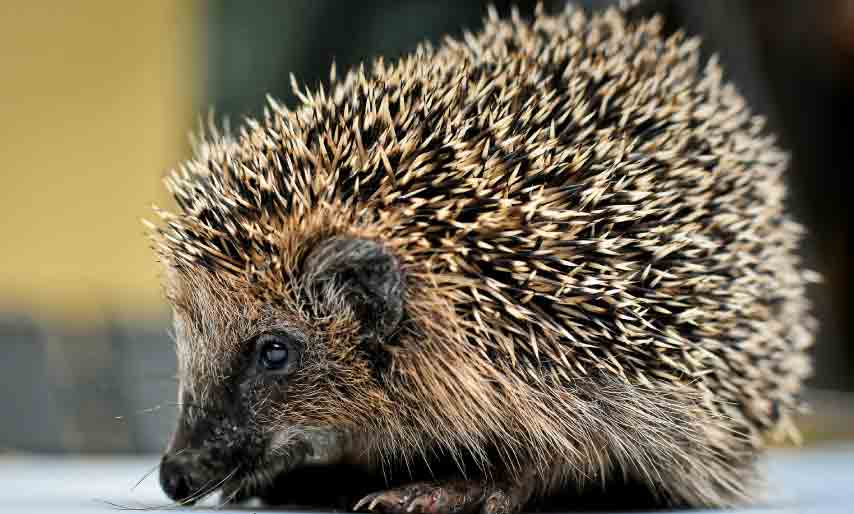
10. Hedgehog
Hedgehogs are cute and curious but take patience. They are mostly active at night and need a large cage and a solid wheel. The CDC has linked pet hedgehogs to Salmonella outbreaks and advises owners not to kiss or snuggle them and to wash hands after handling. Hedgehogs are also banned in some states and cities, so check local rules first. Learn more in our guide on whether hedgehogs are good pets for kids.
Pet Care Tip: Set up the enclosure and run the heat, light and filter for a few days before your pet arrives. You will catch noise, temperature or humidity problems before they affect your pet or your sleep.
Pets That Do Not Suit a Bedroom
Some animals sometimes listed as cool pets to have in your room really need much more space or special permits. Potbelly pigs can grow very large and need outdoor space. Wallabies and chipmunks need room to roam and may be restricted where you live. Large parrots are loud and need hours of daily attention. If you love unusual animals, our guide to small exotic pets that are easy to own has more realistic options.
Health and Safety Checks for Cool Pets to Have in Your Room
The CDC says reptiles and amphibians can carry Salmonella even when they look healthy. It does not recommend them for homes with children under 5, adults 65 and older, or people with weakened immune systems, and advises washing hands with soap and water after touching the animal, its food or its habitat.
- Keep tanks, cages and feeding supplies out of the kitchen, and do not clean habitats in a food-prep sink.
- Wash hands after every handling session and cleaning.
- Find an exotic-animal vet near you before you buy, not after your pet gets sick.
- Check your state wildlife agency, city code and landlord or dorm rules for any exotic pet.
When to call a vet right away: Labored breathing, bleeding, not eating for more than a day in small mammals, a reptile that stops moving or eating for an unusual length of time, or any injury needs prompt care. If your vet is closed, call a 24/7 emergency animal hospital that sees exotic pets.
Setting Up Your Room for a Pet
7 questions to answer before you bring a pet home
- Is the spot out of direct sun and away from heaters, vents and drafts?
- Is there an outlet nearby for heaters, lights or filters?
- Can the floor or furniture hold the weight of a filled tank?
- Is the lid or door escape-proof and secure from other pets?
- Will the pet’s active hours clash with your sleep?
- Who will care for it when you travel?
- Can you afford vet visits as well as food and supplies?
Example Scenario (illustrative)
Jordan, a light sleeper in a small Chicago apartment, wants a pet for his bedroom. He rules out a hamster because of night wheel noise and chooses a betta in a heated, filtered 5-gallon tank on a sturdy dresser. After a few months of easy care, he adds live plants and starts researching a leopard gecko for a second tank.
| Common mistake | Why it matters | Better approach |
|---|---|---|
| Buying the starter kit cage or bowl | Often too small for adult welfare | Buy for the adult size from day one |
| Keeping a social pet alone | Rats, guinea pigs and hermit crabs do better with company | Adopt a bonded pair or group |
| Ignoring night activity | Wheel noise can ruin your sleep | Pick a quiet species or a silent wheel |
| Skipping a legal check | Some exotics are banned locally | Check state, city and lease rules |
What most owners get wrong
Many people choose cool pets to have in your room by looks alone and assume small means easy. In reality, a gecko under 10 inches long can live 15 years and a tiny hamster may keep you up every night. Match the pet’s schedule, lifespan and space to your life first, and the “cool” part takes care of itself.
Cool Pets to Have in Your Room FAQs
What is the best pet to keep in your room?
For most people, a betta fish or leopard gecko. Both are quiet, need little floor space and do not need daily handling.
What pets are good for small spaces?
Betta fish, leopard geckos, hermit crabs, tarantulas and pairs of rats all fit well in small rooms with the right enclosure.
What is the quietest pet for a bedroom?
Fish, corn snakes, leopard geckos and tarantulas make almost no noise. Avoid wheel-runners if you are a light sleeper.
What is a cute small pet that likes being held?
Rats and guinea pigs usually enjoy gentle handling once socialized. Both do best in pairs.
Are reptiles safe to keep in a bedroom?
Yes, with good hygiene. The CDC advises washing hands after handling and does not recommend reptiles for children under 5.
Which cool pets to have in your room live the longest?
Corn snakes can live 15 to 20 years or more, leopard geckos 10 to 15 years, and female Chilean rose tarantulas up to 20 years.
What is a good pet for a teen’s bedroom?
A betta fish, leopard gecko or a pair of rats are good starter choices, with an adult helping on setup, costs and vet care.
Final Verdict: Cool Pets to Have in Your Room
The best cool pets to have in your room match your space, sleep and schedule. Choose a betta, leopard gecko, corn snake or tarantula for quiet, low-handling care, or a pair of rats or guinea pigs for a pet you can bond with. Check local rules, plan for the adult enclosure, and find an exotic-animal vet first.
Your next steps
- Measure your space and note your sleep and travel habits.
- Compare budget picks in our guide to cheap exotic pets, or browse brightly colored pet birds.
- Explore more small-pet care guides in our Other Pets section.
Tell us which room pet you chose on our Pets Store Home Facebook page.
About the author: Written and reviewed by the Pets Store Home Editorial Team, a group of pet owners and animal lovers who check every guide against trusted US veterinary, public-health and animal-welfare sources. This article is general information, not a substitute for professional veterinary advice. Always talk to your veterinarian about your own pet’s health.
How we checked this guide: Care figures come from VCA Animal Hospitals (leopard geckos, hamsters, rats), the Royal Veterinary College (gecko enclosure size), PetMD (budgies, reviewed by a DVM), the Seattle Animal Shelter (guinea pigs), the Phoenix Herpetological Society (corn snakes), the Smithsonian’s National Zoo (tarantulas), and Chewy and PetSmart care sheets (bettas, hermit crabs). Health and hygiene advice comes from the CDC. We review this article every 12 months, or sooner if guidance changes.
Last reviewed: October 2026.
Sources (accessed October 22, 2026)
- Chewy: Betta Fish Care Sheet
- VCA Animal Hospitals: Leopard Geckos, Care and Feeding
- Royal Veterinary College: Leopard Gecko Care
- PetSmart: Hermit Crab Care Guide
- VCA Animal Hospitals: Owning a Pet Rat
- Seattle Animal Shelter: Guinea Pig Care Sheet
- VCA Animal Hospitals: Owning a Pet Hamster
- PetMD: How Long Do Parakeets Live? (Sean Perry, DVM)
- Phoenix Herpetological Society: Corn Snake Care Guide
- Smithsonian’s National Zoo: Chilean Rose Tarantula
- CDC: Salmonella Outbreak Linked to Pet Hedgehogs
- CDC: Reptiles and Amphibians
[…] Which foreign pets are legal in Washington State? […]