

Easy to Take Care of Pets With Small Low Maintenance: 7 Small Pets Compared (2026)
The easy to take care of pets most busy owners do best with are a betta fish, a leopard gecko, a Syrian hamster, a pair of rats, a budgie, and a pair of guinea pigs. Each fits in a small home and needs less daily time than a dog. “Low maintenance” still means daily feeding, weekly cleaning and a vet you can call, so pick a pet that matches your schedule and its lifespan.
Some small pets are sold as easy but aren’t. Rabbits, for example, need far more space and attention than most first-time owners expect. This guide compares seven small pets on lifespan, housing, daily care and how well they suit children, using US veterinary and animal-welfare sources.
Health note: small mammals and reptiles can carry germs such as Salmonella. The CDC doesn’t recommend reptiles for homes with children under 5, adults 65 and older, or people with weakened immune systems. Wash your hands after handling any pet or cleaning its habitat, and find a vet who treats small animals before you buy.
Key takeaways
- A betta fish needs at least 2.5 gallons, a heater and a filter; it isn’t a bowl pet.
- Syrian hamsters live about 1.5 to 2 years and must be housed alone.
- Guinea pigs need daily vitamin C, because they can’t make their own.
- Rabbits often live 8 to 12 years and are an adult responsibility, not an easy starter pet.
- Budgies can live 7 to 15 years and need daily social time.
Quick picks by schedule
- Under 10 minutes a day: betta fish or leopard gecko
- Home mostly in the evening: Syrian hamster or leopard gecko
- 30+ minutes a day and want interaction: a pair of rats or a budgie
- Family with school-age kids: a pair of guinea pigs, with adult help
In this guide
Easy to Take Care of Pets: Comparison Table
Use this table to compare easy to take care of pets at a glance. Lifespans and housing come from the sources linked in each section below. The weekly time column is our editorial estimate for routine care, not a vet figure.
| Pet | Typical lifespan | Minimum housing | Routine care (estimate) |
|---|---|---|---|
| Betta fish | 3 to 5 years | 2.5+ gallons, heater, gentle filter | About 30 to 60 minutes a week |
| Leopard gecko | 6 to 10 years, often longer | 20 to 40 gallons with a warm hide | About 1 hour a week |
| Syrian hamster | 1.5 to 2 years | 600 sq in floor space, 12-inch wheel | About 1 to 2 hours a week |
| Rats (pair or group) | 2 to 4 years | Roomy multi-level cage | 30+ minutes out of the cage daily |
| Budgie | 7 to 15 years | At least 18 x 18 inches floor | Daily social time plus cleaning |
| Guinea pigs (pair) | About 4 to 8 years | Solid-floor cage with deep bedding | Daily fresh food plus weekly cleaning |
1. Betta Fish: The Easiest Pet for Small Spaces
Of all the easy to take care of pets here, a betta asks for the least daily time, but only if the tank is set up properly. PetMD’s vet-written care sheet says bettas need at least 2.5 gallons, with 5 to 10 gallons recommended for stable water. Keep the water at 76 to 81°F (24 to 27°C) with a heater and a gentle filter.
Feed a high-protein betta food once or twice a day, and change part of the water regularly. Males can live alone happily. With good care, bettas live about 3 to 5 years. If you’d rather keep a small community tank, our guide to freshwater fish for a home aquarium covers other low maintenance fish.

2. Leopard Gecko: Quiet and Low-Effort
Leopard geckos are hardy, quiet and don’t need daily handling. Reptiles Magazine’s care sheet recommends a 20- to 40-gallon enclosure for one gecko, with a warm hide kept at 88 to 90°F (31 to 32°C). They eat live insects such as crickets and mealworms every other day, dusted with a vitamin and mineral supplement.
The commitment is long: they often live 6 to 10 years, and many males reach 10 to 20. Never grab one by the tail, because it can drop it. Our guide on whether leopard geckos have teeth covers what a gentle bite feels like.
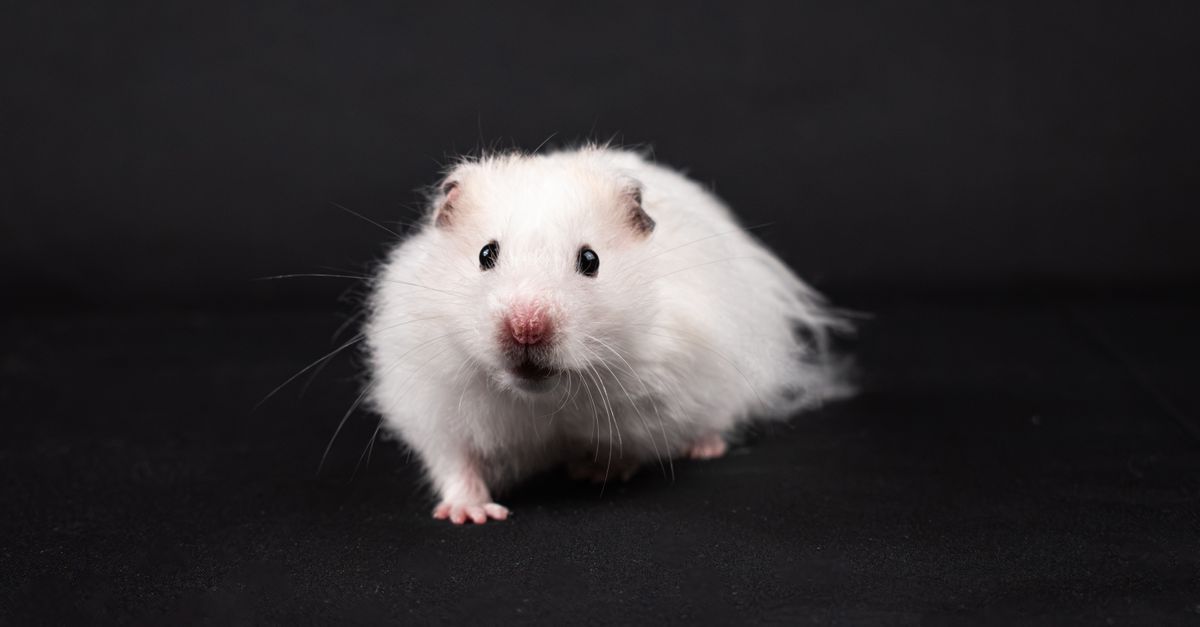
3. Hamster: Small but Needs More Space Than You Think
Hamsters are a common choice among easy to take care of pets, but their cage needs are bigger than most store kits. Oregon Humane Society’s hamster care sheet calls for at least 600 square inches of floor space and a solid wheel at least 12 inches across for a Syrian hamster.
Syrian hamsters must live alone. They’re active mostly at night and may nip if woken during the day, so the same sheet says they aren’t right for families with small children. They live about 1.5 to 2 years, which suits owners who can’t commit to a decade.
4. Pet Rats: Clever, Social and Affectionate
Rats surprise many people. They’re intelligent, and many owners find they enjoy gentle handling once they settle in. PetMD notes that pet rats typically live 2 to 4 years, prefer to live in groups and need at least 30 minutes a day outside the cage. Keep two or more same-sex rats together.
Watch for weight loss, which PetMD calls the most common first sign of illness, and keep the cage clean to protect their sensitive lungs.
5. Budgie: A Small Bird With a Big Personality
Budgies, also called parakeets, are small and inexpensive to feed, but they’re social birds that need daily attention. PetMD says captive budgies can live 7 to 15 years. It recommends a cage at least 18 by 18 inches, with bars about 3/8 inch apart, and a pelleted diet rather than seed alone.
Talk to your budgie, offer toys to forage with, and clean the cage floor several times a week. If you’re out of the house all day, two budgies may keep each other company better than one bird alone.
6. Guinea Pigs: Gentle, Chatty and Social
Guinea pigs are usually gentle and tolerant of handling, which makes them good easy to take care of pets for families with older children. Their one non-negotiable need is vitamin C. PetMD explains that guinea pigs can’t make their own vitamin C, so they need daily fresh vegetables and a supplement your vet recommends.
They live about 4 to 8 years, and some longer. Avoid wire-floor cages, which can cause sore feet, and give them deep bedding and hideaways. They’re social animals and often do best with a companion guinea pig. Our guide on whether guinea pigs can eat strawberries covers safe treats.
Pet care tip: before you buy any small pet, price out the full setup. The tank, cage, heater, lighting and bedding often cost more than the animal itself, and a correctly sized habitat is what makes the pet easy to care for later.
Example scenario (illustrative)
Priyanka in Pittsburgh works 10-hour shifts and lives in a small apartment. She was looking for easy to take care of pets and almost bought a rabbit. After reading about rabbits’ space and social needs, she chose a betta in a heated 5-gallon tank instead. She feeds it twice a day, changes some of the water on Sundays, and still has time left for herself.

Small Pets That Aren’t as Low Maintenance as They Look
Rabbits top this list. Petfinder’s list of common rabbit myths cites the House Rabbit Society: “a rabbit is an adult responsibility.” Spayed or neutered house rabbits typically live 8 to 12 years, need unlimited hay and a large bunny-proofed area to roam, and can be injured by rough handling. They’re rewarding pets, but not low-maintenance ones.
Chinchillas and ferrets can also be more work than they look. Chinchillas generally need large cages and regular dust baths, and ferrets generally need a pet-proofed home and plenty of supervised playtime. If you love these animals, plan for a bigger time commitment.
How to Choose Easy to Take Care of Pets for Your Home
Answer these questions honestly before you choose:
Small-pet match checklist
- How many minutes a day can you really give? Under 10: betta or leopard gecko. 30 or more: rats, budgies or guinea pigs.
- Are you home in the evening? Hamsters and geckos are most active then.
- Are there children under 5, adults over 65 or anyone with a weakened immune system in the home? Ask your doctor or vet before getting reptiles or rodents.
- How long can you commit? Hamsters live about 2 years; budgies can live 15.
- Is there a vet nearby who treats fish, reptiles, birds or small mammals?
- Do your lease and local rules allow the pet?
Pocket pets can also carry germs. King County Public Health notes that pregnant people are most at risk from LCMV, a virus pet rodents can pick up from wild house mice. Salmonella is riskier for young children, older adults and people with weak immune systems. Wash your hands after every handling session.
Easy to Take Care of Pets: FAQs
What is the easiest small pet to take care of?
For most busy adults, a betta fish in a heated, filtered tank of at least 2.5 gallons needs the least daily time. A leopard gecko is a close second.
What is the best low maintenance pet for a child?
Guinea pigs or a pair of rats often suit school-age children with adult supervision. Hamsters aren’t recommended for small children because they may nip when woken.
Are hamsters low maintenance?
Fairly, but a Syrian hamster needs at least 600 square inches of floor space, a 12-inch wheel and a cage of its own. Spot-clean often and change bedding regularly.
Do betta fish need a heater?
Yes. Bettas are tropical fish that do best at 76 to 81°F, so use a heater and a thermometer, even in a warm home.
Are rabbits easy pets?
No. The House Rabbit Society calls a rabbit an adult responsibility. Rabbits often live 8 to 12 years and need unlimited hay, space to roam and gentle handling.
Which small pet lives the longest?
Of the pets in this guide, budgies (7 to 15 years) and leopard geckos (often 6 to 10 years or more) usually live longest.
What pet is good for an apartment?
Quiet pets that don’t need outdoor space, such as a betta fish, leopard gecko, hamster or pair of rats, usually suit apartments well. Check your lease first.
Final Verdict: The Best Easy to Take Care of Pets
The best easy to take care of pets for small homes are a betta fish or a leopard gecko if you have little daily time, and rats, guinea pigs or a budgie if you can give 30 minutes or more a day. Set up the right habitat from day one, plan for the full lifespan, wash your hands after handling, and find a vet before you need one.
Your next steps
- Use the checklist above to narrow your list to one or two pets.
- Price out the full habitat before buying the animal.
- Compare reptile options in our guide to easy, low-maintenance pets for beginners.
- Browse more small-pet guides in our pets section.
Tell us which small pet you chose in our Facebook community.
About the author — Written and reviewed by the Pets Store Home Editorial Team: pet owners and animal lovers who check every guide against trusted US veterinary, animal-welfare and public-health sources. This article is general information, not a substitute for professional veterinary advice.
How we checked this guide: Care figures come from PetMD’s veterinarian-written guides (betta fish, rats, guinea pigs and budgies), the Oregon Humane Society, Reptiles Magazine and Petfinder with the House Rabbit Society; health guidance comes from the CDC and King County Public Health. Weekly time estimates are our own. We review this guide every 12 months.
Last reviewed: October 2026.
Sources
- PetMD, Betta Fish Care Sheet (updated April 2026) (accessed October 2026)
- Reptiles Magazine, Leopard Gecko Care Sheet (accessed October 2026)
- Oregon Humane Society, Hamster Care Sheet (accessed October 2026)
- PetMD, How Long Do Rats Live? (accessed October 2026)
- PetMD, How Long Do Parakeets Live? (accessed October 2026)
- PetMD, How Long Do Guinea Pigs Live? (accessed October 2026)
- Petfinder, 9 Common Rabbit Myths (accessed October 2026)
- CDC, Reptiles and Amphibians (accessed October 2026)
- King County Public Health, Rodents, Rabbits and Pocket Pets (accessed October 2026)
[…] Which foreign pets are legal in Washington State? […]