
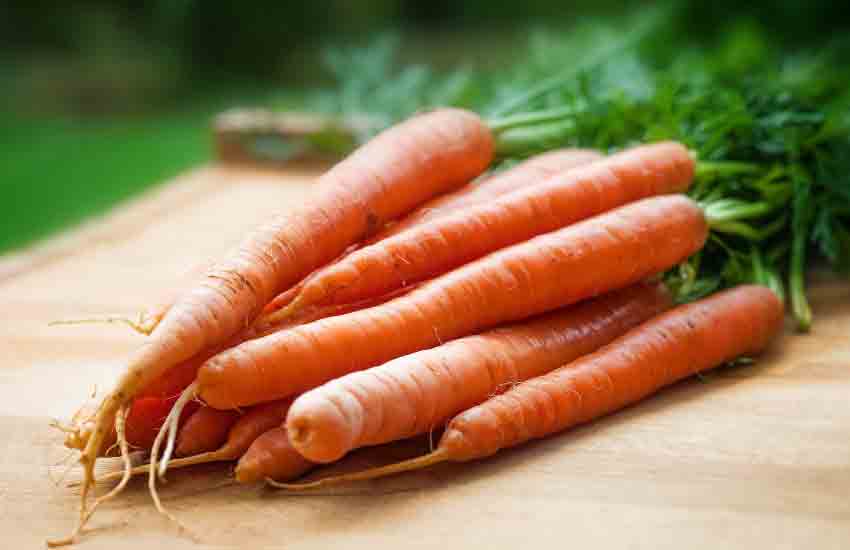
Quick answer: Yes, chinchillas can eat small amounts of carrot, strawberry, apple, and banana as occasional treats, but none of these should be a regular part of their diet. Chinchillas evolved on sparse, low-sugar, low-fat vegetation in the Andes, and their digestive systems handle sugar and fat poorly. A pea-sized piece once or twice a week is plenty – hay should always make up the vast majority of what they eat.
Key Takeaways
- Unlimited grass hay (timothy or orchard grass) should make up roughly 80-90% of a chinchilla’s diet, with a small daily portion of chinchilla-specific pellets.
- Fresh fruit, including carrots, strawberries, apples, and bananas, should be treated as occasional treats – no more than a pea-sized piece, one or two times per week.
- Sugar and fat are the two things chinchilla digestive systems handle worst; too much of either can trigger diarrhea, bloating, or more serious GI distress.
- New treats should always be introduced one at a time, in tiny amounts, so you can catch a bad reaction before it becomes a real problem.
- Some human foods are never appropriate for chinchillas – chocolate, avocado, onion, garlic, citrus, nuts, seeds, and dairy products should be avoided entirely.
Why Trust This Guide?
This guide is based on general exotic small-mammal nutrition guidance for chinchillas, reflecting how their digestive physiology differs from more commonly kept pets like rabbits or guinea pigs. It’s meant as a practical starting point – for a chinchilla with an existing health condition, always check with an exotics-experienced veterinarian before changing its diet.
Understanding a Chinchilla’s Natural Diet
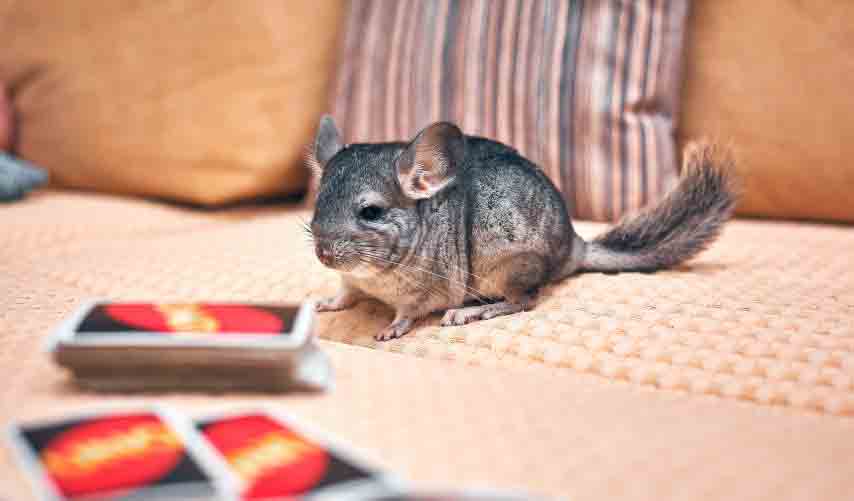
Chinchillas are native to the high-altitude regions of the Andes Mountains in South America, where vegetation is sparse, tough, and low in sugar and fat. Over thousands of years, their digestive systems adapted to process large volumes of fibrous, low-calorie plant matter almost continuously. This is very different from the diet many owners assume small pets need, and it’s the main reason chinchillas react so poorly to foods that other rodents or lagomorphs tolerate reasonably well.
Because of this evolutionary background, a captive chinchilla’s gut flora is finely tuned to ferment fiber, not to process concentrated sugars or fats. Introducing rich, sugary treats too often – or in portions too large – disrupts that balance. The result can range from mild soft stool to serious, even life-threatening, gastrointestinal upset. This is why every fruit or vegetable treat, including the four covered in this guide, needs to be thought of as an occasional indulgence rather than a dietary staple.
It also helps to understand why chinchillas are often lumped in with rabbits and guinea pigs when people think about small-pet diets, even though their tolerance for treats is noticeably lower. Rabbits and guinea pigs also rely heavily on hay, but both have digestive systems that are somewhat more forgiving of the occasional sugary vegetable or fruit. Chinchillas, by comparison, evolved in a much harsher, more nutrient-scarce environment, and their gut microbiome hasn’t adapted the same buffering capacity. A treat portion that a guinea pig shrugs off without issue can be enough to trigger diarrhea or bloating in a chinchilla of a similar size. Owners switching from another small pet, or taking general “small animal” advice from a pet store employee, are one of the most common sources of accidental overfeeding.
Can Chinchillas Eat Carrots?
Carrots are one of the more forgiving treat options for chinchillas, but “more forgiving” doesn’t mean unlimited. A carrot is lower in sugar than most fruits, and small amounts are generally well tolerated. Still, carrots contain more natural sugar than the tough, fibrous plants chinchillas evolved to eat, so a small slice – no larger than a fingernail – once or twice a week is a reasonable upper limit.
Some owners also offer chinchillas dried carrot pieces or carrot tops. Dried carrot in moderation is fine as an occasional chew, though it’s worth checking that it has no added sugar or preservatives. Carrot tops (the leafy greens) are safe in very small quantities as well, though like the root itself, they shouldn’t become a daily habit. As with any new food, watch your chinchilla’s droppings for the next day or two after introducing carrot for the first time – soft or unusually small droppings are a sign to scale back.
Can Chinchillas Eat Strawberries?
Strawberries can be offered to chinchillas, but they sit higher on the sugar scale than carrots, so portions need to be smaller and less frequent. A single small piece – about the size of a pea – once a week is a sensible ceiling for most healthy adult chinchillas. Strawberries are also high in water content, which can contribute to loose stool if given too generously.
Fresh strawberries are preferable to dried ones, since dried fruit concentrates sugar into a much smaller volume – a dried strawberry piece packs far more sugar per bite than the fresh equivalent. If you want to offer dried fruit at all, treat it as an even smaller, even less frequent indulgence than fresh fruit. Always remove the green stem and leaves before offering strawberry to your chinchilla, and rinse the fruit to remove any pesticide residue.
Can Chinchillas Eat Apples?
Apples are a reasonably popular treat choice, and in small amounts they’re safe for most chinchillas. A thin slice, roughly the size of a postage stamp, is plenty for one sitting. Apples do contain a fair amount of natural sugar, so this isn’t a food to offer more than once or twice a week.
One important detail: always remove the seeds before giving your chinchilla any apple. Apple seeds contain small amounts of amygdalin, a compound that breaks down into cyanide compounds when digested. A single accidental seed is unlikely to cause harm in the tiny quantities involved, but there’s no reason to take the risk when it’s easy to avoid. The skin is generally fine to leave on if the apple has been washed, since it adds a small amount of extra fiber.
Can Chinchillas Eat Bananas?
Of the four fruits covered here, banana is the one to be most cautious with. Bananas are considerably higher in sugar and calories than carrots, strawberries, or apples, and they have a soft, dense texture that’s easy to overfeed without realizing it. If you offer banana at all, a very small piece – roughly a quarter-inch cube – no more than once a week is a safer approach than treating it like a regular snack.
Dried banana chips, which are sold in many pet stores as chinchilla treats, deserve a specific warning: most commercial banana chips are fried and coated in additional sugar, making them far less appropriate than a small piece of fresh banana. Read the ingredient label carefully, or better yet, skip processed banana treats altogether and stick to a tiny piece of the fresh fruit on rare occasions.
How to Safely Introduce New Treats
Whenever you introduce a new treat food to a chinchilla’s diet – whether it’s one of the fruits above or something else entirely – the same basic rules apply. Start with an extremely small piece, smaller than you think necessary, and offer it on its own rather than mixed with other new foods. This makes it much easier to identify the culprit if your chinchilla has a negative reaction.
After offering a new treat for the first time, keep an eye on your chinchilla’s droppings and general behavior for the next 24 to 48 hours. Soft, misshapen, or unusually small droppings, reduced appetite, or lethargy are all signs that the treat didn’t agree with your chinchilla and shouldn’t be offered again without veterinary guidance. If everything looks normal, you can continue offering that treat occasionally, always within the small portion sizes described above.
Foods to Avoid Entirely
While carrots, strawberries, apples, and bananas can be given in careful moderation, some foods should never be offered to a chinchilla under any circumstances. Chocolate and caffeine are toxic to chinchillas, as they are to most small mammals. Avocado contains persin, a compound that can be harmful to many animals. Onion and garlic can damage red blood cells over time. Citrus fruits are too acidic and can upset a chinchilla’s sensitive stomach. Nuts and seeds are too high in fat for a chinchilla’s digestive system to handle well, and dairy products – including the yogurt-drop treats still sold in some pet stores – are genuinely unsuitable for chinchillas despite being widely marketed as a treat option.
It’s also worth avoiding iceberg lettuce and other high-water, low-nutrient greens, which offer little nutritional value and can contribute to digestive upset. When in doubt about a specific food, it’s safer to leave it out of your chinchilla’s diet entirely than to risk a reaction.
Recognizing Digestive Distress Early
Because chinchillas are so sensitive to dietary changes, it pays to know the early warning signs of gastrointestinal trouble before it becomes an emergency. Gastrointestinal (GI) stasis – a slowdown or stoppage of the digestive tract – is one of the most serious risks associated with an inappropriate diet, and it can progress quickly. Watch for a sudden drop in the number or size of droppings, a hunched or tense posture, reluctance to move, grinding teeth (a common pain response in chinchillas), or a noticeable drop in appetite.
Bloating is another concern, particularly after a treat that’s higher in sugar or water content than usual. A chinchilla with a visibly distended abdomen, or one that seems uncomfortable when touched around the belly, should be seen by a vet promptly – GI issues in chinchillas can become life-threatening within a day or two if left untreated. Because these animals are prey species by instinct, they’re also very good at masking illness until it’s fairly advanced, so subtle changes in droppings and behavior are often the earliest and most reliable clues something is wrong.
Other Safe Treats Worth Knowing About
If you’re looking to diversify your chinchilla’s treat rotation beyond the four fruits covered in this guide, there are a few other options generally considered safe in small amounts. Dried rose hips are a popular choice among chinchilla owners and are relatively low in sugar compared to most fruit. Dried herbs like dandelion leaf, parsley, or mint can also be offered in small pinches and provide variety without the sugar load of fresh fruit – the same principle used in guides on the safest daily vegetables for guinea pigs. Some owners offer a small piece of plain shredded wheat cereal (with no added sugar or honey coating) as an occasional treat, though this should be a rare exception rather than a regular habit.
Whatever treat you choose, the same portion-control principle applies across the board: chinchilla treats should always be thought of in terms of a small pinch or a single pea-sized piece, not a handful. Commercial “chinchilla treat” products sold in pet stores are not automatically safe just because they’re marketed for chinchillas – always check the ingredient list for added sugar, honey, molasses, or yogurt coatings, all of which are more concentrated sources of sugar than most owners realize.
Building a Balanced Daily Diet
Treats like carrot, strawberry, apple, and banana should only ever be a very small part of what a chinchilla eats day to day. The foundation of a healthy chinchilla diet is unlimited access to good-quality grass hay, such as timothy or orchard grass, which should be available at all times. This constant fiber intake keeps the digestive system moving properly and helps wear down chinchillas’ continuously growing teeth.
Alongside hay, a small measured portion of a chinchilla-specific pellet feed – typically one to two tablespoons per day for an adult – rounds out the diet with essential vitamins and minerals that hay alone may not fully provide. Fresh, clean water should always be available, ideally from a sipper bottle that’s checked and refilled daily. With hay and pellets covering the nutritional basics, occasional small treats like the fruits in this guide become exactly what they should be: an enjoyable bonus, not a dietary requirement.
It’s worth resisting the temptation to vary a chinchilla’s core diet too much. Unlike treats, hay and pellets should stay fairly consistent – sudden changes in pellet brand or hay type can, on their own, cause the same kind of digestive upset that overfeeding fruit does. If you do need to switch pellet brands, transition gradually over a week or two by mixing the old and new food together in increasing proportions, rather than switching all at once.
Weight Management and Portion Awareness
Obesity is a real risk for pet chinchillas, particularly ones that get frequent treats or limited exercise. A healthy adult chinchilla typically weighs between 400 and 800 grams depending on sex and individual size, with females generally running slightly larger than males. Weighing your chinchilla every few weeks with a small kitchen scale is a simple, low-stress way to catch weight gain early, well before it becomes visually obvious.
If treats like carrot, strawberry, apple, or banana are part of a chinchilla’s routine, it helps to think in terms of a weekly treat budget rather than deciding fresh each day. For most adult chinchillas, that budget should add up to no more than two or three small treat portions across an entire week, spread out rather than clustered together. An overweight chinchilla is at higher risk for a range of health problems, including joint strain, heart strain, and a reduced ability to groom its dense coat effectively, so keeping treats genuinely occasional is one of the simplest things an owner can do for long-term health.
Common Mistakes Owners Make
A few patterns show up again and again among chinchilla owners who run into diet-related health problems. The most common is simple portion creep: a treat that starts as a tiny sliver gradually becomes a larger “just this once” piece over time, until it’s no longer occasional at all. Setting a firm mental rule – a single pea-sized piece, no exceptions – helps prevent this drift. If you’re still weighing whether a chinchilla fits your household, our guides to the best small pets for cuddling and low-maintenance cuddly pets for apartments are useful comparisons.
Another frequent mistake is treating multiple fruits as separate treat allowances rather than parts of the same weekly budget. Offering a piece of carrot on Monday, strawberry on Wednesday, and apple on Friday might feel like moderation, but from the chinchilla’s digestive system’s perspective, that’s still frequent exposure to sugar. It’s better to pick one treat per week and rotate which fruit you choose, rather than offering a different fruit every few days. Finally, well-meaning owners sometimes offer larger treat portions to “make up for” a chinchilla seeming bored or under-stimulated. Chewing toys, a larger cage, supervised out-of-cage time, and a dust bath are far better solutions for boredom than more food – overfeeding doesn’t address the underlying need and adds unnecessary digestive risk.
FAQ: Chinchillas and Fruit
How often can I give my chinchilla fruit treats? Once or twice a week at most, in very small portions – not daily, and ideally treated as one weekly treat budget rather than several separate allowances.
What’s the safest fruit to start with? Carrot tends to be the most forgiving option for a chinchilla trying a new treat for the first time, since it’s comparatively lower in sugar than the other fruits covered here.
Can baby chinchillas eat these fruits? It’s best to wait until a chinchilla is fully weaned and eating hay and pellets consistently – generally around eight weeks old – before introducing any fruit treats, and to start with even smaller portions than you would for an adult.
My chinchilla had diarrhea after eating fruit – what should I do? Stop offering that treat immediately, make sure unlimited hay and fresh water are available, and contact an exotics-experienced vet if symptoms don’t resolve within a day or if your chinchilla seems lethargic or stops eating.
Are vegetables safer than fruit for chinchillas? Generally, yes – most fresh vegetables are lower in sugar than fruit, though the same small-portion, occasional-treat rules still apply, and some vegetables (like iceberg lettuce) offer little nutritional benefit even in moderation.
Can I give my chinchilla fruit every day if I only give a tiny amount? No – even small daily amounts of sugar add up and can gradually disrupt gut bacteria balance. Spacing treats out across the week, rather than offering something daily, is safer for long-term digestive health.
Wondering About Strawberries for Your Gerbil?
If you’re also weighing fruit treats for a gerbil, our guide to whether gerbils can eat strawberries covers safe portions, prep tips, and why gerbils need a bit more sugar caution than some other small pets.
[…] Which foreign pets are legal in Washington State? […]