
Panther Black Pitbull: What It Really Is, Plus Hulk, Terrier and Mastiff Mixes Explained
What is a panther black pitbull? It is not a recognized breed. “Panther” is a nickname some sellers use for a solid black pit bull-type dog, usually an American Pit Bull Terrier, an American Bully or a pit bull-mastiff mix. Coat color does not change temperament or health, so judge the parents, health testing and breeder, not the label.
Search for a panther black pitbull and you will find giant, glossy black dogs, big price tags and plenty of confusing claims. This guide sorts fact from marketing. You will learn which breeds sit behind the name, who Hulk the giant pit bull is, how big these dogs get, their health risks, the law, and how to choose a puppy responsibly.
Key takeaways
- “Panther” and “Hulk” are nicknames, not breeds recognized by the AKC or UKC.
- The American Pit Bull Terrier is recognized by the UKC (1898) and ADBA (1909), but not the AKC.
- Per Chewy, APBT males weigh 35 to 60 pounds; mastiff mixes can be far heavier.
- Black is an accepted color; the UKC allows any color except merle.
- Large, deep-chested dogs face a higher risk of bloat (GDV), an emergency.
- The AVMA opposes cosmetic ear cropping, and the ASPCA opposes breed-specific laws.
In this guide
What Is a Panther Black Pitbull?
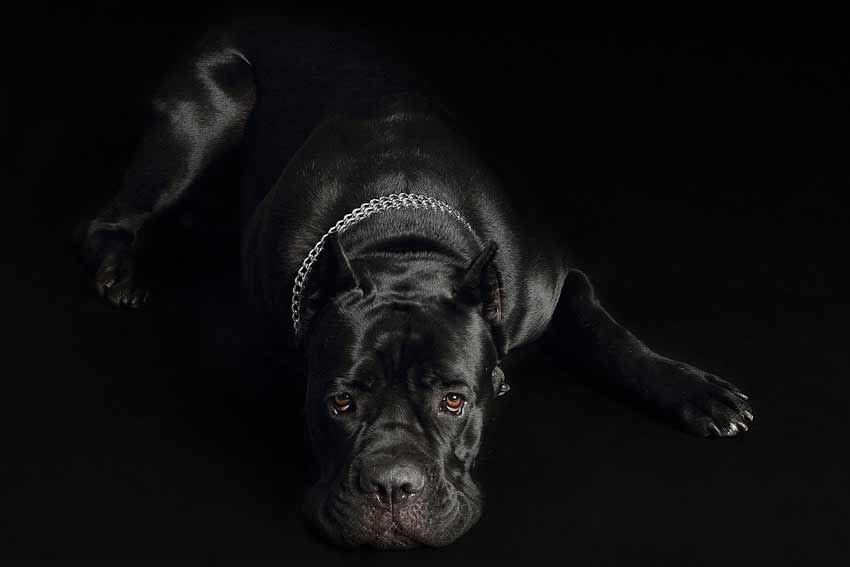
A panther black pitbull is a solid or nearly solid black dog of pit bull type. The “panther” label is a marketing term that plays on the sleek, dark coat. No major kennel club lists a “panther pitbull” breed, so two dogs sold under the name can be very different in size, ancestry and health.
“Pit bull” itself is an umbrella term. As Dogster explains, it covers several related breeds rather than one. That is why knowing the actual breed or mix behind a panther black pitbull matters far more than the name on an ad.
Panther Black Pitbull Breeds: Terrier, Bully or Mastiff Mix?
Most black dogs sold as “panthers” fall into one of these groups:
| Type | Recognition | Typical size | Key traits |
|---|---|---|---|
| American Pit Bull Terrier | UKC (1898), ADBA (1909); not AKC | Males 35 to 60 lbs, 18 to 21 in. | Athletic, loyal, eager to please |
| American Staffordshire Terrier | AKC (first entered 1936) | Medium, muscular | Close cousin of the APBT |
| American Bully | UKC (2013) | Pocket, Standard/Classic and XL sizes | Bred as a companion; muscular build |
| Pit bull-mastiff mix | Not recognized | Varies; can be much heavier | Size and health depend on both parents |
Sources: Chewy (APBT and AmStaff facts) and United Kennel Club (American Bully).
The United Kennel Club (UKC) calls the American Bully “a natural extension of the American Pit Bull Terrier” and accepts any color except merle. Its standard describes a gentle, friendly companion and treats aggression toward people as highly undesirable.
Other black pitbull mixes
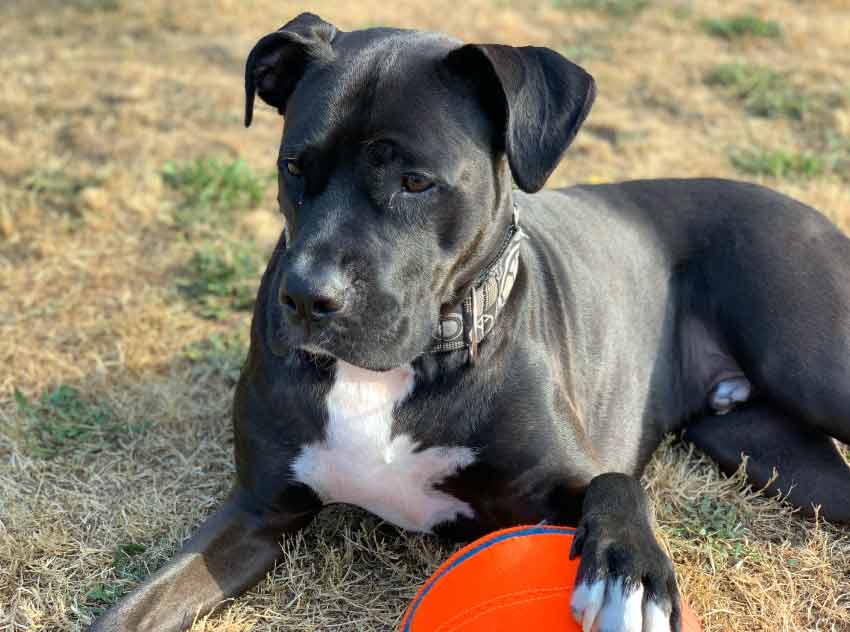
Not every black dog of this type is a bully or mastiff cross. In our experience, shelters often list black pitbull mixes with Labrador, boxer or German Shepherd ancestry. These types of pitbull breeds and mixes vary widely in size and energy, so meet the individual dog before deciding.
Who Is Hulk, the Giant Pit Bull?
Hulk became famous online for his huge size. In 2015, KSAT reported he weighed 175 pounds and lived in New Hampshire with Marlon and Lisa Grennan, who breed and train protection dogs under the name Dark Dynasty K9s. CBC added that he was just 18 months old. The couple said trained puppies from one litter could sell for up to $55,000 each.
Sources differ on his breeding. CBC called Hulk an American Pit Bull Terrier, while Dogster says his parents were an English Bulldog and another pit bull-type breed. Either way, a “Hulk” or “panther” pup from a similar line is usually far larger than a standard APBT, closer to a bully-type or pitbull mastiff mix. Expect a bigger dog, a bigger food bill and greater joint stress.
Panther Black Pitbull Size, Weight and Lifespan
Size depends almost entirely on the breed mix. Use the parents as your best guide, and ask the breeder for their actual weights.
| Type | Height | Weight | Lifespan |
|---|---|---|---|
| American Pit Bull Terrier (male) | 18 to 21 in. | 35 to 60 lbs | 12 to 14 years |
| American Pit Bull Terrier (female) | 17 to 20 in. | 30 to 50 lbs | 12 to 14 years |
| American Bully (Standard male) | 17 to 20 in. | Not given by the UKC | Varies |
| American Bully (XL male) | Over 20 to 23 in. | Not given by the UKC | Varies |
| Pit bull-mastiff or “Hulk” type | Varies | Can exceed 100 lbs; Hulk was 175 lbs | Often shorter in giant dogs |
Sources: Chewy (APBT), UKC (American Bully heights) and KSAT (Hulk). Lifespan for giant mixes is general guidance.
Keep a big dog lean. Extra weight adds strain to hips and knees; our guide to helping your dog lose weight explains safe steps.
Panther Black Pitbull Temperament and Training
Chewy describes the American Pit Bull Terrier as active, loyal and eager to please, and generally friendly with people, though it may chase small animals. These are strong, energetic dogs, so Chewy recommends one to two hours of vigorous activity a day.
Training matters more than color. Chewy advises starting socialization and obedience at about 8 weeks old with rewards and positive reinforcement. As general advice, avoid harsh methods and never encourage aggression or “guard” behavior in a family dog; a calm, well-socialized panther black pitbull is a safer, happier companion.
| Need | What it looks like |
|---|---|
| Exercise | One to two hours of active play or walks daily (Chewy) |
| Socialization | Start early with people, dogs and new places |
| Training style | Reward-based, short and consistent sessions |
| Mental work | Puzzle feeders, scent games and trick training |
Black pitbull puppy care basics
- First vet visit: Book one within the first week to plan vaccines and parasite control.
- Right food: Ask your vet whether a large-breed puppy food suits a big mix.
- Crate and house training: Use a crate sized for the adult dog, with a divider.
- Socialization: Chewy advises starting at about 8 weeks.
- Gentle exercise: Short play sessions protect growing joints.
Apart from the Chewy socialization advice, these black pitbull puppy tips are general guidance.
Name ideas for a black pitbull
A sleek coat inspires great names. Popular pitbull names for dark coats include Onyx, Panther, Raven, Shadow, Jet, Midnight, Ink, Bagheera, Storm and Coal. Short names with a clear sound are easiest to teach, in our experience; see our unique black pet names for more ideas.
Health Issues in Panther Black Pitbulls and Mastiff Mixes
Black coats do not cause health problems, but breed type and size do. Chewy lists these conditions in American Pit Bull Terriers:
| Condition | What to watch for |
|---|---|
| Hip dysplasia | Stiffness, bunny-hopping, reluctance to climb |
| Cranial cruciate ligament injury | Sudden limping on a back leg |
| Zinc-responsive dermatosis | Crusty, scaly skin, often on the face |
| Allergies | Itching, licking paws, ear infections |
| Cataracts | Cloudy eyes, bumping into things |
Conditions from Chewy; warning signs are general guidance. Ask breeders for health screening results on both parents.
Bigger mastiff-type mixes add another risk: bloat. The Washington State University veterinary hospital says deep-chested large and giant breeds are particularly susceptible to gastric dilatation-volvulus (GDV), an emergency in which the stomach fills and can twist. It suggests splitting food into smaller meals, slowing fast eaters, avoiding raised bowls and limiting hard exercise around mealtimes.
Panther Black Pitbull Price: What Affects the Cost?
There is no standard price, because “panther” is not a breed. Cost depends on the breeder, bloodline, health testing and location. At the extreme, Hulk’s breeders said trained protection-dog puppies could sell for up to $55,000, but that is not typical for a family pet.
| Factor | Why it matters |
|---|---|
| Health testing of parents | Good breeders screen hips and other inherited problems |
| “Rare color” upsell | Black is an accepted color under UKC standards; it should not command a premium on its own |
| Registration | Ask which registry (UKC, ADBA or AKC for AmStaffs) and see the papers |
| Ongoing costs | Large dogs eat more and need bigger beds, crates and doses of medicine |
General guidance; prices vary widely.
Adoption is another option. Many shelters have black pit bull-type dogs waiting for homes, and staff can tell you about each dog’s personality. If you are unsure of a rescue dog’s background, a dog DNA test can suggest its likely mix.
Laws, Insurance and Ear Cropping
Some US cities and counties restrict pit bull-type dogs, and landlords or insurers may have their own rules, so check before you bring a panther black pitbull home. The ASPCA opposes breed-specific laws, saying no convincing data shows they have reduced bites anywhere. It points to breed-neutral dangerous-dog rules as a better approach.
Many “panther” ads show dogs with cropped ears. The AVMA opposes ear cropping and tail docking done only for cosmetic reasons and encourages removing them from breed standards. Leaving ears natural spares your dog an unnecessary surgery and is perfectly acceptable for a family pet.
Pet Care Tip: Meet both parents if you can, and watch how they react to strangers and other dogs. Calm, friendly parents are a better predictor of a happy panther black pitbull than any coat color or bloodline name.
When to call a vet right away: WSU lists unproductive retching, a swollen belly, drooling, restlessness and trouble breathing as signs of bloat. If your large dog shows any of these, go to your vet or a 24/7 emergency animal hospital immediately; survival falls the longer treatment is delayed.
7 questions to ask a breeder
- What breeds are the parents, and can I meet them?
- Which health screenings have the parents had?
- How much do the adult parents weigh?
- Which registry are the puppies registered with?
- How have the puppies been socialized?
- Will you take the dog back if I cannot keep it?
- Why is this puppy priced higher than others?
Example Scenario (illustrative)
Tyler in Atlanta saw an ad for a “rare panther pitbull” at a premium price. When he asked, the breeder could not show health screening or name a registry. Tyler instead adopted Onyx, a 2-year-old black American Pit Bull Terrier mix, from a local shelter. A DNA test suggested his likely background, and reward-based classes helped him settle into family life.
| Myth | Fact |
|---|---|
| “Panther pitbull is a rare breed.” | It is a nickname for a black pit bull-type dog, not a recognized breed. |
| “Black pit bulls are more aggressive.” | Coat color does not determine temperament; parents, training and socialization matter. |
| “Bigger is always better.” | Large, deep-chested dogs face more joint stress and a higher bloat risk. |
| “Ear cropping is needed for the look.” | The AVMA opposes cosmetic ear cropping. |
What most owners get wrong
The biggest mistake is paying extra for a label like “panther” or “Hulk” without asking about health testing or the parents’ temperament. A black coat is beautiful, but color alone says nothing about health. Focus on a healthy, well-socialized dog and a breeder or rescue that will support you for life.
Panther Black Pitbull: FAQs
Is a panther black pitbull a real breed?
No. It is a nickname for a black pit bull-type dog, often an American Pit Bull Terrier, American Bully or pit bull-mastiff mix.
How big does a panther black pitbull get?
It depends on the mix. Chewy lists APBT males at 35 to 60 pounds, while mastiff-type mixes can exceed 100 pounds.
What breed is Hulk the dog?
Sources differ: CBC called him an American Pit Bull Terrier, while Dogster says his parents were an English Bulldog and another pit bull-type breed. He weighed 175 pounds in 2015.
How long do black pitbulls live?
Chewy lists the American Pit Bull Terrier lifespan as 12 to 14 years. Very large mixes may live shorter lives.
Are black pitbulls aggressive?
Coat color does not set temperament. Chewy describes the APBT as loyal and friendly with people when well socialized.
Does the AKC recognize the American Pit Bull Terrier?
No. The UKC and ADBA recognize it, while the AKC recognizes the related American Staffordshire Terrier.
Is ear cropping necessary for a pitbull?
No. The AVMA opposes ear cropping done only for appearance.
Final Verdict on the Panther Black Pitbull
A panther black pitbull is a striking dog, but the name is marketing, not a breed. Find out the real mix, meet the parents, ask for health screening, and plan for the size of a bully or mastiff cross. Train with rewards, keep your dog lean, learn the signs of bloat and check local laws before you commit.
Your next steps
- Ask the breeder or shelter for the real breed mix.
- Check local laws, your lease and your home insurance.
- Book a vet visit and reward-based training classes.
Join us on the Pets Store Home Facebook page, and find more breed guides in our Dogs section, plus hotels that welcome large dogs.
About the author: Written and reviewed by the Pets Store Home Editorial Team, pet owners who check every guide against trusted sources.
How we checked this guide: APBT size, lifespan, health, exercise and registry facts come from Chewy’s vet-reviewed breed guide. American Bully facts come from the UKC, Hulk facts from KSAT, CBC and Dogster, bloat guidance from Washington State University, ear cropping from the AVMA and breed laws from the ASPCA.
This guide is general information; always follow your vet. It was fully rewritten in November 2026 and is reviewed every 12 months.
Last reviewed: November 2026.
Sources (accessed November 1, 2026)
- Chewy: American Pit Bull Terrier Breed Guide (updated June 2026)
- United Kennel Club: American Bully
- KSAT: Hulk the Giant Pit Bull Fathers Litter of Puppies (2015)
- Dogster: What Breed of Dog Is Hulk?
- CBC: Meet Hulk, the Biggest Puppy You’ll Probably Ever See
- Washington State University Veterinary Teaching Hospital: GDV and Bloat in Dogs
- AVMA: AVMA Opposes Cosmetic Ear Cropping, Tail Docking of Dogs (2008)
- ASPCA: Position Statement on Breed-Specific Legislation
[…] Which foreign pets are legal in Washington State? […]