
Memorial Plants for Pets: Pet-Safe Choices & Meaningful Ideas
The best memorial plants for pets are ones that hold meaning for you, suit your climate and are safe for any animals still living in your home. Roses, sunflowers, rosemary, camellias, star magnolias and crape myrtles are all listed as non-toxic to dogs and cats by the ASPCA, and they make lovely living tributes outdoors. Indoors, a Boston fern or spider plant is a gentle, pet-safe choice.
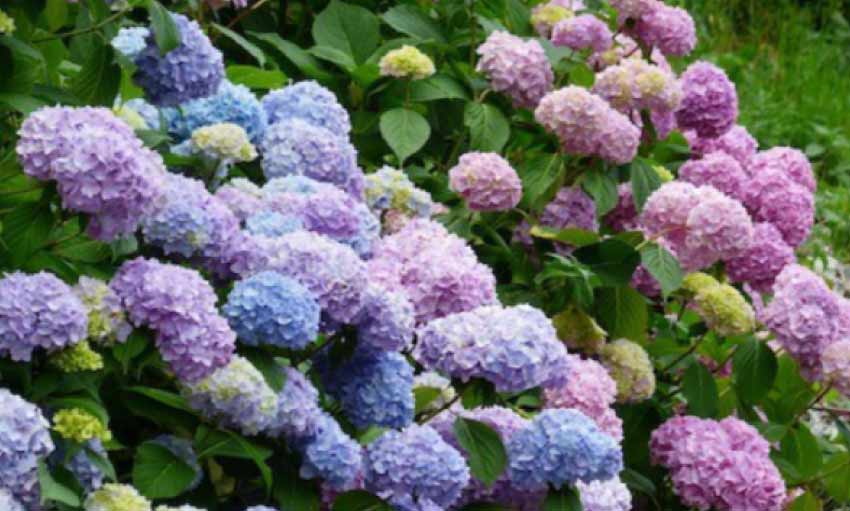
Some popular memorial picks are not safe, though. Hydrangea, lavender, azalea and foxglove are toxic to dogs and cats, and lilies can cause kidney failure in cats. If you’re planting over a grave or with ashes, there are a few extra steps to protect wildlife, your other pets and the plant itself.
Have other pets at home? Check every plant before you buy it. If a pet chews a plant you’re unsure about, call your vet or the ASPCA Animal Poison Control Center at (888) 426-4435 (a consultation fee may apply). For lily exposure in cats, treat it as an emergency.
Key takeaways
- A memorial plant gives you a living place to remember your pet, season after season.
- Choose plants listed as non-toxic if dogs, cats or horses live nearby.
- Avoid lilies around cats, and skip hydrangea, lavender, azalea, foxglove and sago palm.
- Pick a plant that suits your USDA hardiness zone, sunlight and space.
- Ashes are very salty and alkaline, so mix only small amounts into soil.
In this guide
Why Choose Memorial Plants for Pets?
Losing a pet can leave a quiet, heavy gap in your daily routine. Many owners find comfort in doing something with their hands, and planting is one of the gentlest ways to do that. Unlike cut flowers, a living plant keeps growing, and a shrub that blooms each spring can become a yearly moment to remember the walks, naps and silly habits you shared.
Memorial plants for pets also fit almost any home. A tree or shrub can anchor a backyard tribute, a pot of rosemary can sit by the back door, and a fern can live on a windowsill in an apartment. If you’re planning a larger space, our guide to pet memorial garden ideas covers benches, stones and layouts.

Best Memorial Plants for Pets: Pet-Safe Picks
Every plant in this table is listed as non-toxic to dogs and cats in the ASPCA’s toxic and non-toxic plants database. Keep in mind that the ASPCA notes any plant can cause mild stomach upset if a pet eats a lot of it.
| Plant | Type | Why it works as a memorial |
|---|---|---|
| Rose | Shrub | Classic symbol of love; many colors to match your pet |
| Star magnolia | Small tree or shrub | Early spring blooms that return each year |
| Crape myrtle | Small tree | Long summer flowering in warm regions |
| Camellia | Shrub | Glossy evergreen leaves; winter or spring flowers |
| Sunflower | Annual | Bright and cheerful; easy for kids to grow |
| Zinnia or petunia | Annual | Colorful border flowers for a grave or bed |
| Rosemary or basil | Herb | Rosemary is a traditional symbol of remembrance; fragrant |
| Boston fern, spider plant, Christmas cactus | Houseplant | Pet-safe indoor tributes for apartments |
Trees and shrubs for a lasting tribute
A tree or shrub can outlive many seasons of grief and becomes a landmark in your yard. The ASPCA lists star magnolia, crape myrtle, camellia, bottlebrush and hibiscus as non-toxic to dogs and cats. Roses are also on the safe list, though their thorns can scratch curious noses, so choose a spot away from play areas.
Flowers that bloom every year
Annuals like sunflowers and zinnias are easy to replant each spring, which some families turn into a yearly ritual. Children can sow sunflower seeds on a pet’s birthday and watch them grow taller than they are. For a perennial option, a rose bush in your pet’s favorite color is a long-lived choice.
When you shop for memorial plants for pets at a garden center, read the tag for mature height, sun needs and bloom time, then confirm the plant on the ASPCA list.
Indoor memorial plants for pets
No yard? A houseplant can be just as meaningful. The ASPCA lists Boston fern, spider plant and Christmas cactus as non-toxic, so they’re good options if you share your home with other cats or dogs. Place the plant near your pet’s favorite sunny spot, or beside a framed photo.
Memorial Plants for Pets to Avoid
Some flowers that often appear on memorial lists are dangerous to other animals in your home. The ASPCA lists the plants below as toxic. If a dog, cat or horse could reach the planting, choose something else.
| Plant | Toxic to | Main concern |
|---|---|---|
| True lilies and daylilies | Cats | Kidney failure, even from small amounts or pollen |
| Hydrangea | Dogs, cats, horses | Vomiting, diarrhea, lethargy |
| Lavender | Dogs, cats, horses | Stomach upset |
| Azalea | Dogs, cats, horses | Vomiting, weakness, heart effects |
| Foxglove, lily of the valley, oleander | Dogs, cats, horses | Heart problems that can be life-threatening |
| Sago palm | Dogs, cats, horses | Liver damage; can be fatal |
| Yew | Dogs, cats, horses | Heart effects; can be fatal |
| Tulips, begonia, autumn crocus | Dogs, cats, horses | Stomach upset; autumn crocus is severely toxic |
The ASPCA’s veterinary toxicologists single out lilies as lethal to cats, warning that even pollen licked off fur can cause kidney failure. Hydrangea, also listed as toxic on the ASPCA hydrangea page, usually causes stomach upset. One more surprise: the ASPCA lists catnip as toxic to cats, with possible vomiting and diarrhea, so a “catnip memorial” is best grown where your other cats can’t graze on it.

How to Choose Memorial Plants for Pets
- Check your hardiness zone. The USDA Plant Hardiness Zone Map shows which perennials, shrubs and trees can survive winter where you live.
- Match the light. Note how many hours of sun the spot gets before you shop, and read the plant tag.
- Plan for the full-grown size. A small sapling can become a large tree, so leave room from fences, pipes and the house.
- Think about other animals. Choose a non-toxic plant if dogs, cats, horses or neighborhood pets can reach it.
- Pick something personal. A flower in your pet’s collar color, a shrub that blooms around their birthday, or a plant beside their favorite sunny spot all add meaning.
- Consider upkeep. If grief leaves you short on energy, a hardy shrub may be easier than a fussy flower bed.
Tip: Add a small engraved stone or marker beside the plant. Our guide to pet memorial garden stones has ideas that pair well with a living tribute.
Planting Over a Pet’s Grave or With Ashes
If you bury your pet at home
First, check your city and state rules, since some areas limit backyard burial.
If your pet was euthanized, the drugs used can stay in the body and poison scavenging wildlife. The U.S. Fish and Wildlife Service calls cremation the preferred option when available. If you do bury, it advises burying right away, under at least 3 to 4 feet of soil in most places, with enough distance above the water table. The agency also suggests asking your vet about end-of-life services and checking with your state extension office for local rules.
Once the grave is safely covered, the best memorial plants for pets in that spot are shallow-rooted flowers or a small shrub, so you never need to dig deep again. A ring of zinnias or petunias, or a rose planted beside the grave, can mark the spot without disturbing it.
If you plant with ashes
Cremated remains are not a fertilizer. Gardening Know How explains that ashes are very salty and highly alkaline, which can harm plant roots if a large amount sits in one spot. To protect your memorial plant:
- Mix only a small portion of the ashes into a large amount of soil or compost.
- Scatter the rest across a wider area rather than placing it in the planting hole.
- Consider a biodegradable planting urn; some come with specially prepared soil to balance the ashes.
- Keep some ashes for a keepsake if you’d like; see our pet ashes keepsake ideas.

Memorial Plants for Pets as Sympathy Gifts
A living plant can be a kind gift for a friend who has lost a pet, and it lasts longer than a bouquet. Before you choose, ask whether they have other animals. Many sympathy arrangements include lilies, which the ASPCA warns can be lethal to cats, so check any bouquet or basket carefully.
- Safe gift ideas: a potted rose, a rosemary plant, a Boston fern, a spider plant or a Christmas cactus.
- Add a personal touch: a handwritten card with a favorite memory of their pet, or a small plant marker with the pet’s name.
- Skip: lilies, hydrangeas, azaleas, lavender and sago palms if the home has pets.

Caring for Yourself While You Grieve
Grief after losing a pet is real, and it doesn’t follow a schedule. Tending a memorial plant can give you a quiet routine, but it’s okay to ask for more support too. Cornell University’s College of Veterinary Medicine runs a free Pet Loss Support Hotline at 607-218-7457, staffed by trained veterinary students; check current hours before calling. Your veterinary clinic may also know of local pet loss groups.
Example scenario (illustrative)
Linda in Asheville, North Carolina, lost her 14-year-old beagle, Scout, in early spring. She still had two cats, so she ruled out the lilies and hydrangea she’d first considered. After checking that her yard sits in a zone where camellias thrive, she planted a pink camellia near Scout’s favorite sunny step and set a small engraved stone beside it. Each winter, when the first flowers open, her family shares a favorite Scout story.
Memorial Plants for Pets: FAQs
What is the best plant to plant in memory of a dog?
Choose a plant that suits your climate and is safe for other pets. Roses, camellias, star magnolias, crape myrtles and rosemary are all listed as non-toxic by the ASPCA.
What flower represents the death of a pet?
There’s no official flower. Many people choose roses for love, rosemary for remembrance or sunflowers for a bright, joyful pet. Pick what reminds you of yours.
Are hydrangeas safe as memorial plants for pets?
Not if other animals can reach them. The ASPCA lists hydrangea as toxic to dogs, cats and horses.
Can I plant a tree with my pet’s ashes?
Yes, but mix only a small amount of ashes into plenty of soil or compost, or use a planting urn. Ashes are salty and alkaline and can harm roots in large amounts.
How deep should I bury my pet before planting on top?
The U.S. Fish and Wildlife Service says most regulations call for at least 3 to 4 feet of cover, especially for euthanized pets. Check your local laws first.
What is a good indoor memorial plant?
A Boston fern, spider plant or Christmas cactus. All three are listed as non-toxic to dogs and cats.
Final Thoughts on Memorial Plants for Pets
Memorial plants for pets turn grief into something that grows. Choose a plant that holds meaning for you, suits your hardiness zone and light, and is safe for any animals still in your care. Roses, camellias, star magnolias, crape myrtles, sunflowers and rosemary are good outdoor picks, while ferns and spider plants work indoors. Skip lilies around cats, along with hydrangea, lavender, azalea and other toxic plants, and handle burial and ashes with care.
Your next steps
- Look up your USDA hardiness zone and note the sun in your chosen spot.
- Check any plant on the ASPCA list before buying if you have other pets.
- Pair your plant with a stone, bench or marker from our memorial garden guide.
- Explore more pet care guides in our pets section.
Want to share your pet’s memorial garden? Our Facebook community is a kind place to remember them together.
About the author — Written and reviewed by the Pets Store Home Editorial Team: pet owners and animal lovers who check every guide against trusted US veterinary, government and animal-welfare sources. This article is general information, not a substitute for professional veterinary or grief-counseling advice.
How we checked this guide: Plant safety comes from the ASPCA Animal Poison Control Center’s plant database; burial guidance from the U.S. Fish and Wildlife Service; hardiness zones from the USDA; and pet loss support details from Cornell University’s hotline listing. We review it every 12 months.
Last reviewed: October 2026.
Sources
- ASPCA Animal Poison Control, Toxic and Non-Toxic Plants (accessed October 2026)
- ASPCA, Do You Know Which Flowers and Plants Are Toxic to Pets? (accessed October 2026)
- ASPCA, Hydrangea (accessed October 2026)
- U.S. Fish and Wildlife Service, Help Prevent Euthanasia Drugs From Killing Bald Eagles and Other Wildlife (accessed October 2026)
- USDA Agricultural Research Service, Plant Hardiness Zone Map (accessed October 2026)
- Gardening Know How, Planting in Cremation Ashes (accessed October 2026)
- 211 Central New York, Cornell University Pet Loss Support Hotline (accessed October 2026)
[…] Which foreign pets are legal in Washington State? […]