
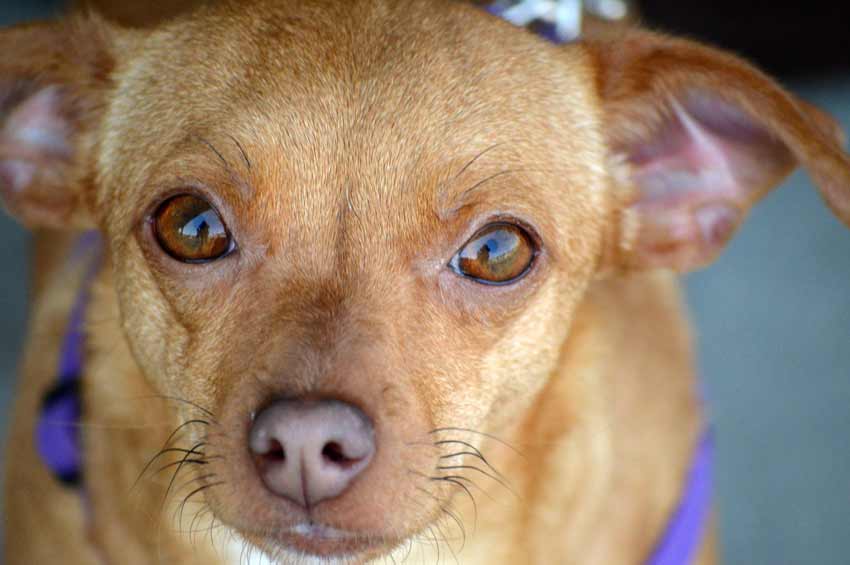
Quick Answer: A Chiweenie is a cross between a Chihuahua and a Dachshund, not a Pug – the name blends “Chihuahua” and “Weenie” (Dachshund). Expect a small dog, typically 5-12 pounds and 6-10 inches tall, with a long body, big personality, and health risks drawn from both parent breeds, including back problems and low blood sugar in puppies.
Key Takeaways
- Chiweenie = Chihuahua + Dachshund, not Pug, despite what some product listings and titles suggest.
- Typically 5-12 pounds and 6-10 inches tall, though larger Dachshund-leaning dogs can reach 15-20 pounds.
- Can inherit the Dachshund’s long back, which carries a real risk of intervertebral disc disease (IVDD).
- Also prone to Chihuahua-linked issues like patellar luxation and puppyhood hypoglycemia.
- Temperament is typically bold, alert, and affectionate, but early socialization matters given the breed’s tendency toward wariness of strangers and other dogs.
Why Trust This Guide?
This guide is researched and written by the Pets Store Home editorial team, drawing on veterinary breed resources for the Chihuahua and Dachshund parent breeds. It’s intended as general information; consult a veterinarian or a reputable breeder or rescue for advice specific to your dog.
What Is a Chiweenie, Really?
Despite what some titles and listings suggest, a Chiweenie is not part Pug. The name is a portmanteau of “Chihuahua” and “Weenie” – a nickname for the Dachshund, whose long, low body has earned it the “wiener dog” label for decades. A Chiweenie is the crossbred offspring of a purebred Chihuahua and a purebred Dachshund, sometimes nicknamed the “Mexican Hotdog” as a nod to both parent breeds’ origins.
Like most designer crosses, the Chiweenie is not recognized by the American Kennel Club as its own breed, though it is acknowledged by several hybrid registries. Because there’s no fixed breed standard, individual Chiweenies can lean noticeably toward one parent or the other in size, coat, and temperament, and even puppies from the same litter can look quite different from each other.
Both parent breeds bring long histories to the mix. The Chihuahua is believed to descend from small companion dogs kept in Mexico for centuries and is the smallest recognized dog breed in the world. The Dachshund was developed in Germany roughly 300-600 years ago, bred with short legs and a long body specifically to chase badgers into their burrows – hence the German name, which translates to “badger dog.”
Size and Physical Appearance
Most adult Chiweenies weigh between 5 and 12 pounds and stand 6 to 10 inches tall at the shoulder, though dogs that favor a standard-size Dachshund parent more heavily can reach 15 to 20 pounds. Body shape usually reflects the Dachshund side more than the Chihuahua side: an elongated torso, short legs, and a deep chest, though the head often keeps the Chihuahua’s more rounded, apple-like shape with large, expressive eyes.
Ears vary – some Chiweenies have the Chihuahua’s upright, alert ears, while others inherit the Dachshund’s longer, floppier ears. Coats can be short and smooth like a smooth-coat Dachshund or Chihuahua, and colors span black, brown, tan, red, cream, and white, often in combination. Lifespan tends to run 12 to 16 years, which is on the longer end for a dog of any size.
Temperament and Personality
Chiweenies are known for having outsized confidence relative to their small frame – a trait inherited from both parent breeds, which are each notably bold for their size. They tend to be deeply attached to one or two favorite people, affectionate at home, and alert to anything unusual, which often makes them enthusiastic (and vocal) watchdogs.
That same boldness has a flip side. Both Chihuahuas and Dachshunds can be wary of strangers and other dogs if not well socialized, and some individual Chiweenies show a stubborn or even mildly territorial streak, particularly around resources like food, toys, or a favorite person’s lap. Early, consistent socialization – exposure to a variety of people, dogs, and situations as a puppy – goes a long way toward preventing this from turning into reactivity or excessive barking later on.
Because of their small size and sometimes feisty temperament, Chiweenies are usually better suited to households with older, gentler children who understand how to handle a small dog carefully, rather than homes with toddlers or very young kids who might unintentionally injure or startle them.
Exercise and Training Needs
Chiweenies are energetic for their size and benefit from one or two short walks a day plus indoor play, totaling roughly 30 to 45 minutes of activity. Their exercise needs are modest compared to larger breeds, which makes them a realistic fit for apartment living, but they still need daily mental and physical stimulation to avoid boredom-driven barking or destructive chewing.
Training-wise, Chiweenies are intelligent and can learn quickly with positive, reward-based methods, but the Dachshund side can contribute a stubborn streak that calls for patience and consistency. Short, upbeat training sessions tend to work better than long ones. Housetraining in particular can take longer than owners expect with this cross – small-breed dogs generally have smaller bladders and a reputation for being trickier to housetrain, so a consistent schedule and crate training often help.
Health Concerns to Watch For
A crossbred dog can inherit risk factors from either parent breed, and the Chiweenie’s combination is worth understanding in detail.
From the Dachshund side, the single biggest concern is intervertebral disc disease (IVDD). Dachshunds are chondrodystrophic – their long spine and short legs come from a genetic trait that also causes the discs between their vertebrae to degenerate earlier and more often than in other breeds, with studies estimating that roughly one in four Dachshunds is affected at some point. A Chiweenie that inherits a long back is at elevated risk too. Symptoms range from reluctance to jump or climb stairs and a hunched or arched back to sudden pain, wobbliness, or in severe cases partial paralysis, which requires emergency veterinary care. IVDD can’t be fully prevented, but keeping a Chiweenie lean, limiting jumping on and off furniture, using ramps or steps for beds and couches, and supporting the back during handling all measurably lower the risk.
From the Chihuahua side, patellar luxation – a kneecap that slips out of its normal groove – is a common inherited orthopedic issue in small breeds, usually appearing by four months of age and causing an intermittent skipping or hopping gait; mild cases may just need weight management, while more severe cases can require surgery. Toy-breed puppies, including Chiweenie puppies, are also prone to hypoglycemia (low blood sugar), which can cause weakness, trembling, and in severe cases seizures; feeding small, frequent meals rather than one or two large ones helps prevent it, and this risk usually diminishes as the dog matures.
Both parent breeds can also pass on dental crowding – small jaws packed with a full set of teeth make plaque buildup and early tooth loss common, so regular brushing and professional cleanings matter more than they might for a larger dog. Obesity is worth flagging separately: because Chiweenies are small and food-motivated, even modest overfeeding translates into a meaningful percentage of body weight, and extra weight directly raises the risk of both IVDD flare-ups and joint problems.
Grooming Needs
Most Chiweenies have short, low-maintenance coats that need brushing just once or twice a week to control shedding and keep the coat glossy. Bathing every few weeks (or as needed) is usually sufficient – overbathing can dry out the skin. Because they’re a small breed prone to dental crowding, teeth brushing several times a week is one of the more important grooming habits, alongside routine nail trims and ear checks, especially for Chiweenies with the Dachshund’s longer, more enclosed ear shape.
Is a Chiweenie Right for Your Household?
This mix tends to suit owners who want a small, low-shedding, low-exercise dog with a genuine personality and are prepared to manage a real risk of back problems. Apartment living works well given the modest exercise needs, and the breed’s size makes it a manageable choice for first-time small-dog owners, provided they’re consistent with training and socialization from puppyhood.
Households with very young children should think carefully, since Chiweenies are physically fragile and can react defensively to rough handling. Households with other pets generally do fine with proper introductions, though the breed’s confident, sometimes territorial streak means supervised introductions matter more than they might with a naturally easygoing breed.
Cost and Where to Find One
Because the Chiweenie isn’t a standardized breed, pricing varies by breeder and litter, but intentional Chiweenie breeders typically charge somewhere in the $300-$800 range, with prices trending higher for smaller “teacup” sizing or unusual coat colors – sizing claims are worth scrutinizing, since extremely small toy or teacup breeding can increase certain health risks rather than being a simple bonus feature.
Adoption is a strong option for this cross: small mixed-breed dogs, including Chiweenies, show up regularly in shelters and breed-specific Chihuahua or Dachshund rescues, typically for a few hundred dollars in adoption fees that usually include spay/neuter, vaccinations, and a basic vet check. Adopting an adult also lets you see the dog’s actual adult size and temperament rather than guessing from a puppy.
Frequently Asked Questions
Is a Chiweenie part Pug?
No. A Chiweenie is a cross between a Chihuahua and a Dachshund. The name comes from “Chihuahua” plus “Weenie,” a nickname for the Dachshund – Pug isn’t part of the mix at all.
Do Chiweenies have back problems?
They can. Dachshunds are highly prone to intervertebral disc disease (IVDD) because of their long spine, and a Chiweenie that inherits that body shape carries some of that same risk. Keeping your dog lean and limiting jumping helps reduce it.
How big do Chiweenies get?
Most adults weigh 5-12 pounds and stand 6-10 inches tall, though dogs with more Dachshund influence can reach 15-20 pounds.
Are Chiweenies good with kids?
They tend to do better with older, gentler children who know how to handle a small dog carefully, rather than toddlers, since Chiweenies are physically fragile and can react defensively to rough play.
How long do Chiweenies live?
Typically 12 to 16 years, which is relatively long even among small dog breeds.
If a long, low body shape and its health tradeoffs interest you, it’s worth comparing notes with another small mix that shares some of the same considerations in our guide to the Chihuahua Pug mix. And since back-arching and spinal discomfort come up often with long-backed breeds, our guide on why a dog’s back arches explains what’s normal and when it signals a problem like IVDD. If you’re still weighing which small breed fits your household best, our broader guide to choosing the right dog can help narrow it down.
[…] Which foreign pets are legal in Washington State? […]